
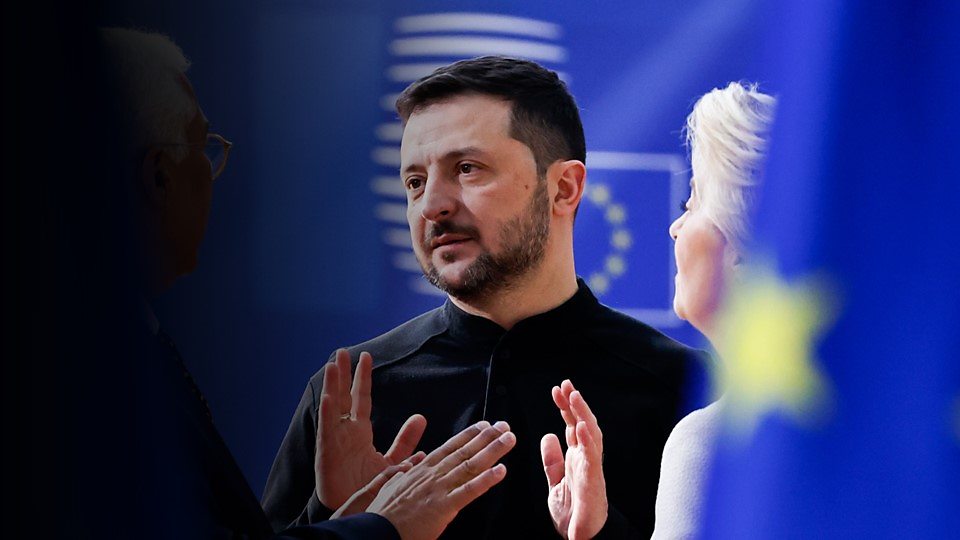
The Zelensky peace plan marks a significant step towards resolving the ongoing conflict arising from Russian aggression in Ukraine. Ukrainian President Volodymyr Zelensky has laid out a comprehensive 20-point plan that emphasizes Ukrainian sovereignty and seeks to establish security guarantees, reminiscent of NATO’s collective defense agreement. This initiative has gained traction with the USA, where key agreements related to the Ukraine USA agreement are currently under review by Moscow. A notable aspect of this plan includes the proposal for demilitarized zones, which aims to freeze hostilities along current front lines. Additionally, the future of EU membership for Ukraine hangs in the balance, highlighting the plan’s potential impact on European stability and security.
In his recent discussions, President Zelensky has introduced a strategic framework aimed at achieving a cessation of hostilities and restoring peace in the region. This framework encompasses critical elements, such as proposals for security assurances and the restructuring of military presence along contested borders. With an eye towards future integration into the European Union, Zelensky’s initiative underscores Ukraine’s aspirations for sovereignty and territorial integrity. Furthermore, the establishment of buffer zones aims to mitigate tensions and create a more conducive environment for negotiations. The ongoing dialogues with international partners, particularly the USA, emphasize the collaborative effort required to navigate the complexities of peace negotiations and address the lasting impacts of the conflict.
Zelensky Peace Plan: Key Components
The Zelensky peace plan aims to bring an end to the ongoing conflict exacerbated by Russian aggression. Central to the proposal are robust security guarantees for Ukraine, echoing NATO’s Article 5 commitment to mutual defense. This proactive approach not only strengthens Ukraine’s military prowess, potentially increasing its army size to 800,000, but also seeks to reassure its citizens and allies about the country’s sovereignty amid persistent threats from Russia.
Further, the plan outlines a framework for stabilizing hostilities by freezing current front lines as the contact lines after signing the agreement. This is a pivotal step towards ensuring that Ukraine can maintain control over its territory and prevent further incursions, thus reinforcing its Ukrainian sovereignty while fostering a more secure environment conducive to peace.
Implications of the Ukraine-USA Agreement
The agreement between Ukraine and the USA holds significant implications for international relations and regional stability. It emphasizes a united front against Russian aggression, marking a critical turning point in how Western powers may respond to future conflicts stemming from Moscow’s ambitions. By aligning their military and political strategies, Ukraine and the USA establish a framework that not only protects Ukrainian interests but also sends a clear message to Moscow and its allies regarding the consequences of continued belligerence.
Moreover, this cooperation sets a precedent for other nations facing similar threats, illustrating the importance of allied support in safeguarding national sovereignty. This agreement is also timely as it coincides with growing discussions around EU membership for Ukraine, which can enhance economic opportunities and political ties with Europe, thus broadening the scope of international support against Russian actions.
EU Membership for Ukraine: A Path Forward
The prospect of EU membership for Ukraine is not just a political ambition; it is a strategic move towards long-term stability and prosperity. By aiming for integration into the EU, Ukraine seeks to solidify its commitment to democratic principles and economic growth. This aligns with European standards, boosting foreign investments and lending credibility to its efforts in countering Russian aggression.
Inclusion in the EU could also translate into enhanced support for reconstruction efforts post-conflict, as financial aid and development programs would likely accompany membership. Such backing would be essential in establishing demilitarized zones in contested regions, thus fostering a sense of security and stability for the Ukrainian populace, free from the threat of Russian incursion.
Demilitarized Zones: A Step Towards Peace
Establishing demilitarized zones is a crucial element of the Zelensky peace plan, aimed at reducing tensions in key contested areas. By creating these zones, both sides can minimize the risk of accidental engagements or escalations, which could further jeopardize peace efforts. The effective implementation of these zones would require meticulous planning and monitoring, ensuring that both Ukrainian and Russian forces respect the new boundaries.
Moreover, these demilitarized areas serve as a tangible affirmation of Ukrainian sovereignty, demonstrating a commitment to peace while still addressing security concerns. Their establishment would not only alleviate some immediate fears of military escalation but would also pave the way for dialogue and negotiations concerning larger territorial issues, including complex matters in Donetsk.
Negotiations with Moscow: Challenges Ahead
The upcoming negotiations between Ukraine and Moscow are poised to be pivotal in determining the future of the region. While Zelensky’s peace plan outlines a comprehensive approach to addressing the conflict, the Kremlin’s response will be critical in shaping the outcome. The reluctance of Moscow, as indicated by their spokesperson, to engage through media discussions suggests a strategic maneuver as they prepare their counter proposals.
Effective negotiations will rely on Ukraine’s ability to navigate these challenges while securing necessary concessions for its territorial integrity. Zelensky’s push for direct discussions with US leadership reflects an understanding of the complexities involved and the need for unified support from international allies to bolster Ukraine’s position in these critical talks.
Restoration Funds: Essential for Recovery
The restoration of Ukraine post-conflict hinges on the establishment of dedicated funding mechanisms, as proposed in the peace plan. These funds would play a crucial role in rebuilding infrastructure, restoring services, and revitalizing the economy. With extensive damage likely incurred during the conflict, financial support from international allies is vital to ensure the swift recovery of affected regions and communities.
Furthermore, these funds could also be directed towards educational initiatives and community programs that promote social cohesion, which are imperative for long-term healing in a country scarred by war. By addressing both immediate and future needs, the restoration funds would not only foster recovery but also reinforce Ukraine’s stability and resilience against ongoing threats of aggression.
Effect of Territorial Concessions on Peace Talks
Territorial concessions are often contentious points in peace negotiations, and Zelensky’s willingness to discuss them signifies a pragmatic approach to conflict resolution. While conceding territory may seem antithetical to maintaining sovereignty, it could be essential for reaching a broader peace agreement, assuming that such concessions would lead to greater security and stability for Ukraine in the long run.
Any territorial discussions must be carefully weighed against the potential for long-term peace versus the risks of establishing precedents that could empower further aggression from Russia. Therefore, these deliberations, particularly in volatile regions like Donetsk, must be accompanied by robust security guarantees and international oversight to protect Ukrainian sovereignty and ensure compliance from all parties involved.
The Role of Allies in Supporting Ukraine
Ukraine’s journey towards peace and stability is significantly influenced by the engagement and support of its allies. The united front presented by the Ukraine-USA agreement and other Western nations seeking to counter Russian aggression underscores a collaborative strategy aimed at enforcing Ukrainian sovereignty. Allies play a critical role in providing military support, diplomatic backing, and economic resources necessary for Ukraine’s defense and recovery.
As discussions surrounding EU membership progress, the involvement of European countries becomes even more pivotal. Their support not only enhances Ukraine’s bargaining power in negotiations with Russia but also solidifies a long-term commitment to stability in Eastern Europe. Encouragement from allies can amplify Ukraine’s position on the international stage, ensuring that its needs and concerns are prioritized in peace talks.
Next Steps for Peace Implementation
Following the introduction of the Zelensky peace plan, the next steps for implementation will require careful coordination among all involved parties. Establishing timelines for troop withdrawals, confirming demilitarized zones, and securing international monitors will be fundamental in translating the proposed framework into actionable agreements. Moreover, ongoing dialogue will be crucial to address any arising disputes efficiently and prevent deterioration of the fragile peace.
The successful implementation of the peace plan will not only require commitment from Ukrainian and Russian parties but also sustained engagement from international allies to reassure and enforce the agreement’s terms. Continuous diplomatic efforts and support structures must be in place to oversee compliance and facilitate dialogue, paving the way toward a lasting resolution to the conflict.
Frequently Asked Questions
What is the Zelensky peace plan regarding Russian aggression?
The Zelensky peace plan outlines a comprehensive strategy aimed at ending Russian aggression against Ukraine. It involves key points such as security guarantees for Ukraine akin to NATO’s mutual defense clause, a bolstered Ukrainian army, and legal assurances from Russia against future aggression.
How does the Zelensky peace plan support Ukrainian sovereignty?
The Zelensky peace plan emphasizes the sovereignty of Ukraine by demanding legal guarantees from Russia for a non-aggression policy and ensuring that any ceasefire recognizes the current front lines as the official contact line.
What are the proposed EU membership plans in the Zelensky peace plan?
A significant element of the Zelensky peace plan includes provisions for EU membership for Ukraine, indicating a desire for closer integration with Europe and a commitment to democratic processes, such as timely presidential elections post-agreement.
What role do demilitarized zones play in the Zelensky peace plan?
Demilitarized zones are a key feature of the Zelensky peace plan, aimed at establishing peace in contested areas by limiting military presence. This approach is intended to reduce tensions and pave the way for a stable resolution to the conflict.
How does the Ukraine USA agreement fit into the Zelensky peace plan?
The Ukraine USA agreement outlined in the Zelensky peace plan includes crucial security guarantees and mutual support to counter Russian aggression, reinforcing Ukraine’s defense capabilities and sovereignty while aligning with US strategic interests.
What are the next steps following the Zelensky peace plan discussions?
Following the discussions surrounding the Zelensky peace plan, the next steps involve further negotiations with Moscow, addressing contentious issues, and finalizing legal and military details to ensure compliance from all parties involved.
Will Zelensky’s peace plan allow for international oversight?
While the Zelensky peace plan does not explicitly mention international oversight, the establishment of security guarantees and demilitarized zones suggests a framework that may involve third-party monitoring to ensure compliance and peacekeeping.
What are the implications of the Zelensky peace plan for territorial disputes?
The Zelensky peace plan seeks to address territorial disputes, particularly in Donetsk, through negotiations that may involve proposed concessions, thereby aiming for a peaceful resolution and recognition of each party’s claims.
| Key Points | Details |
|---|---|
| Zelensky Peace Plan Overview | Ukrainian President Volodymyr Zelensky has detailed a 20-point peace plan during talks in the USA, aimed at ending the war with Russia. |
| Security Guarantees | The plan includes security guarantees for Ukraine akin to NATO’s mutual defense clause (Article 5). |
| Troop Deployment | Hostilities are to be frozen along current front lines, with troop deployments recognized as the contact line upon agreement. |
| Ukrainian Sovereignty | Legal guarantees of non-aggression from Russia toward Ukraine and Europe are demanded to ensure sovereignty. |
| EU Membership | The plan envisions EU membership for Ukraine and hopes for presidential elections shortly post-agreement. |
| Reconstruction Funds | Establishment of funds for the reconstruction of Ukraine is proposed. |
| Demilitarized Zones | The plan includes the creation of demilitarized zones in contested areas. |
| Territorial Discussions | Calls for a meeting with US President Donald Trump to discuss contentious territorial issues, especially around Donetsk. |
| USA’s Role | The USA has presented a revised plan to end the conflict under pressure from Ukraine and its European allies. |
| Kremlin’s Response | The Kremlin’s spokesperson indicated they would respond formally but not through media channels. |
| Future Negotiations | Zelensky mentioned that clarifications are needed and upcoming negotiations will be crucial for finalizing the agreement. |
Summary
The Zelensky peace plan outlines significant steps towards resolving the conflict with Russia, focusing on security guarantees, Ukraine’s sovereignty, and future EU membership. This comprehensive approach addresses the key issues at stake and sets a hopeful framework for peace negotiations, highlighting the potential for a stable and secure future for Ukraine.

