
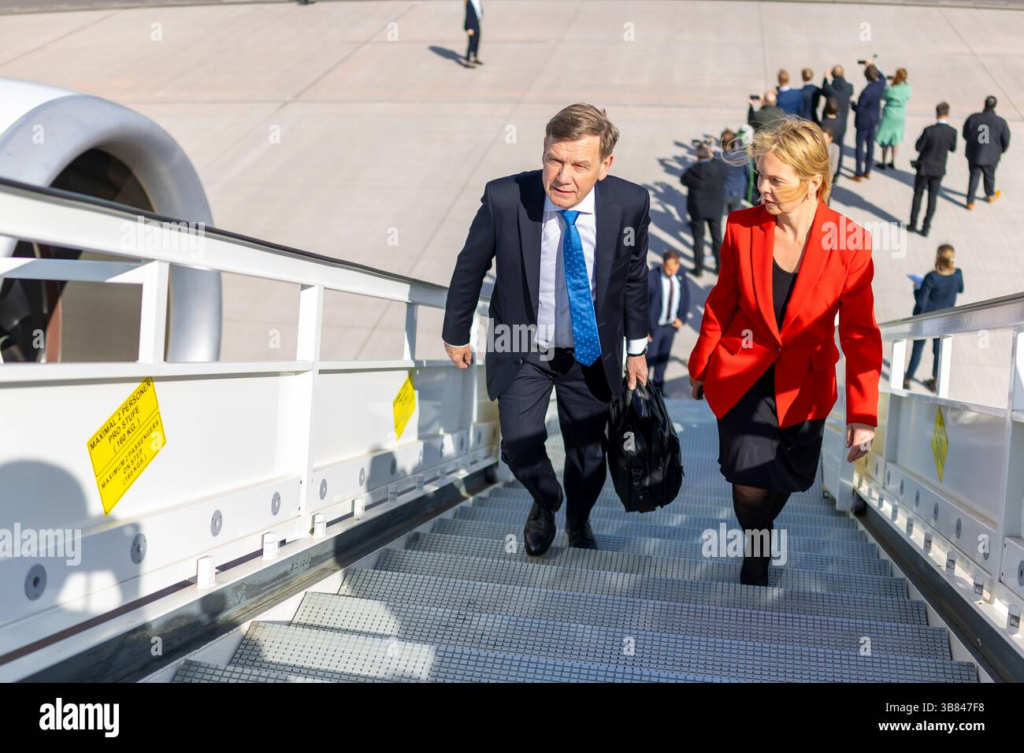
Wadephul Foreign Office reforms are set to transform the landscape of German foreign policy, aiming to adapt to the rapidly changing dynamics of global diplomacy. Federal Foreign Minister Johann Wadephul is spearheading an initiative that highlights the importance of proactive diplomatic engagement amid rising geopolitical tensions. By restructuring the Foreign Office, these reforms seek to enhance international cooperation and address pressing transnational issues with agility and effectiveness. As the world faces dramatic transformations, these policy shifts are essential for Germany to not only respond to immediate crises but also to solidify its position as a significant player in global affairs. These changes are expected to ignite public discussion about the future direction of Germany’s foreign policy, marking a pivotal moment in its diplomatic history.
The upcoming changes within the Wadephul Foreign Office involve substantial updates designed to improve Germany’s diplomatic strategies on the global stage. As the nation grapples with various international challenges, including escalating geopolitical strife, these reforms represent a crucial evolution in how Germany approaches foreign relations. By fostering a new era of diplomatic involvement, the government aims to enhance its responsiveness to global events and bolster international collaboration. This reformation process not only prioritizes immediate responsiveness in foreign affairs but emphasizes a forward-thinking strategy that positions Germany favorably in the complex web of global politics. The anticipated adjustments will likely stimulate a broader discourse regarding the trajectory of Germany’s international policies and its role in a rapidly evolving world.
Wadephul Foreign Office Reforms: A New Era for German Diplomacy
The recent proposals put forth by Federal Foreign Minister Johann Wadephul represent a significant shift in how Germany approaches its foreign affairs. By labeling this initiative as potentially the largest structural reform in decades, Wadephul sets a bold precedent for future diplomatic engagement. The reforms are designed not only to address current geopolitical tensions but also to prepare the Foreign Office for unforeseen global crises—an essential transformation in the ever-evolving landscape of international relations.
Wadephul’s vision extends beyond mere responsiveness; it emphasizes the importance of proactive measures in Germany’s foreign policy. The restructuring aims to enhance the efficiency of various departments within the Foreign Office, fostering a more agile and versatile diplomatic framework. This is particularly crucial given the rapid pace of global change, requiring a strategic approach that can adapt to both immediate threats and long-term challenges. The future of German diplomacy hinges on these reforms, which are intended to place Germany at the forefront of international cooperation and influence.
Frequently Asked Questions
What are the key objectives of Wadephul Foreign Office reforms?
The key objectives of Wadephul Foreign Office reforms include enhancing the effectiveness of the Foreign Office, enabling agile responses to international crises, and fostering a new era of diplomatic engagement. These reforms aim to strengthen Germany’s foreign policy in light of increasing geopolitical tensions and promote international cooperation.
How will Wadephul’s reforms impact German foreign policy?
Wadephul’s reforms are set to transform German foreign policy by restructuring the Foreign Office to better tackle modern challenges. This includes a focus on proactive diplomatic initiatives to position Germany strategically on the global stage, reflecting a shift from reactive to proactive foreign policy management.
What challenges are driving the need for Wadephul Foreign Office reforms?
The need for Wadephul Foreign Office reforms arises from dramatic trends in international politics, including rising geopolitical tensions and transnational crises. These challenges necessitate a more flexible and responsive foreign policy approach that can adapt to a rapidly changing global landscape.
What role does international cooperation play in the Wadephul reforms?
International cooperation is a central theme of the Wadephul reforms. By restructuring the Foreign Office, the reforms aim to enhance collaborative efforts with other nations to effectively address global challenges and establish Germany as a key player in diplomatic engagement.
When can we expect detailed proposals on the Wadephul Foreign Office reforms?
Detailed proposals on the Wadephul Foreign Office reforms are expected to be officially presented in the coming weeks. The federal foreign minister has been initiating discussions and consultations to refine the approach and ensure a comprehensive response to the evolving needs of German foreign policy.
What changes might we see in the structure of the Foreign Office due to Wadephul’s reforms?
The structure of the Foreign Office is likely to see significant changes aimed at improving efficiency and responsiveness. Wadephul’s reforms could lead to a reorganization of departments to better align with the goals of enhancing international cooperation and addressing the complexities of geopolitical tensions.
How will public discourse influence the Wadephul Foreign Office reforms?
Public discourse is expected to play a critical role in shaping the Wadephul Foreign Office reforms. As these initiatives are debated, feedback from various stakeholders will likely influence the final structure and strategies adopted, ensuring that the reforms resonate with the broader goals of German foreign policy.
In what ways will Wadephul’s reforms address transnational crises?
Wadephul’s reforms will equip the Foreign Office with tools to quickly respond to transnational crises by promoting an agile foreign policy framework. This involves increasing diplomatic engagements that prepare Germany to proactively manage and mitigate international challenges effectively.
| Key Points | Details |
|---|---|
| Federal Foreign Minister Johann Wadephul’s Reforms | Wadephul aims for the largest structural reform in decades within the Foreign Office. |
| Focus on Agility | The reforms prioritize responsiveness to dramatic trends in international politics, allowing quicker and more flexible reactions. |
| Addressing Global Challenges | The initiative targets increasing geopolitical tensions and transnational crises that necessitate agile foreign policy. |
| Enhancing Efficiency | Improvements will affect various departments to promote international cooperation and operational efficiency. |
| Proactive Diplomacy | Wadephul envisions the Foreign Office taking proactive steps in international diplomacy, facilitating Germany’s role on the global stage. |
| Future Outlook | Ongoing consultations and public discussions will shape the reforms’ implementation, with specifics to be announced soon. |
Summary
Wadephul Foreign Office reforms are set to redefine Germany’s diplomatic approach in an ever-changing international landscape. Federal Foreign Minister Johann Wadephul is spearheading significant structural changes aimed at enhancing responsiveness to global challenges. By emphasizing agility and proactive engagement, these reforms are designed to elevate Germany’s position in international relations. As consultations progress, the success of these initiatives will depend on effective implementation and public discourse surrounding Germany’s foreign policy direction.

