
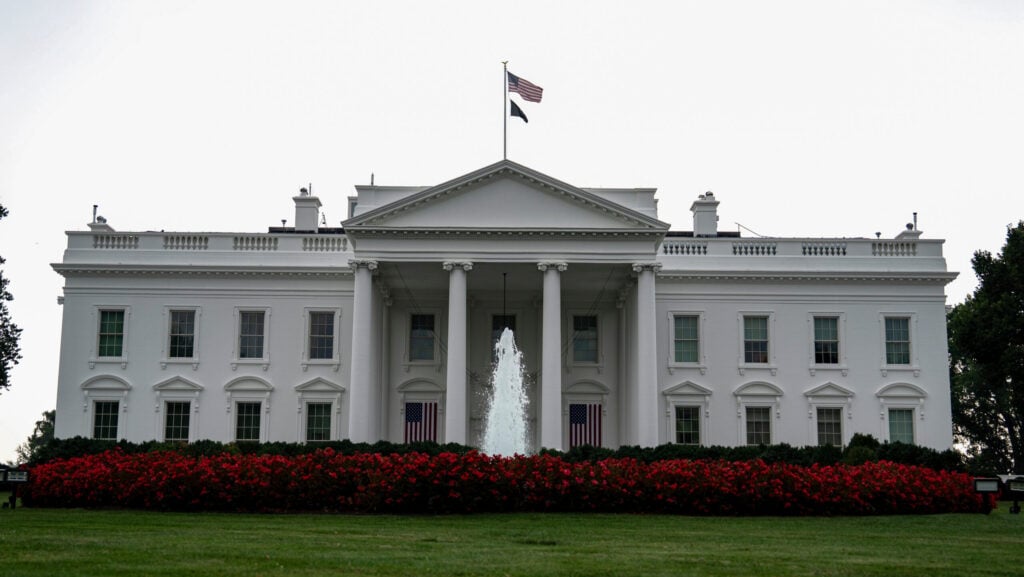
The US Security Strategy has ignited a significant political firestorm, particularly as Austria’s Chancellor, Christian Stocker, passionately defends his nation’s sovereignty against perceived American interference. Recent reports indicate that an unpublished section of this strategy may aim to weaken the European Union by courting relationships with individual member states. Stocker boldly stated that Austria will not accept any attempts to influence its domestic affairs, asserting that political decisions must come from the will of the Austrian people. This heated debate highlights the potential tensions between the European Union and US, with implications on European sovereignty being brought to the forefront. As the European Union grapples with these challenges, the dynamics of transatlantic relations continue to evolve under Trump’s National Security Strategy, prompting discussions about the future of Europe’s unity and strategic autonomy.
In examining the complexities of American defense policy, particularly concerning Europe, one cannot overlook the unfolding narrative surrounding US strategic interests that could threaten unity within the European Union. Austria, under Chancellor Stocker, has voiced concern about US intentions to exploit rifts among European countries, suggesting a prioritization of national interests over collective European stability. This discussion reflects broader themes of European independence and the need for cohesive foreign policy amid external pressures. As the Trump administration redefines its approach to international relations, the implications for European nations striving for self-determination become increasingly vital. Consequently, the idea of fostering European sovereignty in the face of American overtures has emerged as a critical topic among EU members.
Austria’s Rejection of US Security Strategy
Austria’s firm stance against the United States’ security strategy marks a significant moment in European politics. Austrian Chancellor Christian Stocker has strongly criticized an unpublished US document suggesting efforts to drive a wedge between specific EU member states and the broader European Union. This document reportedly reflects an intention by the US to influence the political landscape of Europe, proposing support for movements in countries like Austria, Hungary, Poland, and Italy that align with pro-American interests. By rejecting these external influences, Stocker emphasizes Austria’s commitment to European sovereignty.
The rejection has sparked a wider dialogue about the integrity and independence of EU states in confronting foreign pressures. Austria’s dedication to making political decisions free from US interference underscores a growing concern among European leaders about the implications of America’s national security strategies. This pivotal moment serves as a reminder for EU countries to bolster their unity and resilience against external attempts to manipulate their political frameworks.
The Role of European Sovereignty in Global Politics
In the context of increasing geopolitical tensions, European sovereignty has emerged as a critical theme in discussions about the continent’s future. As articulated by figures like Chancellor Stocker, the principle of sovereignty underlines the right of individual nations to shape their destinies without external interference. This sentiment resonates profoundly in light of the reported US strategy, which aims to cultivate political divisions among EU nations, potentially undermining their collective strength. European leaders are now more than ever compelled to safeguard their sovereignty by reinforcing cooperative ties that promote a united front against external pressures.
Moreover, the push for European sovereignty also involves reassessing relationships with global powers. While some leaders, like Hungary’s Viktor Orbán, have embraced closer ties with the US and its security strategy, others advocate a more balanced approach that preserves European autonomy. This divergence highlights the complexities of each nation’s historical and political context, compelling European nations to navigate their foreign relations in a manner that prioritizes their sovereignty and democratic values.
Implications of Trump’s National Security Strategy
The implications of Trump’s National Security Strategy extend beyond the borders of the United States, reaching deep into the political fabric of Europe. The strategic document raises alarms about potential fragmentation within the European Union by suggesting a realignment of member states favoring US interests over collective European goals. Key aspects of the report call for the US to engage with countries like Austria, Poland, and Hungary, assisting them in distancing themselves from EU unity. This approach not only risks undermining the EU’s stability but also poses a direct challenge to the founding principles of collaboration that have historically united its member states.
Consequently, this strategy necessitates a reevaluation of EU policies regarding its relationship with the US. Leaders across Europe must weigh the benefits of US support against the risks posed by aligning too closely with an agenda that could lead to the erosion of EU sovereignty. As European countries grapple with the legacy of their historical alliances, the response to Trump’s proposed strategies may well set the tone for transatlantic relations moving forward.
Challenges to European Unity Amid External Pressures
The challenges to European unity have intensified in the wake of external pressures, notably from the United States. The current political climate has exposed cracks within the EU, prompting concerns about its long-term viability. Reports of the US working to separate specific member states from the EU framework, as suggested in Trump’s National Security Strategy, have alarmed many European leaders. Austrian Chancellor Stocker’s strong condemnation stands as a testament to the resistance against these divisive tactics, emphasizing the critical need for solidarity among EU nations.
Moreover, the differing reactions from European leaders highlight the complexities of fostering unity in a diverse political landscape. While some countries may see potential strategic gains in aligning closely with US interests, others advocate for a robust, united European response to safeguard collective interests. The ability of the EU to present a united front against such external manipulations will ultimately determine its resilience and relevance in global political dynamics.
The Quest for Competitiveness and Defense Capabilities
In the face of external pressures and strategic realignments by the US, European nations, including Austria, must prioritize enhancing their competitiveness and defense capabilities. Chancellor Stocker has framed the current situation as a wake-up call for Europe, signaling the urgent need to bolster its position on the global stage. Improving competitiveness goes hand in hand with ensuring that European countries can operate independently without undue influences from foreign powers, especially in matters of national security.
In addition to economic competitiveness, strengthening defense capabilities is becoming increasingly pertinent as European nations confront rising geopolitical tensions. The call for increased investment in defense reflects a broader recognition of Europe’s vulnerability and the determination to protect its sovereignty. By investing strategically in both economic and military resources, EU member states can cultivate a robust environment that empowers them to navigate future challenges while reinforcing their collective unity.
The Future of Transatlantic Relations
As the political landscape shifts, the future of transatlantic relations appears fraught with uncertainty. The ongoing discourse surrounding the US Security Strategy and its implications for EU member states has sparked intense debates about the nature of these alliances. While many European leaders are wary of the US’s intention to sow discord among its ranks, some still perceive potential benefits in fostering closer ties with Washington. The delicate balance of nurturing these relationships while preserving European autonomy will be critical for future cooperation.
Moreover, the evolving dynamics between the US and EU will likely shape broader global relations. Strategic partnerships may emerge, necessitating careful navigation by both sides to maintain a cooperative spirit that fosters mutual respect and understanding. As Europe seeks to assert its sovereignty, the reciprocal relationship with the US must adapt to reflect a shared commitment to democratic values while ensuring that external influences do not undermine the EU’s collective strength.
Challenges to EU Cohesion: A Study on Austria
Austria’s response to the purported US security strategy provides a compelling case study on the challenges to EU cohesion. The Austrian Chancellor’s robust defense of national sovereignty against external manipulations illustrates the heightened sensitivity surrounding foreign influence in domestic affairs. Austria’s position reflects broader concerns among many EU member states regarding their political autonomy and the threat posed by divisive tactics aimed at fragmenting the EU.
This case also highlights the necessity for EU nations to engage in introspective discussions about their roles within the union. While some nations may seek to align more closely with US interests, others advocate preserving the EU’s foundational ideals of cooperation and solidarity. These discussions not only promote unity but also serve as a critical reminder of the collective strength that lies within the European Union.
Trump’s Vision: Mixed Reactions Across Europe
Reactions to Trump’s National Security Strategy reveal a divided European landscape, with some leaders expressing support while others vehemently oppose its implications. The stark contrast between Hungary’s Viktor Orbán, who welcomed the strategy as a supportive call for civilizational restoration, and Austria’s Stocker, who condemned potential US interference, illustrates the varying perceptions of America’s role in Europe. This divergence creates an environment where national interests may conflict with broader EU cohesion, complicating transatlantic dynamics.
As these discussions unfold, it becomes evident that the future of Europe will hinge on how member states navigate these complexities. The strategic interests of nations like Hungary, which may choose to embrace US alignment, and Austria, which prioritizes sovereignty, necessitate careful diplomacy to foster an atmosphere of mutual respect. The balance between embracing external support and upholding European values will be pivotal as Europe fortifies its collective identity in the face of shifting geopolitical landscapes.
The Impact of External Political Pressures on European Democracy
External political pressures pose a formidable challenge to the democratic foundations of European nations. The revelations surrounding the US’s purported intent to manipulate political landscapes within the EU underline the vulnerability of democratic institutions to outside influence. As Chancellor Stocker reaffirmed Austria’s commitment to making decisions based solely on the will of its people, this sentiment resonates across Europe, calling for vigilance in protecting democratic integrity against foreign manipulation.
This situation compels European leaders to reflect critically on the external influences that threaten to undermine their democratic processes. Prioritizing transparency, accountability, and public engagement will be essential for countering these pressures. By fostering an informed populace and reinforcing the principles of democracy, European nations can safeguard against foreign attempts to destabilize their political systems, thereby preserving their sovereignty and democratic values.
Frequently Asked Questions
What is the US Security Strategy’s impact on the European Union according to recent reports?
Recent reports suggest that the US Security Strategy, particularly under President Trump’s administration, aims to influence EU dynamics by pulling certain member states, like Poland, Hungary, Italy, and Austria, closer to the US and away from EU unity. This has raised concerns regarding European sovereignty and the integrity of the EU.
How has Chancellor Stocker of Austria responded to the US Security Strategy?
Austrian Chancellor Christian Stocker has strongly criticized the implications of the US Security Strategy, asserting Austria’s commitment to making independent political decisions based on the will of its people. He firmly rejected any US attempts to interfere in internal Austrian matters, emphasizing the importance of European sovereignty.
What are the key elements of the Trump National Security Strategy that relate to Europe?
The Trump National Security Strategy highlights concerns about a ‘decline’ in the European economy and urges support for movements that promote sovereignty while preserving traditional European values. It suggests closer cooperation with specific EU member states to realign them with US interests.
Why is the US Security Strategy viewed as a threat to European sovereignty?
The US Security Strategy is viewed as a threat to European sovereignty because it proposes leveraging political influence in EU member states to promote pro-American agendas, potentially undermining the unity and independence of the EU. Critics, including European leaders, fear this could deepen divisions within Europe.
How does Viktor Orbán’s support for the US Security Strategy reflect Hungarian politics?
Hungarian Prime Minister Viktor Orbán has expressed support for the US Security Strategy, seeing it as an acknowledgment of Hungary’s struggles against European liberalism. He believes that the US recognizes the perceived decline of European values and is open to rebuilding strategic ties with countries like Hungary and Russia, despite EU sanctions.
What might be the long-term consequences of the US Security Strategy for Europe?
The long-term consequences of the US Security Strategy for Europe could include increased political fragmentation within the EU, a potential shift in alliances favoring the US, and challenges to European unity as member states navigate their relationships with the US, potentially compromising collective European interests.
What criticisms have been made regarding the US’s strategy towards Europe?
Critics have pointed out that the US’s approach, as outlined in its Security Strategy, undermines the collaborative spirit of the EU and promotes divisive politics. They argue that this strategy risks weakening the EU’s collective bargaining power and fostering instability among its member states.
How does the current US Security Strategy reflect on global perceptions of American leadership?
The current US Security Strategy may be perceived as aggressive and interventionist, leading some to view American leadership as self-serving and partisan. This perception could harm US relationships with European allies, as countries may feel compelled to assert their sovereignty against external pressures.
| Key Point | Description |
|---|---|
| US Plans to Split the EU | An unpublished section of the US National Security Strategy suggests the intention to undermine EU unity by pulling certain member states away from it. |
| Austria’s Response | Austria’s Chancellor Christian Stocker condemned the US strategy, asserting Austria’s sovereignty and rejection of external interference. |
| Targeted Countries | The US reportedly aims to work more closely with Poland, Hungary, Italy, and Austria to foster a divide within the EU. |
| European Sentiment | While Chancellor Stocker rebuked US actions, Hungarian Prime Minister Viktor Orbán supported the strategy, viewing it as recognition of EU’s civilizational crisis. |
| Warning from the White House | The US strategy warns of a potential economic decline and ‘civilizational extinction’ if Europe’s current trajectory continues. |
Summary
The US Security Strategy is a pivotal framework reflecting America’s intent to reshape European alliances and dynamics. Recently, Austria has openly rejected US attempts to fragment the EU, emphasizing its commitment to sovereign decision-making, free from external pressures. This response highlights Europe’s delicate balance of power and the complexities surrounding transatlantic relations in the face of proposed US initiatives aimed at influencing EU member states. As such, the unfolding developments offer insight into how the US Security Strategy will impact the future of European unity and transatlantic cooperation.

