
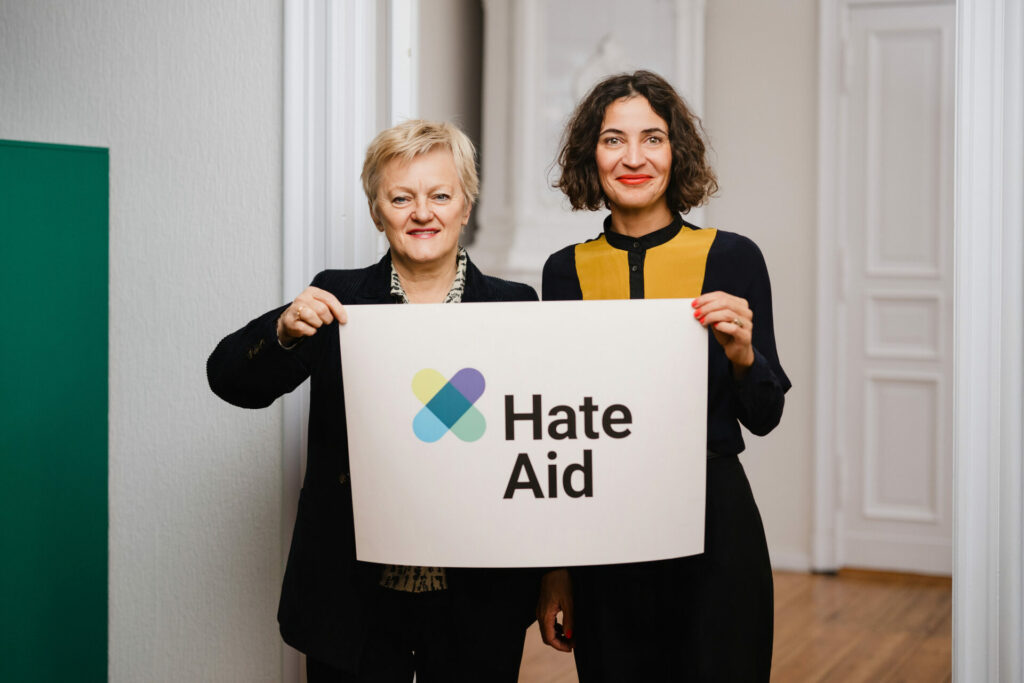
The recent US sanctions against HateAid have sparked significant backlash, as German officials decry the measures targeting the organization’s leaders as “unacceptable.” These sanctions, which also include entry bans on key HateAid executives, have drawn criticism from Germany’s Federal Foreign Minister Johann Wadephul, who emphasized the importance of hate speech protection under EU laws like the Digital Services Act. As debates over digital sovereignty in the EU intensify, the sanctions have triggered a discourse surrounding freedom of expression and the role of international regulations. Wadephul’s remarks highlight a pivotal moment where defending digital rights clashes with perceived US overreach. In response, HateAid labeled the sanctions an unjust act of repression, igniting calls from European leaders to resist such unilateral actions that threaten civil liberties and regulatory autonomy.
In light of recent punitive measures, the United States has imposed restrictions on HateAid, a prominent organization dedicated to combating online discrimination. The move, characterized by entry bans against senior officials, has raised alarms among European representatives who argue that it constitutes undue interference in the EU’s legislative framework for digital services. This situation underscores a broader conflict between national interests and collective efforts to uphold democratic values, particularly in an age defined by heightened digital sovereignty. With the implications of these actions echoing wider conversations about freedom of expression, stakeholders are calling for a reassessment of approaches to managing online hate and misinformation. The situation illustrates the delicate balance countries must navigate in safeguarding their citizens while cooperating on transnational digital governance.
The Controversial US Sanctions Against HateAid: An Overview
The recent entry bans imposed by the United States on the executives of the organization HateAid have ignited a significant backlash from German authorities and the broader European Union. These sanctions, which accuse leaders like Josephine Ballon and Anna-Lena von Hodenberg of promoting censorship, have raised critical questions about the intersection of freedom of expression and digital regulation. The Federal Foreign Minister of Germany, Johann Wadephul, has labeled these sanctions as ‘unacceptable’, urging the recognition of HateAid’s work as aligned with the EU’s Digital Services Act (DSA), a framework designed to protect online users and combat hate speech.
As discussions around these sanctions continue, it has become clear that they are viewed not just as punitive measures against individuals but as attacks on the principles of digital sovereignty upheld by the EU. The German government is rallying support, emphasizing that the DSA reflects democratic values that should be protected against external overreach. This growing tension between the US and the EU broadens the conversation about the responsibility of tech platforms in moderating content and the implications for organizations that seek to protect victims of online hate.
EU’s Response to US Entry Bans: Upholding Digital Sovereignty
In the face of these controversial sanctions, the European Union is poised to defend its regulatory autonomy and digital sovereignty. The entry bans have prompted a unified response from EU leaders, with several officials indicating that they will not stand for what they consider unjustified measures by the US government. French President Emmanuel Macron’s remarks, describing the sanctions as intimidation, underline the EU’s commitment to fostering an environment where digital services can operate free of external coercion. This stance is vital for maintaining the integrity of the Digital Services Act and the rights of individuals online.
Furthermore, the EU Commission’s promise to respond swiftly to any acts that undermine its regulatory framework signifies a potential escalation of diplomatic tensions. Calls for clarification from the US highlight the importance of international dialogue as the EU seeks to cement its stance on matters of free expression and content moderation. This situation emphasizes the delicate balance between protecting digital rights and the risks posed by sanctions under the guise of promoting free speech.
HateAid’s Stance on US Sanctions: A Fight Against Repression
HateAid has vehemently opposed the US sanctions, framing them as an alarming act of repression against an organization dedicated to supporting victims of online hate. Their leaders, who now face the threat of entry bans, assert that the actions taken by the US government demonstrate a disregard for fundamental rights and freedoms. By categorically rejecting the allegations of censorship leveled against them, HateAid emphasizes its role in advocating for the protection of personal rights within the digital environment. Their response captures the essence of the ongoing debate about the limits of freedom of expression in relation to combating hate speech online.
This tension has broader implications for how digital platforms operate and how organizations like HateAid perform their essential work. As HateAid urges the German government and EU officials to send a clear message of support, the organization’s leaders are adamant that the protection of victims and the defense of free speech are not mutually exclusive. They aim to underscore that holding platforms accountable for harmful content does not equate to censorship, but rather constitutes a necessary step toward ensuring a safer online community.
Germany’s Political Landscape: Support for HateAid Amidst Criticism
The reaction to US sanctions against HateAid has prompted widespread political support across Germany, reflecting a commitment to uphold the values of democracy and freedom of expression. Figures such as Federal Justice Minister Stefanie Hubig have voiced strong defense of HateAid’s mission, underscoring the need to protect victims of online abuse. This support illustrates a cohesive stance within the government’s branches, which unites under the notion that digital spaces should remain safe from hate speech rather than becoming battlegrounds for ideology.
Moreover, key political players from various parties have come together to condemn the US’s approach to the sanctions. This cross-party consensus is pivotal in sending a robust diplomatic message that defends the principles of the DSA and criticizes the labeling of anti-hate efforts as radical activism. Political leaders are keen to emphasize that repression of organizations like HateAid threatens civil liberties that should be preserved in both digital and physical spaces.
The Implications of US Entry Bans on International Relations
The entry bans imposed by the US government on HateAid executives have far-reaching implications for international relations, especially concerning transatlantic ties. Many analysts are observing closely how these actions could affect the collaborative efforts between the US and the EU in regulating digital services. The assertion that individual and organizational rights are being compromised underscores the potential for a diplomatic rift, pointing to the fragility of historical alignments in the face of evolving global governance issues.
As the EU prepares to respond, the stakes remain high not only for HateAid but for other organizations that might find themselves similarly targeted. A strong EU countermeasure could set a precedent for future interactions concerning digital sovereignty and human rights on a global scale. This juncture may represent a defining moment where the robustness of democratic values is tested against the backdrop of regulatory policy and geopolitical maneuvering.
Decoding the Accusations: Censorship and Freedom of Expression
A significant aspect of the US sanctions against HateAid involves the controversial accusations of censorship directed at organizations that oppose online hate. US officials have positioned these bans as necessary to protect free speech; however, opponents argue that this mischaracterizes the objective of HateAid and similar organizations. By defending individuals targeted by hate speech, these groups argue they are promoting a healthier discourse rather than stifling expression. This conflict of narrative amplifies the debate about what constitutes censorship and how it can be misused as a political label.
This framing of HateAid’s work has sparked extensive discussions around the boundaries of freedom of expression. Legal experts and human rights advocates stress that while freedom of speech is paramount, it should not protect incitement of hate or violence. This ongoing dialogue challenges the traditional understanding of expression and compels a reevaluation of policies that govern digital spaces. It raises essential questions about how platforms can mitigate harm without infringing upon individual rights to speak freely.
HateAid’s Contribution to Online Safety and Civil Rights
The presence of organizations like HateAid is crucial in the landscape of online safety and civil rights. Their mission revolves around providing support to victims of online hate and threats, ensuring that individuals feel empowered to report abuse and seek justice. In this context, HateAid exemplifies the protective role that non-governmental organizations can play in upholding civil rights in increasingly digital interactions. By fostering safer online environments, they enable more inclusive dialogue and engagement.
The effectiveness of HateAid and others like it also speaks to the broader need for governmental support in protecting digital rights. By taking actions against entities that seek to amplify hate, these organizations contribute to a social framework where freedom of expression can thrive without compromising personal dignity. Their work is not an attack on free speech but rather an essential mechanism to safeguard those who are often marginalized or targeted online.
Future Prospects for Digital Rights in the Face of US Sanctions
Looking ahead, the sanctions against HateAid raise critical questions about the future of digital rights and the balance between regulation and free speech. It is essential for policymakers in the EU and US to engage in transparent dialogues to ensure that regulations do not infringe on civil liberties while effectively combating hate speech. This scenario presents an opportunity for stakeholders on both sides to establish a common ground that respects individual freedoms while addressing harmful online behavior.
As international discourse around these issues evolves, the stakes for organizations tasked with protecting digital rights could not be higher. The path forward must involve multi-faceted strategies that include proactive support for civil society organizations like HateAid, coupled with international agreements to harmonize efforts in safeguarding democracy in the digital age. Ultimately, navigating these complexities will require courage, innovation, and a cooperative spirit on the part of global leaders.
Impacts on Digital Service Providers and Policy Reform
The tensions surrounding the entry bans on HateAid executives may also compel digital service providers to rethink their approaches to content moderation and compliance with international laws. Given the scrutiny from both US and EU regulators, platforms will need to ensure they balance the enforcement of hate speech policies with the protection of free expression. This dynamic could lead to significant policy reforms as companies strive to navigate the conflicting legal landscapes created by these sanctions.
Moreover, the call for robust digital services that promote safety and respect individual rights is likely to resonate in reform discussions across the EU and beyond. As stakeholders consider future legislation, the experiences of organizations like HateAid can offer critical insights into how to effectively balance the fight against online abuse without compromising foundational democratic principles. The challenge will be in crafting policies that are not only effective but also equitable and just in their application.
Frequently Asked Questions
What are the implications of US sanctions against HateAid for digital freedoms?
The US sanctions against HateAid raise significant concerns about digital freedoms and freedom of expression. Critics argue that these measures undermine the objectives of the EU’s Digital Services Act, which aligns online and offline illegal activities, asserting the need for robust protections against digital hate speech and discrimination.
How do the HateAid sanctions impact international relations between the US and EU?
The imposing of entry bans on HateAid executives has escalated tensions between the US and EU. European officials have condemned the sanctions as unjustified, reflecting a broader debate over digital sovereignty and the authority of the EU to regulate online activities, thereby potentially damaging bilateral relations.
Why did the US government impose entry bans on HateAid executives?
The US government claims that entry bans on HateAid executives were necessary due to allegations of censorship by organizations that supposedly penalize American perspectives on digital platforms. Critics, however, argue that this view misrepresents the important role of organizations like HateAid in advocating for victims of online harm.
What is the EU’s stance on the US sanctions against HateAid?
The EU has expressed strong opposition to the US sanctions against HateAid, defending its regulatory framework established by the Digital Services Act. European leaders view the sanctions as an attack on their digital sovereignty and a challenge to their right to legislate on issues related to freedom of expression and online safety.
How does the US entry ban against HateAid executives affect freedom of expression?
The entry ban for HateAid executives has sparked a heated debate over freedom of expression. While the US argues that it seeks to protect diverse viewpoints, opponents contend that such measures could stifle important discussions on hate speech and online safety, which are vital for a healthy democratic discourse.
What are the potential countermeasures the EU may take in response to HateAid sanctions?
In light of the US sanctions, the EU Commission has indicated it will consider quick and decisive countermeasures to defend its regulatory autonomy. This may include diplomatic protests, revisions in cooperation agreements, or stronger enforcement actions against perceived threats to its digital sovereignty.
Who are the key figures involved in the sanctions against HateAid?
The key figures involved in the sanctions against HateAid include executives Josephine Ballon and Anna-Lena von Hodenberg, as well as former French EU Commissioner Thierry Breton, who played a crucial role in establishing the Digital Services Act. The actions against them have led to a broader discussion about accountability and freedom in digital spaces.
What criticism has been directed at the US regarding the HateAid sanctions?
The US has faced severe criticism from German officials and EU representatives for its sanctions against HateAid, deemed ‘unacceptable’ and an overreach of authority that undermines both international law and democratic principles regarding freedom of expression and personal rights.
How is HateAid responding to US sanctions?
HateAid has condemned the US sanctions as an act of repression intended to silence criticism. The organization is calling for a unified response from the German government and the EU to signal that such measures are unacceptable and counterproductive to the fight against online hate.
| Key Points |
|---|
| US sanctions against HateAid executives have drawn severe criticism from the German government and EU representatives. |
| Federal Foreign Minister Johann Wadephul condemned the sanctions as ‘unacceptable’ and noted that HateAid operates under EU laws (Digital Services Act). |
| Justice Minister Stefanie Hubig emphasized the importance of HateAid’s work in protecting personal rights online and clarified that it does not censor free speech. |
| The US government claims that the sanctions address censorship efforts by ‘radical activists’ and NGOs, accusing them of undermining American viewpoints. |
| HateAid labeled the sanctions as an act of repression and called for a strong political response from the German government and the EU. |
| European leaders, including President Macron, have described the sanctions as intimidation and assert the need to defend Europe’s regulatory autonomy. |
Summary
US sanctions against HateAid have sparked outrage from German officials and EU representatives, condemning these measures as unjustified and a threat to free expression in the digital sphere. The sanctions directed at HateAid’s leadership are perceived as an infringement on European regulatory autonomy, prompting calls for swift governmental and diplomatic responses to defend the rights and protections outlined in EU law. This situation highlights the ongoing tensions between US policies and European values surrounding digital rights and free speech.

