
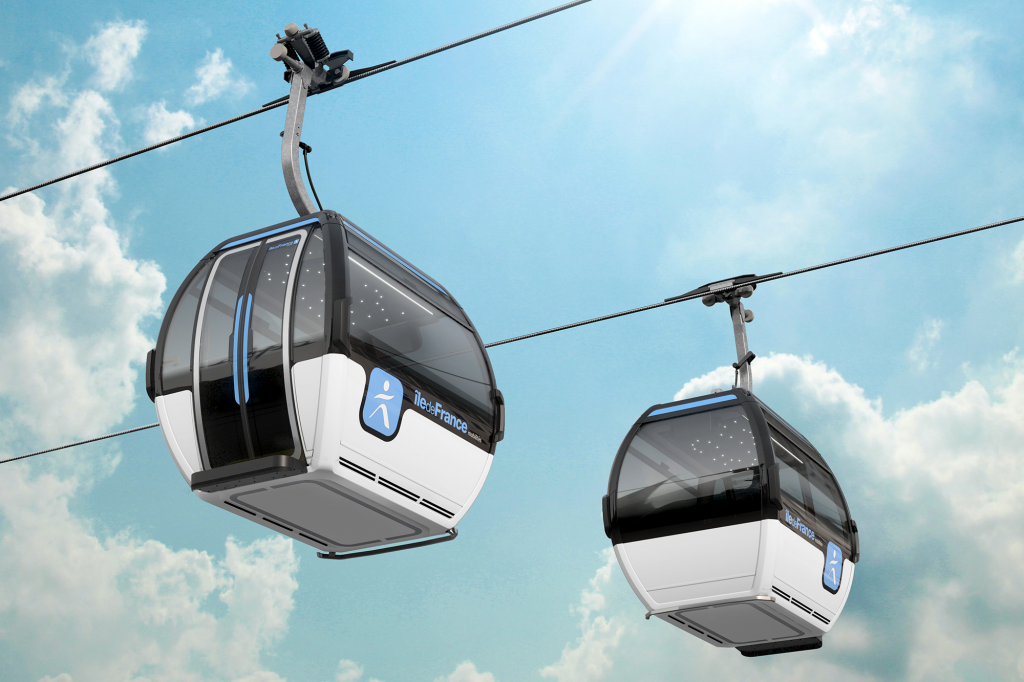
The urban cable car Paris has just made its grand debut, establishing itself as the longest cable car in Europe and a groundbreaking addition to the city’s public transport network. This innovative urban gondola lift connects the southeastern suburbs to the bustling metro system, providing a much-needed alternative for commuters navigating the chronic congestion of Île-de-France. With the cable car inauguration celebrated amidst much anticipation, it promises to enhance the daily commute for thousands, offering a scenic and efficient solution to overcrowded buses and traffic snarls. Spanning over four and a half kilometers, the cable car will enable passengers to travel swiftly to their destinations, attracting an estimated 11,000 riders each day. This project not only modernizes Paris public transport but also emphasizes the city’s commitment to sustainable urban mobility.
In a remarkable advancement for transportation in France, Paris has unveiled its very first urban gondola lift, a transformative project designed to alleviate congestion in the metropolitan area. With Paris now housing the longest cable car in Europe, this initiative showcases a forward-thinking approach to urban infrastructure. The cable car seamlessly integrates with the existing metro system, facilitating efficient travel across the Île-de-France region without the usual frustrations of urban transit. By offering a reliable and picturesque alternative for daily commuters, this aerial transport system enhances connectivity and promises a more enjoyable travel experience. Such innovative solutions in urban mobility are crucial as cities adapt to increasing populations and transportation demands.
The Launch of the Urban Cable Car in Paris
In December 2025, Paris unveiled its first urban cable car, marking a significant milestone in the city’s transportation landscape. Touted as the longest cable car in Europe, this innovative gondola lift stretches over four kilometers and connects the southeast suburbs directly to the metro system. This inauguration represents a pivotal shift in public transport in Paris, as it offers a unique solution to the persistent congestion issues faced in the Île-de-France region.
The cable car is designed to alleviate traffic strain by providing a reliable mode of transport that bypasses road congestion. With a travel time of just 18 minutes, riders can traverse the distance with ease, making it an attractive alternative to the crowded buses and complicated metro transfers. The introduction of this urban cable car will not only improve accessibility for commuters but also promote sustainable transport options in one of Europe’s busiest cities.
Benefits of the Urban Gondola Lift for Parisian Commutes
The urban gondola lift is expected to significantly improve the daily commute experience for over 11,000 passengers who rely on public transport in the greater Paris area. By offering direct connections to major metro lines, commuters can enjoy a seamless travel experience while avoiding the hassle of traffic jams common in the Île-de-France region. This innovative form of public transport will cater to a diverse range of passengers, including those with bicycles, strollers, or mobility devices, emphasizing inclusivity in urban transport.
Moreover, the urban cable car is likely to promote a shift in public transport usage within Paris. As residents become accustomed to this new mode of travel, there could be a marked reduction in reliance on cars, aligning with global sustainability efforts. Projects like this are essential in fostering an efficient public transport network that prioritizes environmental impact while enhancing the quality of life for city dwellers.
Exploring Paris Public Transport Innovations
The introduction of the urban cable car is part of a broader initiative to modernize and innovate public transport within Paris. As cities across the globe strive to adapt to increasing urban populations and congestion, Paris is at the forefront with its progressive approach. By integrating alternative forms of transport such as the urban gondola lift, local authorities are recognizing the need for multifaceted solutions to urban transit challenges.
This focus on innovative transit options aligns with global trends, where cities are exploring similar technologies to enhance mobility. By learning from the success of cable car systems in other cities, the Paris public transport framework is evolving to meet the needs of its diverse population. Such developments not only improve daily commutes but also enhance tourism by providing unique, scenic views of the city from above.
Future Prospects for Cable Cars in Urban Environments
As urban areas continue to grow and evolve, the future of cable cars as a transport solution appears promising. The successful inauguration of the longest urban cable car in Paris may inspire other cities in Europe and beyond to adopt similar projects to address their transport challenges. Cable cars offer a unique advantage: they are less intrusive than ground-level transport options, creating minimal disruption to existing urban infrastructure while maintaining efficient movement through dense areas.
The feasibility of such urban gondola lifts is bolstered by advancements in technology and design, enabling capacity increases and improved safety. With the growing emphasis on reducing carbon footprints, cities exploring cable car systems may find them to be a sustainable alternative that complements existing public transport schemes while enhancing connectivity in metropolitan regions.
The Role of the Urban Gondola Lift in Sustainable Transport
The launch of the urban gondola lift in Paris emphasizes the critical role that sustainable transport plays in modern urban planning. As cities experience rapid growth and facing climate change challenges, innovative transport solutions like cable cars provide an eco-friendly alternative to traditional vehicles. By integrating this mode of transport into the existing urban fabric, Paris demonstrates its commitment to promoting sustainable mobility and reducing its carbon footprint.
Furthermore, the urban cable car complements other modes of public transport, allowing for improved passenger flow and reduced congestion. This multilayered approach to urban mobility enhances accessibility and encourages residents to make greener travel choices. As the demand for sustainable transport options continues to rise, Paris is positioning itself as a leader in innovative public transport solutions that prioritize environmental responsibility.
Cable Car Technology: Enhancements and Innovations
The technology behind modern urban cable cars has significantly evolved, enabling innovative solutions for mass transit problems in congested cities like Paris. By utilizing lightweight materials and advanced engineering, newer cable car systems can carry larger capacities while minimizing energy consumption. Safety mechanisms and automated systems ensure reliability and efficiency, making urban gondola lifts a viable option for public transport networks.
As cities explore the integration of cable cars into their transport portfolios, the advancements in this sector promise to make them increasingly attractive. Innovations such as smart card systems for seamless ticketing, real-time tracking of cable car locations, and enhanced comfort features in cabins further enhance the passenger experience. These technological improvements ensure that cable cars are not only functional but also appealing for daily commuters.
The Impact of Urban Cable Cars on Local Economies
The establishment of the urban cable car in Paris is set to have a profound impact on local economies in addition to its transport benefits. By enhancing mobility and access to various parts of the city, the cable car can stimulate economic activity in suburban areas. Businesses located near cable car stations may experience increased foot traffic and new opportunities, leading to a burgeoning local economic landscape.
Moreover, improved transport connectivity encourages investment in underdeveloped areas, fostering urban growth and enhanced living standards. The urban gondola lift serves as a catalyst for revitalization projects that can attract residents and visitors alike. As Paris embraces modern transport solutions, the ripple effect on local economies is expected to drive growth and development in the years to come.
Integrating Urban Cable Cars into Existing Transport Networks
The successful integration of the urban cable car into Paris’s existing public transport network is crucial for its overall success. By connecting directly to metro stations, commuters can seamlessly transition between different modes of transport, thereby enhancing the efficiency of their journeys. Such interconnectedness is vital in providing a unified public transport experience that meets the needs of residents in the greater Paris area.
To achieve this integration, transport authorities must ensure that schedules align and that systems are compatible. The urban gondola lift, with its unique path through the urban landscape, adds a scenic element that can enhance the overall commuting experience. As more cities look toward integrating alternative transport options, Paris’s approach serves as a model for successful implementation.
Community Response to the Urban Cable Car
The community response to the urban cable car has largely been positive, with many residents excited about the new transport option. People appreciate the potential reduction in commuting times and the opportunity to enjoy a scenic ride over the city. However, there are also concerns regarding the initial costs associated with operating the cable car and its potential impact on local neighborhoods.
Stakeholders are actively engaging with the community to address these concerns, ensuring that the project benefits as many residents as possible. As the urban cable car becomes an integral component of Paris public transport, it’s essential to continue informing and involving the community in discussions about its future and expansion possibilities.
Frequently Asked Questions
What is the urban cable car in Paris and why is it significant?
The urban cable car in Paris is the longest gondola lift in Europe, officially inaugurated to enhance transportation in the Île-de-France region. This innovative public transport solution connects suburban areas to the Paris metro, providing an alternative route for commuters and anticipated to transport approximately 11,000 passengers daily.
How does the urban cable car improve Paris public transport?
The urban cable car enhances Paris public transport by offering a reliable and efficient alternative to congested roadways and bus routes. Spanning 4.5 kilometers, it links directly to the metro network, helping ease traffic and reduce travel times for residents in the southeastern suburbs.
When was the cable car in Paris inaugurated?
The urban cable car in Paris was officially inaugurated on December 13, 2025. This marked a significant milestone as it introduced the first cable car system in the city, catering to the millions of commuters in the Île-de-France area.
How long does it take to travel the entire length of the urban cable car?
Traveling the full length of the urban cable car takes approximately 18 minutes. This swift connection allows passengers to efficiently navigate the bustling Île-de-France transport network.
What amenities are available on the urban cable car in Paris?
The urban cable car features 105 cabins that are designed to accommodate not only passengers but also bicycles, strollers, and wheelchairs, ensuring accessibility and convenience for all riders.
How does the urban cable car address traffic issues in Paris?
By providing a dedicated transportation option that bypasses surface road congestion and overcrowded buses, the urban cable car aims to alleviate traffic issues in Paris, contributing to a smoother commuting experience for residents of the Île-de-France region.
| Key Feature | Description |
|---|---|
| Longest Urban Cable Car in Europe | Opened in Paris, facilitating urban transport in the suburbs. |
| Connection to Metro | Links the southeast suburbs of Paris to the metro system. |
| Distance | The cable car stretches over 4.5 kilometers. |
| Travel Time | Takes approximately 18 minutes to complete the journey. |
| Daily Capacity | Expected to serve 11,000 passengers each day. |
| Accessibility | Cabins accommodate bicycles, strollers, and wheelchairs. |
Summary
The urban cable car Paris is a groundbreaking initiative that provides an essential transportation link for commuters in the congested Île-de-France region. Opened as the longest urban cable car in Europe, it serves as a vital alternative to traditional transport methods, helping to alleviate issues related to traffic jams and overcrowded buses. With a capacity to transport around 11,000 passengers daily, this impressive 4.5-kilometer cable car connects key suburban areas to the metro in just 18 minutes, making it a key player in the future of urban mobility in Paris.

