
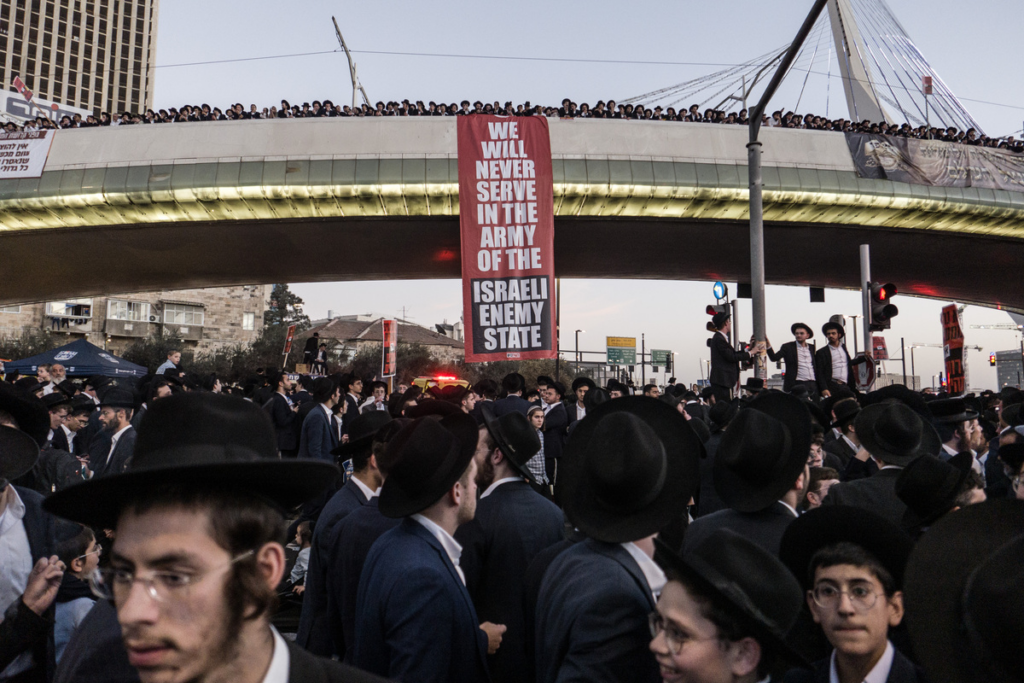
The ultra-Orthodox military service protest in Jerusalem has escalated into a significant and tragic event, highlighting the deepening rift regarding military conscription in Israel. Tensions ignited when thousands of ultra-Orthodox Jews gathered to voice their opposition to mandatory military service, a longstanding issue that has recently intensified following the expiration of their exemption. The situation turned violent, culminating in a heartbreaking incident where a protestor was struck by a bus, leading to fatalities and numerous injuries—a clear indication of the unrest that surrounds this contentious topic. This movement reflects broader societal debates in Israel over military service exemptions, with many feeling it is unjust that the ultra-Orthodox community remains largely unconscribed while others bear the burden of national defense. The protests in Jerusalem, marked by clashes and unrest, not only spotlight the struggle of ultra-Orthodox individuals but also pose a threat to the stability of Netanyahu’s coalition government as it grapples with calls for more inclusive military policies.
The ongoing conflict regarding conscription among Israel’s strictly religious population continues to attract attention and concern, prompting significant demonstrations across the nation. Ultra-Orthodox citizens have rallied against military service, disputing the recent legislative measures that impact their longstanding exemptions from conscription. Encounters between protesters and law enforcement have resulted in violent chaos, increasing pressure on the Israeli government to find a viable resolution to the situation. As these divisions deepen, the tension surrounding this issue reveals larger questions about the role of the ultra-Orthodox community in Israeli society and its approach to national service. The violent unrest in Jerusalem serves as a stark reminder of the challenges faced in reconciling traditional beliefs with modern societal obligations.
Understanding the Ultra-Orthodox Military Service Protest
The ultra-Orthodox military service protest in Jerusalem has sparked significant debate across Israel regarding military conscription policies. These protests highlight the long-standing exemptions that have allowed ultra-Orthodox Jews to avoid mandatory military service. With about 15,000 participants recently involved, the demonstrations have intensified over the past year, coinciding with the expiration of their military service exemptions. Many ultra-Orthodox individuals view conscription not only as a threat to their religious lifestyle but as an affront to their beliefs, especially given the integration of men and women in the military.
The protests resulted in violence, drawing the attention of both local residents and the international community. As reports emerge of injuries and even fatalities amidst the chaos, questions arise about the role of law enforcement and the government in managing these events. The tragic incident involving the bus driver, which left one man dead and several others injured, underscores the urgent need for dialogue and solutions regarding the military service exemptions for ultra-Orthodox Jews.
Frequently Asked Questions
What sparked the recent ultra-Orthodox military service protests in Jerusalem?
The recent ultra-Orthodox military service protests in Jerusalem were sparked by the expiration of military service exemptions for ultra-Orthodox Jews, leading to widespread unrest. Approximately 15,000 individuals participated in the protests, expressing their opposition to compulsory conscription, which many feel threatens their religious lifestyle.
What incidents occurred during the ultra-Orthodox protest against military service?
During the ultra-Orthodox protest against military service in Jerusalem, several people were hit by a bus, resulting in one reported death and multiple injuries. The incident sparked violent unrest, with protesters throwing objects and engaging in confrontations with police, highlighting tensions around Israel’s military conscription policies.
How has the Israeli government responded to ultra-Orthodox military service protests?
The Israeli government has struggled to address the ongoing ultra-Orthodox military service protests, failing to pass a new law that solidifies military service exemptions for ultra-Orthodox Jews. This lack of a resolution contributes to the unrest and dissatisfaction within the ultra-Orthodox community regarding military conscription.
What are the concerns of ultra-Orthodox Jews regarding military service?
Ultra-Orthodox Jews have significant concerns regarding military service due to the perceived threat to their devout lifestyles. Many believe that serving in the military, especially in a mixed-gender environment, conflicts with their religious values. This sentiment has fueled protests against military conscription in Israel.
How do protests against military service impact Israeli politics?
Protests against military service by ultra-Orthodox Jews manage to create significant repercussions in Israeli politics, jeopardizing Prime Minister Netanyahu’s coalition. The ongoing conflict over military conscription raises questions about justice for ultra-Orthodox community exemptions and the operational readiness of the Israeli Defense Forces.
What alternatives are being proposed for ultra-Orthodox military service exemptions?
Proposed alternatives regarding ultra-Orthodox military service exemptions include new bills aimed at regulating the exemptions. However, many in the ultra-Orthodox community feel these proposals do not adequately address their concerns or provide sufficient protections for their religious lifestyles.
Why is there violent unrest during ultra-Orthodox protests against military service?
Violent unrest during ultra-Orthodox protests against military service is primarily fueled by the tensions surrounding military conscription and the perceived infringement on religious freedoms. Instances of clashes with police, as well as aggressive demonstrations from protesters, illustrate the emotional weight of the issue in Israeli society.
What role does the media play in reporting on ultra-Orthodox military service protests?
The media plays a crucial role in reporting on ultra-Orthodox military service protests by documenting incidents of violence, police response, and the community’s grievances. Coverage of such events highlights the significance of military conscription debates in Israel and informs the public about the implications for national security and social cohesion.
| Key Point | Details |
|---|---|
| Protest Incident | A protest against military service turned violent, leading to a bus hitting participants. |
| Casualties | A young man was killed, and several others were injured during the incident. |
| Police Response | Police described the unrest as violent and deployed to control the situation. |
| Historical Context | Ultra-Orthodox men were traditionally exempt from military service, but this exemption expired last year. |
| Numbers Involved | Approximately 15,000 ultra-Orthodox individuals participated in the protest. |
| Government Challenges | The Israeli government has struggled to pass a new law for military service exemptions. |
| Public Opinion | Many view the exemption for ultra-Orthodox Jews as unjust, particularly in light of military needs. |
| Comparison to Historical Events | A speaker at the protest compared the military service requirement to the Holocaust. |
| Impact on Coalition | The military service dispute poses challenges for Netanyahu’s coalition government. |
Summary
The ultra-Orthodox military service protest highlights deep societal divisions in Israel regarding conscription. The incident in Jerusalem, where several individuals were struck by a bus, serves as a tragic illustration of escalating tensions between the ultra-Orthodox community and law enforcement. The ongoing conflict over military service exemptions and the government’s failure to address these concerns has sparked widespread unrest and raised questions about the future of Israel’s military policy and social cohesion. As protests continue, the ramifications for Israeli society remain significant, indicating a need for dialogue and resolution.

