
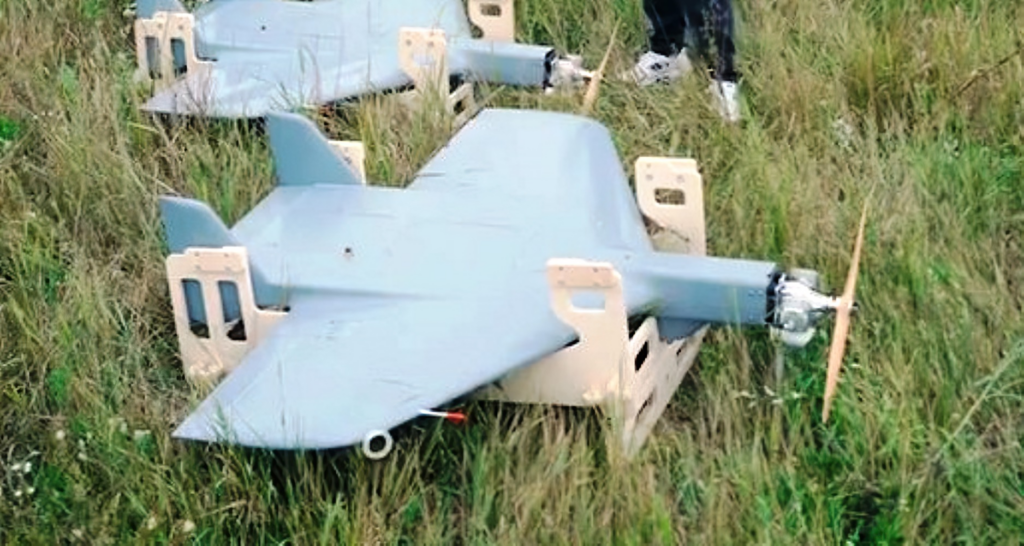
Ukrainian drones have emerged as a pivotal element in the nation’s strategy to confront and undermine Russian oil production during the ongoing conflict. Utilizing advanced drone technology, Ukraine has launched numerous airstrikes targeting key infrastructure deep within Russian territory. These innovative unmanned aerial vehicles are a testament to Ukraine’s rapidly advancing military technology, allowing for precise and impactful strikes from over a thousand kilometers away. Reports suggest that these Ukrainian airstrikes are causing significant disruptions to Russia’s oil industry, severely impacting its energy production efforts. As the defense industry continues to innovate under pressure, the role of these drones in shaping the conflict is more crucial than ever.
In recent months, the role of UAVs (unmanned aerial vehicles) has gained significant attention as Ukraine harnesses these airborne technologies for strategic military operations. The use of aerial drones represents a modern evolution in warfare, providing tactical advantages in both reconnaissance and direct assaults. This shift highlights the importance of airpower in contemporary conflicts, particularly in targeting vulnerable sectors like Russia’s energy supply chain. As the battle unfolds, these long-range flying machines are proving to be instrumental in reshaping the geopolitical landscape. The ongoing development in drone capabilities illustrates the dynamic nature of the defense sector amid escalating hostilities.
The Rise of Ukrainian Drone Technology
Ukrainian drones have rapidly become a key asset in the nation’s military strategy against Russian aggression. By incorporating advanced drone technology, Ukraine has developed an array of unmanned aerial vehicles (UAVs) capable of executing precision strikes deep within enemy territory. The FP-1 and FP-2 models, which boast a range of over 1,000 kilometers, exemplify how innovation in the defense industry is reshaping modern warfare. Not only do these drones represent a technological triumph, but they are also pivotal in disrupting supply chains, particularly in the oil sector.
As Ukraine seeks to enhance its military capabilities, the emphasis on domestic production of drones signifies a shift in the broader dynamics of the defense industry. Automated manufacturing processes enable the rapid production of these technological marvels, ensuring that Ukraine can sustain its aerial operations against Russian defense systems. The evolution of drone technology in Ukraine underlines its critical role not only as weapons of warfare but also as symbols of national resilience and determination.
Ukrainian Airstrikes: Targeting Russian Oil Production
The recent surge in Ukrainian airstrikes targeting Russian oil production facilities illustrates an aggressive strategy aimed at crippling the Russian economy. By attacking significant refineries and oil reserves, such as those in Ryazan and Krasnodar, Ukraine is effectively undermining Russia’s financial resources and ability to sustain its military operations. These targeted strikes not only disrupt oil production but also instigate widespread panic, leading to gasoline shortages within Russian territories. This tactic of eroding the enemy’s economic foundation through strategic airstrikes aligns with modern military doctrines, which emphasize precision over sheer firepower.
Video evidence of these airstrikes showcases the effectiveness of Ukrainian drone operations, revealing fires and damage at key oil facilities. While Russian authorities may downplay the impact of these air raids, the reality is that multiple strikes prompt significant operational halts, as seen with the Ryazan refinery shutting down operations. Consequently, the ongoing drone campaigns are not just military operations; they are an intricate part of a larger economic warfare strategy designed to debilitate Russia’s war-fighting capacity and deter further aggression.
The Economic Implications of Drone Warfare
The economic ramifications of the drone warfare strategy employed by Ukraine extend beyond immediate damage to oil production. As the frequency of drone strikes increases, so does the uncertainty surrounding Russia’s oil supply stability, which in turn affects global markets. Reports indicating a decrease in gasoline production and rising imports hint at a struggle within Russia’s energy sector caused by these relentless attacks. The strategic targeting of oil facilities not only diminishes the ability of the Russian government to fund its military campaigns but also amplifies the pressures on domestic consumers.
Moreover, the continuous drone assaults will likely encourage Russia to adjust its energy policies and might compel it to invest more in defensive measures to protect vital infrastructures. The emerging reality illustrates that drone technology has transcended traditional warfare, impacting economic conditions and societal stability within the adversary. As seen with the growing queues at Russian gas stations and government export bans on gasoline, the long-term effectiveness of Ukrainian drone strategies may very well hinge on their capacity to induce systemic disruptions within the Russian economy.
The Role of the Private Defense Industry in Ukraine
Ukraine’s defense industry is increasingly characterized by a shift towards privatization, with companies like Fire Point at the forefront of drone innovation. This transition to a private defense sector allows for rapid development and deployment of cutting-edge military technology, as evidenced by the emergence of long-range combat drones. However, this system also poses challenges, as allegations of corruption have surfaced, highlighting issues in procurement processes and pricing strategies. Despite these concerns, the agility and creativity of private firms are essential for maintaining Ukraine’s military readiness against Russian threats.
The relationship between the government and private defense contractors like Fire Point is a critical component of Ukraine’s response to ongoing conflict. By fostering innovation in military technology, Ukraine aims to leverage domestic capabilities to enhance its strategic posture. Nevertheless, the balance between profit, accountability, and national security is delicate, necessitating ongoing oversight and collaboration between state and private sectors to ensure that innovations are utilized effectively and ethically in the fight against aggression.
Continuous Evolution of Drone Technology
The field of drone technology is witnessing continuous advancements as both Ukraine and Russia engage in a technological arms race. Ukrainian developers are compelled to innovate rapidly to maintain a tactical advantage, leading to the integration of new features based on battlefield experiences. Each new development in drone capabilities, such as improved surveillance and targeting systems, enables the Ukrainian military to adapt and respond to evolving threats. The realization that innovations must be continuously updated to stay ahead of enemy adaptations is a driving force behind ongoing research and development in this sector.
Moreover, the dynamic nature of warfare means that advancements in drone technology are not solely the result of a single country’s efforts. Innovations may be influenced by observations and adaptations made by both sides in the conflict. As similar technologies are replicated and improved upon, the cycle of innovation pushes both nations to upgrade and rethink their military strategies. Consequently, the race for superior drone technology is not just about immediate battlefield outcomes; it also reflects a broader contest for technological supremacy in modern military doctrine.
Ukrainian Military Strategy: Beyond Drones
While drone technology has become a cornerstone of Ukraine’s military strategy, it is part of a broader tactical approach that incorporates various forms of military technology. Ukraine’s military operations also include the use of drones in combination with artillery, missile systems, and intelligence-gathering efforts, effectively creating a multi-dimensional strategy that can adapt to different battle scenarios. This integrated approach maximizes the advantages provided by drones while ensuring that they are most effectively utilized in conjunction with other military assets.
Additionally, the comprehensive strategy not only targets physical structures in Russia but also aims at diminishing morale and increasing the perceived vulnerability of Russian forces. By employing a combination of airstrikes, ground operations, and cyber warfare, Ukraine seeks to instill uncertainty and disarray in Russian military planning. Such multifaceted strategic coordination represents a paradigm shift in contemporary military engagements, demonstrating that success on the modern battlefield requires more than just technological superiority—it demands a coherent and adaptive operational framework.
Challenges Facing Ukrainian Defense Innovations
Despite the impressive advancements in drone technology, Ukrainian defense firms face several challenges that could hinder their efficacy. Financial constraints, often exacerbated by ongoing hostilities and resource limitations, impede the full development and mass deployment of sophisticated drone systems. Moreover, the ongoing conflict means that many innovations have to be tested in real-time scenarios, which can sometimes compromise the safety and effectiveness of these technologies. Therefore, evolving and improving defenses becomes a continual necessity as threats from Russian forces adapt and change.
Furthermore, the risk of espionage and countermeasures poses significant obstacles to Ukrainian military innovations. As both sides continually seek to gather intelligence on each other’s drone capabilities, the potential for technology theft or information leaks increases. This not only complicates the development process but can also lead to direct repercussions on the battlefield if counter-drone measures successfully neutralize Ukrainian tactics. Hence, achieving sustained advantages in drone warfare necessitates not only advancements in technology but also robust protection and operational security measures.
Global Repercussions of Ukraine’s Drone Use
The ongoing utilization of Ukrainian drones against Russian targets has broader implications that extend far beyond the immediate conflict. Internationally, the effectiveness of drone warfare has drawn considerable attention from military strategists and defense sectors worldwide. Countries are closely monitoring the successes and failures of drone attacks, which may inspire shifts in their own military policies and strategies surrounding the use of unmanned systems in combat. This interest could potentially accelerate the global arms race in drone technology as nations seek to bolster their own capabilities.
Moreover, the humanitarian aspects of drone warfare are increasingly becoming a topic of global discourse. The impacts of such airstrikes raise critical questions regarding international warfare norms and accountability. As drone technology continues to evolve and proliferate, international bodies may be called upon to establish frameworks regulating their use in conflicts. Thus, Ukraine’s pioneering spirit in drone warfare not only reshapes its own defense strategy but also contributes to the global understanding and governance of military technology in contemporary warfare.
Conclusion: The Future of Drone Warfare
As the conflict in Ukraine continues to evolve, the role of drone warfare is set to become increasingly vital in shaping military outcomes. With both Ukraine and Russia investing heavily in developing advanced drone capabilities, the landscape of modern warfare is likely to witness significant transformations. The successful integration of drones into broader tactical frameworks highlights their growing importance as force multipliers capable of influencing the tide of battle.
Looking ahead, the future of drone warfare will also depend on ethical considerations, technological advancements, and the international community’s response to such strategies. Innovations will need to be balanced with accountability, raising essential questions about the laws of warfare in the age of technology. Ultimately, the developments fostered by the conflict in Ukraine could set precedents for how drones are utilized in future military engagements, reshaping not just national security but also global defense policies.
Frequently Asked Questions
What role do Ukrainian drones play in disrupting Russian oil production?
Ukrainian drones have become a pivotal element in targeting Russian oil production facilities through strategic airstrikes. These drones are capable of long-range missions, allowing Ukraine to attack deep within Russian territory, resulting in damage to refineries and oil depots, thereby affecting Russia’s overall oil output.
How is drone technology being advanced by Ukrainian defense companies?
Ukrainian defense companies are advancing drone technology by developing long-range drones like the FP-1 and FP-2, which utilize automated production methods to enhance efficiency. This innovation allows for the rapid production of drones that are essential for Ukraine’s military capabilities, particularly in countering Russian air power.
What impact have Ukrainian airstrikes had on Russia’s gasoline production?
Ukrainian airstrikes have led to significant disruptions in Russia’s gasoline production, with estimates suggesting a nearly ten percent decline in output due to targeted attacks on infrastructure. This has contributed to reported gasoline shortages within Russia, reflecting the impact of Ukrainian drone operations on the Russian economy.
How does the development of military technology influence the Ukrainian defense industry?
The continuous development of military technology, especially in drones and missiles, is vital for the Ukrainian defense industry’s progression. Companies like Fire Point are at the forefront of creating innovative weaponry that enhances Ukraine’s military strategy against Russia, ensuring that they remain competitive in ongoing conflicts.
What is the significance of Ukraine’s use of drones in military operations?
The use of drones in Ukraine’s military operations signifies a modern approach to warfare, enabling precision strikes on strategic targets such as Russian oil facilities. This capability not only disrupts enemy logistics but also diminishes the operational effectiveness of Russian military resources.
In what ways are Ukrainian drones affecting the global perception of military technology?
Ukrainian drones are reshaping global perceptions of military technology by demonstrating how advanced unmanned vehicles can effectively challenge larger military powers. Their successful deployment in airstrikes showcases the effectiveness of modern warfare tactics in using drone technology to influence conflict outcomes.
How do automation and innovation play a role in drone production in Ukraine?
Automation and innovation are crucial in the production of Ukrainian drones, allowing for rapid manufacturing of advanced combat systems. This efficiency enables Ukraine to scale up its drone capabilities quickly, ensuring that they can meet the demands of ongoing military engagements against Russia.
What future developments can be expected in Ukrainian drone technology?
Future developments in Ukrainian drone technology are expected to focus on enhancing range, payload capacity, and automation. Continuous testing and adaptation based on battlefield experiences will drive innovations that keep Ukrainian drones effective against evolving military threats from Russia.
| Key Point | Details |
|---|---|
| Automated Drone Production | Ukraine is developing drones such as the FP-1 and FP-2, which have a range of over 1,000 km, using automated processes in protected underground facilities. |
| Daily Strikes on Russian Targets | Ukraine conducts near-daily drone strikes, targeting refineries and oil facilities in Russia, including significant damage confirmed by video evidence. |
| Impact on Russian Economy | While the overall decline in oil processing in Russia is modest, more significant impacts are reported, including a near 10% decrease in gasoline production attributed to Ukrainian attacks. |
| Civilian Impact and Prices | Video evidence suggests gasoline shortages in Russia, leading to an export ban on gasoline extended until February 2026. |
| Indigenous Rocket Development | Ukraine is also advancing in rocketry with the introduction of the ‘Sapsan’ ballistic missile and the ‘Flamingo’ cruise missile, aimed at increasing their combat capabilities. |
| Private Defense Industry | The Ukrainian defense industry is largely private, with companies like Fire Point under scrutiny for pricing and subsidy issues. |
| Ongoing Developments | Daily innovations are being implemented into drone technology, though rapid adaptation by opponents challenges sustained advantages. |
Summary
Ukrainian drones are playing a pivotal role in the ongoing conflict by significantly disrupting Russian oil production. These high-tech UAVs have allowed Ukraine to systematically target key infrastructure within Russia, demonstrating both innovation in defense technology and a strategic approach to warfare. As Ukraine continues to enhance its drone capabilities, the implications for Russian energy reserves and the broader military landscape are profound, indicating a shift in the dynamics of power in the region.