
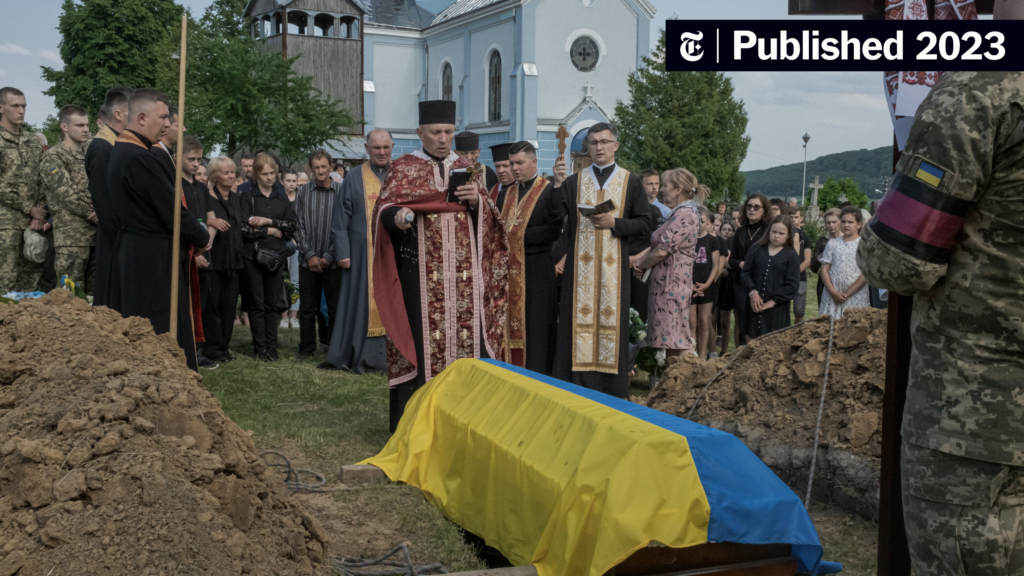
The Ukraine War has become a focal point in global politics, revealing the complexities of international relations, particularly under the Trump administration. As tensions escalated, the United States engaged in talks with Russia, often sidelining Ukrainian interests. This scenario highlights the challenge of effective diplomacy, as figures like Vladimir Putin play pivotal roles in shaping the outcome of these negotiations. The Trump administration’s foreign policy decisions have led to a perception of Europe as merely a pawn rather than a partner in peace efforts. Consequently, the ongoing conflict demands attention as it raises questions about sovereignty, national identity, and the future of democracy in the region.
The conflict in Ukraine, often referred to as the Russo-Ukrainian conflict, showcases the intricate web of geopolitical relationships and the disruptive influence of foreign powers. As negotiations unfold between leading nations such as the United States and Russia, the aspirations of Ukrainian leaders like Volodymyr Zelenskyy for sovereignty and peace remain critical. The events surrounding this war encapsulate the broader tensions in Eastern Europe while casting a significant spotlight on previous administrations’ foreign policy frameworks. Additionally, the engagements initiated by American representatives in Moscow denote a shift in focus that raises concerns about the neglect of regional interests. Understanding this intricate situation requires a deep dive into the motives driving international diplomacy and the implications for the stability of Ukraine and its neighbors.
The Consequences of the Ukraine War on European Stability
The Ukraine War has far-reaching implications not just for Ukraine but for European stability as a whole. As Russian aggression continues, it threatens the security of neighboring countries and raises concerns about potential spillover conflicts. For Europe, the stakes are especially high; maintaining stability in this region is critical not only to uphold the sovereignty of nations like Ukraine but to prevent a domino effect that could lead to widespread chaos on the continent.
In light of the conflict, European nations are grappling with the need for a unified response to Russian actions. This involves not only military considerations but also economic strategies to support Ukraine while bolstering European defenses. As the Trump administration has often prioritized American interests over those of its European allies, the lack of coordinated policy responses could lead to further divisions within Europe and weaken the collective stance against Russian expansionism.
The Trump Administration’s Approach to Ukraine and Europe
The Trump administration’s foreign policy has been characterized by a transactional approach, particularly regarding the Ukraine War. Negotiations with Vladimir Putin have frequently sidelined the interests of Ukrainians and their European partners. Many critics argue that this has led to a perceived disregard for the European geopolitical landscape, further complicating the relationship between the US and its allies.
Under Trump’s leadership, there has been a notable shift in how American interests are prioritized in US-Russia negotiations, often at the expense of Ukrainian sovereignty. This approach has sparked debate among policymakers regarding the need for a more integrated and supportive strategy that recognizes the importance of Ukrainian interests in stabilizing Eastern Europe. As Europe continues to feel the pressure from the ongoing conflict, the Trump administration’s actions have raised significant questions about the future of transatlantic relations.
Impact of US-Russia Negotiations on Ukrainian Interests
US-Russia negotiations hold substantial implications for Ukrainian interests, especially during the ongoing conflict. As the Trump administration and Putin’s regime engage in discussions, Ukrainian voices are often drowned out, leading to decisions that may not reflect the needs or desires of the Ukrainian people. This disregard creates a dangerous precedent where Ukraine’s fate is determined by external powers rather than its own government.
Moreover, these negotiations can have a significant impact on the legitimacy of Ukraine’s claims to sovereignty and territorial integrity. When discussions occur without the active participation of Ukrainian representatives, it risks undermining their political standing and complicates efforts for a peaceful resolution. A more inclusive approach in the negotiations would not only bolster Ukrainian interests but also reinforce the commitment of the US and Europe to uphold international law and order.
Trump’s Foreign Policy: A Shift in European Dynamics
The foreign policy of the Trump administration represents a significant shift in how the United States engages with Europe, especially concerning issues like the Ukraine War. Traditionally, the US has played a leading role in European security matters; however, under Trump, there has been a reevaluation of what that engagement looks like. This has led to uncertainties among European leaders about America’s commitment to its allies and the broader geopolitical landscape.
With Trump’s presidency, European nations have been left to navigate their own responses to Russian aggression, often feeling abandoned and vulnerable. This shift also complicates relationships within NATO and affects joint military strategies, as European countries seek to bolster their capacity to respond independently. Such dynamics raise critical questions about collective defense and solidarity in the face of external threats.
Europe’s Strategic Response to Russian Aggression
Europe has been challenged to formulate a strategic response to Russian aggression in the wake of the Ukraine War. Countries within the EU are increasingly aware that their stability is interconnected with the outcomes of this conflict. Thus, European leaders are pushing for cohesive policies that not only support Ukraine militarily but also strengthen the region’s defenses against potential threats.
Part of this strategic response includes enhancing military cooperation among EU states, improving energy security to reduce dependence on Russian supplies, and actively engaging in diplomatic efforts to resolve the conflict. The need for a unified European response is essential, especially as the Trump administration focuses on its national interests, leading EU nations to reevaluate their positions and alliances in the face of Russian expansionism.
The Role of NATO in the Ukraine Conflict
NATO plays a crucial role in the Ukraine conflict, providing support not just to Ukraine but also to Eastern European allies who feel increasingly threatened by Russian aggression. In the absence of strong US leadership under the Trump administration, NATO’s commitment has been called into question, raising concerns about collective security in Europe. The transatlantic alliance faces challenges in presenting a unified response, as members navigate their own national interests while supporting Ukraine.
As tensions escalate, NATO’s strategic posture must evolve to address the realities on the ground. This includes increasing military deployments in Eastern Europe and conducting joint exercises to reassure member states. Furthermore, NATO’s continued support for Ukraine through training and intelligence sharing is imperative to bolster its defenses against Russian advances. Ultimately, the effectiveness of NATO during this conflict may significantly impact its future role in European security.
The Importance of Continued US Engagement in Europe
Continued US engagement in Europe is paramount, especially in light of challenges posed by the Ukraine War. The Trump administration’s focus on isolationism and national interests has raised concerns among European allies about their security. A robust US presence and commitment to European stability not only support Ukraine but also reinforce NATO’s collective defense initiatives, deterring further Russian aggression.
Beyond military support, US engagement is crucial for diplomatic efforts aimed at achieving a peaceful resolution to the Ukraine War. American leadership can help unify European efforts and bring about a coordinated response to support Ukrainian sovereignty. The future of transatlantic relations hinges on recognizing the interconnected nature of security and diplomacy in confronting shared challenges.
Public Opinion on Trump’s Foreign Policy and its Impacts
Public opinion on the Trump administration’s foreign policy, particularly concerning the Ukraine War, reflects a range of perspectives that highlight deep divisions within the US and among its European allies. Many citizens express concern about the administration’s unilateral approach to foreign relations and its implications for NATO and European security. The perception of America as an unreliable partner could have lasting effects on international alliances.
Moreover, as citizens analyze the administration’s negotiations with Russia, there is a growing awareness of how these decisions impact not only American interests but also those of allies like Ukraine. Increased scrutiny of foreign policy decisions may prompt a reevaluation of the importance of collaborative approaches in addressing complex geopolitical challenges, fostering a stronger commitment to supporting allies in their time of need.
Reflections on Trump’s Legacy in Foreign Relations
Trump’s legacy in foreign relations is multifaceted, particularly with respect to European dynamics and the Ukraine War. His administration has been characterized by a stark departure from traditional diplomatic norms, which many argue has weakened alliances essential to countering threats like Russian aggression. This legacy raises critical questions about the long-term implications for US credibility and influence in global affairs.
As historians and policymakers reflect on Trump’s impact, they will likely consider how his foreign policy decisions altered the course of American engagement in Europe and its relationships with Eastern European nations. The outcomes of the Ukraine War will serve as a significant case study in assessing the effectiveness of his administration’s approach and its consequences for the future of US foreign policy.
Frequently Asked Questions
How did the Trump administration’s policies affect the Ukraine War?
The Trump administration’s foreign policy significantly impacted the Ukraine War by prioritizing U.S. interests over those of Ukraine and its European allies. During negotiations, the focus was often on U.S.-Russia relations, which overlooked Ukrainian interests, creating tension and complicating efforts to resolve the conflict.
What role did Vladimir Putin play in the Ukraine War under the Trump administration?
Vladimir Putin played a pivotal role in the Ukraine War as Russia’s actions were central to the conflict. Under the Trump administration, U.S.-Russia negotiations often sidelined Ukraine, allowing Putin to assert Russian influence without substantial pushback from the U.S., which raised concerns among European nations.
How did US-Russia negotiations during the Trump administration impact Europe?
US-Russia negotiations during the Trump administration had a profound impact on Europe by diminishing its influence in the Ukraine War. The lack of a cohesive response from the U.S. allowed Russia to advance its agenda while European interests were frequently ignored, creating a sense of vulnerability among European nations.
What are the Ukrainian interests that are often neglected in talks involving the Trump administration?
Ukrainian interests, such as territorial integrity and sovereignty, were often neglected during talks involving the Trump administration. Decisions made in U.S.-Russia negotiations frequently did not reflect the needs and concerns of Ukraine, leading to further instability in the region.
What was Donald Trump’s foreign policy approach towards the Ukraine War?
Donald Trump’s foreign policy approach towards the Ukraine War was characterized by a focus on transactional relationships and often sidelining Ukraine’s needs in favor of U.S.-Russia relations. This approach aimed at fostering better ties with Putin but raised questions about support for Ukraine in its fight against aggression.
Did the Trump administration’s actions lead to a shift in public perception of the Ukraine War?
Yes, the Trump administration’s actions and its dismissive attitude toward Europe changed public perception of the Ukraine War. Many viewed the administration’s lack of strong support for Ukraine as a betrayal, conflating U.S. negotiations with a compromise of Ukrainian sovereignty.
| Key Point | Details |
|---|---|
| Trump Administration’s Attitude | The Trump administration exhibits contempt for European interests and prioritizes its own agenda. |
| Negotiations Excluding key Players | Negotiations between the USA and Russia often occur without Ukrainian or European involvement. |
| Europe’s Leverage | Europe remains the last leverage against American plans for the region. |
Summary
The Ukraine War highlights the complexities surrounding geopolitics, particularly with the involvement of the Trump administration. Their apparent disregard for European concerns illustrates a significant shift in American foreign policy, where negotiations with Russia often occur at the expense of Ukraine’s sovereignty and the broader European framework. Ultimately, the situation calls for a more integrated approach that considers the voices and interests of all affected parties.

