
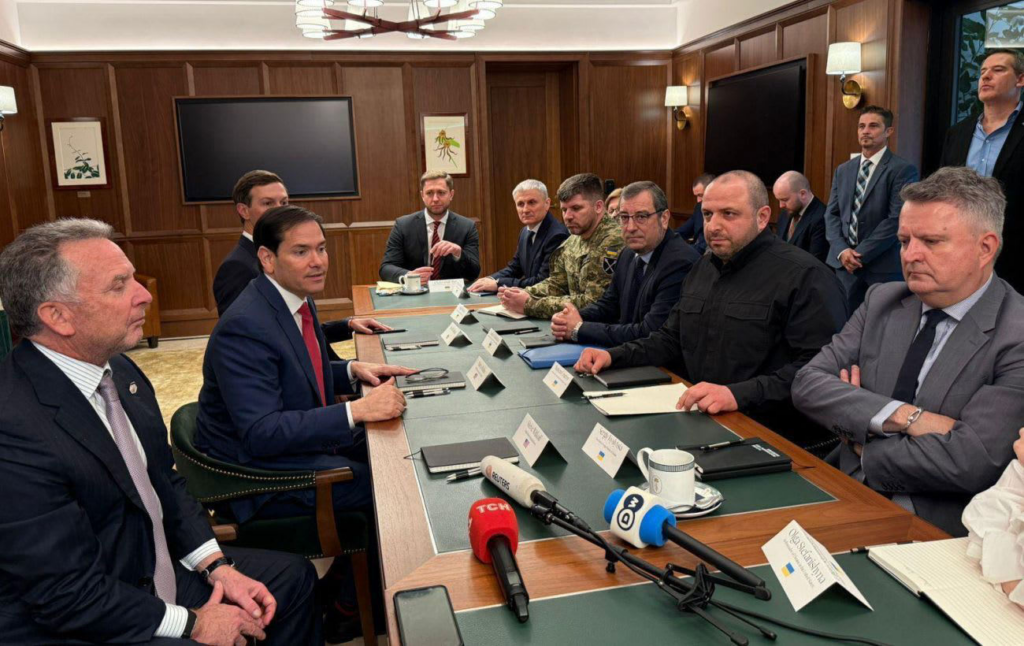
The Ukraine talks in Miami have emerged as a pivotal forum for diplomatic engagement aimed at resolving the ongoing conflict between Russia and Ukraine. U.S. Special Envoy Witkoff and Ukrainian President Zelensky have both highlighted the constructive nature of these negotiations, which involve key stakeholders from the U.S. and Europe. Despite positive sentiments expressed by Russian negotiator Kirill Dmitriev, details on any concrete outcomes remain undisclosed. As discussions continue, the importance of Ukraine peace talks is underscored by the need for security guarantees and reconstruction plans. With tensions still high, the Miami conference on Ukraine signifies a vital step towards potential resolutions in the Russian-Ukrainian dialogue.
In Miami, representatives from various nations gathered to navigate the complex landscape surrounding the Ukrainian conflict. This significant diplomatic meeting includes negotiations aimed at achieving a peaceful resolution and seeks to address the lasting consequences of the war. The involvement of U.S. and European officials indicates a strategic alliance focused on stability in Eastern Europe. As dialogue unfolds, the emphasis on constructive peace discussions becomes critical amidst a backdrop of persistent hostilities. The international community watches closely, as the outcomes of these talks could alter the geopolitical dynamics in the region.
Positive Developments in Ukraine Talks in Miami
The Ukraine talks in Miami have been heralded as significant by both U.S. Special Envoy Steve Witkoff and Ukrainian President Volodymyr Zelensky. The atmosphere during the discussions has been described as constructive, highlighting the evolving nature of U.S. and Ukraine negotiations aimed at achieving a lasting peace. Speculations suggest that this Miami conference on Ukraine aligns with a broader strategy to streamline the process of establishing security guarantees and facilitating reconstruction efforts, which are critical to resuming stability in the region.
U.S. envoy Witkoff emphasized the productive nature of these discussions, where representatives from various stakeholders—including Ukraine, Europe, and the U.S.—collaborated closely. The sentiments shared by Russian negotiator Kirill Dmitriev, which echoed the positive atmosphere, indicate a hopeful opening for constructive peace discussions. Despite the absence of detailed results, there are indications that collaborative efforts may lead to substantial advancements in achieving a negotiated resolution to the ongoing conflict.
Negotiating a Sustainable Peace: Key Challenges Ahead
Despite the constructive tone reported from the Miami talks, Ukrainian President Zelensky has expressed concerns regarding the lack of genuine commitment from Russia to conclude the war. He pointedly noted the increasing aggression from Russian forces, particularly in the southern region of Ukraine, which casts a shadow on the positive discussions. Zelensky’s assertion that pressure must be increased on Moscow to encourage a true cessation of hostilities highlights the complexities of achieving a sustainable peace amid ongoing hostilities.
The negotiation landscape is fraught with challenges, as the ongoing Russian attacks present a significant hurdle to any potential resolution. While both sides acknowledge the importance of continued dialogue, the need for tangible signals from Russia regarding their willingness to end the aggression is paramount. The Miami discussions, with their focus on mapping out concrete steps and timelines, signal an important phase in the Russian-Ukrainian dialogue, yet the path to peace remains perilous and reliant on sustained international pressure and a reassessment of commitments from all involved parties.
International Collaboration for Peace in Ukraine
The role of international collaboration was evident at the Miami conference, where negotiators from the U.S., Russia, Ukraine, and European nations united to address the pressing issues arising from the Ukraine conflict. This multifaceted approach underscores the complexity of the situation, requiring a concerted effort from various actors to foster understanding and encourage dialogue. Günter Sautter, the foreign policy advisor to the German Chancellor, attended the talks to contribute to the collaborative atmosphere, emphasizing the significance of a unified response to the crisis.
Such international involvement is crucial, especially as discussions turned to the output of recent engagements held in Berlin. The willingness of negotiators from varying nations to engage with one another in Miami reflects a shared commitment to navigating through the complexities of the Ukrainian conflict. Building strong diplomatic ties, as demonstrated in the Miami talks, serves as a vital step in fostering lasting peace and recovery for Ukraine, ensuring that the voices of all parties are heard and considered.
Future Outlook: Coordinated Efforts for Ukraine’s Stability
Moving forward, the outcomes of the Ukraine talks in Miami will greatly influence the strategic direction of future peace negotiations. The ongoing collaboration among the U.S., Ukraine, and their European allies is essential for maintaining pressure on Russia while simultaneously creating a favorable environment for a comprehensive peace framework. As discussions progress, attention should be directed toward the consolidation of a timeline and actionable objectives that can lead to a potential resolution.
Zelensky’s proactive stance during these discussions emphasizes the necessity for a dedicated effort to secure meaningful agreements on key issues such as security guarantees and reconstruction initiatives. The need for sustained dialogue and partnership through platforms like the Miami talks will be vital in shaping a stable future for Ukraine, as it navigates through the intricacies of post-war recovery and the re-establishment of its sovereignty.
Russia’s Role in the Peace Dialogue
Russia’s participation in the talks in Miami highlights a critical aspect of the ongoing dialogue regarding the future of Ukraine. Despite claims of a constructive approach by negotiators, the apprehensions voiced by Zelensky about Russia’s commitment to peace remain a point of contention. Moscow’s initial strategy included expectations of receiving details on a revised 28-point peace proposal, which denotes their engagement level in these discussions and their hope for progress.
However, skepticism about Russia’s intentions has been a persistent theme as officials in Kyiv express doubts about Moscow’s willingness to truly engage in constructive peace discussions. Therefore, navigating this complex relationship will be crucial for all stakeholders as they work towards an outcome that not only addresses immediate concerns but also ensures long-term stability in the region.
The Impact of Ongoing Conflicts on Negotiations
As the Ukraine talks in Miami unfolded, the backdrop of continuing hostilities significantly impacted the overall tone and direction of the discussions. Russian military actions in Ukraine, particularly in strategic areas like Odessa, continue to strain relations and pose challenges to negotiating peace. Increased aggressiveness from Russian forces may hinder the momentum gained through diplomatic dialogue, underscoring the urgent need for a coordinated international response.
The ongoing conflict acts as a poignant reminder that while constructive dialogue is taking place, the realities of war still loom large. This situation necessitates a balanced approach that addresses the urgent humanitarian and strategic needs of Ukraine while maintaining pressure on Russia to adhere to peacemaking efforts. Achieving a breakthrough in negotiations will require sustained efforts to simultaneously manage the ongoing military threats and foster a climate conducive to genuine dialogue.
Reconstructing Ukraine: A Key Negotiation Focus
Amid the discussions in Miami, the issue of reconstruction emerged as a vital element in the negotiations. Ukrainian President Zelensky highlighted the necessity of drafting documents that address not only the cessation of violence but also the conditions for rebuilding the war-torn nation. This calls for thorough discussions among the U.S., Ukraine, and European partners to devise a comprehensive strategy that encompasses economic, social, and infrastructural recovery plans.
The focus on reconstruction is not merely about physical rebuilding but also about restoring confidence among the affected populace and reinstating normalcy in their lives. Engaging in meaningful discussions around security guarantees will also play a crucial role in ensuring a stable environment conducive to reconstruction efforts. As such, how these negotiations unfold will shape the trajectories of recovery and development in Ukraine in the coming years.
The Need for Timely Decisions in Peace Talks
Timing is a crucial aspect in the negotiations regarding Ukraine’s future, and discussions held in Miami sought to address a clear timeline for decision-making processes. President Zelensky’s expectation of a report from his negotiation team underscores the urgency felt amongst various stakeholders regarding reaching a resolution. The ongoing uncertainty has brought to light how essential it is for nations involved to establish timely frameworks that can lead to actionable outcomes.
Set timelines can help maintain momentum in peace talks, ensuring that all negotiators remain accountable and focused on achieving tangible results. The collaborative nature of the discussions in Miami was a testament to the importance of synchronized efforts among all parties engaged in the negotiations, allowing for a structured approach to resolving key issues inherent to the conflict.
Post-Miami Conference: Next Steps for Diplomacy
As the dust settles after the extensive discussions in Miami, the focus now shifts to the subsequent steps required to maintain the diplomatic momentum. Ensuring that all parties are well-informed of the outcomes and commitments made during the talks is essential to foster trust and continued dialogue. The consensus achieved around constructive collaboration can serve as a foundation for future interactions and exploratory discussions towards lasting peace.
For future diplomatic engagements to be successful, it is critical that negotiators remain committed to transparency and openly share information regarding their positions and expectations. Monitoring the results of these talks and adapting strategies will be vital in fostering an environment that is conducive to further dialogue, ultimately paving the way for a collaborative effort towards ending the conflict and supporting Ukraine’s transition to stability.
Frequently Asked Questions
What was discussed during the Ukraine talks in Miami?
The Ukraine talks in Miami focused on constructive discussions about ending the war, security guarantees for Ukraine, and the reconstruction process post-conflict. U.S. Special Envoy Witkoff and Ukrainian President Zelensky emphasized the detailed examination of key documents to reach a peace solution.
Who attended the Ukraine peace talks in Miami?
The Ukraine peace talks in Miami included delegations from the U.S., Ukraine, Russia, and various European countries. Notable attendees were U.S. Special Envoy Steve Witkoff, Ukrainian President Volodymyr Zelensky, and Russian negotiator Kirill Dmitriev.
What did Ukrainian President Zelensky say about the Miami conference on Ukraine?
Ukrainian President Zelensky described the Miami conference on Ukraine as productive, highlighting ongoing work on documents for ending the war and emphasizing the importance of detailed discussions with U.S. representatives regarding security guarantees.
How effective are the U.S. and Ukraine negotiations in Miami?
The U.S. and Ukraine negotiations in Miami are regarded as effective, with reports indicating that discussions were productive and constructive. Both U.S. Envoy Witkoff and Ukrainian President Zelensky expressed satisfaction with the talks, although no concrete progress has been disclosed.
What challenges were highlighted during the Russian-Ukrainian dialogue in Miami?
During the Russian-Ukrainian dialogue in Miami, concerns were raised about the increasing Russian attacks on Ukrainian regions, particularly in Odessa. President Zelensky criticized Russia for showing no willingness to conclude the war, reinforcing the need for increased pressure on Moscow.
Is there any hope for progress from the Miami talks regarding peace?
While the talks in Miami were described as constructive, there are currently no specific outcomes or agreements reported. Both sides are continuing discussions, focused on a timeline for future decisions and peace proposals.
What role did international representatives play in the Ukraine talks in Miami?
International representatives played a crucial role in the Ukraine talks in Miami, engaging in discussions alongside U.S. and Ukrainian officials. Delegations included European representatives, highlighting a united effort towards a peaceful resolution to the conflict.
Why are the Ukraine peace talks significant?
The Ukraine peace talks in Miami are significant as they represent ongoing efforts to negotiate an end to the current conflict, address security concerns, and facilitate reconstruction in Ukraine, showcasing international collaboration to resolve the crisis.
| Key Point | Details |
|---|---|
| Constructive Talks | U.S. Special Envoy Witkoff and Ukrainian President Zelensky described the negotiations as productive. |
| Russian Expresses Positivity | Russian negotiator Dmitriev showed a positive attitude towards the discussions, reflecting goodwill. |
| No Concrete Progress | Despite positive statements, details regarding specific outcomes or agreements have not been disclosed. |
| Collaboration on Key Issues | Discussions included documents related to peace, security guarantees, and reconstruction efforts. |
| Zelensky’s Remarks | Zelensky accused Russia of not showing willingness to end aggression and urged for increased pressure. |
| Delegations Involved | Negotiators from the U.S., Russia, Ukraine, and European nations participated in the talks. |
Summary
The Ukraine talks in Miami have marked a significant moment in efforts to pursue peace solutions regarding the ongoing conflict. While acknowledging the constructive nature of the discussions led by U.S. diplomats and negotiations from other nations, the absence of tangible results emphasizes the complexities of reaching a comprehensive agreement. Ukrainian President Zelensky’s statements reflect a cautious optimism, though the escalating Russian aggression demonstrates the need for continued pressure on Moscow to find resolutions. As the situation develops, the focus on collaboration among all parties involved remains crucial for future talks.

