
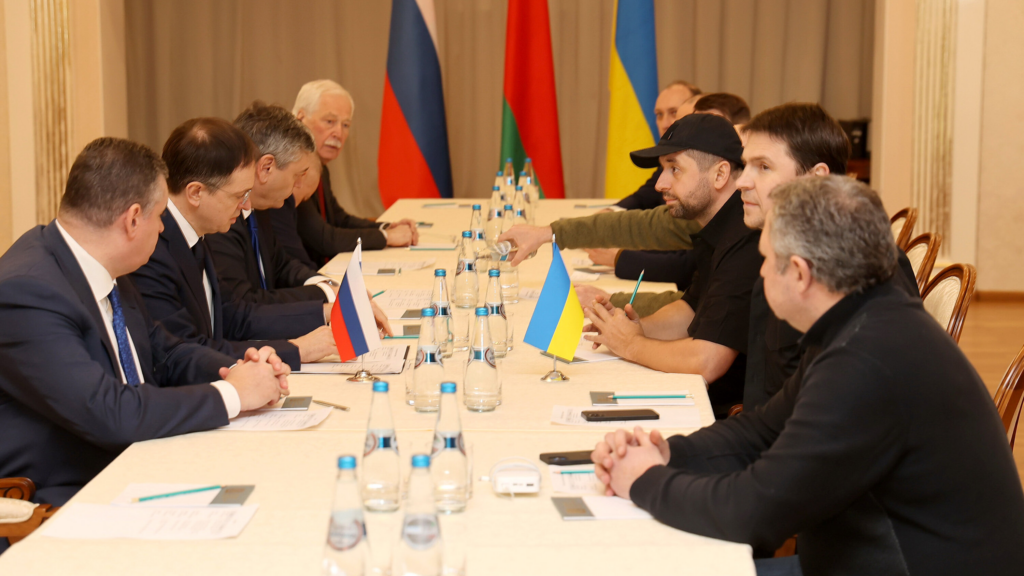
The ongoing Ukraine-Russia negotiations represent a critical juncture in efforts to restore peace and stability in the region. With a renewed push for ceasefire talks orchestrated by the United States, Ukrainian President Volodymyr Zelensky has underscored the importance of direct dialogue to potentially resolve the conflict. The proposed trilateral meeting involving national security advisors from the U.S., Ukraine, and Russia aims to facilitate discussions on crucial issues like prisoner exchanges and broader peace processes. U.S. involvement in Ukraine is pivotal, as it seeks to bring representatives of both nations to the table, fostering an environment conducive to diplomatic resolution. As the tensions escalate with continued Russian airstrikes, the urgency of these negotiations cannot be overstated, making it clearer than ever that only through collaboration can lasting peace be achieved.
The peace talks between Ukraine and Russia are gaining international attention, particularly as President Zelensky advocates for a new approach to diplomatic discussions. The suggested trilateral forum, which includes key players from the U.S., Ukraine, and Russia, may open avenues for negotiating a ceasefire and addressing significant humanitarian concerns. Amidst the backdrop of ongoing military actions, including recent attacks on Ukrainian territory, the importance of dialogue is paramount for a successful resolution. With the potential for U.S. representatives to play a mediating role, the stakes are high for all parties involved. As negotiations unfold, the hope for an effective peace process in Ukraine remains a global priority.
The Impact of US Involvement in Ukraine Negotiations
The participation of the United States in the negotiations between Ukraine and Russia marks a significant shift in the geopolitical landscape of the region. Historically, US involvement has played a crucial role in shaping the course of conflicts, and the current negotiations aim to establish a framework that could potentially lead to a peaceful resolution to the ongoing war. With both US special envoys and Ukrainian negotiators present at the discussions in Miami, the hope is that a structured format for dialogue will foster a more effective peace process Ukraine desperately needs.
Moreover, as US Secretary of State Marco Rubio pointed out, the United States cannot impose a peace agreement upon Ukraine, but their involvement serves as a catalyst for meaningful dialogue. This trilateral meeting format, which includes representatives from Ukraine, Russia, and the United States, could pave the way for a comprehensive ceasefire talks that transcends previous rounds of negotiations. The inclusion of allied European nations further reinforces the international support for Ukraine and signals a collective effort to stabilize the region.
Exploring Ukraine-Russia Ceasefire Talks
Ceasefire talks between Ukraine and Russia represent a critical juncture in the ongoing conflict, as both nations seek a path towards peace amid escalating tensions. President Zelensky’s comments about the new proposal suggest that this format might provide the structure necessary for both sides to engage in productive dialogue. The emphasis on addressing humanitarian issues, such as prisoner exchanges, reflects a need for immediate relief, which may help build trust and goodwill between the negotiating parties.
Despite the positive engagement from both sides, including the readiness of Russian advisors like Kirill Dmitriev to participate, the uncertain nature of these negotiations highlights the complexities inherent in conflict resolution. Each round of talks, whether in Istanbul or Miami, has yielded a mix of outcomes, from prisoner exchanges to stalled discussions. As the international community scrutinizes these negotiations, the hope remains that sustained dialogue will eventually lead to a durable ceasefire and a long-term solution.
Potential Outcomes of the Trilateral Meeting
The trilateral meeting proposed by President Zelensky signifies a landmark initiative aimed at resolving issues that have long lingered in the Ukraine-Russia conflict. By including high-level national security advisors from each country, this meeting could potentially address critical areas such as territorial disputes and humanitarian concerns. Discussions around the exchange of prisoners of war represent just one facet of a larger dialogue necessary to facilitate any meaningful progress towards peace.
Moreover, the outcomes of such a meeting could be transformative for the future of Ukraine-Russia relations. If diplomatic resolutions are achieved, it could set a precedent for further negotiations and engagements at higher governmental levels. The attentive participation of US representatives within this context also reaffirms the country’s strategic interest in the region, potentially placing pressure on both parties to arrive at a consensus that favors long-term stability.
Challenges Ahead in the Peace Process Ukraine
Despite the initiatives taken in the recent negotiations, significant challenges still loom over the peace process in Ukraine. The persistence of Russian airstrikes, such as the recent attacks on Odessa, starkly counteracts the efforts aimed at fostering a dialogue. These continued hostilities not only undermine trust in the negotiation process but also exacerbate the humanitarian crisis in the region, making it increasingly difficult for both sides to arrive at any agreements.
Furthermore, the geopolitical machinations involved complicate the situation, as vested interests from various nations may influence the outcomes of negotiations. With strong powers like the US, Ukraine, and Russia operating in a delicate balance, it is crucial that all stakeholders continue to engage with the intent of finding common ground. The path to peace may be fraught with obstacles, but ongoing dialogues hold the potential for eventually bridging these divides.
Role of European Allies in the Negotiation Process
The involvement of European allies in the Ukraine-Russia negotiations showcases a united front against aggression and a commitment to regional security. Countries like Germany, France, and the UK have been actively participating in the discussions, highlighting their role as key interlocutors in facilitating a peaceful resolution. Their presence in Miami, alongside US representatives and Ukrainian officials, emphasizes a collaborative approach that seeks to strengthen collective diplomatic efforts.
Additionally, European nations have a vested interest in the outcome of these negotiations, as the ongoing conflict directly impacts regional stability and economic relations. By supporting Ukraine’s pursuit of peace and sovereignty, European allies send a clear message of solidarity while also working to mitigate the broader implications of continued fighting. Their engagement in the peace process Ukraine fosters not only political leverage but also humanitarian assistance and support for displaced populations.
Direct Diplomacy: Ukraine and Russia’s Past Encounters
Direct diplomacy between Ukraine and Russia has seen various iterations, with notable discussions taking place in cities like Istanbul. These talks, as evidenced in previous encounters, have sometimes resulted in significant bilateral agreements, such as prisoner exchanges. However, enthusiasts of peace recognize that direct dialogues must address broader issues beyond tactical gains; they need to lay the groundwork for a sustainable resolution to the conflict.
Looking back, past negotiations reveal a pattern where initial positive outcomes often falter in the absence of follow-through on commitments. The expectation for the future is that the latest round of ceasefire talks can build upon past lessons learned, addressing core grievances while reducing hostilities. Both sides must harness the lessons of history to ensure these meetings translate into actionable steps toward enduring peace.
The Influence of Global Politics on Ukraine Negotiations
In the battlefield of diplomacy, global politics invariably shape the dynamics of Ukraine-Russia negotiations. Factors such as international sanctions, arms supply to Ukraine, and the geopolitical implications of a peaceful resolution interplay significantly within the negotiation framework. Each nation approaches the talks with its own strategic interests in mind, making diplomatic relations a complex web of actions and reactions.
Nonetheless, the global community’s response to the conflict can either bolster or hinder the peace process. Active engagement from various states not only highlights the importance of collective support but also pressures both Ukraine and Russia to consider the broader ramifications of their actions. Thus, aligning international perspectives with regional negotiations is crucial for fostering an environment conducive to successful dialogue.
Looking Ahead: Steps Toward a Durable Peace
As Ukraine and Russia navigate the delicate landscape of negotiations, the importance of outlining clear, actionable steps toward a durable peace becomes paramount. The proposed trilateral meeting serves as a potential turning point where specific agendas addressing not only conflict resolution but also post-conflict recovery can be established. This strategic dialogue must include timelines, goals, and benchmarks to ensure accountability from all parties.
Moreover, beyond immediate ceasefire talks, there exists a need for robust mechanisms that can sustain peace in the long term. Implementing joint initiatives that promote reconciliation and community rebuilding will be equally critical to foster trust and cooperation. Active participation by all stakeholders can facilitate a holistic approach that transitions the focused negotiations into a lasting peace process Ukraine requires.
Engagement Strategies for Lasting Conflict Resolution
Moving forward, the development of engagement strategies that prioritize trust-building and open lines of communication can greatly enhance the prospects for a successful peace process. This might include regular dialogue exchanges not only among negotiators but also involving civil society voices who can offer insights from the ground, ensuring that all perspectives are considered in the search for solutions.
Incorporating feedback mechanisms into the negotiation framework allows both sides to remain aware of public sentiment and to adjust their strategies accordingly. By creating a culture of transparency and inclusivity, the parties involved can foster a greater commitment to the negotiation process, potentially leading to breakthroughs in areas that have historically been contentious. A well-rounded approach focusing on engagement can pave the way for a more comprehensive resolution, transforming conflict into collaboration.
Frequently Asked Questions
What are the latest updates on Ukraine Russia negotiations regarding ceasefire talks?
Recent developments in the Ukraine Russia negotiations indicate that a new format for ceasefire talks has been proposed by the USA. Ukrainian President Volodymyr Zelensky announced opportunities for direct negotiations to potentially end the conflict, particularly after a six-month hiatus.
How is US involvement in Ukraine influencing the peace process?
US involvement in Ukraine has been significant, particularly in facilitating negotiations. The latest discussions in Miami involved representatives from Ukraine, Russia, and European allies, signifying an active role in the peace process to address critical issues such as a ceasefire and prisoner exchanges.
What does a trilateral meeting in Ukraine Russia negotiations entail?
A trilateral meeting in the context of Ukraine Russia negotiations involves national security advisors from Ukraine, the USA, and Russia. President Zelensky has shown support for such meetings, as they could effectively address vital issues necessary for progressing towards a ceasefire.
What role did Zelensky and Trump play in recent Ukraine Russia negotiations?
Ukrainian President Zelensky and former US President Donald Trump have both emphasized the importance of advancing negotiations between Ukraine and Russia. Trump has urged Ukraine to expedite these talks, while Zelensky is actively engaging with US negotiators to find common ground.
What challenges do Ukraine Russia negotiations face amidst ongoing conflicts?
The Ukraine Russia negotiations are currently challenged by continuous Russian airstrikes despite peace efforts. Reports of attacks, such as those on Odessa, complicate the situation, as they undermine the potential for a ceasefire and establish a tense backdrop for discussions.
What were the outcomes of past Ukraine Russia negotiations in Istanbul?
The past negotiations in Istanbul between Ukraine and Russian representatives resulted in a limited outcome, primarily a prisoner exchange, but did not lead to significant advancements in the broader negotiations for peace or a comprehensive ceasefire.
How does the participation of US special envoys impact Ukraine Russia negotiations?
The presence of US special envoys during Ukraine Russia negotiations signals a strong commitment from the USA to assist in the peace process. Their role is crucial in facilitating discussions and bringing together the parties involved to reach a potential ceasefire.
What factors are influencing the direction of the peace process in Ukraine?
Key factors influencing the direction of the peace process in Ukraine include the willingness of both Ukraine and Russia to compromise, the continuous military actions observed, and the involvement of international players like the USA and European allies in the negotiation framework.
| Key Points |
|---|
| USA proposes a new negotiation format for Ukraine-Russia talks in Miami. |
| Zelensky sees this as the first chance in six months for direct ceasefire negotiations. |
| A trilateral meeting with US, Ukraine, and Russia’s national security advisors is supported by Ukraine, focusing on prisoner exchanges. |
| Discussions include representatives from US, Ukraine, Europe; key figures present. |
| Russian advisor Dmitriev is optimistic about negotiations, yet the format remains undecided. |
| Previous talks in Istanbul led to a prisoner exchange but little progress on broader issues. |
| The US maintains it cannot pressure Ukraine into a peace agreement; both sides must compromise. |
| Despite negotiations, Russian airstrikes on Ukraine persist, targeting civilian areas. |
| Ukrainian attacks on Crimea reported successful, destroying Russian military assets. |
Summary
Ukraine Russia negotiations are entering a crucial phase as the USA introduces a new format aimed at fostering dialogue and potentially ending the ongoing conflict. President Zelensky acknowledges this opportunity as a significant step towards a ceasefire, hoping for constructive discussions involving national security advisors. However, persistent military actions and a lack of definitive progress highlight the complexities of achieving peace. As both sides weigh their options, the momentum in negotiations will largely depend on their willingness to find common ground despite ongoing hostilities.

