
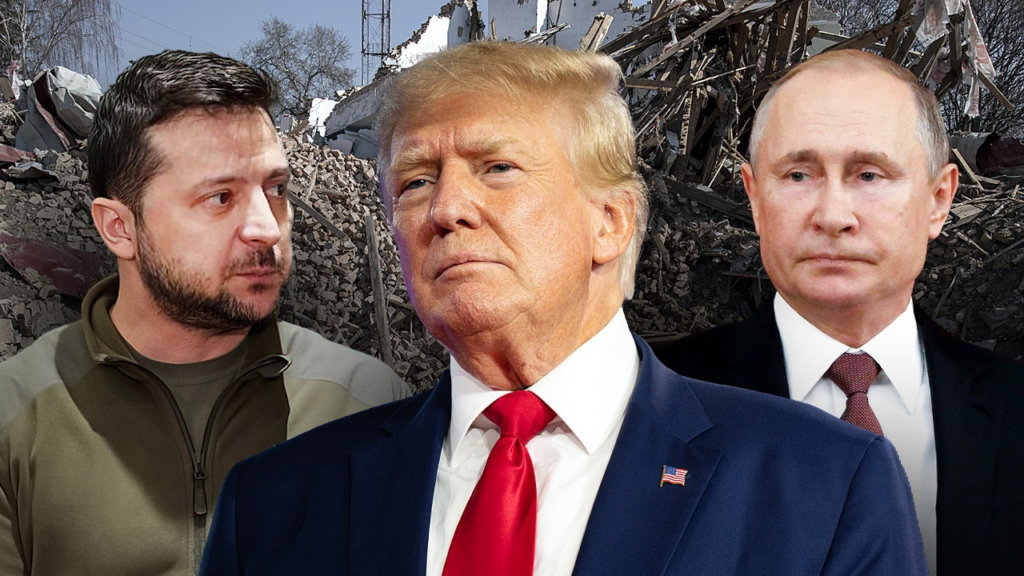
Ukraine peace talks are set to intensify this weekend in Miami, as U.S. Secretary of State Marco Rubio prepares to engage in discussions aimed at ending the ongoing Russia-Ukraine conflict. With top officials from Ukraine, Russia, and the United States gathering to address crucial issues such as security guarantees and territorial disputes, the atmosphere is charged with both hope and skepticism. Rubio acknowledges that while progress has been made, the path to a comprehensive peace agreement is riddled with challenges. These negotiations will serve as a pivotal moment in the Ukraine negotiations, potentially shaping the future of NATO’s involvement and support for Ukraine. As the world watches closely, the outcomes of these discussions could have profound implications not only for Ukraine but for regional stability in Eastern Europe.
As international efforts to restore peace in Ukraine ramp up, discussions in Florida have become vital for laying the groundwork towards an enduring resolution. This weekend’s Miami peace discussions will bring together key representatives from different nations to explore avenues for reconciliation amid the ongoing conflict in Eastern Europe. Central to these deliberations are significant themes such as diplomatic negotiations between NATO allies and their commitment to supporting Ukraine’s sovereignty. With the Russian delegation’s presence highlighting the complex dynamics at play, these talks are more than just a series of meetings; they represent a crucial attempt to bridge gaps and forge a sustainable peace agreement. The implications of the Miami talks extend beyond national borders, affecting geopolitical strategies and alliances for years to come.
The Significance of Ukraine Peace Talks in Miami
The upcoming Ukraine peace talks in Miami carry significant weight as they attempt to resolve the ongoing Russia-Ukraine conflict that has captivated international attention. With U.S. Secretary of State Marco Rubio indicating that progress has been made but acknowledging the lengthy road ahead, stakeholders must remain optimistic yet realistic about the outcomes. This meeting presents a critical opportunity for representatives from the U.S., European nations, Ukraine, and Russia to engage in direct dialogue for the first time in this context, potentially setting the stage for future negotiations that could stabilize the region.
As discussions unfold, the involvement of military representatives highlights the complex nature of the negotiations. Key terms like ‘security guarantees’ and ‘territorial issues’ are anticipated to dominate conversations. With advancements in security guarantees being imperative for Ukraine’s stability, the outcome of these Miami talks could redefine NATO’s engagement with Ukraine. The historical complexity of the Russia-Ukraine conflict underlines the significance of this moment, making it imperative for all parties to pursue a diplomatic solution that respects Ukraine’s sovereignty while addressing the concerns of the involved nations.
Challenges Ahead in Russia-Ukraine Relations
The Russia-Ukraine relationship is fraught with challenges, particularly in the context of negotiations that seek to find common ground. Tensions surrounding territorial claims, especially in strategically significant regions like the Donbas, are likely to be contentious points of discussion in Miami. President Zelensky’s stance against territorial concessions reflects a strong commitment to Ukraine’s constitutional principles, and this firmness may clash with Russia’s demands. This highlights a critical juxtaposition in the negotiations: the need for a peaceful resolution against the backdrop of national integrity.
Furthermore, the prospect of NATO membership remains a complex issue. While both U.S. and Ukrainian officials express a desire for enhanced security guarantees, the reality of NATO’s Article 5 may not be fulfilled immediately. This presents a pivotal moment for negotiators as they navigate between fostering Ukraine’s aspirations for NATO membership and addressing Russia’s security concerns. Ultimately, these intricacies will require a deft handling in Miami, stressing the urgency for negotiators to approach discussions with a sense of innovative compromise.
Role of NATO in Ukraine’s Security Guarantees
NATO’s involvement in Ukraine’s security situation has become increasingly critical as the war with Russia continues. U.S. Secretary of State Marco Rubio has hinted at strong legal and material guarantees that might be extended to Ukraine, which aligns with Article 5 of the NATO treaty. This principle suggests that any military aggression against Ukraine could invoke a collective response from NATO allies, creating a powerful deterrent against further Russian incursions. Such guarantees could encourage Ukraine to pursue a more robust defense strategy while reassuring its citizens and international allies of their safety.
However, the NATO membership aspirations outlined in Ukraine’s constitution present both opportunities and challenges. President Zelensky has acknowledged that immediate NATO accession is not viable but maintains that the aspiration itself should not be discarded. This complex relationship highlights the need for clarity in negotiations about what NATO’s involvement will truly entail. As discussions in Miami progress, the emphasis on security guarantees can foster Ukraine’s resilience against external threats, support its sovereignty, and potentially reshape the landscape of Eastern European defense.
Impact of European Nations at the Miami Talks
The participation of European nations in the Miami peace talks is pivotal for a comprehensive resolution to the Russia-Ukraine conflict. Leaders from Germany, France, and the UK, represented by Chancellor Friedrich Merz’s advisor, are vital for balancing geopolitical interests and ensuring that their voices resonate in the negotiations. These countries have significant stakes in the outcomes, given their historical ties and the socio-economic ramifications of the conflict on the European continent. Their involvement underlines a unified front in seeking stability and peace in Eastern Europe, while also addressing issues tied to energy security and refugee crises.
Moreover, the presence of high-profile negotiators and their calls for collective action signal a change in how the West is approaching the Russia-Ukraine conflict. Engaging European nations alongside U.S. diplomats enhances the legitimacy of the discussions and could facilitate a broader international consensus on the future of Ukraine. As various parties converge in Miami, there lies an opportunity to not only critically assess prior discussions, such as those held in Berlin, but also to create a framework for ongoing collaboration and dialogue aimed at ensuring lasting peace.
Navigating Territorial Concessions in Peace Talks
Territorial concessions remain one of the most challenging issues on the table during the Miami peace discussions. Russia’s insistence on Ukraine relinquishing claims to key territories in the Donbas is countered by President Zelensky’s firm rejection of any such demands. This impasse exemplifies the broader complexities of negotiating peace in regions marked by historical grievances and ethnic tensions. For negotiators, finding a compromise that acknowledges territorial integrity while also addressing Russia’s security concerns will be critical to achieving a workable framework.
One possible outcome discussed in these negotiations could be the establishment of a ‘demilitarized zone’ to buffer tensions between the two nations. Such agreements would involve intricate negotiations to define the parameters and enforcement mechanisms that ensure compliance. Constructing solutions that allow both sides to save face while reaching a sustainable agreement may prove essential in achieving tangible results despite the contentious nature of territorial integrity. The pressing need for resolution makes the Miami talks an essential platform for addressing these complex issues.
The Crucial Role of U.S. Mediation in Negotiations
The U.S. plays a crucial role in mediating the ongoing negotiations between Ukraine and Russia, particularly through its Secretary of State, Marco Rubio. As the talks unfold in Miami, the U.S. position as a neutral mediator will be vital in fostering communication and understanding between the conflicting parties. Rubio’s statement regarding the need for progress reflects the intricate dynamics at play, where the U.S. must navigate the delicate relationship with Russia while simultaneously supporting Ukraine’s sovereignty and aspirations for enhanced national security.
With U.S. negotiators present, the discussions can provide a platform for officials to communicate openly about their respective concerns and goals. This mediation is not just about resolving immediate disputes; it also involves constructing long-term frameworks that can prevent the recurrence of such conflicts. The U.S. approach to these negotiations should be driven by principles of diplomacy, ensuring all parties feel heard and valued in their aspirations. Achieving this balance will be paramount to fostering an environment conducive to peace and reconciliation.
Future Prospects for Ukraine Following the Talks
While immediate resolutions may remain elusive, the Miami talks hold promise for Ukraine’s future by providing an avenue for constructive dialogue. The discussions may serve as a precursor to more significant agreements that shape the trajectory of Ukraine’s geopolitical landscape. As negotiators grapple with pressing issues such as security guarantees and territorial integrity, the outcomes could lay the groundwork for a new era of stability in the region. International support, particularly from NATO and European allies, will play a significant role in assuring Ukraine’s development and recovery from the conflict.
Moreover, the commitment to ongoing discussions reinforces the idea that diplomacy can prevail in resolving international disputes. Even if the Miami talks yield minimal immediate results, they symbolize a crucial step towards rebuilding trust and fostering collaborative relationships among involved nations. As Ukraine moves forward, leveraging its alliances within NATO and the European Union will be essential in laying a foundation for peace and prosperity, signaling a collective resolve against aggression and a commitment to shared democratic values.
The Relevance of Historical Context in Negotiations
Understanding the historical context of the Russia-Ukraine conflict is essential for effective negotiations in Miami. As the ongoing tensions are rooted in a complex tapestry of cultural, political, and historical grievances, addressing these considerations could pave the way for more robust and sustainable peace agreements. Recognizing historical claims not only aids in conflict resolution but also fosters mutual respect among negotiating parties. When representatives appreciate each other’s historical narratives and experiences, it enables a deeper dialogue that could yield innovative solutions.
Further, engaging with the historical context underscores the significance of addressing all parties’ vulnerabilities and aspirations. As Secretary Rubio engages in discussions with both Ukrainian and Russian delegates, incorporating perspectives on history may help to humanize contentious issues while tapping into shared interests. This deeper appreciation can lead to compromises that are respectful of each nation’s legacy and aspirations, ultimately serving as an essential catalyst for the peace process.
Evaluating the International Community’s Response to the Ukraine Conflict
The international community’s response to the Ukraine conflict has been pivotal in shaping the current negotiations and potential outcomes. Various nations, particularly within the NATO framework, have rallied to support Ukraine through sanctions, military aid, and diplomatic pressure on Russia. This collective action reflects a unified stance against aggression and showcases the critical role of global solidarity in addressing conflicts. As these discussions unfold in Miami, the unity of the West may serve as a further deterrent to escalation and encourage a commitment to a peaceful resolution.
Additionally, continued engagement from international organizations—such as the United Nations and European Union—will be essential in establishing frameworks for ongoing dialogue and mediation. The response from the global community not only aids in devising strategies for peace but also emphasizes the importance of collective security and cooperation. As negotiators deliberate in Miami, ensuring that international perspectives are integrated into the peace process could bolster the legitimacy of the agreements reached and facilitate adherence to any resultant treaties.
Frequently Asked Questions
What are the latest updates on the Ukraine peace talks happening in Miami?
The latest updates on the Ukraine peace talks indicate that discussions are intensifying in Miami, where representatives from Ukraine, the U.S., and Russia will seek to negotiate an end to the ongoing conflict. Key topics include security guarantees and territorial issues, with U.S. Secretary of State Marco Rubio indicating a long process ahead.
How are the Ukraine negotiations being facilitated by the U.S.?
The Ukraine negotiations are being facilitated by the U.S. as a mediator, with Secretary of State Marco Rubio participating partially in discussions. The U.S. aims to relay outcomes from previous talks in Berlin and address critical points, including military representation and potential security guarantees for Ukraine.
What are the main issues being addressed in the Miami peace discussions regarding Ukraine?
The main issues being addressed in the Miami peace discussions regarding Ukraine include security guarantees for Ukraine, with offers of legal and material backing from the U.S. under NATO’s Article 5, and contentious territorial claims in the Donbas region, which remain unresolved.
Why is Ukraine’s NATO membership considered unrealistic in the current negotiations?
Ukraine’s NATO membership is considered unrealistic in the current negotiations due to the ongoing conflict and opposition from Russia. While President Zelensky emphasizes the importance of NATO membership in the Ukrainian constitution, attaining full membership in the midst of war presents significant challenges.
How does the Miami meeting impact the future of the Russia Ukraine conflict?
The Miami meeting is crucial in shaping the future of the Russia Ukraine conflict as it seeks to establish frameworks for peace talks. Progress on security guarantees and territorial claims will determine the potential for reducing hostilities and fostering stability in the region.
What role does NATO play in the ongoing Ukraine peace talks?
NATO plays a significant role in the ongoing Ukraine peace talks, particularly in providing security guarantees that align with Article 5 of the NATO treaty. This support signifies that any attack on Ukraine could be viewed as an attack on all NATO member states, highlighting the alliance’s commitment to Ukraine’s defense.
What has been Secretary Rubio’s perspective on the Ukraine peace negotiations?
Secretary Rubio has expressed cautious optimism regarding the Ukraine peace negotiations, indicating that while progress has been made, there is still a long way to go. His statements emphasize the importance of continued dialogue and the challenges inherent in reaching a comprehensive peace agreement.
What factors are complicating the Ukraine negotiations in Miami?
Several factors are complicating the Ukraine negotiations in Miami, including stubborn territorial demands from Russia regarding the Donbas region and the complexities of satisfying both security needs for Ukraine and the territorial integrity concerns posed by Russian claims.
How is the presence of European officials influencing the Ukraine peace discussions?
The presence of European officials, such as Germany’s foreign policy advisor Günter Sautter, is influencing the Ukraine peace discussions by adding diplomatic weight and ensuring that European perspectives and commitments to Ukraine are included in the negotiation framework.
What are the expectations for outcomes from the Miami Ukraine talks?
Expectations for outcomes from the Miami Ukraine talks include potential advancements on security guarantees and the establishment of a framework for addressing territorial disputes. However, both Secretary Rubio and various stakeholders acknowledge the uncertainty and complexity surrounding a conclusive agreement.
| Key Topic | Details |
|---|---|
| Location of Talks | Miami, Florida |
| Key Figures | U.S. Secretary of State Marco Rubio, Ukrainian President Volodymyr Zelensky, Russian advisor Kirill Dmitriev, Chancellor Friedrich Merz’s advisor Günter Sautter |
| Objective | To negotiate a peace solution to end the war in Ukraine |
| Key Points of Discussion | Security guarantees and territorial issues |
| U.S. Role | Mediator between Ukraine and Russia |
| Outcome of Previous Talks | Previous discussions in Berlin influenced Miami talks |
| Progress on Security Guarantees | U.S. to offer legal and material guarantees aligned with NATO Article 5 |
| Challenges Ahead | Territorial demands from Russia seen as unrealistic by Ukraine |
| Optimism for Progress | Zelensky potentially recognizing areas as Russian-occupied territory |
Summary
The Ukraine peace talks represent a pivotal moment in efforts to conclude the ongoing conflict. With key leaders converging in Miami, the discussions aim to address significant issues such as security guarantees and territorial claims. While challenges remain, particularly regarding territorial compromises, the negotiations are crucial to forging a sustainable peace and mitigating further escalation.

