
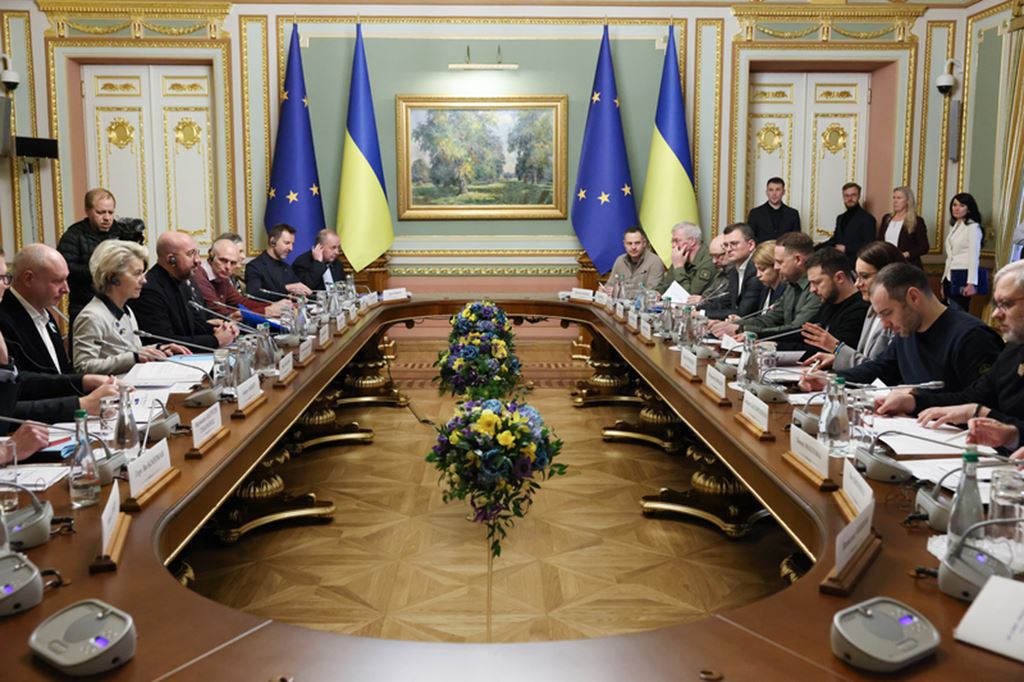
The Ukraine Peace Plan has become a focal point in ongoing diplomatic efforts to resolve the conflict between Russia and Ukraine, capturing the attention of global leaders. Despite weeks of negotiations, the Russian government remains cautious about the proposals, with Kremlin officials refraining from offering detailed assessments. According to statements from Kremlin spokesperson Dmitry Peskov, the focus is shifting toward direct discussions with U.S. representatives, underscoring the importance of Russia Ukraine negotiations in this complex situation. Meanwhile, the situation in the Donetsk and Luhansk regions continues to escalate, with tensions over territorial claims leading to further complications in the peace talks. As the U.S. engages in dialogue with Russia, the hope remains that fruitful communication can pave the way for a sustainable resolution in Ukraine.
The ongoing discussions surrounding the prospects for peace in Ukraine, often referred to as the peace initiative, highlight the intricate web of international relations at play. Key stakeholders, including the United States and European nations, are navigating a landscape filled with competing interests, especially concerning the Kremlin’s stance on territorial disputes in Eastern Ukraine. The dialogue emphasizes the importance of negotiations that not only involve the primary parties but also take into account the broader geopolitical implications. As officials from various nations meet to discuss a potential settlement, the challenges of aligning divergent views on the sovereignty of regions like Donetsk and Luhansk must be addressed. Ultimately, the pursuit of diplomatic solutions underscores the necessity of fostering cooperation amidst complex geopolitical dynamics.
Current Status of the Ukraine Peace Plan
As negotiations regarding the Ukraine peace plan unfold, the current stance of the Russian government reflects a pertinent caution. Comments from Kremlin spokesman Dmitry Peskov signify an unwillingness to gauge the effectiveness or viability of the proposals being discussed. Instead, the Kremlin is prioritizing bilateral talks with the United States over public discourse, preferring to maintain a level of discretion that characterizes their diplomatic approach.
The ongoing discourse among representatives of the US, Ukraine, and various European nations surrounding the peace plan highlights an intricate web of geopolitical engagements. Despite the heightened activity from the West, Russian officials remain tight-lipped, indicating that they prefer direct negotiations behind closed doors, as public discussions may distort the accuracy of mutual interests and expectations.
Kremlin Comments on Peace Negotiations
In light of the complicated geopolitical landscape, diverse comments have emerged from Russian officials regarding the peace negotiations. Peskov’s statements, particularly after contacts between US and Russian representatives, reveal a strategy aimed at maintaining dialogue without fully committing to any specific aspects of the proposed peace plan. This strategic ambiguity serves to manipulate perceptions while ensuring avenues for ongoing discussions remain open.
The reluctance to specify positions could be a calculated move by the Kremlin. As the Russian Foreign Ministry has noted, there appears to be progress in talks with the US. However, accusations against European nations striving to undermine this progress suggest a complex battleground where diplomatic relations are continuously evolving amidst competing interests.
Recent Developments in US-Ukraine Talks
The US-Ukraine talks have gained momentum, with recent discussions focusing on collaborative management of critical infrastructure, such as the Zaporizhzhia nuclear power plant. Ukrainian President Zelensky expressed optimism following communications with US negotiators, highlighting a possible shift in dynamics. This cooperative spirit underscores the importance of US involvement in shaping outcomes for Ukraine, especially as the stakes continue to evolve in light of territorial claims by Russia.
Building on the dialogue with US representatives, Ukraine seeks to not only reclaim but effectively operate key territories, ensuring that any potential compromises do not jeopardize its sovereignty. The emphasis on practical negotiations over wider geopolitical tussles may pave the way for more tailored solutions that align with Ukrainian aspirations without entirely conceding to Russian demands.
Russia’s Position on Donetsk and Luhansk Regions
The territorial dispute regarding the Donetsk and Luhansk regions remains a critical barrier to negotiations centered on the Ukraine peace plan. Putin’s insistence on maintaining claims over these areas emerges as a recurring theme in discussions with both US and Ukrainian representatives. His assertions complicate the peace talks, as Ukraine is steadfast in its rejection of any cession of territory in exchange for a ceasefire or withdrawal.
Statements from the Russian side suggest a calculated approach to leverage territorial claims while inviting dialogue about other Ukrainian regions. Experts speculate that the Kremlin’s strategy aims to use the Donetsk and Luhansk regions as bargaining chips, further clouding the landscape of potential negotiations and necessitating a more nuanced understanding of what a peaceful resolution could entail.
Significance of Bilateral Talks with the US
Bilateral talks between the US and Russia concerning Ukraine play a significant role in shaping the overall dynamics of peace negotiations. These discussions, often shrouded in secrecy, are pivotal in determining the extent to which both sides are willing to compromise on contentious issues, such as territorial integrity and military commitments. The involvement of US negotiators adds an essential layer of complexity, with ramifications that impact not only regional stability in Europe but also broader international relations.
The US’s engagement underscores its strategic interest in maintaining the balance of power in Eastern Europe, while supporting Ukraine’s sovereignty. Continued dialogue demonstrates a commitment to finding peaceful resolutions but also reflects the intricate challenges that come with addressing the varying interests of involved parties. As both nations navigate this complex terrain, the outcomes of these dealings remain crucial in determining the future of Ukraine.
Impact of Domestic Politics on Peace Talks
Domestic political pressures significantly impact the trajectories of peace negotiations, particularly in the context of the Russia-Ukraine conflict. Leaders from both sides face constraints from nationalist factions that may resist concessions or compromises suggested during negotiations. In Russia, the Kremlin’s need to project strength over territorial claims aligns with public sentiments, thus complicating any potential shifts that might arise in talks with the West.
Similarly, Ukrainian leadership must balance the expectations of its populace, who are deeply invested in maintaining territorial integrity and sovereignty. As negotiations move forward, the interplay of domestic politics will be a crucial factor in shaping how both nations approach discussions and the potential for sustainable peace. Acknowledging these internal pressures can bring deeper insights into the negotiations’ complexity and the likelihood of achieving a harmonious resolution.
Future Prospects for Peace in Ukraine
The prospects for a lasting peace in Ukraine remain ambiguous, contingent upon the ability of both Russian and Ukrainian leaders to navigate the intricate web of international expectations, compromise, and domestic pressures. Recent communication from both sides has raised hopes, yet the underlying tensions over territorial sovereignty and military presence present daunting challenges to any agreement.
Future negotiations must grapple with these longstanding issues. In a landscape where military and diplomatic strategies intersect, the quest for peace in Ukraine will depend heavily on both sides’ willingness to accept realities that may diverge from their initial goals. Continued dialogues, especially involving the US, could provide opportunities for breakthroughs while also highlighting the complexities entwined within these negotiations.
The Role of International Influences on the Ukraine Peace Plan
International influences dramatically shape the landscape of the Ukraine peace plan, with various nations weighing in on the ongoing negotiations. These external actors play vital roles, from providing military aid to imposing sanctions, thereby affecting both Russia’s and Ukraine’s strategic choices during dialogues. Voices from different countries can significantly impact perceptions and decisions made at the negotiating table.
As the US engages in talks with Russian representatives, its influence on peace negotiations serves as a counterbalance to any unilateral moves by Moscow. The importance of multilateral discussions among European nations additionally underscores the necessity of a collective approach to stabilizing the region. Moving forward, these international dynamics will undoubtedly complicate the unfolding peace process in Ukraine.
Challenges Ahead for the Ukraine Peace Process
The challenges ahead for the Ukraine peace process are multi-faceted and deeply rooted in historical grievances, military confrontations, and political ambitions. Each player in this drama—be it Russia, Ukraine, or international stakeholders—brings forth a set of expectations that may not align seamlessly with those of others, creating a landscape rife with potential conflicts and misunderstandings.
Navigating these challenges requires deft diplomatic maneuvering and a commitment to dialogue from all sides. Future negotiations must tackle entrenched issues related to territorial claims and military objectives while also considering the broader geopolitical implications of any agreements made. The path to peace, therefore, remains fraught with obstacles, necessitating resilience and adaptability from all parties involved.
Frequently Asked Questions
What is the current status of the Ukraine Peace Plan negotiations?
The Ukraine Peace Plan negotiations are ongoing, but the Kremlin has shown caution regarding the plan’s status. While Russian officials refrain from commenting extensively on the specifics of the plan, they emphasize the importance of private discussions, particularly with US negotiators.
How are Russia and the US involved in the Ukraine Peace Plan?
Russia and the US are actively engaged in discussions regarding the Ukraine Peace Plan, with officials like Dmitry Peskov confirming phone conversations between the two countries. President Putin’s administration aims to assess outcomes from dialogues that include US negotiators, reflecting a complex relationship as the negotiations continue.
What are the Kremlin’s comments on the Ukraine Peace Plan and negotiations?
The Kremlin has opted for a reserved approach regarding comments on the Ukraine Peace Plan. Spokesperson Dmitry Peskov noted the desire for private discussions rather than public scrutiny, indicating a cautious stance in the ongoing negotiations involving the US and Europe.
What does the Ukraine Peace Plan entail for the Donetsk and Luhansk regions?
The Ukraine Peace Plan involves contentious issues related to the Donetsk and Luhansk regions, which Russian President Putin claims as part of Russia’s interests. Kyiv, however, firmly opposes ceding these territories, making it a central subject in the negotiations surrounding the peace plan.
What role does the US play in the negotiations for the Ukraine Peace Plan?
The US plays a crucial role in facilitating the Ukraine Peace Plan negotiations, with representatives actively participating in discussions. The involvement of US officials like Steve Witkoff and Jared Kushner underscores America’s significant influence as mediator in the dialogue between Russia and Ukraine.
What progress has been made in US-Russia talks regarding the Ukraine Peace Plan?
Progress in US-Russia talks surrounding the Ukraine Peace Plan has been noted by Russian Foreign Ministry officials. They’ve indicated improved communications and collaboration, although there are concerns about European nations potentially undermining this progress in the peace negotiations.
Are there any recent developments in the Russia-Ukraine peace negotiations?
Recent developments in the Russia-Ukraine peace negotiations include ongoing discussions between Russian officials and US representatives. Additionally, President Zelensky of Ukraine expressed approval following talks concerning the management of the Zaporizhzhia nuclear power plant, which remains a key focus within the broader Ukraine Peace Plan.
What is the significance of the Zaporizhzhia nuclear power plant in Ukraine’s peace negotiations?
The Zaporizhzhia nuclear power plant holds significant importance in the Ukraine Peace Plan negotiations, with discussions about its management indicating a potential avenue for compromise. Ukraine hopes for joint operations involving the US, while Russia seeks to retain influence over the facility amidst the ongoing conflict.
How does the current political climate affect the Ukraine Peace Plan?
The current political climate is marked by tension and cautious diplomacy that affects the Ukraine Peace Plan. Russian reluctance to disclose detailed positions, alongside the stakes involved with international dialogue, underscores the complexity and fragility of achieving a resolution in the ongoing conflict.
What are some potential outcomes of the Ukraine Peace Plan discussions?
Potential outcomes of the Ukraine Peace Plan discussions include a negotiated settlement involving territorial arrangements, particularly regarding the Donetsk and Luhansk regions. The dynamics between Russia, Ukraine, and US involvement contribute to a range of possibilities that could reshape the geopolitical landscape in Eastern Europe.
| Key Points | Details |
|---|---|
| Russian Government’s Stance | The Kremlin is cautious about the Ukraine peace plan and prefers to focus on direct negotiations with the US. |
| Restraint in Comments | Kremlin officials are not providing commentary on the peace plan’s status. |
| US-Russia Talks | Russia has had phone discussions with US negotiators about the peace plan. |
| Putin’s Demands | Putin reaffirms claims over Donetsk and Luhansk regions, while negotiations could be discussed regarding other territories. |
| Ukrainian Response | President Zelensky expressed satisfaction after talks with US mediators. |
| Nuclear Plant Management Proposal | Putin mentioned a US proposal for joint management of the Zaporizhzhia nuclear power plant, a critical point for Ukraine. |
| Progress Accusations | The Russian Foreign Ministry acknowledged progress in talks with the US but accused European nations of attempting to disrupt these negotiations. |
Summary
The Ukraine Peace Plan is a complex negotiation involving multiple nations, primarily centered around discussions between the US and Russia. While the Kremlin maintains a cautious stance, indicating a preference for private negotiations and emphasizing its claims over disputed territories, the situation remains fluid. Both Ukraine and US officials express optimism about potential outcomes, but significant challenges remain regarding territorial claims and nuclear power management. Achieving lasting peace in Ukraine will require careful diplomacy and commitment from all parties involved.

