
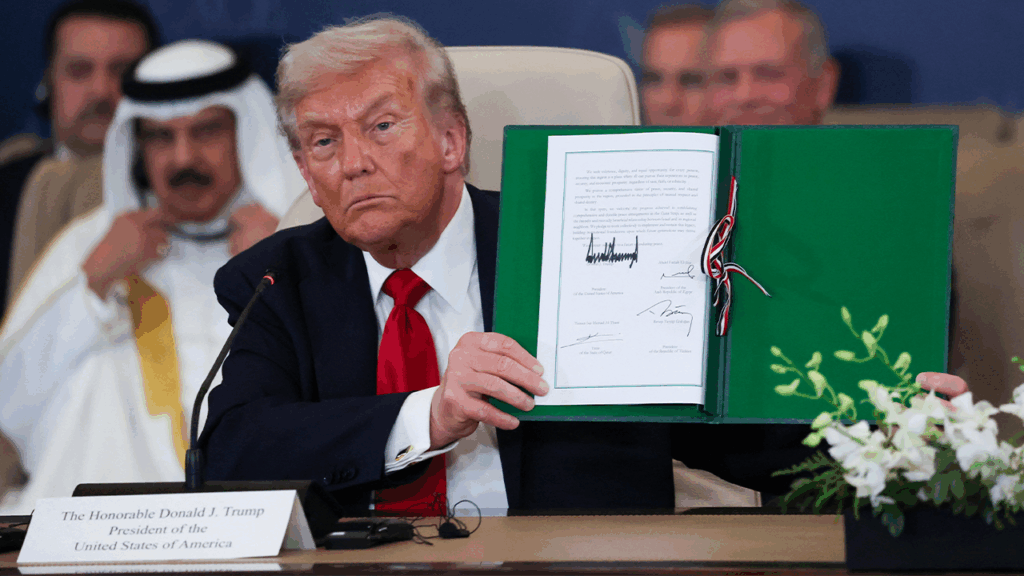
The Trump peace plan has emerged as a significant pivot point in the complex landscape of international relations, particularly as it pertains to the ongoing Russia-Ukraine conflict. Initially touted as the “final offer” to resolve the tensions in the region, it has since been viewed as a shifting proposal with uncertain outcomes. This extensive 28-point plan raises substantial concerns not only for Ukraine but also for broader European security, as it seems to favor leniency towards Russia while pressuring Ukraine more heavily. As the situation continues to unfold, the implications of this peace agreement could reverberate across global security frameworks. Recent Russia Ukraine news highlights the need for a cohesive strategy that addresses both peace and justice in the region, drawing urgent attention to the evolving geopolitical landscape.
The proposal from the Trump administration, often referred to as the diplomatic framework for peace in Eastern Europe, has sparked intense debate and scrutiny. As the dialogue surrounding the Russia-Ukraine crisis evolves, many are questioning how this intricate diplomatic effort, with its various stipulations, can genuinely foster stability and reconciliation. The potential ramifications of such agreements are not only limited to the parties directly involved but also resonate with European nations grappling with security concerns stemming from Russian aggression. Analysts and policymakers alike are increasingly focused on the broader implications for global security and how this diplomatic initiative could reshape the existing balance of power. By examining the nuances of this peace proposal, stakeholders can better understand its potential to navigate the treacherous waters of international diplomacy.
Understanding Trump’s Peace Plan and Its Implications
Trump’s peace plan, which was initially hailed as a “final offer,” has sparked a renewed debate over its viability and consequences. This 28-point plan has drawn sharp criticism for its perceived favor towards Russia while imposing strict conditions on Ukraine. As the situation evolves, many analysts are questioning the sincerity of such agreements, considering the ongoing turmoil and the precarious state of international relations. With the geopolitical stakes higher than ever, the plan’s potential to delineate a clear path to peace appears increasingly tenuous.
The implications of Trump’s peace plan extend far beyond the borders of Ukraine and Russia. For European nations, the uncertainty surrounding these agreements raises serious concerns about regional security. If the plan is enacted in its current form, European security could be jeopardized, as it may embolden aggressive posturing from Russia. Policymakers in Europe are left grappling with how this might affect NATO’s eastern flank and the broader global security landscape, particularly in light of the ongoing conflict.
The Impact of the Trump Ukraine Plan on Global Security
The Trump Ukraine plan has significant ramifications for global security dynamics, particularly in an era where international alliances and dependencies are under stress. As the plan leans heavily in favor of Russia, it brings into question the integrity of existing security pacts and the reliability of the United States as a security guarantor. The potential shift in power dynamics could pave the way for more aggressive maneuvers by Russia, impacting not just Ukraine, but also the stability of neighboring countries which are also vulnerable to Russia’s ambitions.
Moreover, the global security implications of this plan are nuanced and far-reaching. Countries observing Russia’s actions may feel compelled to reassess their own security strategies, leading to an arms build-up or increased military spending among nations expressing concern. This escalation could fuel a new wave of tensions, where countries may abandon diplomatic resolutions in favor of military preparedness. Therefore, analyzing the Trump Ukraine plan’s long-term effects is essential for understanding its role in the shifting landscape of international relations.
Evaluating Peace Agreements in the Context of Russia-Ukraine Conflict
Peace agreements have historically been designed to bring stability; however, the durability of such treaties is often tested under real-world pressures, as evidenced by past conflicts. The current milieu surrounding the Russia-Ukraine conflict draws attention to the complexities of negotiating peace agreements when one party appears to be less affected by the terms. As per Trump’s plan, critics argue that the unequal treatment could undermine the integrity of peace negotiations, leading to skepticism among stakeholders about the true intentions behind these agreements.
In the case of the Trump peace plan, the hardline stance on Ukraine contrasts sharply with the leniency shown to Russia, marking a troubling precedent. If peace agreements become tools for one-sided concessions, it may set back decades of diplomatic efforts aimed at creating a balanced approach to conflict resolution. Stakeholders must consider how to ensure that peace is built on equality and mutual respect, rather than power asymmetry, to foster a sustainable future.
European Security Concerns Amidst Trump’s Peace Plan
The ongoing discussions around Trump’s peace plan have brought European security concerns to the forefront. As tensions between Russia and Ukraine persist, European nations are increasingly worried about the implications of appeasement strategies. The plan’s perceived favoritism can create an atmosphere of distrust among European allies, who may feel compelled to re-evaluate their security policies and military readiness in light of a potentially emboldened Russia.
With NATO’s collective security principles under scrutiny, the response from European countries could lead to a reconfiguration of military alliances and strategies. Concerns over stability in Eastern Europe are particularly poignant, as nations like Poland and the Baltic states are acutely aware of their geographical vulnerability. Ultimately, the effectiveness of Trump’s peace plan will significantly influence Europe’s approach to defense and collaborative security efforts in an increasingly uncertain geopolitical climate.
Assessing Reactions to Russia Ukraine News
The fluctuating nature of Russia-Ukraine news has evoked a diverse array of reactions from politicians, analysts, and the public alike. Many view the ongoing conflict through the lens of Trump’s peace plan, interpreting it as an indicator of the United States’ strategic priorities. By prioritizing Russian interests, there are fears that this could incite further Russian aggression in Ukraine and other regions, sparking a renewed cold war mentality.
Conversely, some analysts argue that the peace plan presents an opportunity to reassess diplomatic strategies, potentially paving the way for dialogue between conflicting parties. However, as Ukraine continues to suffer heavy consequences, the reactions to this news will significantly impact perceptions of legitimacy regarding the proposed agreements. The international community thus has a vested interest in how these developments are interpreted and acted upon, particularly in the realms of global diplomacy and security.
The Future of Peace Negotiations in Eastern Europe
The future of peace negotiations in Eastern Europe rests heavily on the outcomes of current discussions surrounding the Trump peace plan. The unique geopolitical landscape presents a myriad of challenges as stakeholders work to foster lasting resolutions to ongoing conflicts. Validating the perspectives of those involved will be crucial, particularly when considering the diverse interests that characterize Eastern Europe’s political scene.
Further complicating this process is the necessity of ensuring that any peace framework takes into account not only the immediate concerns of Ukraine but also the broader implications for regional stability. External actors, such as European nations and the United States, must remain vigilant in promoting consensus-driven negotiations that reflect a balanced approach. Moving forward, it will be increasingly important for all parties to commit to dialogue that emphasizes equality and mutual respect, vital components for sustainable peace.
Navigating International Relations Post-Trump Peace Plan
Navigating international relations in the aftermath of the Trump peace plan will demand a careful balancing act by global leaders. The unilateral aspects of the plan may challenge existing alliances, as nations recalibrate their foreign policies in response to perceived changes in U.S. strategy. Such shifts could manifestly influence diplomatic ties and collaborative efforts aimed at fostering international security.
Moreover, the ripple effects of this plan could spark a surge in geopolitical maneuvering as countries rethink their allegiances and strategies. A multilateral approach, emphasizing cooperative security and regional stability, is essential for countering any destabilizing effects of the Trump peace plan. In sum, how leaders interpret and respond to these developments will ultimately shape the future of international relations.
The Role of Mediation in Achieving Peace
Mediation plays a pivotal role in achieving lasting peace, particularly in complicated conflicts such as the one between Russia and Ukraine. The nuances of the Trump peace plan necessitate a careful approach to mediation, where unbiased intermediaries can help facilitate dialogue and agreement between parties. In ensuring that all voices are heard and respected, mediators can work towards crafting a framework that addresses the underlying issues at stake.
However, the legitimacy of mediation efforts hinges on the perception of fairness. If one party feels aggrieved or sidelined, it may reject the mediation process altogether, complicating the already challenging path to peace. The growing concern surrounding the global security implications of the plan underscores the urgency for robust mediation strategies that promote collaboration and inclusivity, ultimately working to forge a durable peace in the region.
Critical Perspectives on the Trump Peace Plan
Critical perspectives on the Trump peace plan highlight a spectrum of opinions about its feasibility and implications for global stability. Detractors argue that the plan’s framework is not only impractical but also detrimental to Ukraine’s sovereignty and security. By seemingly rewarding aggression, the approach raises questions about the effectiveness of the United States’ role in global conflict resolution, and whether it undermines credibility in future negotiations.
On the other hand, proponents of the plan suggest that its unconventional nature may open avenues for dialogue that traditional approaches have failed to achieve. They posit that a new paradigm could emerge from this strategy, potentially easing tensions. However, the real challenge lies in ensuring that any engagement does not come at the expense of weakened international norms and principles aimed at preserving peace and stability.
Frequently Asked Questions
What is the Trump peace plan and what are its main components?
The Trump peace plan, often referred to in discussions about the Trump Ukraine plan, comprises 28 points that outline proposals for a resolution to ongoing conflicts in Ukraine. Key components focus on territorial integrity, economic assistance, and the roles of both Russian and Ukrainian authorities in peacebuilding.
How does the Trump peace plan impact Ukraine?
The Trump peace plan impacts Ukraine significantly, as it includes provisions that some critics argue neglect Ukrainian sovereignty while favoring leniency towards Russia. It has raised concerns regarding the long-term territorial and political implications for Ukraine within the context of ongoing Russia Ukraine news.
What criticisms have been made of the Trump peace plan?
Critics of the Trump peace plan assert that it offers insufficient protections for Ukraine and presents an imbalanced approach by being too accommodating to Russia. This has sparked debates about its effectiveness and the potential consequences on European security concerns and global stability.
What are the global security implications of the Trump peace plan?
The global security implications of the Trump peace plan are profound, as it could set precedents for how superpowers negotiate with smaller nations. The plan’s perceived favoritism towards Russia raises alarms about future conflict dynamics, particularly in the context of European security.
How does the Trump peace plan relate to European security concerns?
The Trump peace plan exacerbates European security concerns by potentially emboldening Russia in its military and geopolitical pursuits. If Russia perceives that its actions face minimal repercussions, it could lead to increased tension in Europe and a reevaluation of existing security strategies among EU member states.
What are the chances of peace agreements resulting from the Trump peace plan?
While the Trump peace plan aims to facilitate peace agreements, its acceptance and success largely depend on the willingness of both Ukraine and Russia to compromise. The plan’s current reception indicates skepticism, with many experts viewing the proposal as unlikely to yield significant peace outcomes without further adjustments.
Who benefits most from the Trump peace plan?
Critics argue that the main beneficiary of the Trump peace plan appears to be Russia, which gains potentially favorable terms while Ukraine faces the brunt of the plan’s stipulations. This uneven approach raises questions about fairness and the long-term viability of peace in the region.
What role do third-party nations play in the context of the Trump peace plan?
Third-party nations play a crucial role in the Trump peace plan by potentially mediating negotiations and providing support to both Russia and Ukraine. Their involvement is essential in fostering dialogue, ensuring compliance with peace terms, and addressing broader European security concerns.
How does this plan differ from previous peace initiatives in the region?
The Trump peace plan differs from previous peace initiatives in its direct approach to negotiations and its specific focus on Russian interests, contrasting with past plans that emphasized stronger protections for Ukraine’s sovereignty and rights.
| Key Point | Details |
|---|---|
| Nature of the Plan | Originally proposed as a ‘final offer’, but now termed as ‘non-final’. |
| Impact on Ukraine | The plan imposes significant consequences on Ukraine. |
| Impact on Russia | Russia faces minimal repercussions or a mere ‘slap on the wrist’. |
| Broader Implications | Affects Europe and raises concerns about global security. |
| Additional Insights | Further information and analysis can be found in video discussions. |
Summary
The Trump peace plan seeks to address ongoing international conflicts but raises significant concerns, particularly regarding its treatment of Ukraine compared to Russia. By rebranding a previously classified ‘final offer’ to a more ambiguous ‘non-final’ status, the plan suggests uncertain commitments that may undermine its effectiveness. The disproportionate impacts on Ukraine, contrasted with leniency shown towards Russia, point to possible geopolitical ramifications not only for Europe but also for the wider global security landscape. Therefore, the Trump peace plan needs to be closely examined to gauge its true intent and potential outcomes.

