
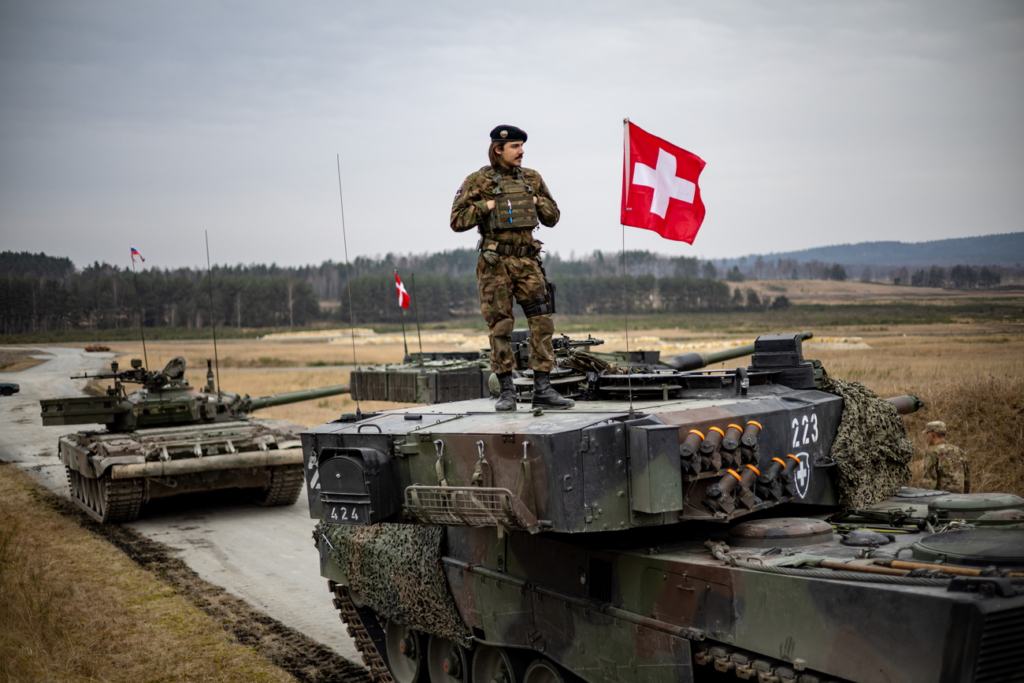
Switzerland rearmament is becoming a pressing issue as the nation grapples with new security challenges in a rapidly changing geopolitical landscape. Historically known for its neutrality, Switzerland has maintained a low military spending approach, dedicating only around 0.7% of its GDP to defense. However, with the escalating threat from Russia and the ongoing war in Ukraine, the Swiss government is now discussing the need for substantial increases in its defense budget. The outgoing chief of the Swiss Armed Forces, Thomas Süssli, has emphasized that the nation’s military preparedness is no longer adequate for contemporary challenges, highlighting the urgent need for enhancements. As Switzerland re-evaluates its military strategy, citizens and officials alike are recognizing the necessity to strengthen the Suisse Armed Forces in response to the realities of hybrid conflict in Europe.
The topic of Switzerland rearmament reflects a critical turning point in the country’s approach to defense and military capabilities. With growing concerns over the geopolitical tensions posed by neighboring nations, particularly Russia, Swiss officials are reconsidering their stance on military investments. This dialogue involves not only the defense budget but also discussions about the potential ramifications of security threats in Europe on Swiss soil. As the Swiss military seeks to adapt to modern security risks, the focus shifts towards understanding hybrid conflicts and the implications for national security. Adapting to this new reality may require Switzerland to rethink its traditional defense posture while ensuring robust military preparedness.
Switzerland’s Military Spending: A New Era
Historically, Switzerland has maintained a modest defense budget, often spending around 0.7 percent of its GDP on military expenditures. This is in stark contrast to many of its NATO and EU counterparts, which invest significantly more in their defense sectors. As geopolitical tensions rise, particularly with the increased threat from Russia, Swiss policymakers are reevaluating their military spending strategies. The incoming defense budget may see a proposed increase to 1 percent of GDP, reflecting a notable shift in the country’s approach to national security.
This proposed uptick in military spending is not merely about numbers; it signifies a pivotal change in the Swiss government’s perception of threats surrounding its borders. Defense Minister Martin Pfister has openly articulated that a mere increase in budget allocation is not sufficient. The urgency is to rethink and redistribute military resources to bolster capabilities, particularly in terms of air defense. As part of this strategic overhaul, leaders within Switzerland are calling for a more robust military framework that is well-equipped to address contemporary conflicts and emerging hybrid threats.
The Implications of Switzerland’s Rearmament
The rearmament discussion in Switzerland does not occur in a vacuum; it stems from an acute awareness of a hybrid conflict landscape where traditional notions of warfare are evolving. With Russia’s aggressive stance in Europe, Swiss citizens and leaders are compelled to consider the implications of this threat. Former army chief Thomas Süssli’s commentary about being in a state of hybrid conflict highlights the complexity of modern security challenges. Switzerland’s commitment to neutrality is being tested as the nation assesses its vulnerability to potential military confrontations.
This situation underscores the urgent need for a comprehensive reevaluation of how the Swiss Armed Forces are structured and funded. The calls for reform are also accompanied by internal political discussions about the financing of increased military expenditures. With proposals like a potential increase in value-added tax to fund military enhancements, the Swiss government must balance fiscal responsibility with the pressing need to enhance national defense. Therefore, the path towards rearmament is as much about securing financial mechanisms as it is about strategic military readiness.
Assessing the Russian Threat to Switzerland
Switzerland’s geographic location places it at the crossroads of potential geopolitical tensions. With Russia’s assertive military actions in Ukraine, Swiss authorities are acutely aware of the increasing threat to Europe, including their own borders. The narrative of a possible expansion of conflict into Switzerland’s immediate vicinity is becoming more prevalent in political discourse. Defense officials and intelligence assessments suggest that while Switzerland may not be an immediate target, the ramifications of a destabilized Europe could directly impact Swiss security.
In discussions about national security, the acknowledgment of being in a hybrid conflict is crucial. Unlike conventional wars, hybrid conflicts consist of a blend of military and non-military tactics meant to destabilize a nation’s structure. As Swiss leaders grapple with these realities, there is a burgeoning consensus that the nation must be proactive in its defense initiatives, ensuring it is well-prepared for any scenario, including unexpected escalation from surrounding conflicts.
The Future of Switzerland’s Defense Budget
As Switzerland navigates its defense budget challenge amidst ongoing geopolitical shifts, the future of the defense budget remains uncertain yet vital. The current stance of increasing military allocation reflects a shift in priorities within Swiss politics, acknowledging that a passive approach to defense is no longer sufficient. With the proposal to reach 1 percent of GDP, there might be a realignment in resource distribution towards modernizing the Swiss Armed Forces and enhancing their operational capacities.
Moreover, discussions surrounding the defense budget also highlight the necessity for transparent financial planning and innovative financing models. Swiss leadership must not only justify increased spending to the public but also illustrate how these funds translate into heightened security across the nation. Ensuring that citizens recognize the importance of a robust defense budget will foster broader support for these changes, ultimately leading to a more resilient Switzerland in the face of external pressures.
The Role of the Swiss Armed Forces in Today’s Security Landscape
The Swiss Armed Forces have historically been a symbol of national pride and a key component of the country’s defense strategy. However, as articulated by outgoing Chief Thomas Süssli, the military’s structure and capabilities must evolve to address contemporary challenges posed by hybrid conflicts. The call for modernized units and training reflects a recognition that traditional military strategies may not suffice in light of sophisticated threats like cyber warfare and disinformation campaigns.
Enhancing the capabilities of the Swiss Armed Forces will require a holistic approach that includes not only increased funding but also improved training, technological advancements, and international cooperation. As Switzerland seeks to fortify its defense against potential aggressors, the reinforcement of the Swiss military becomes crucial for national confidence and security. Future investments will play a key role in ensuring that the armed forces are capable of meeting the complexities of modern-day conflicts.
Switzerland’s Response to Europe’s Security Dynamics
The rearmament of Switzerland is not merely a local issue—it reflects wider security dynamics at play in Europe. The ongoing northern European tensions, particularly driven by Russia’s military strategy, have forced non-NATO countries to reevaluate their defense provisions. For Switzerland, this reevaluation translates into examining existing military protocols, enhancing cooperation with European neighbors, and participating in broader dialogues about regional security.
Additionally, Switzerland’s unique position as a neutral country presents both challenges and opportunities. By strengthening military capabilities without aligning formally with NATO, Switzerland aims to maintain its traditional stance while also ensuring its sovereignty is protected. This dual approach is crucial as Swiss leaders engage in discussions about defense that encompass the realities of a changing geopolitical landscape, establishing a foundation for long-term security consistent with Swiss values.
Increasing Public Awareness and Support for Rearmament
As conversations around rearmament intensify, public awareness and support play pivotal roles in shaping Switzerland’s defense strategy. Historically, the population may have been indifferent to military matters due to the country’s long-standing neutrality. However, as threats from entities like Russia grow, Swiss citizens are increasingly recognizing the importance of a proactive defense posture. Public forums, media discussions, and governmental transparency initiatives are vital for fostering this awareness.
Engaging the public in discussions about rearmament will also help policymakers gauge the sentiments of the populace regarding increased defense spending. By articulating the rationale behind a strengthened military, Swiss leaders can create a narrative that instills confidence in citizens about their safety and security. Ultimately, cultivating a well-informed public will be essential in driving support for the necessary changes in the military framework and budget moving forward.
Long-Term Strategies for Defense in Switzerland
Looking ahead, Switzerland must develop long-term strategies that prioritize not just reactive measures but also proactive defense initiatives. This involves creating a flexible military framework that can quickly adapt to emerging threats, particularly those posed by expansionist strategies seen in recent global conflicts. The emphasis should be on technological innovation, such as cyber defense capabilities and advanced reconnaissance systems, ensuring that the Swiss Armed Forces remain ahead of potential adversaries.
Moreover, these long-term strategies should prioritize collaboration with international defense alliances, even while maintaining Switzerland’s neutrality. Aligning with European defense initiatives and sharing intelligence can bolster Switzerland’s capabilities and overall security environment. Thus, the focus on a resilient and adaptable military will be fundamental to safeguarding national interests in an increasingly unpredictable geopolitical climate.
Conclusion: The Path Forward for Swiss Defense
In conclusion, Switzerland stands at a critical juncture in its defense policy, responding to the changing dynamics of European security amidst threats from Russia. The ongoing discussions about rearmament highlight a broader recognition of vulnerabilities and the need for stronger military capabilities. A commitment to increasing military spending and enhancing the operational effectiveness of the Swiss Armed Forces is crucial as the nation navigates its path forward.
Ultimately, the successful transformation of Swiss defense capabilities will hinge on strategic investments, public engagement, and international cooperation. By creating a well-prepared and capable military, Switzerland can uphold its tradition of neutrality while ensuring that it remains secure in an increasingly complex and hostile security landscape.
Frequently Asked Questions
What factors are driving Switzerland’s rearmament in response to military threats?
Switzerland’s rearmament is primarily driven by the perceived threat from Russia, particularly in light of the ongoing conflict in Ukraine. With the Swiss Armed Forces recognizing the reality of hybrid conflicts, the country is reassessing its military capabilities and defense budget, aiming to allocate more resources to ensure national security.
How much is Switzerland currently spending on its defense budget?
Switzerland spends approximately 0.7% of its gross domestic product on its defense budget, which is significantly lower than NATO and EU countries. This level of military spending is currently under review as Switzerland seeks to rearm and enhance its military readiness.
What are the implications of Russia’s aggression for Switzerland’s military strategy?
The implications of Russia’s aggression include a reevaluation of Switzerland’s military strategy, prompting discussions about increasing the defense budget to at least 1% of GDP. Swiss authorities acknowledge that an escalation in Eastern Europe could have direct consequences for the nation’s security, necessitating a robust military response.
What is considered a hybrid conflict and how does it relate to Switzerland?
A hybrid conflict involves a mix of conventional warfare, irregular tactics, and cyber threats, which Switzerland now acknowledges it is experiencing. The Swiss Armed Forces, under the guidance of experts like former chief Thomas Süssli, are identifying the transition from peace to a state of vigilance, underlining the need for rearmament.
Will Switzerland’s defense budget increase, and how will it be financed?
Yes, Switzerland’s defense budget is expected to increase as discussions about rearmament intensify. Potential financing options include raising the value-added tax or reallocating funds within the regular budget, with estimates suggesting an annual increase of 600 to 900 million Swiss francs may be necessary.
How does public opinion in Switzerland view rearmament amid rising military tensions in Europe?
Public opinion in Switzerland appears to have shifted towards supporting increased military spending due to rising threats in Europe, particularly from Russia. While there is a consensus on the need for a stronger defense budget, there are ongoing debates about the best methods to fund these initiatives.
What role does the Swiss Armed Forces play in the country’s rearmament strategy?
The Swiss Armed Forces play a pivotal role in the rearmament strategy, providing assessments and recommendations on necessary defense capabilities and budgets. The outgoing head of the armed forces, Thomas Süssli, has emphasized the need to modernize military resources to effectively respond to evolving threats.
What are the potential long-term consequences of Switzerland’s military upgrades?
The long-term consequences of Switzerland’s military upgrades may include a more robust defense posture in response to regional threats, increased public and political support for military investment, and a significant shift in the country’s approach to neutrality and security within Europe.
| Key Points | Details |
|---|---|
| Threat Assessment | After the Ukraine war, Switzerland acknowledges a threat from surrounding regions, especially from Russia. |
| Defense Spending | Currently at 0.7% of GDP, discussions suggest increasing this to 1% due to rising threats. |
| Military Condition | Swiss military readiness is outdated, with the outgoing head emphasizing a need for modernization and significant overhaul. |
| Funding Debate | Political consensus exists on increasing defense spending, but financing methods remain contentious. |
| Potential Threats | Warnings of hybrid conflict suggest Switzerland must prepare for various military scenarios. |
| Air Defense Vulnerability | Defense Minister warns Switzerland is particularly vulnerable to aerial attacks. |
Summary
Switzerland rearmament is becoming a critical topic amid growing geopolitical tensions in Europe, particularly due to Russia’s actions. Traditionally neutral, Switzerland is now compelled to reevaluate and strengthen its military capabilities as it faces increased threats. As the country acknowledges its vulnerabilities, the discussions surrounding military funding and modernization indicate a significant shift in defense policy essential for addressing future risks.

