
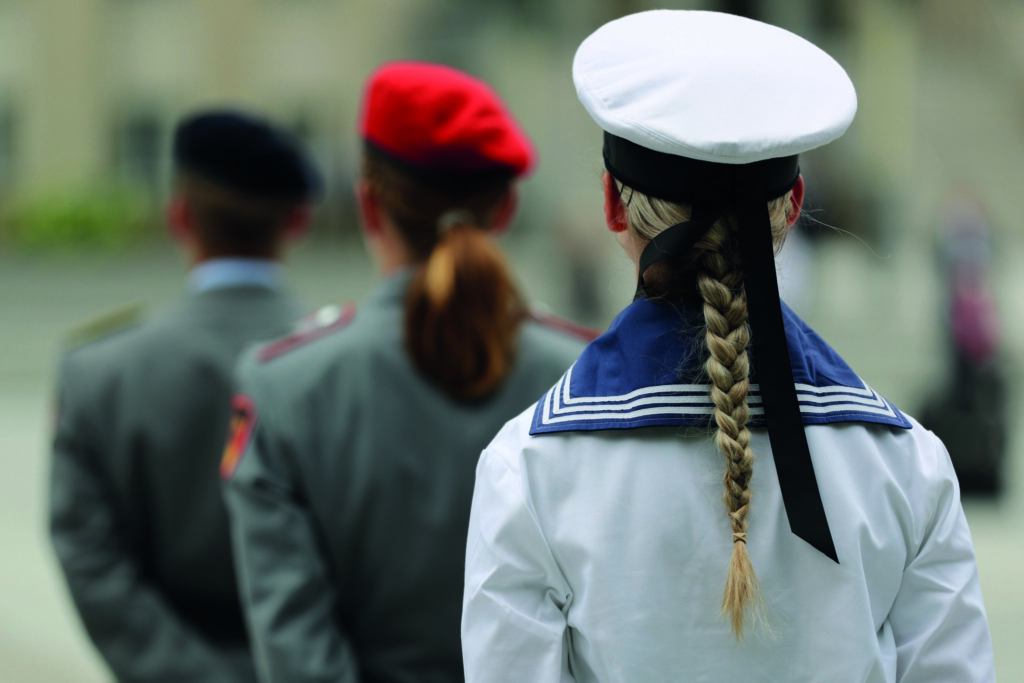
Sexual harassment in the Bundeswehr has recently gained attention due to alarming cases of misconduct, particularly involving members of the Paratrooper Regiment 26 in Zweibrücken, Rhineland-Palatinate. Following these incidents, the Bundeswehr is preparing a dark field study to assess the prevalence of sexual violence among German soldiers. This military sexual misconduct highlights a pressing issue that contradicts the core values of the armed forces. As reports of harassment cases soar, the German Ministry of Defense is under increasing pressure to provide timely and reliable results from this critical sexual misconduct study. Addressing this sensitive topic is essential, as it not only affects the victims but also the integrity of the military as a whole.
The ongoing struggle against inappropriate behavior within the Bundeswehr has brought to light the urgent need for reform. This situation is often described in terms like sexualized misconduct, emphasizing the various forms of sexual violence faced by personnel, including the harrowing accounts of harassment among German soldiers. The spotlight on the Paratrooper Regiment 26 has prompted discussions around ethical conduct and enforcement within military ranks. As cases of military sexual misconduct surface, the importance of conducting thorough investigations and establishing a safe environment for service members becomes increasingly clear. The complexities surrounding these issues require a unified effort to combat unacceptable behaviors and reinforce a culture of respect and accountability.
Understanding Sexual Misconduct in the Bundeswehr
Sexual misconduct within the German military, particularly in the Bundeswehr, is a deeply concerning issue that affects both the integrity of the armed forces and the well-being of the soldiers. Recent reports have cited alarming instances of sexual harassment and violence, particularly linked to the Paratrooper Regiment 26 stationed in Zweibrücken. The Federal Ministry of Defense’s acknowledgment of these issues marks a critical step towards addressing what has been described as a pervasive culture of silence and complicity surrounding sexual violence among German soldiers.
The Bundeswehr’s approach to understanding sexual violence is multifaceted, as highlighted by the planned dark field study set to commence in early 2026. This research aims to uncover the extent of sexual harassment and misconduct within the ranks, thereby providing a factual foundation for implementing necessary reforms and preventive measures. The findings from such studies are crucial, given the rise in reported incidents of sexual self-determination violations and the calls from officials like Henning Otte for immediate action and accountability.
Recent Cases of Sexual Harassment in the Bundeswehr
The cases of harassment reported within the Bundeswehr have drawn significant attention to the systemic issues faced by military personnel. Investigations into the actions of 55 suspects within the Paratrooper Regiment 26 reflect a troubling acceptance of sexualized misconduct that cannot be overlooked. Reports have indicated not only acts of harassment but also extreme behaviors that include violations of narcotics laws. This environment jeopardizes both the moral fabric and operational effectiveness of the military.
Reforms are urgently needed, as the current statistics reveal an unsettling trend in how sexual harassment and violence are handled within the military. The Bundeswehr’s commitment to transparency and accountability will be tested as it progresses with the dark field study, which aims to provide insights into the scale and nature of sexual violence. Failure to address these concerns robustly could lead to an erosion of trust among soldiers and the public, highlighting the urgent necessity for proactive measures and cultural change.
The Role of the Dark Field Study in Addressing Sexual Violence
The dark field study planned by the Bundeswehr represents a pivotal moment in addressing the pervasive issue of sexual violence within the ranks of German soldiers. The study, initiated under the leadership of Eva Högl and currently supported by Henning Otte, aims to collect data that may reveal the underlying patterns of harassment and misconduct. Its findings are anticipated to inform policy changes and training programs designed to eliminate such behaviors, bolstering the Bundeswehr’s claim that sexual assaults are intolerable.
As the Bundeswehr moves forward to implement this study, the attention on the types of harassment, including both verbal and physical abuses, will be crucial. By gathering anonymous data, the military hopes to gain insights that are not influenced by fear of retaliation—creating a safer environment for victims to come forward. This process is vital for understanding the complexities of military sexual misconduct and ensuring that preventative strategies are effectively designed and put into practice.
Impact of Sexual Violence on Military Culture
The impact of sexual violence on military culture is profound, affecting not only the victims but the overall morale and cohesion of military units. In the Bundeswehr, the incidents of harassment in Paratrooper Regiment 26 have acted as a wake-up call, prompting a much-needed discourse on the acceptance of such behaviors. The culture within military ranks often stigmatizes those who come forward, discouraging reports of misconduct and reinforcing a cycle of silence and fear.
Addressing these issues is crucial for fostering an environment of respect and safety. The forthcoming dark field study is expected to shed light on the cultural shifts necessary to combat this longstanding problem. With military leaders increasingly recognizing the detrimental effects of sexual violence on unit integrity, comprehensive cultural reform is essential to ensure that all soldiers can serve in an environment free from harassment.
Policy Reforms in Response to Sexual Misconduct
In light of the alarming incidents of sexual misconduct reported in the Bundeswehr, particularly involving the Paratrooper Regiment 26, significant policy reforms are being called for to address these critical issues. The Federal Ministry of Defense is under increasing pressure to implement actionable reforms that not only respond to reported cases but also prevent future occurrences of harassment and violence. These reforms may include standardized reporting procedures, enhanced training for military personnel on sexual ethics, and stricter penalties for offenders.
Moreover, these policy changes aim to address the systemic nature of sexual violence within military ranks. As discussions around accountability gain momentum, it is essential that the reforms are not merely reactive but proactive, aiming to change the underlying attitudes that allow sexualized misconduct to persist. By fostering a culture of respect and accountability, the Bundeswehr can begin the process of healing and rebuilding trust within its ranks.
Support Systems for Victims of Sexual Harassment
Creating effective support systems for victims of sexual harassment is paramount in addressing the emotional and psychological toll of such incidents within the Bundeswehr. Victims often face significant barriers when reporting misconduct, including fear of stigmatization and retaliation. Therefore, the establishment of confidential reporting mechanisms and access to counseling and support services is essential to empower victims and encourage them to come forward.
The Bundeswehr’s response to recent incidents indicates a recognition of the necessity for these support systems. By ensuring that victims have access to resources and support without judgment, the military can begin to remedy the pervasive culture of silence surrounding sexual misconduct. Increasing awareness and accessibility of these support services will be a vital component in promoting healing and resilience among those who have been affected.
The Importance of Education and Training in Preventing Harassment
Education and training are critical components in the fight against sexual misconduct in the military. By providing thorough training programs on issues surrounding consent, harassment, and personal boundaries, the Bundeswehr can better prepare its personnel to recognize and report inappropriate behaviors. Such proactive measures not only educate military members on the importance of respectful interactions but also contribute to developing a culture that does not tolerate any form of sexual violence.
Additionally, regular workshops focusing on the implications of sexual misconduct can foster an environment where discussions about these issues are normalized, reducing stigma for victims who come forward. As a part of the forthcoming reforms, it is essential for the Bundeswehr to prioritize educational initiatives that empower soldiers with knowledge and tools to prevent harassment in all forms, creating a safer military environment.
The Role of Leadership in Combating Sexual Misconduct
Leadership plays a crucial role in setting the tone for attitudes towards sexual harassment within military institutions. Commanders and senior officials in the Bundeswehr must take a strong stand against sexual misconduct, demonstrating zero tolerance for any form of harassment or violence. By actively promoting accountability and exhibiting leadership that prioritizes the safety of all personnel, the Bundeswehr can foster an environment that discourages unacceptable behaviors.
Furthermore, leaders must be equipped with the tools necessary to challenge inappropriate behavior effectively and to support those affected by sexual misconduct. This includes undergoing training themselves to understand the complexities of these issues and to respond appropriately. The active involvement of leadership is essential for catalyzing positive change, as they serve as role models who can inspire and establish ethical standards within the armed forces.
Community Involvement in Addressing Military Sexual Misconduct
The issue of sexual misconduct in the Bundeswehr is not solely an internal matter but is also a concern for the wider community. Engaging with external stakeholders, including non-governmental organizations, advocacy groups, and the public, can provide valuable insights and support for those affected by military sexual violence. Community involvement can enhance accountability and encourage a collaborative approach to preventing harassment and supporting victims.
Moreover, fostering dialogues between the military and community organizations can lead to more effective awareness campaigns and educational initiatives. By harnessing the collective strength of community resources, the Bundeswehr can improve its response mechanisms and establish stronger support systems for military personnel dealing with harassment. Highlighting these partnerships demonstrates a commitment to addressing sexual misconduct comprehensively and transparently.
Frequently Asked Questions
What is the current state of sexual harassment in the Bundeswehr following the Paratrooper Regiment 26 incidents?
The recent incidents of severe sexual harassment within the Paratrooper Regiment 26 in Zweibrücken have raised alarming concerns about sexual harassment in the Bundeswehr. These cases have led to investigations against 55 soldiers, which include accusations of sexual violence and misconduct. The Bundeswehr acknowledges the need for a thorough understanding of the extent of military sexual misconduct, prompting the initiation of a dark field study to analyze these issues.
How will the Bundeswehr’s dark field study help address sexual violence among German soldiers?
The Bundeswehr’s dark field study, set to begin in early 2026, aims to uncover the actual prevalence of sexual violence among German soldiers, specifically focusing on sexual harassment in the Bundeswehr. This study, initiated in response to increased reports of sexual self-determination violations, will provide valuable insights into the scope of military sexual misconduct, enabling the Bundeswehr to develop better prevention strategies and support mechanisms.
What are the main objectives of the sexual misconduct study in the Bundeswehr?
The primary objective of the sexual misconduct study in the Bundeswehr is to investigate and clarify the extent of sexual harassment and violence within military ranks, particularly after the troubling revelations from the Paratrooper Regiment 26. By gathering comprehensive data on these issues, the study intends to enhance accountability, inform effective policy changes, and uphold the values against sexualized misconduct in the military.
What is the response of the Bundeswehr to allegations of sexual harassment and misconduct?
In light of the recent allegations of sexual harassment and misconduct, especially linked to the Paratrooper Regiment 26, the Bundeswehr has expressed a strict stance against such behaviors. A spokesperson emphasized that sexual assaults contradict the military’s core values and are intolerable. The organization is prioritizing the investigation of these claims and is committed to implementing necessary changes stemming from the findings of the upcoming sexual misconduct study.
What steps is the Bundeswehr taking to combat sexual harassment in military settings?
In response to the growing concerns over sexual harassment in military settings, particularly within the Bundeswehr, several key steps are being taken. This includes the initiation of a dark field study to accurately assess the scope of sexual misconduct cases among German soldiers. Additionally, calls from officials such as the Parliamentary Commissioner for faster implementation of this research highlight the military’s commitment to address and combat sexual violence and harassment effectively.
| Aspect | Details |
|---|---|
| Incidents | Severe sexual harassment and violence cases reported involving members of Paratrooper Regiment 26 in Zweibrücken. |
| Study Objective | A dark field study planned to assess the extent of sexual violence among German soldiers. |
| Timeline | Implementation of the study is set for early 2026, with no current timeline for reliable results. |
| Importance | Scientific examination of sexualized misconduct is seen as vital for the Bundeswehr. |
| Initiation | Study initiated in 2024 by Parliamentary Commissioner Eva Högl. |
| Current Action | Current Commissioner Henning Otte insists on prompt actions and results due to rising reports. |
| Investigations | 55 suspects investigated; 23 soldiers faced dismissal or already dismissed. |
| Legal and Ethical Standpoint | Sexual assaults are against Bundeswehr’s values and will not be tolerated. |
Summary
Sexual harassment in the Bundeswehr remains a critical issue, with severe cases prompting the German military to launch an essential dark field study in response. This initiative aims to uncover the true extent of sexual violence among soldiers, acknowledging the growing number of reported incidents and the complexity of the topic. The Bundeswehr’s leadership has recognized the necessity for a thorough investigation, emphasizing a zero-tolerance policy against any misconduct. With the study set to begin in early 2026, the military is under increasing pressure to act swiftly and transparently in addressing these troubling issues.

