
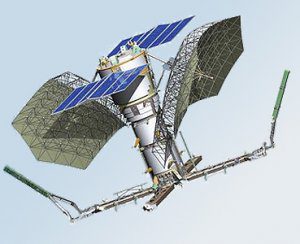
Russian reconnaissance satellites play a pivotal role in modern military operations, providing critical satellite surveillance capabilities over areas like Germany. As these advanced satellites orbit the Earth, they gather vital intelligence that informs space military strategy and enhances the effectiveness of maneuver warfare. Military expert Ralph D. Thiele has emphasized the urgency of recognizing our neglect of space as nations like Russia leverage their reconnaissance in space to maintain a strategic advantage. Through the continual monitoring of foreign territories, these satellites facilitate not only defense preparations but also proactive military planning. The growing presence of Russian satellites underscores the need for increased awareness and response to the evolving dynamics of global security.
In the realm of contemporary defense tactics, the deployment of Russian surveillance satellites represents a significant advancement in aerial observation. These assets, essential for gathering intelligence from above, are instrumental in shaping military strategies and responding to emerging threats. Experts like Ralph D. Thiele highlight the importance of understanding how reconnaissance technologies influence global military relations, especially in Europe. The ability to conduct satellite-based monitoring also signifies a shift towards more agile and adaptable warfare methodologies. As nations navigate the complexities of modern military engagement, exploring the functions of these high-tech satellites becomes crucial in assessing future security landscapes.
The Importance of Russian Reconnaissance Satellites
Russian reconnaissance satellites have become a pivotal asset in the realm of global military strategy, particularly as they regularly traverse German airspace. These satellites not only provide real-time intelligence but also play a significant role in the evolving dynamics of space military strategy. The ability of Russia to leverage advanced satellite surveillance technologies underscores a shift where aerial reconnaissance transitions from traditional means to sophisticated space operations.
The presence of these satellites over Germany is a stark reminder of the urgent need for awareness and response strategies among European nations. As military expert Ralph D. Thiele emphasizes, the implications of maneuver warfare in space mean that the balance of power can be challenged without a shot fired. This highlights a critical aspect of modern conflict, where intelligence-gathering becomes decisive in preemptively addressing potential threats.
Maneuver Warfare in Space: A New Tactical Approach
Maneuver warfare is not a new concept; however, its application in the context of space is revolutionary. The operational dynamics involve not just ground forces but also the strategic deployment of satellite capabilities to support military objectives across vast distances. Ralph D. Thiele argues that this paradigm shift requires a reevaluation of military tactics and the incorporation of advanced technology into national defense strategies.
The maneuver warfare strategy underscores the necessity for nations to enhance their satellite oversight capabilities, including satellite surveillance in Germany. The ongoing capabilities demonstrated by Russian satellites imply that European defense policies may need a comprehensive update. This includes refining surveillance tactics and investing in countermeasures to mitigate the risks posed by adversarial satellite operations.
Satellite Surveillance: The Key to Enhanced Security
The role of satellite surveillance in national security cannot be overstated. As Russian reconnaissance satellites continue to breach German airspace, the importance of sophisticated monitoring systems becomes evident. These satellite systems are capable of detecting troop movements, missile launches, and other critical activities, providing significant insights that are essential for informed decision-making in military strategy.
Moreover, the evolution of satellite technologies means that countries must invest heavily in their own capabilities to ensure they are not left vulnerable. Developing robust satellite systems will allow nations to effectively surveil activities that may threaten their sovereignty. The advancement of reconnaissance in space has thus become a cornerstone of modern military frameworks, shaping how countries prepare for potential conflicts.
Ralph D. Thiele’s Insights on Space Military Strategy
Ralph D. Thiele, a prominent military expert, has been vocal about the implications of Russian reconnaissance activities in space. He identifies a creeping reliance on space-based assets that has yet to be fully recognized by Western military strategists. Thiele warns that the unchallenged presence of Russian satellites can undermine collective security, challenging the very structure of NATO and its traditional defense postures.
In his analyses, Thiele points toward the necessity of integrating space capabilities into military curricula and training programs. Future military leaders need to be adept in recognizing how satellite surveillance and space tactics will dictate engagements on Earth. By understanding these principles, strategic planners can better prepare for the evolving landscape of warfare, increasing their nation’s resilience against astute adversaries.
The Shift Toward Comprehensive Space Defense
With the increasing frequency of Russian reconnaissance satellites over Germany, there is an emerging consensus on the need for a comprehensive space defense strategy. Countries must not only enhance their satellite surveillance capabilities but also develop frameworks to protect these assets from potential threats. This includes both cyber defenses against electronic attacks and physical defenses against anti-satellite weapons.
Establishing a robust space defense capability will require collaboration between nations and the private sector. Developing partnerships to innovate satellite technology and enhance mutual surveillance efforts can help secure a strategic advantage in an era where maneuver warfare is becoming ingrained in military practices. By unifying these efforts, nations can create a formidable response to the challenges posed by advancements in space military strategy.
Challenges of Reconnaissance in Space
Despite the strategic advantages offered by reconnaissance in space, several challenges persist. The primary concern revolves around the detection and interception of satellites, which can potentially compromise military operations. As Russian satellites routinely gather intelligence over Germany, the challenge lies in deploying effective countermeasures that can neutralize threats without escalating tensions.
Moreover, the legal and ethical dimensions of satellite reconnaissance must be carefully considered. International laws governing space activities need to evolve alongside technological advancements. As nations enhance their satellite infrastructures, they must also engage in diplomatic discussions to prevent conflicts that could arise from misuse of satellite reconnaissance and surveillance.
Future Directions in Space Military Strategy
The future of space military strategy is poised for transformation as nations recognize the strategic benefits of robust satellite infrastructures. Countries must prioritize the creation of satellite fleets capable of supporting both defensive and offensive capabilities. In doing so, they can effectively respond to the growing presence of adversarial reconnaissance operations such as those undertaken by Russia.
Investment in innovative technologies, such as artificial intelligence for satellite data analysis, could further enhance the capacity for timely and actionable intelligence. Integrating these advancements with traditional military systems could redefine how operations are conducted, ensuring that nations maintain a competitive edge in the complex realm of military strategy.
Integrating Satellite Technology into National Defense
For nations like Germany, integrating satellite technology into national defense strategies is no longer optional. The frequency of Russian reconnaissance satellites necessitates a swift response through technological advancements. Countries must develop systems capable of not just monitoring but also leveraging satellite data for strategic planning and execution.
This means establishing resilient satellite networks that can withstand attempts at disruption or sabotage. As military strategies evolve with technology, the focus should shift towards creating a multi-layered defense architecture that encompasses ground, air, and space capabilities, ensuring holistic security against potential threats.
Conclusion: The Imperative of Space Vigilance
In conclusion, as military expert Ralph D. Thiele indicates, the frequent presence of Russian reconnaissance satellites over Germany serves as a wake-up call for nations to enhance their space vigilance. The implications of maneuver warfare in space are profound, calling for immediate actions to secure sovereignty and operational readiness.
The investment in satellite capabilities, coupled with comprehensive defense strategies, is essential in the current geopolitical climate. As nations navigate these complexities, the focus must remain on cultivating an agile and informed military that can effectively respond to and counteract the challenges posed by global adversaries.
Frequently Asked Questions
What is the role of Russian reconnaissance satellites in space military strategy?
Russian reconnaissance satellites play a critical role in space military strategy by gathering intelligence and conducting surveillance. They provide real-time data that can influence tactical and strategic decisions within the military hierarchy, especially in conflict zones.
How do Russian reconnaissance satellites impact satellite surveillance in Germany?
Russian reconnaissance satellites significantly enhance satellite surveillance capabilities over Germany, enabling them to monitor military movements and other strategic activities. This persistent surveillance can challenge German defenses and impact national security planning.
Who is Ralph D. Thiele and what are his views on Russian reconnaissance satellites?
Ralph D. Thiele is a military expert who has raised awareness about the capabilities of Russian reconnaissance satellites, emphasizing that these satellites are pivotal in modern maneuver warfare and that Europe has underestimated their influence.
What technologies are employed by Russian reconnaissance satellites to enable reconnaissance in space?
Russian reconnaissance satellites utilize advanced imaging technologies, signal intelligence, and electronic reconnaissance systems to collect data from space. These technologies allow them to achieve high-resolution imagery and gather actionable intelligence.
How do Russian reconnaissance satellites demonstrate maneuver warfare in modern combat?
The concept of maneuver warfare involves using flexibility and speed to outmaneuver opponents. Russian reconnaissance satellites exemplify this by providing crucial real-time intelligence that can swiftly adapt strategies and responses during military operations.
What are the implications of frequent Russian reconnaissance satellite flights over Germany?
The frequent flights of Russian reconnaissance satellites over Germany suggest a heightened level of military surveillance and intelligence gathering, posing potential risks to national security and prompting discussions on defense readiness in Europe.
Can Russian reconnaissance satellites change the landscape of military operations in Europe?
Yes, Russian reconnaissance satellites have the potential to change the landscape of military operations in Europe by offering enhanced intel that can inform preemptive actions and strategic military planning, influencing the balance of power in the region.
| Key Point | Details |
|---|---|
| Russian Reconnaissance Satellites | Russian satellites are regularly observed over German territory, flying multiple times a day. |
| Expert Opinion | Military expert Ralph D. Thiele emphasizes the importance of recognizing the current dynamics of space as a battleground. |
| Current Situation | There is a perceived negligence regarding space capabilities, with experts suggesting a lack of focus. |
Summary
Russian reconnaissance satellites have become a significant aspect of modern military strategy, especially noted for their frequent operations over German airspace. Experts like Ralph D. Thiele raise concerns about the oversight in recognizing the importance of space in contemporary warfare, indicating a need for enhanced focus on space capabilities to address ongoing and future threats.

