
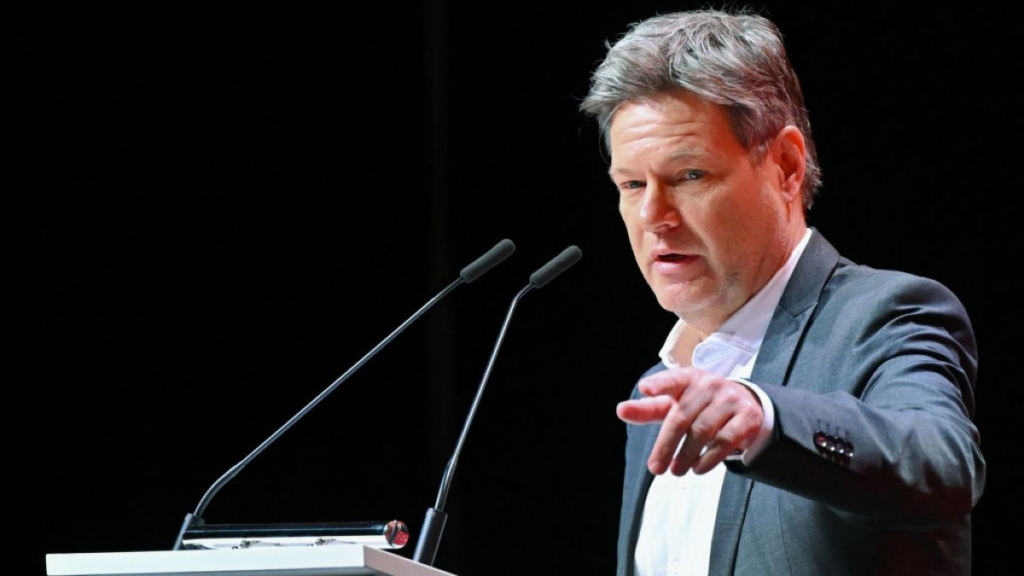
The recent developments surrounding Robert Habeck’s special treatment have sparked significant discussion about press freedom and political bias in Germany. In an unusual move, the Dresden Public Prosecutor’s Office forwarded an inquiry about ongoing investigations against Habeck to his lawyer, raising eyebrows about the integrity of the judicial process. Critics have pointed out that this act may undermine transparency and fair reporting, especially in a political climate rife with scrutiny of public figures. The Dresden Administrative Court has responded by condemning this interference, emphasizing the crucial role of unbiased journalism in holding politicians accountable. As these investigations continue, understanding the implications of such special treatment becomes imperative in ensuring the public’s right to informed discourse on Robert Habeck news and related political matters.
The controversy surrounding the treatment of Robert Habeck highlights broader concerns regarding the safeguarding of journalistic integrity and the impartiality of legal proceedings in political contexts. The intervention by the Dresden Public Prosecutor’s Office, which involved sharing sensitive information with Habeck’s legal team, raises questions about the potential for political favoritism within the justice system. Investigations against high-profile politicians are often fraught with challenges, and any perceived bias can detract from their credibility. The concerns voiced by the Dresden Administrative Court about press interference shed light on the delicate balance that exists between safeguarding individual rights and maintaining the essential function of a free press. As observers monitor the ongoing situation, the implications for future investigations and the treatment of government officials remain critical to the discourse on both press freedom and accountability.
Court’s Stance on Special Treatment for Robert Habeck
The Dresden Administrative Court has recently voiced strong criticism over the special treatment afforded to Robert Habeck during ongoing investigations. The court highlighted that the forwarding of a press inquiry to Habeck’s lawyer by the Dresden Public Prosecutor’s Office represents a significant breach of the principle of press freedom. This intervention raises concerns about the transparency of political processes and the integrity of legal investigations, especially when it involves prominent politicians.
The court’s ruling is seen as a pivotal moment in the ongoing discourse on press freedom in Germany, where the intersection of media inquiries and political bias often comes under scrutiny. The implications of this decision extend beyond Habeck, touching on broader issues of how investigations against politicians are conducted and how justice is administered effectively and fairly.
Press Freedom: The Bedrock of Democratic Society
Press freedom is a fundamental pillar of any democratic society and is essential for holding public figures accountable. The recent case involving Robert Habeck has ignited discussions surrounding the extent to which public officials can influence legal proceedings. The call by the Dresden Administrative Court for greater accountability and transparency emphasizes the role of journalism in uncovering truths, especially concerning political biases that could undermine public trust.
As the court delineated the boundaries of lawful conduct, it also reaffirmed the necessity for journalists to engage freely without fear of retribution or undue interference from state authorities. The implications of this ruling could serve as a precedent, as it underscores the careful balance between the rights of public figures like Habeck and the invaluable role of the media in a functioning democracy.
Investigations Against Politicians: The Need for Fairness
Investigations against prominent politicians such as Robert Habeck must adhere to strict guidelines to ensure that fairness and objectivity are maintained throughout the legal process. The spotlight on such investigations often brings forth allegations of political bias, and any perceived preferential treatment can erode public trust in governmental institutions. The Dresden Administrative Court’s landmark decision serves as a reminder of the importance of impartiality in legal inquiries, especially when dealing with politically sensitive cases.
Furthermore, the scrutiny faced by politicians under investigation necessitates a robust framework that safeguards against any form of manipulation. Ensuring that journalistic inquiries are respected and not interfered with is vital for the democratic ethos. As society moves forward, the need for legislators and legal entities to uphold the tenets of justice and democracy becomes increasingly critical.
The Intersection of Politics and Media
The relationship between politics and media is often fraught with tension, particularly in cases involving high-profile politicians like Robert Habeck. The recent criticisms surrounding the handling of press inquiries expose the thin line between fair media coverage and governmental overreach. This intersection is crucial for understanding the dynamics of public perception and the accountability of elected officials.
Effective communication between the media and political entities is essential for transparency in governance. However, as seen from the court’s criticism, when that relationship becomes skewed in favor of one party, the fundamental principles of democracy are put at risk. Maintaining a healthy tension between media freedoms and political accountability is essential to foster an environment where democracy can flourish.
Legal Implications of the Dresden Court Ruling
The legal ramifications of the Dresden Administrative Court’s ruling regarding Robert Habeck are profound. This decision underscores the judiciary’s role in protecting press freedoms and establishes a precedent for how similar cases may be handled in the future. The court has taken a definitive stance against any actions that may inhibit journalistic freedom, reinforcing the legal framework that underpins democratic societies.
Moving forward, the ruling may lead to stricter regulations regarding how public officials interact with law enforcement and how media inquiries are processed. Additionally, it places a spotlight on the necessity for clear protocols that prevent conflicts of interest and ensure that investigations remain unbiased, thereby enhancing public trust in the political and judicial systems.
Public Reaction to Investigations Against Robert Habeck
Public opinion surrounding investigations into politicians like Robert Habeck can be deeply polarized. The recent court finding about special treatment has sparked a significant reaction from both supporters and critics. For many, it raises vital questions about accountability and the integrity of political figures, while others express concern over the potential for media manipulation and the effects of sensational journalism on public perception.
The scenario develops as more individuals begin to question the motives behind these investigations and whether they are politically motivated rather than based on genuine legal grounds. Discussions on social media platforms and public forums reveal a growing awareness and apprehension about how these cases can affect not only the individuals involved but also the underlying democratic foundations of the country.
Implications for Future Political Investigations
The implications of the Dresden Administrative Court’s ruling will likely resonate through future political investigations, particularly those involving high-profile politicians like Robert Habeck. The emphasis on fair treatment and the protection of press freedoms sets a clear standard that may affect how similar cases are managed in the future. This kind of judicial oversight aims to curtail any potential bias and reassures the public of the integrity of the legal system.
As scholars and analysts begin to assess the broader impacts of this landmark ruling, discussions about necessary reforms within the political and legal frameworks will be vital. Ensuring that future investigations do not face similar critiques will require vigilant adherence to principles of justice and accountability, further enhancing the legitimacy of political processes.
Media Responsibility in Covering Politicians
As the court ruling highlights the special treatment directed toward Robert Habeck, it also raises critical questions about media responsibility in covering political figures. Journalists play an essential role in shaping public discourse and holding politicians accountable. However, this responsibility also carries the burden of ensuring that news coverage remains free from bias and sensationalism.
In the wake of the court’s criticism, media outlets may need to evaluate their practices to ensure that their reporting does not contribute to a narrative that could be viewed as politically motivated. Establishing ethical guidelines around reporting on politicians under investigation can fortify public trust and support the principles of a free press.
The Role of the Judiciary in Protecting Democracy
The judiciary serves a pivotal role in safeguarding democratic principles, particularly regarding cases involving public figures like Robert Habeck. The Dresden Administrative Court’s stance against unlawful interference illustrates the importance of an independent judiciary that can uphold the rights of individuals while also protecting fundamental freedoms such as press freedom. This balance is crucial in maintaining public confidence in the democratic process.
Judicial intervention serves not only to correct potential biases but also to remind the legislature and state institutions of their responsibilities. Upholding the integrity of the legal process requires vigilance from judicial authorities to ensure fairness, thus reinforcing the foundations of democracy and preventing the emergence of political bias that could jeopardize public trust in government.
The Intersection of Law and Ethics in Political Investigations
The recent controversies surrounding Robert Habeck shed light on the intersection of law and ethics in political investigations. The Administrative Court’s ruling underscores the necessity for legal practitioners to operate within ethical boundaries that prioritize transparency and fairness. It reminds all stakeholders, including the media, of the ethics involved in covering political matters.
As future investigations unfold, the focus on ethical practices will be crucial in maintaining credibility and public trust. By adhering to high standards, all parties involved can contribute to a narrative that is not only legally sound but also ethically robust, ensuring that democratic processes remain intact and respected.
Frequently Asked Questions
What does the Dresden Administrative Court say about the special treatment of Robert Habeck?
The Dresden Administrative Court criticized the unlawful interference in press freedom regarding the special treatment of Robert Habeck. The court condemned the biased handling of press inquiries related to investigations against the prominent politician.
How does the press freedom relate to Robert Habeck’s special treatment in court cases?
The press freedom is directly impacted by Robert Habeck’s special treatment, as highlighted by the Dresden Administrative Court. The court’s ruling emphasizes that such preferential treatment compromises journalistic integrity and hinders independent reporting on investigations against politicians.
What was the involvement of the Dresden Public Prosecutor’s Office in Robert Habeck’s case?
The Dresden Public Prosecutor’s Office forwarded a press inquiry about investigations against Robert Habeck to his lawyer without solicitation. This action led to criticism from the Administrative Court for potentially infringing on press freedom and demonstrating political bias.
Is political bias evident in the treatment of Robert Habeck according to recent news?
Recent news indicates that the treatment of Robert Habeck has raised concerns about political bias, particularly due to the interventions by the Dresden Public Prosecutor’s Office that favored the prominent politician, as noted by the Administrative Court’s condemnation.
What are the implications of the court’s criticism of Robert Habeck’s special treatment?
The implications of the Dresden Administrative Court’s criticism of Robert Habeck’s special treatment include a reaffirmation of press freedom and a warning against political interference. It suggests a need for more equitable treatment of all politicians under investigation.
| Key Point | Details |
|---|---|
| Court’s Criticism | The Administrative Court condemns actions affecting press freedom. |
| Press Inquiry Issue | The Dresden Public Prosecutor’s Office forwarded a press request to Robert Habeck’s lawyer. |
| Biased Treatment | The court noted the special treatment given to the high-profile individual. |
Summary
Robert Habeck special treatment has come under scrutiny due to recent legal findings. The Administrative Court has highlighted serious concerns regarding press freedom and the improper handling of inquiries related to Habeck. It is crucial for the integrity of judicial processes that all defendants, regardless of their public standing, are treated equally under the law.

