
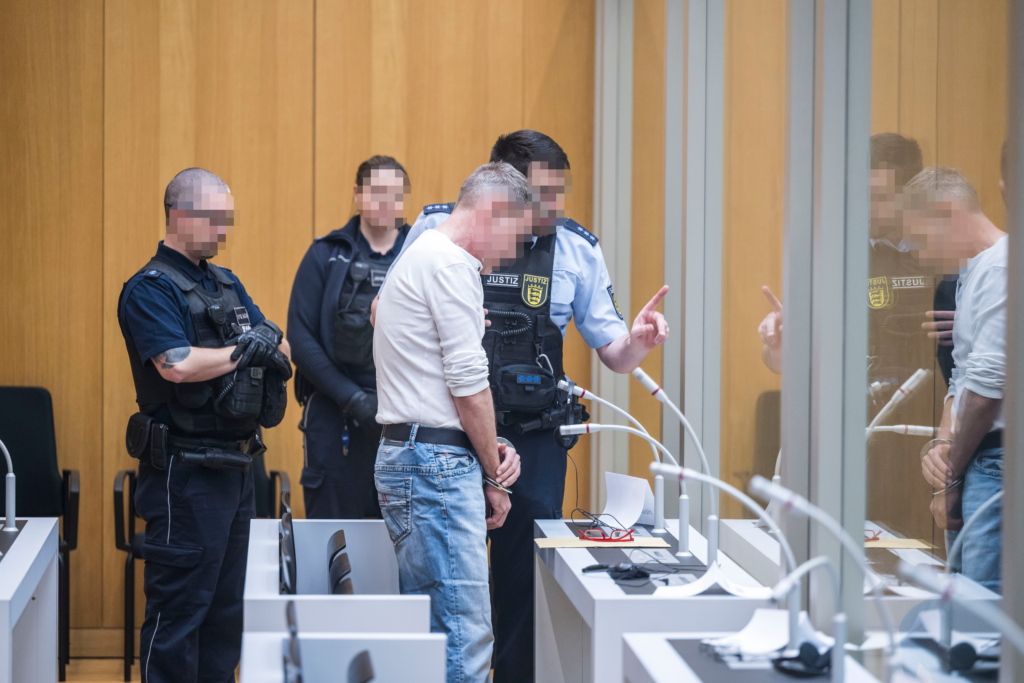
The ongoing Reichsbürger trial has captured public attention, largely due to its connections with right-wing terrorism and the potential threat posed by extremist movements in Germany. Initially surrounded by palpable tension and anticipation, the trial has devolved into a revealing examination of the German judiciary’s handling of complex legal evidence in terrorism cases. Rather than delivering concrete proof against the main defendant, Heinrich XIII. Prince Reuß, the court has focused on trivial recordings and communication exchanges that fail to substantiate the serious allegations of terrorism. This shift in focus raises concerns about the effectiveness of judicial proceedings in addressing urgent threats to democracy and the rule of law. As skepticism begins to mount regarding the prosecution’s case, the trial invites critical reflection on how the state manages and responds to rising extremist ideologies in society.
The proceedings associated with the “Reichsbürger” case, also known as the Citizen of the Reich trial, reflect broader issues regarding the judicial response to right-wing extremism in Germany. This high-profile trial serves as a litmus test for the capacity of the legal system to address growing concerns related to extremist groups that challenge democratic principles. Observers are not only focused on the implications for Prince Reuß but are also analyzing the strategies employed by the German judiciary to gather and present compelling evidence against such movements. Additionally, the trial raises vital questions about how authorities can maintain public trust while effectively countering the threats posed by radical factions. As this case unfolds, it is crucial to consider the balance between civil liberties and national security in the context of preventing the rise of extremist ideologies.
Understanding the Reichsbürger Trial and Its Implications
The Reichsbürger trial, centered on the activities of Heinrich XIII. Prince Reuß and his affiliates, sheds light on the complex intersection of right-wing extremism and the German judiciary’s role in addressing such movements. Initially, the trial garnered pivotal public attention as many citizens feared a rise in extremist behavior that could jeopardize democratic values. However, as proceedings continue, the focus appears to have shifted from well-founded concerns to seemingly trivial evidence, calling into question the trial’s efficacy in tackling the real threats posed by right-wing terrorism.
With the prosecution’s focus on mundane communications rather than substantive evidence, the trial runs the risk of becoming a mockery in the eyes of the public. This raises deeper concerns about the ability of the German judiciary to effectively dismantle extremist movements identified as potential threats to national security. The outcome of the trial could significantly influence public perception on how seriously authorities are addressing right-wing terrorism and whether current legal frameworks are robust enough to handle such radical ideologies.
The Role of Legal Evidence in Terrorism Cases
Legal evidence is paramount in terrorism cases, and the ongoing Reichsbürger trial illustrates the consequences of insufficient or circumstantial evidence on public trust in the justice system. Prosecutors’ reliance on unproductive phone records and basic communication lacks the substantive proof needed to establish the real danger posed by accused individuals. This situation exemplifies the legal challenges faced in prosecuting right-wing terrorism effectively and raises questions on how evidence is gathered and presented by the judiciary.
The necessity for credible evidence in terrorism trials cannot be overstated. Without clear and compelling legal backing, allegations against extremist movements like those within the Reichsbürger can lose potency in the eyes of the law and the public. The focus on lesser, more mundane details threatens to undermine the seriousness of prosecution efforts, which may embolden extremist factions if they perceive legal proceedings as ineffective or lacking rigor.
Implications for the German Judiciary and Public Trust
As the Reichsbürger trial unfolds, the implications for the German judiciary are profound. The reliance on trivial evidence can lead to a significant erosion of public confidence in legal institutions. When the judiciary is perceived as incapable of addressing real threats posed by right-wing extremists adequately, it can spark a sense of disillusionment among citizens regarding the effectiveness of justice. This condition could result in a serious gap between the public’s expectations of the legal system and its actual performance.
Reestablishing public trust is crucial for the German judiciary in the face of rising extremist movements. Authorities must balance the need for rigorous legal action against right-wing terrorism while ensuring that cases are built on solid, demonstrable evidence. As Germany grapples with these challenges, the outcome of the Reichsbürger trial will likely serve as a litmus test for the effectiveness of current counter-terrorism strategies and their adequacy in the combat against extremist ideologies.
The Challenges in Prosecuting Right-Wing Extremism
Prosecuting right-wing extremism presents unique challenges, and the Reichsbürger trial highlights some of these difficulties. The intricacies involved in gathering and presenting evidence that aligns with the serious nature of allegations around extremist threats complicate cases significantly. Prosecutors often struggle to move beyond circumstantial evidence, leading to frustration and skepticism about the judiciary’s capacity to handle such high-stakes cases.
Moreover, the legal landscape surrounding right-wing terrorism is continually evolving, necessitating adapted strategies to manage growing extremist threats effectively. The trial of Heinrich XIII. Prince Reuß illustrates that as new forms of extremist movements emerge, there is an urgent need for the judicial system to develop more robust methods for prosecution and evidence handling, aiming to prevent future acts of domestic terrorism.
Evolving Strategies to Combat Extremism
In light of the circumstances surrounding the Reichsbürger trial, it becomes evident that evolving strategies to combat extremism are necessary for the German state. With the rise of movements like the Reichsbürger, authorities must reexamine current measures to ensure they are equipped to effectively address the complexities of right-wing terrorism. The trial highlights not only judicial inefficiencies but also the pressing need for proactive measures to thwart extremist agendas before they gain inroads into public consciousness.
Furthermore, these strategies must include not just legal avenues but also educational and community-oriented interventions. The state must engage with local communities to foster resilience against extremist ideologies while simultaneously reinforcing the rule of law. Only through comprehensive strategies can the administration regain the public’s trust while effectively countering the threats posed by emerging extremist movements.
Public Perception and the Threat of Right-Wing Terrorism
Public perception plays a critical role in the ongoing discourse surrounding the Reichsbürger trial and its implications for right-wing terrorism. The initial outrage associated with the trial underscored societal fears regarding extremist groups seeking to undermine democracy. However, as judicial proceedings are mired in trivial evidence, the potential for public skepticism grows, endangering necessary support for strong legal measures against right-wing extremism.
A shift in public perception, from fear to skepticism, could fundamentally alter the landscape of how right-wing terrorism is approached within Germany. When citizens lose faith in their legal system’s ability to contend with serious threats, it presents a dangerous precedent. Hence, it is essential for the judiciary to recalibrate its approach to restore public trust and ensure that right-wing extremist movements face the repercussions warranted by their actions.
Has the Court’s Approach Failed the German Public?
Evaluating whether the court’s approach in the Reichsbürger trial has failed the German public hinges on the effectiveness of its legal processes in addressing right-wing extremism. As judges become preoccupied with mundane evidence and irrelevant communications, the crux of the trial shifts away from addressing the genuine threats posed by such extremist groups. A judicial system that does not respond adequately to the gravity of these threats risks failing the very constituents it is supposed to protect.
The perception of legal ineffectiveness can lead to broader societal consequences, including a rise in extremist sentiment within the public. Citizens may feel disillusioned if they perceive that outlined threats are being underestimated in court. Therefore, the judiciary must reconsider its strategy and approach to ensure that the substantial risks associated with right-wing terrorism are appropriately acknowledged and prosecuted.
The Importance of Legal Frameworks and Evidence
The legal frameworks surrounding terrorism prosecution are crucial in shaping outcomes within cases similar to the Reichsbürger trial. The efficacy of such frameworks depends heavily on the presentation of coherent and compelling evidence that aligns with the serious nature of the threats posed. The ongoing focus on trivial matters in the trial raises deep concerns about whether existing legal standards are adequate to confront the nuanced challenges posed by right-wing movements.
Strengthening legal evidence protocols can empower prosecutors to more effectively combat extremist ideology in court. Authorities must prioritize developing methodologies that facilitate the rigorous examination of evidence to bolster their cases against groups like the Reichsbürger. A reformed approach is essential to ensure that the stakes of combating extremism are taken seriously by the judiciary.
Future Outlook and Counter-Terrorism Measures
Looking ahead, the future of counter-terrorism measures in Germany must integrate lessons learned from the Reichsbürger trial. As the public and legal authorities review the effectiveness of existing strategies against right-wing terrorism, it becomes imperative that dynamic and responsive measures are put into place to address evolving extremist ideologies.
The implications of the trial extend beyond immediate judgments, influencing future legislative and law enforcement tools designed to enhance the country’s fight against terrorism. Ultimately, a proactive approach that resonates with public sentiment and strengthens legal efficacy can help curb extremism before it escalates into larger societal threats.
Frequently Asked Questions
What is the significance of the Reichsbürger trial in terms of right-wing terrorism in Germany?
The Reichsbürger trial is significant as it aims to address the threats posed by the Reichsbürger movement, which is linked to right-wing terrorism. It seeks to clarify how this extremist movement threatens democratic structures and the rule of law in Germany.
Who is the main defendant in the Reichsbürger trial and what are the accusations against him?
The main defendant in the Reichsbürger trial is Heinrich XIII. Prince Reuß. He is accused of being part of an extremist movement that potentially undermines democratic governance, although the trial has faced criticism for lacking substantial legal evidence in terrorism cases.
How are current proceedings in the Reichsbürger trial affecting public perception of the German judiciary?
Current proceedings in the Reichsbürger trial are leading to skepticism about the efficacy of the German judiciary. With the trial becoming dominated by unproductive communications rather than concrete evidence of terrorism, public trust in the judiciary’s ability to combat right-wing extremism may wane.
What role does legal evidence play in the prosecution of the Reichsbürger movement?
Legal evidence is crucial in prosecuting members of the Reichsbürger movement, as it establishes the basis for the severity of the charges. However, in the current trial, the lack of solid evidence raises questions about the validity of the accusations related to right-wing terrorism.
How could the outcome of the Reichsbürger trial influence future legal actions against extremist movements?
The outcome of the Reichsbürger trial may influence future legal strategies against extremist movements by highlighting the necessity of presenting clear and credible evidence in terrorism cases. This could prompt a reevaluation of how the German judiciary addresses threats posed by right-wing terrorism.
What challenges does the German judiciary face in combating right-wing extremism based on the Reichsbürger trial proceedings?
The German judiciary faces challenges in combating right-wing extremism, as evidenced by the Reichsbürger trial’s focus on trivial communications rather than substantial legal evidence. This situation raises concerns over the effectiveness of existing strategies to counteract extremist tendencies.
How does the Reichsbürger trial reflect broader issues within the legal system regarding terrorism?
The Reichsbürger trial reflects broader issues within the legal system regarding terrorism, including the critical need for adequate evidence to substantiate claims of extremist threats. The trial’s current trajectory raises important questions about judicial efficiency and the state’s commitment to handling right-wing terrorism.
What impact might the Reichsbürger trial have on public trust in the legal system in Germany?
The Reichsbürger trial might impact public trust by fostering skepticism around the judicial process, particularly if it continues to lack substantive evidence against the defendants. This could lead to greater public demand for accountability and effectiveness in the fight against right-wing terrorism.
| Key Points | Details | |
|---|---|---|
| Main Defendant | Heinrich XIII. Prince Reuß, central figure in the trial. | |
| Initial Public Excitement | The trial sparked significant public interest due to the charges. | |
| Nature of the Evidence | Prosecutors are focusing on trivial phone recordings and chats. | |
| Seriousness of Charges | Allegations center around right-wing terrorism; however, evidence is lacking. | |
| Public Perception Shift | Concerns over the efficiency of the judiciary are growing among the public. | |
| Impact on Democratic Structures | The trial raises questions about the effectiveness of measures against extremist movements. | |
| Judicial Trust and Management | Clear evidence is essential for maintaining public trust in the judiciary. | |
Summary
The Reichsbürger trial has become a contentious issue that underscores the challenges faced by the German judiciary in addressing right-wing extremism. Originally intended to highlight the threat posed by the Reichsbürger movement, the proceedings have devolved into a review of mundane communications, raising doubts about the efficacy of evidence presented. This shift in focus could lead to a reevaluation of how extremist movements are dealt with in Germany, emphasizing the need for credible evidence to ensure public trust in the justice system.

