
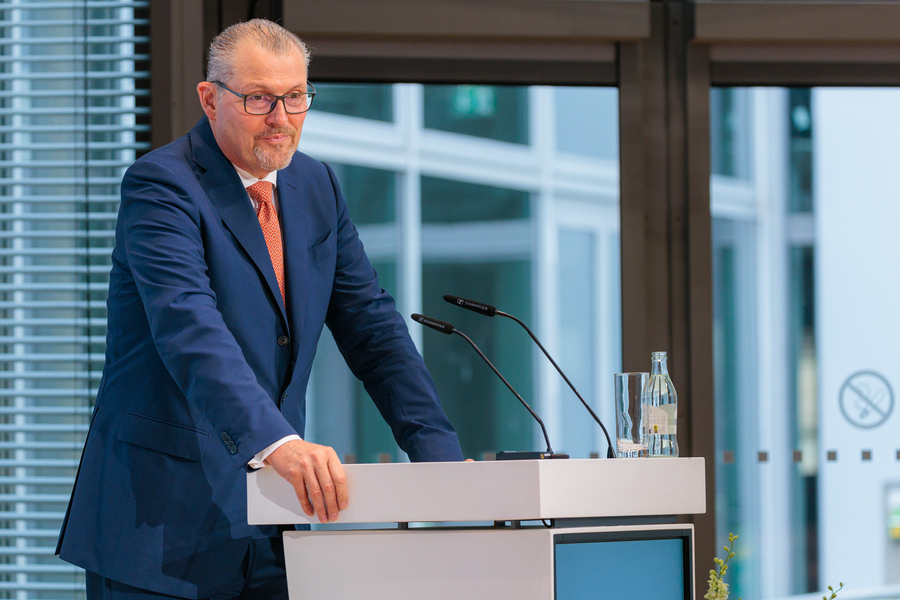
Rainer Dulger reforms echo a crucial call to action for Germany as the nation grapples with the specter of a permanent crisis. As the Employers’ President, Dulger emphasizes the urgent need for significant changes to the Germany economy, advocating for a major leap to ensure sustainable growth. The trust placed in the black-red coalition by business associations must translate into tangible reforms, especially in light of ongoing global challenges. Dulger points to the necessity of reducing bureaucracy, fostering an environment conducive to investment growth in the 2030s, and revitalizing the economy after two years of recession. Without decisive action, Germany risks falling behind on the international stage and jeopardizing its economic future.
The reforms proposed by Rainer Dulger represent a pivotal shift in Germany’s approach to economic resilience amidst mounting pressures. Highlighting the prolonged economic downturn as a wake-up call, these initiatives aim to restore business association confidence while addressing bureaucratic inefficiencies head-on. Dulger’s vision encapsulates a holistic strategy to rejuvenate the country’s investment landscape, ensuring that the welfare state remains fair and targeted. As Germany navigates an ever-changing global political climate, these structural changes could determine the difference between lagging behind and emerging as a leader in the new economic era. The need for comprehensive reform is more pressing than ever, with an emphasis on driving growth and stability for the future.
The Urgent Call for Rainer Dulger’s Reforms in Germany
Rainer Dulger’s urgent demand for reforms highlights a critical juncture for the German economy. As the Employers’ President, Dulger warns that without significant policy changes, Germany risks entering a permanent crisis marked by stagnation. Economic indicators are already concerning, with the nation experiencing two consecutive years of recession, and forecasts for 2025 suggest only minimal GDP growth. Dulger’s call for reform emphasizes that both the federal government and the business sector must collaborate to stimulate economic activity and restore investor confidence.
Dulger asserts that to emerge from this stagnation, the German government must prioritize comprehensive reforms aimed at enhancing economic resilience and pragmatism. Key areas requiring attention include reducing bureaucratic hurdles that impede business operations and increasing net income prospects for citizens which can boost consumer spending. The rhetoric around reform is not only about economic needs but also about instilling trust in business associations that play a critical role in shaping the national economic landscape.
Navigating Germany’s Permanent Crisis Through Bureaucracy Reduction
One crucial factor identified by Dulger is the pressing need for bureaucracy reduction, which he argues is necessary to foster a more dynamic and competitive economy. The complexity of Germany’s bureaucratic processes often stifles innovation and complicates the business climate for both domestic and foreign investors. By streamlining administrative procedures, the government can not only enhance efficiency but also create an environment where businesses can thrive, leading to better employment prospects and more robust economic growth.
Bureaucracy reduction is intertwined with the broader reforms needed to address the permanent crisis affecting the German economy. By adopting a more agile bureaucratic framework, Germany can respond more swiftly to global economic challenges and position itself as a leader in attracting investments. The goal is to make not only compliance easier but to inspire confidence among entrepreneurs and investors who are essential for driving job creation and long-term economic growth.
Investing in Economic Growth for the 2030s: A Forward-Looking Strategy
Dulger’s vision for Germany emphasizes the importance of laying the groundwork for sustainable investment growth by the 2030s. This forward-looking approach requires the federal government to implement policies that not only stimulate immediate economic revival but also ensure long-term competitiveness. Investments in infrastructure, technology, and education will be crucial for equipping the workforce to meet future demands and challenges. By doing so, Germany can generate economic momentum essential for a thriving economy in the coming decades.
Moreover, increased investments should focus on sectors that enhance productivity and foster innovation, ensuring that Germany does not fall behind its global counterparts. As highlighted by Dulger, a strategic shift toward sustainability and digital transformation can significantly contribute to this agenda. If systematic reforms are executed effectively, they can transform Germany into a beacon of economic stability, encouraging further investments and mitigating the impacts of future economic crises.
Building Business Association Trust in Times of Crisis
Amid the economic challenges faced by Germany, Dulger emphasizes the importance of maintaining and enhancing trust among business associations. This trust is paramount, as it serves as a foundation for cooperation between the government and the business community necessary for initiating reforms. Without this collaborative spirit, the chances of successful reform implementation dwindle, exacerbating the current economic crisis. Dulger’s recognition of this trust factor signifies a shift toward embracing a more participatory approach in shaping economic policy.
The establishment of a partnership approach where business associations actively contribute to policy-making can help in crafting solutions that are both practical and beneficial for the economy. By prioritizing transparent communication and long-term strategic planning, the relationship between policymakers and business leaders can be strengthened, resulting in a united front against the persistent crises facing Germany. Trust-building exercises should be a fundamental priority for leaders like Dulger to revitalize the economy.
Challenges Ahead: The Impact of Foreign Policy on Domestic Reforms
Dulger eloquently connects the dots between foreign policy crises and the urgent need for domestic reforms. He warns that ongoing geopolitical tensions and economic pressures from abroad, including the repercussions from the war in Ukraine, demand a proactive response from the German government. The complexities of global politics often overshadow pressing local needs; hence, Dulger advocates for an integrated strategy that aligns foreign policy with robust domestic economic strategies.
To navigate these turbulent waters, policymakers must adopt a holistic approach that considers international developments while focusing on internal reforms beneficial for the economy. A sound foreign policy, coupled with a thriving economy, will enhance Germany’s standing in the world and create a more favorable environment for attracting investment. Dulger’s insights serve as a reminder that a nation cannot rely solely on external stability to foster growth; internal reforms are equally crucial for resiliency.
A Social State for the Future: Fairness and Efficiency
Dulger’s calls for a more targeted and efficient social state reflect a fundamental shift in how social policies can be structured to better serve the populace and the economy. Rising social expenditure necessitates reforms that not only address financial sustainability but also ensure fairness across the system. A welfare state that is both generous and efficient can incentivize work over dependency, which is pivotal in lifting growth and reducing the burden on taxpayers.
Moreover, creating a more equitable social welfare structure will help in addressing the disparities that have emerged in the labor market. By ensuring that work is made significantly more appealing than non-work, Germany can cultivate a labor force that is both active and productive. These shifts will not only enhance social cohesion but will also contribute to a more vibrant economy that is capable of enduring the challenges posed by both domestic demands and global trends.
The Role of Investment in Reshaping Germany’s Economic Landscape
Dulger’s emphasis on the importance of investment is at the heart of revitalizing Germany’s economic future. He posits that substantial foreign and domestic investments in the coming years are essential for positioning the country for growth in the 2030s. The current economic landscape demands an influx of capital into sectors poised for innovation and development, paving the way for a framework that nurtures future economic opportunities.
To achieve this, Germany must foster an environment conducive to investment, which includes adopting regulations that stimulate entrepreneurship, boost investor confidence, and enhance overall economic agility. By promoting initiatives designed to attract and retain investments, Germany can ensure a sustained upward trajectory in economic performance, transforming challenges into opportunities that benefit all sectors of society.
The Path Forward: Implementing Deep Reforms by 2026
With the outlook for 2026 in focus, Dulger advocates for profound reforms that must be prioritized by the German government. The recent establishment of a pension commission is a step in the right direction, but comprehensive reform is needed across various sectors to address the economic malaise afflicting the country. The pessimistic forecasts for the economy necessitate immediate and decisive action, paving the way for a more resilient and competitive Germany.
Implementing deep reforms requires a commitment from all stakeholders, including the business community, government agencies, and civil society. By embracing a collaborative approach toward reform, Germany can ensure that the policies enacted are reflective of the diverse needs of its economy. Only through such comprehensive reform efforts can the nation hope to avert the looming permanent crisis and transition toward a period of sustained growth and prosperity.
Chancellor Merz’s Reform Agenda: Promises and Expectations
Chancellor Friedrich Merz’s commitment to embarking on deep reforms has prompted discussions about the future economic policy direction of Germany. This agenda reflects an understanding of the urgent need for reform and aims to foster a culture of proactive governance. Merz’s acknowledgment of the need for significant changes indicates a willingness to challenge the status quo, which is essential for implementing impactful economic policies.
As proposals start to emerge from the pension commission and other advisory bodies, expectations for meaningful reforms will grow. It is crucial for Merz to align his proposed policies with the calls from business leaders like Dulger, ensuring that reforms address both immediate economic challenges and long-term developmental needs. The success of this reform agenda will hinge on effective communication and collaboration among stakeholders to achieve collective economic goals.
Frequently Asked Questions
What are the key elements of Rainer Dulger’s reforms for the German economy?
Rainer Dulger’s reforms emphasize reducing bureaucracy, enhancing investment growth, and optimizing the welfare state in Germany. He advocates for fewer regulations to boost business association trust and make the work environment more appealing than social benefits, aiming for a vibrant economy that avoids permanent crises.
How does Rainer Dulger believe bureaucracy reduction can impact Germany’s economy?
Rainer Dulger argues that reducing bureaucracy is essential for fostering a thriving business environment. It increases efficiency, allows companies and individuals the freedom to innovate, and ultimately boosts investment growth, crucial for overcoming the challenges facing the German economy in the coming decade.
What challenges does Rainer Dulger associate with the current state of Germany’s economy?
Dulger highlights a ‘permanent crisis’ looming over Germany due to prolonged recessions and minimal GDP growth. He stresses that urgent reforms are necessary to prevent further decline and to cultivate a healthy economic landscape that can respond effectively to global challenges.
What role does investment growth in the 2030s play in Rainer Dulger’s reform strategy?
Investment growth in the 2030s is seen as pivotal in Rainer Dulger’s reform strategy. By making Germany more attractive to both domestic and foreign investors through structural changes, he believes that future financial gains can be achieved, setting a foundation for sustained economic prosperity.
What social state reforms does Rainer Dulger propose to make work more attractive?
Dulger proposes reforms to create a fairer and more targeted social state, which includes increasing net income from gross income and incentivizing employment over non-work. By restructuring welfare benefits, Dulger aims to enhance the appeal of the job market and reduce dependency on state support.
How does the global political environment influence Rainer Dulger’s calls for economic reform?
Dulger points out that the current global political environment, characterized by foreign crises such as the war in Ukraine and economic pressures from authoritarian regimes, necessitates reforms within Germany. He believes that a strong domestic economy is crucial for effective foreign and security policy.
Why is 2026 being referred to as the year of profound reforms according to Rainer Dulger?
Rainer Dulger declares 2026 as the year of profound reforms because it represents a critical juncture for Germany to address underlying economic issues. He stresses that without significant changes, the nation risks falling deeper into a permanent crisis and losing its competitive edge.
What assurances did Germany’s business associations give to the black-red coalition regarding reforms?
The business associations have extended a trust credit to the black-red coalition, indicating their belief in the coalition’s ability to implement necessary reforms. Dulger insists that the government must act decisively in the upcoming year to capitalize on this trust and drive economic recovery.
| Key Points | Details |
|---|---|
| Rainer Dulger’s Warning | Germany needs major reforms or risk a permanent crisis. |
| Trust from Business Associations | The black-red coalition has received a trust credit, but must deliver results in 2026. |
| Current Economic Situation | Germany is experiencing the longest economic downturn since the founding of the Federal Republic, with expected minimal GDP growth for 2025. |
| Need for Bureaucratic Efficiency | Dulger advocates for a reduction in bureaucracy to empower companies and citizens. |
| Reforms in Social Welfare | Call for targeted and fairer welfare reforms to control rising social spending. |
| Attractiveness for Investors | Improvements in work conditions and welfare can make Germany more appealing for both domestic and international investors. |
| Chancellor’s Commitment | Chancellor Friedrich Merz has acknowledged the need for deep reforms and established a pension commission to address retirement issues. |
Summary
Rainer Dulger reforms are essential for Germany to prevent a looming permanent crisis. Dulger emphasizes the dire need for transformative changes to boost the economy and ensure the nation does not fall behind in an increasingly competitive world. With calls for reduced bureaucracy, improved welfare systems, and greater investments, these reforms are crucial for fostering sustainable growth and securing Germany’s future.

