
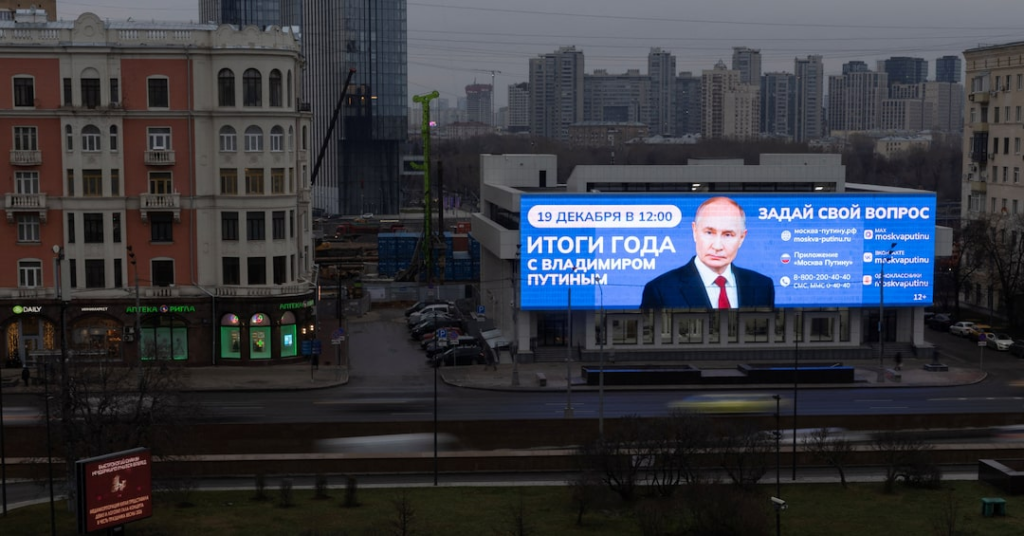
In a recent Putin press conference held on December 19, 2025, the Russian President reinforced his steadfast stance on the ongoing Ukraine conflict, showing little inclination toward negotiation. During this yearly Q&A session, Putin reaffirmed his demands for the resolution of the Ukraine war, claiming that Russia’s military forces are maintaining the strategic initiative. Furthermore, he declared that Ukraine’s supposed reluctance to engage in serious negotiations was a significant obstruction to peace. As discussions continue regarding EU Ukraine funds and the potential support for Ukraine, Putin’s narrative remains focused on asserting the strength of the Russian economy amid sanctions and highlighting ongoing military achievements, despite reports of significant losses. The interplay between the Russian economy’s stability and the geopolitical tensions surrounding the Russia Ukraine negotiations was a key theme as the world watches how the situation unfolds.
The latest press conference by President Vladimir Putin, traditionally held at the year’s end, served as a crucial platform for addressing pressing issues related to the conflict in Ukraine. As international mediators prepare for renewed dialogue on the hostilities, Putin’s persistent resistance to compromise raises concerns about the future of peace in the region. In this context, the discussion surrounding EU proposals to fund Ukraine becomes increasingly pertinent, as leaders weigh the complexities of political alliances and economic support amidst the ongoing war. Observers note the delicate balance of military advances and economic declarations, reflecting both the volatile state of Russian affairs and the broader implications for Europe. The pressing nature of these negotiations, underscored by Putin’s unwavering stance, highlights the intricate web of diplomacy required to forge stability in this conflict-ridden landscape.
Putin’s Press Conference and Its Implications for Ukraine
During Putin’s recent annual press conference, he showcased his unwavering stance regarding the ongoing conflict in Ukraine. Despite international pressure for a peaceful resolution, his remarks reflected a firm commitment to Russia’s demands, indicating an unwillingness to compromise. He asserted that Ukraine’s perceived inflexibility was a significant barrier to negotiations, framing Russia as the more reasonable party in the conflict. This narrative aligns with Putin’s strategy to maintain control over the narrative and project strength in the face of adversities related to the war.
Furthermore, the press conference served to reinforce Putin’s domestic support by portraying the Russian military’s progress since the onset of the war. This display of confidence is crucial, especially as the negotiation talks with the US and Ukraine loom. It appears that Putin’s approach is not only about asserting military dominance but also about rallying domestic support by framing the war as a necessity for Russia’s security and stability. The ongoing developments in eastern Ukraine, albeit slow, are presented as successes that further strengthen his position both at home and on the international stage.
Russia-Ukraine Negotiations: Sticking Points and Challenges
As discussions between Russian and Ukrainian representatives resume, the sticking points continue to challenge any potential resolution. Putin has reiterated his demands, specifically regarding territorial concessions, which he insists are non-negotiable. The insistence on Ukraine abandoning its NATO aspirations and relinquishing control over Crimea and additional regions highlights the complexity of the negotiations. For Ukraine, yielding on these matters could signify a significant loss of sovereignty and security, which makes the prospect of negotiations even more precarious.
In his address, Putin framed any peace agreement as contingent on Ukraine’s acceptance of these terms, asserting that a comprehensive solution must address “the roots of the conflict.” This argument serves to allocate blame to Ukraine, complicating the negotiation dynamics. While there are indications of potential dialogue on Ukraine’s side, without a clear willingness to meet Russian demands, the likelihood of fruitful negotiations remains bleak. Each side’s entrenched positions reflect an ongoing deadlock that further complicates the prospects for peace in the region.
The EU’s Financial Role in the Ukraine Conflict
The European Union’s financial support for Ukraine has been a significant aspect of the ongoing conflict, particularly with the recent decision to offer a substantial loan package aimed at bolstering Ukraine’s economy. However, this decision has met resistance from Putin, who derogatorily referred to the potential release of frozen Russian assets as “theft.” His warnings underscore the geopolitical tensions that bind the EU and Russia, framing the financial aid not just as economic support for Ukraine, but as a direct challenge to Russia’s influence and actions in the region.
The EU’s decision to extend an interest-free loan of 90 billion euros demonstrates a strategic commitment to support Ukraine and prevent its state bankruptcy amidst the ongoing war efforts. Yet, the lack of consensus within the EU on addressing frozen assets reflects the complex dynamics between supporting Ukraine and managing relations with Russia. With Putin’s aggressive rhetoric, the EU must tread carefully to maintain solidarity in supporting Ukraine while navigating the treacherous waters of international diplomacy.
Economic Outlook Amidst the Ukraine War
In the wake of ongoing conflict, Putin’s recent commentary on Russia’s economic stability contrasts sharply with the concerns of Western observers. Despite a projected economic growth of only one percent this year, Putin attributed this to a deliberate strategy aimed at combating inflation rather than a sign of economic distress. His optimistic outlook seeks to assure both domestic and international audiences that Russia’s economy can withstand the prolonged sanctions and the burdens of a wartime economy.
However, this narrative is met with skepticism, particularly given the challenges posed by high inflation rates and increased borrowing costs for businesses. While Putin promises good real wage growth for workers, economic pressures remain evident, raising questions about the long-term sustainability of such claims. The interplay between military funding and economic health poses a significant challenge, as Russia navigates the dual aims of sustaining its war efforts while attempting to stabilize its economy.
Putin’s Rhetoric: A Blend of Confidence and Propaganda
Putin’s rhetoric during his annual Q&A sessions often serves a dual purpose: projecting confidence to his domestic audience while manipulating the narrative for international consumption. By emphasizing military successes and maintaining a firm stance against Ukraine, he seeks to galvanize nationalist sentiments and distract from underlying economic issues. This blend of confidence and aggressive posturing is crucial for maintaining his authority and legitimacy amid increasing internal dissent and external pressures from the West.
Moreover, the projection of strength through verbal assurances of military achievements plays into Putin’s broader strategy of propaganda, aiming to solidify his image as a resolute leader amidst adversity. This technique not only reinforces his domestic popularity but also strives to instill fear among adversaries as he frames the conflict in existential terms. As negotiations continue to falter, such strategies will remain integral to his approach, ensuring that he retains control over the narrative surrounding Russia’s actions in Ukraine.
International Reactions to Putin’s Annual Addresses
International reactions to Putin’s annual addresses often reflect the divided opinions on Russia’s actions in Ukraine. Western leaders have critiqued his lack of genuine willingness to engage in constructive dialogue, viewing his demands as unrealistic and detrimental to peace. These critiques highlight the ongoing trust deficit between Russia and the West, which is exacerbated by Putin’s combative rhetoric surrounding negotiations and territorial claims.
Conversely, some nations or factions within the international community may view Putin’s defiance as a display of strength, interpreting his unwavering position as a strategy of leverage in geopolitical negotiations. This duality in international perception plays a significant role in influencing diplomatic relations, particularly as Russia continues to engage with countries that may seek to counterbalance Western influence. Thus, Putin’s annual addresses not only inform domestic audiences but also serve as communication instruments aimed at swaying international public opinion.
Public Sentiment in Russia: Support or Dissent?
The public sentiment in Russia following Putin’s annual Q&A indicates a complex relationship between support for his policies and underlying dissent related to the ongoing war. While many Russians rally around the narrative of national pride and military success, there are emerging signs of fatigue and concern over the economic ramifications of prolonged conflict. This juxtaposition reflects the challenges Putin faces in maintaining public support amidst inflation and economic stagnation.
As the war prolongs, discontent may bubble to the surface, challenging the narrative of unwavering support that Putin seeks to convey. The state-controlled media often amplifies pro-war sentiment, but grassroots reactions suggest a growing awareness of the war’s costs. Balancing these sentiments will be pivotal for Putin as he navigates future domestic and international pressures, and any significant shift in public opinion could directly influence the continuity of his policies.
Future of Russo-Ukrainian Relations
The future of Russo-Ukrainian relations remains precarious, particularly in light of Putin’s stringent demands and uncompromising stance. The potential for a peaceful resolution appears dim, with entrenched positions on both sides complicating dialogue. As long as Putin insists on preconditions that Ukraine perceives as unacceptable, the path towards reconciliation will be fraught with challenges. This stalemate may perpetuate ongoing hostilities, affecting regional stability and international relations.
Moreover, the broader implications of these relations extend beyond the immediate conflict, influencing global geopolitical dynamics and alliances. The West’s response to Russia’s maneuvers in Ukraine will also shape the future trajectory of Russo-Ukrainian relations. As external actors like the US engage in mediation efforts, the long-term resolution will rely heavily on the ability of all parties to navigate their political interests while seeking a common ground.
Military Strategy: Assessing Putin’s Claims
Assessing Putin’s claims about military strategy and successes on the battlefield presents a complicated picture. While he insists that Russian forces are gaining ground, independent analysis often counters this narrative, revealing slow territorial gains marred by significant losses. This discrepancy between official reports and independent observations casts doubt on the validity of Putin’s optimistic portrayals, raising questions about the long-term viability of his military objectives.
Furthermore, the continued emphasis on military advancement in his speeches may serve broader strategic aims beyond immediate battlefield outcomes. By framing military engagements as successes, Putin attempts to bolster domestic morale while simultaneously deterring external pressures from the West. Engaging in this type of rhetorical strategy is indicative of his understanding of how public perception intertwines with military legitimacy and national pride amid ongoing conflict.
Frequently Asked Questions
What were the main statements made by Putin during his end-of-year press conference regarding the Ukraine war?
During his end-of-year press conference, Putin reiterated his stance on the Ukraine war, asserting that Russia maintains the strategic initiative and is achieving victories along the contact line. He accused Ukraine of being inflexible in negotiations and emphasized that Russia would only agree to peace under its established conditions, which include territorial concessions and a halt to Ukraine’s NATO ambitions.
How did Putin address the Russian economy’s stability during the press conference?
In the Putin press conference, he characterized the Russian economy as stable, despite the challenges posed by ongoing sanctions and the war. He noted low economic growth of one percent for the year but framed this as a strategic choice to combat inflation, noting that inflation rates have slightly decreased and promising future real wage growth for workers.
What is the significance of Putin’s statements on EU funding for Ukraine?
Putin warned against the EU’s potential release of frozen Russian assets for Ukraine, labeling it as ‘theft’ and indicating serious repercussions should the EU pursue this path. This highlights ongoing tensions between Russia and the EU amid discussions about economic support for Ukraine, which includes a significant interest-free loan to Ukraine to prevent its financial collapse.
What conditions did Putin outline for a peaceful resolution to the Ukraine conflict?
In his press conference, Putin outlined several strict conditions for any peace talks, including Ukraine’s cession of four regions and Crimea to Russia and a formal abandonment of its NATO membership aspirations. He stated that any peace settlement must eradicate ‘the roots of the conflict’, effectively placing the blame for the war on Ukraine.
How did the press conference affect ongoing Russia-Ukraine negotiations?
Putin’s press conference preceded a new round of negotiations between US mediators and Ukrainian representatives. His firm stance and refusal to offer clear compromises could hinder progress in these negotiations, as he emphasized Ukraine’s unwillingness to engage in fruitful dialogue.
What did Putin predict for the Russian military’s performance before the end of the year?
Putin confidently predicted that the Russian military would achieve further successes by the end of the year, insisting that Russian troops were advancing even as independent observers reported slow gains at significant losses. This assertion reflects his effort to project strength and control ahead of negotiations regarding the Ukraine conflict.
What underlying themes were present in Putin’s annual Q&A session regarding the war and Ukraine?
The underlying themes of Putin’s annual Q&A included a strong denial of any willingness to compromise, a reinforcement of Russian military confidence, and a portrayal of the Russian economy as resilient despite challenges. This narrative was consistent with his tendency to onshift blame onto Ukraine regarding the conflict’s dynamics, indicating a firm stance ahead of potential peace negotiations.
What does Putin’s signal about possible dialogue with Ukraine imply?
Putin hinted at ‘certain signals’ suggesting Ukraine might be open to dialogue, yet he maintained a critical view of Ukraine’s approach to negotiations. This ambivalence might indicate a willingness to engage under specific terms while simultaneously solidifying Russia’s position on the demands for a peace settlement.
| Key Point | Details |
|---|---|
| Putin’s Confidence | Showed firmness in stance towards Ukraine, claiming Russian troops are advancing. |
| Negotiations on US Plan | US mediators will negotiate with Ukraine and Russia to end the war. |
| Vague on Compromises | Putin insists on conditions for peace, including Ukraine giving up regions and not joining NATO. |
| Warnings to the EU | Described EU’s freezing of Russian assets as ‘theft’, warned of consequences. |
| Economic Outlook | Downplayed economic concerns, claimed stability despite inflation and high interest rates. |
Summary
The recent Putin press conference highlighted the Russian President’s unwavering stance in the Ukraine conflict and his approach to future negotiations. Throughout his Q&A, Putin displayed confidence while reiterating previous demands for peace that appear largely inflexible, aiming to maintain a strong narrative amidst ongoing international discussions. His comments regarding the economy suggest a projection of stability, even as challenges persist due to sanctions and inflation rate changes. The outcome of upcoming negotiations will be crucial in determining the trajectory of both the war and Russia’s international relations.

