
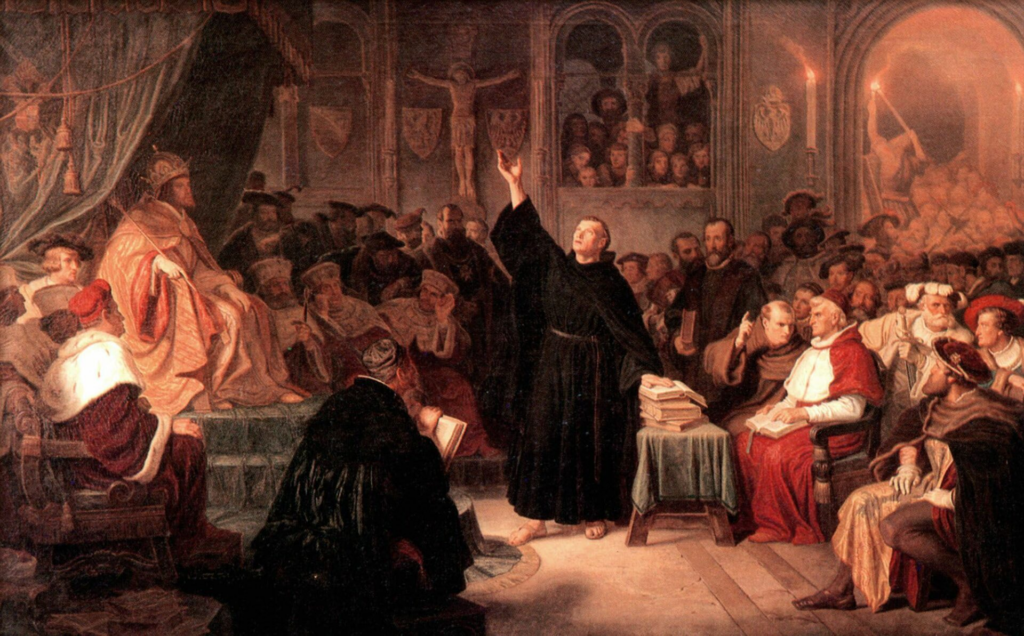
The relationship between the Protestant Church and politics has become a focal point in contemporary discussions surrounding vital societal issues. In recent years, the Protestant Church has voiced its stance on pressing matters such as migration issues and climate protection, emphasizing its social responsibility. Synod President Anna-Nicole Heinrich has notably addressed the AfD controversy, highlighting the impacts of the church’s political stance on community cohesion. Her advocacy for excluding AfD members from holding church offices underscores the complexities of maintaining religious neutrality amidst polarizing political landscapes. As the Protestant Church navigates these challenges, it continues to foster dialogue on topics often overlooked in political discourse.
The intersection of faith-based organizations and governmental matters has become increasingly relevant, particularly in the context of the Protestant community’s active role in advocacy and social issues. The engagement of these religious institutions with themes like migratory policies and environmental concerns reveals their commitment to broader social welfare. Moreover, the tensions surrounding the Alternative for Germany (AfD) and its implications for church leadership highlight critical discussions about faith’s role in political activism. As church leaders articulate their views, they prompt essential reflections on the moral obligations and political involvements of religious bodies in contemporary society. This dialogue not only shapes the church’s image but also its influence on public policy and community values.
The Role of the Protestant Church in Addressing Migration Issues
In recent years, the Protestant Church has taken a proactive stance on migration issues, often championing the rights and dignity of refugees and migrants. The church highlights the moral imperative to assist those fleeing persecution and hardship, aligning its mission with broader humanitarian principles. This advocacy stems from a deeply rooted tradition of social responsibility, emphasizing the need for solidarity within communities irrespective of nationality. By engaging in dialogue and action surrounding migration, the Protestant Church aims to create an inclusive society where diversity is celebrated rather than feared.
The involvement of the Protestant Church in migration issues is not without controversy, particularly with the rise of political parties like the AfD, which oppose liberal migration policies. As the church navigates this complex landscape, it continues to face questions about balancing its religious tenets with political realities. Advocates argue that the church must remain vocal in its support for migrants, serving as a counter-narrative to anti-immigrant sentiments prevalent in society. This ongoing engagement not only reaffirms the church’s commitment to social justice but also reinforces its role as a moral leader in the public sphere.
Climate Protection: A Call for Social Responsibility from the Protestant Church
The Protestant Church has recognized climate protection as a critical issue of our time, framing it as an integral part of its social responsibility. Church leaders, including Synod President Anna-Nicole Heinrich, have emphasized the need for faith communities to advocate for sustainable practices and environmental stewardship. This perspective aligns with the theological understanding that humanity has a responsibility to care for creation, which is seen as a gift from God. In this light, climate action becomes not only an environmental duty but a moral obligation for congregations and their members.
As the church addresses climate change, it has also called for stronger policies that promote environmental justice and sustainability. The involvement of church bodies in initiatives advocating for climate action underscores their commitment to addressing urgent global challenges. By placing a strong emphasis on climate protection, the Protestant Church advocates for a future that prioritizes ecological balance, while urging members and society to rethink consumption patterns. This engagement reflects a growing recognition that faith communities can play a pivotal role in shaping public discourse around pressing contemporary issues.
However, the church’s involvement in these social issues invites scrutiny. Critics may question whether the church oversteps its bounds in political matters, particularly in response to the AfD controversy. Heinrich’s reaffirmation that AfD members cannot hold church offices in certain regions raises broader discussions about political neutrality and the church’s role in advocacy. The complexities of intertwining faith with politics remain a central theme of this discourse, challenging the church to navigate its path carefully while fulfilling its commitment to social ethics and accountability.
Navigating the AfD Controversy: Political Stances of the Protestant Church
The controversy surrounding the AfD presents a significant challenge for the Protestant Church in Germany. The rising influence of this far-right party, known for its anti-immigrant and nationalist stance, has generated tension within and outside the church community. As Anna-Nicole Heinrich pointed out, the church’s social and moral values may conflict with the political ideologies promoted by the AfD, leading to tough decisions regarding church membership and participation in its leadership. This dilemma places the church at a crossroads, where it must define its political engagement while remaining a beacon of faith and hope.
In navigating this controversy, the Church is faced with the responsibility to articulate its beliefs clearly, ensuring that all members understand the moral implications of supporting or distancing from certain political ideologies. By asserting its position against AfD influence, the Protestant Church also signals to the wider society its commitment to inclusivity and compassion, particularly regarding migrants. This political stance not only reflects the church’s dedication to social justice but also reaffirms its role as a proactive participant in shaping public debates around migration, human rights, and climate action.
Social Responsibility of Churches in Modern Society
The concept of social responsibility has become increasingly pivotal for churches in the contemporary world, particularly as societal challenges intensify. In addition to addressing migration and climate issues, churches are called upon to respond to the needs of marginalized communities, championing justice, equity, and compassion. The Protestant Church, through its various programs and advocacy efforts, emphasizes the importance of being active stewards of society, promoting policies and actions that reflect Christian values in addressing social disparities. This includes forging partnerships with local organizations to bolster community resilience and inclusiveness.
Moreover, the church’s social responsibility extends beyond immediate community concerns; it encompasses a broader commitment to global issues such as climate change, which disproportionately affects vulnerable populations worldwide. The engagement of Protestant Churches in these matters underscores their recognition of the interconnectedness of societal well-being and environmental health. As these faith communities respond to pressing needs, they cultivate a culture of empathy and responsibility, guiding their members toward active participation in societal transformation.
Exploring the Intersection of Faith and Politics
The interplay between faith and politics remains a complex and often contentious topic within the Protestant Church. As members grapple with varying political beliefs, the church must tread carefully in its engagement with issues that cross into the political arena. By affirming its stance against extremist movements like the AfD, the church seeks to ensure that its message of love and acceptance resonates amid polarized political climates. This careful navigation of political involvement illustrates the church’s commitment to its foundational values while remaining relevant to the societal context in which it operates.
Engagement in political discourse does not imply partisanship; rather, it prioritizes ethical leadership that addresses foundational issues such as migration, inequality, and climate responsibility. By fostering discussions that are reflective of the church’s teachings, congregations have the opportunity to contribute positively to public opinion and policy-making. This balanced approach enables the Protestant Church to uphold its religious convictions while fulfilling its service to the community, proving that faith can indeed inform and enrich political dialogue without compromising its core values.
The Protestant Church’s Advocacy for Inclusive Policies
Advocacy for inclusive policies has become a hallmark of the Protestant Church’s identity in response to societal changes. The Church’s efforts to support inclusive migration policies, for instance, reflect a deeper theological understanding of welcoming the stranger as a fundamental Christian duty. This advocacy embodies the broader call for social justice, urging that all individuals, regardless of their backgrounds, be treated with dignity and respect. By setting a precedent for inclusivity, the church provides a moral framework that seeks to challenge the prevailing narratives of division and exclusion articulated by some political factions, including the AfD.
Through programs that promote inclusivity, the Protestant Church not only uplifts the marginalized but also educates its congregation on the value of diversity. This initiative serves as a reminder of the church’s historical role as a counter-narrative to societal injustices. By embracing multi-ethnic worship and fostering communities that reflect a commitment to justice, the Protestant Church positions itself as a leader in advocating for policies that align with the core principles of love, compassion, and unity. In doing so, it engages both in practical action and spiritual formation, reinforcing its dedication to advocating for those in need.
The Ethical Implications of Church Leadership and Political Engagement
The ethical implications of church leadership are critically examined, especially regarding political engagement. Church leaders are challenged to uphold their religious convictions while recognizing the potential ramifications of their political stances. Balancing the mission of the church with the demands of political discourse can sometimes create friction within congregations, with differing views on matters such as migration policy and environmental stewardship. Leaders must approach these topics thoughtfully, fostering dialogue that allows for diverse opinions while reinforcing the church’s commitment to service and social justice.
In this sensitive landscape, the responsibility of church leaders extends beyond mere advocacy; it encompasses the need to model ethical behavior that aligns with the teachings of Christ. By engaging in political discussions without endorsing specific parties, church leadership can foster a community that reflects Christian values in public life. This ethical approach encourages congregants to think critically about their civic responsibilities and the social issues that arise, allowing for an informed dialogue about how faith intersects with citizenship. Ultimately, church leaders are called to nurture a culture of service and advocacy that uplifts the marginalized, emphasizes peace, and seeks to transform society toward justice.
Future Directions for the Protestant Church in Social Issues
Looking ahead, the Protestant Church is faced with the imperative to remain relevant and influential in social issues that increasingly intersect with political dynamics. As the church grapples with the challenges posed by groups such as the AfD, it will need to adopt strategies that foster resilience and adaptability in its mission. This includes strengthening its advocacy for migration policy reform and climate protection while embracing new theological insights that resonate with contemporary societal values. The future direction of the church will hinge on its ability to navigate these complexities while staying true to its core teachings.
Moreover, enhancing collaboration with other faith-based and community organizations will be essential in amplifying the church’s impact on social issues. By forming coalitions that advocate for shared values, the Protestant Church can deepen its reach and resourcefulness in addressing critical challenges faced by society. This collective approach aligns with the church’s mission of unity and service, providing a potent counterbalance to divisive political narratives. Through such efforts, the Protestant Church can reaffirm its commitment to social responsibility and justice, thus forging a path toward healing and reconciliation in a fragmented world.
Frequently Asked Questions
How does the Protestant Church’s stance on migration issues reflect its political engagement?
The Protestant Church has taken a proactive stance on migration issues, advocating for the inclusion and support of refugees and migrants. This engagement reflects its commitment to social responsibility and addressing humanitarian concerns, positioning the church as an influential voice in political discourse surrounding migration.
What role does the Protestant Church play in climate protection initiatives?
The Protestant Church actively participates in climate protection efforts, recognizing its moral obligation to promote environmental sustainability. By engaging in advocacy and education, the church highlights the intersection of faith and ecological stewardship, encouraging congregations to take action on climate change.
What is the AfD controversy and how does it affect the Protestant Church’s politics?
The AfD controversy centers on the far-right Alternative for Germany party, with many in the Protestant Church opposing its ideologies. The church’s politics are affected as leaders, like Synod President Anna-Nicole Heinrich, emphasize the need to maintain a clear stance against hate and discrimination, reinforcing the church’s commitment to inclusivity and social justice.
How does the Protestant Church navigate political neutrality in its church political stance?
The Protestant Church strives to maintain political neutrality while addressing social issues, such as migration and climate change. However, leaders like Anna-Nicole Heinrich argue that the church has a responsibility to speak out against injustice, which sometimes challenges the concept of neutrality when addressing parties like the AfD.
What is the social responsibility of churches regarding political issues?
The social responsibility of churches, including the Protestant Church, involves engaging with relevant political issues like migration and climate protection. By fostering dialogue and advocating for marginalized communities, churches fulfill a vital role in promoting justice and equity within society, thereby influencing public policy.
| Key Points | |
|---|---|
| Engagement with Social Issues | The Protestant Church has focused on migration and climate protection. |
| Statements by Leaders | Synod President Anna-Nicole Heinrich discusses tensions with the AfD. |
| Political Neutrality | Questions arise about the church’s political neutrality and societal responsibility. |
| Decision on Church Offices | AfD members are barred from holding church offices in certain regions. |
Summary
Protestant Church and politics have become closely intertwined as the church has actively engaged with pressing social issues like migration and climate protection. This engagement, highlighted by leaders like Synod President Anna-Nicole Heinrich, underscores the church’s commitment to addressing topics often overlooked in political discourse. The decision to bar members of the AfD from church offices raises significant questions about the church’s role in society and its stance on political neutrality. As these discussions evolve, the Protestant Church continues to navigate its responsibilities in the contemporary political landscape.

