
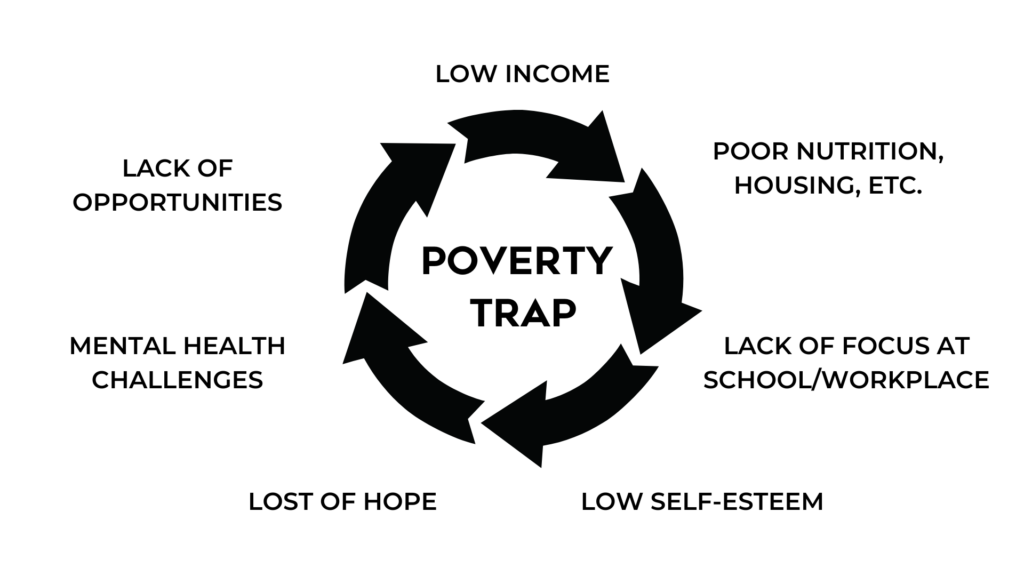
The term „poverty trap in care“ has become increasingly relevant as the soaring costs of nursing home placements push many seniors and their families into financial distress. With an average personal contribution exceeding 3,200 euros within the first year, many find that even a comfortable pension is insufficient to cover nursing home costs. This alarming situation calls for urgent government intervention in care, as families are left struggling to find the resources necessary for elderly care affordability. Despite calls for care reform and promises from the government, the rapid increase in expenses continues to erode any relief measures that have been proposed. For countless individuals, the need to apply for financial assistance for care feels like a humbling descent into poverty, where hard-earned savings are wiped out, plunging them further into a cycle of desperation.
As we address the pressing issue of the financial burden faced by families navigating elderly care, it’s essential to consider the broader implications of rising care costs and their potential to entrap individuals in a cycle of poverty. The surging expenses associated with long-term care have rendered many people vulnerable, creating an urgent need for comprehensive reforms within the care system. Alternative solutions such as implementing a universal care insurance model, inspired by existing health insurance frameworks, have been suggested as viable pathways. Immediate governmental action and legislative changes are crucial to break this cycle and ensure that the elderly receive the care they need without the fear of financial ruin. It is high time for a robust public dialogue about care financing that prioritizes sustainability and compassion.
Understanding the Poverty Trap in Care
The term ‚poverty trap in care‘ is increasingly relevant in discussions surrounding the sustainability of elderly care systems. As nursing home costs soar to an average of over 3,200 euros monthly, many individuals find themselves caught in a cycle where sufficient pension savings fail to cover these exorbitant prices. This predicament not only jeopardizes their financial stability but also compromises their dignity, forcing them to seek financial assistance just to afford basic care. Consequently, the need for comprehensive care reform to address these escalating costs has never been more urgent.
Identifying this poverty trap is crucial for both policymakers and society as a whole. When elderly individuals are compelled to deplete their life savings to afford care, it highlights systemic failures in the care infrastructure. The absence of effective government intervention can exacerbate these issues, increasing the reliance on social welfare systems. This signifies a pressing need to rethink how we finance care and to advocate for solutions that prioritize the needs of the elderly while considering sustainable economic models.
The Escalating Costs of Nursing Home Care
Nursing home costs have experienced a dramatic surge in recent years, with figures showcasing a sharp increase of approximately 260 euros within just one year. This trend not only affects those already in need of care but also places considerable strain on families planning for their elder relatives‘ futures. Without government intervention in care policies, individuals face the harsh reality of financial ruin as they grapple with unaffordable nursing home expenses, leading to increased stress and anxiety for families.
As the financial burden grows, many potential residents are left questioning their options. The current system seems ill-equipped to handle such rapid change, leaving families scrambling to find solutions. Financial assistance for care often feels inadequate, barely making a dent in the overwhelming costs. Addressing these escalating nursing home costs requires an urgent review of care policies and innovative approaches to financing that can alleviate the financial pressure on individuals and families.
The Importance of Government Intervention in Care
Government intervention is essential to mitigate the effects of the poverty trap in care. The prevailing narrative suggests that existing relief allowances are insufficient to address the soaring nursing home costs that many now face. Political leaders must recognize the urgent need for systemic change, involving the implementation of comprehensive care reform that can deliver sustainable solutions. This should include not only the adjustment of financial assistance programs but also the development of a framework that aligns the interests of residents, care providers, and the state.
It is critical for governments to step beyond short-term measures and invest in care infrastructure that can alleviate the burdens felt by families. This may involve increased funding for the construction and maintenance of nursing facilities, ensuring that costs are not disproportionately passed on to vulnerable residents. Ultimately, effective government intervention could create a more equitable system that supports elderly care affordability while reducing the anxiety of families facing these daunting financial challenges.
Advocating for Care Reform
Call for care reform has been echoing through social organizations for years, highlighting the desperate need for comprehensive solutions to the crisis in elderly care. Advocating for a complete care insurance system similar to health insurance could potentially revolutionize the way we approach funding for nursing homes. By establishing a more robust safety net, individuals would be better shielded from the high costs associated with long-term care.
Innovative reform measures must go beyond mere adjustments in service levels or financial contributions. The goal should be to establish a system that allows individuals to retain their savings and dignity while still accessing necessary care. Such changes would not only reinforce the viability of elderly care but also foster public confidence that their loved ones will receive affordable and high-quality care throughout their lives.
The Role of State Governments in Care Financing
State governments play a pivotal role in the financial landscape of elderly care and must be held accountable for their part in the current crisis. Their reluctance to finance investment costs for nursing facilities directly contributes to the financial strain placed on residents. This lack of cooperation can lead to significant disparities in the quality and accessibility of care across different regions, exacerbating social inequities.
Collaborative efforts between federal and state governments are vital to correcting these inequities. By sharing the responsibility of care financing, states could alleviate some of the financial burdens on residents, ensuring that care remains accessible and affordable. As these levels of government work together to devise effective strategies, they can promote a more cohesive care system that benefits everyone, particularly the vulnerable populations in urgent need of support.
The Need for Systemic Change in Elderly Care
The urgent calls for a systemic change in elderly care reflect the reality that short-term fixes – such as tinkering with existing services – will not suffice. Comprehensive reevaluation and reform of our care systems is essential to break the cycle of financial struggle experienced by the elderly and their families. Stakeholders must unite to push for bold decisions that truly address the root issues contributing to the poverty trap in care.
Systemic change requires a multi-faceted approach that includes input from various sectors, including healthcare professionals, policymakers, and community organizations. By collaborating, these groups can develop targeted strategies that promote the efficient allocation of resources while enhancing the accessibility and quality of care. This proactive approach will not only benefit those currently in need of care but will also ensure a sustainable and supportive system for future generations.
Empowering Families to Navigate Care Costs
As nursing home costs escalate, empowering families with information and resources becomes paramount. Many families feel lost navigating the complexities of care financing, often lacking knowledge about financial assistance options available to them. With proper guidance, families can make informed decisions that will positively impact their loved ones‘ care experience, potentially alleviating some of the financial burdens they face.
Community resources, support groups, and educational programs can help families understand their rights and access the assistance they need. Additionally, sharing personal experiences can foster solidarity among caregivers, helping them feel less isolated in their struggles. By promoting education around care financing, families can become advocates for systemic change, contributing to a collective push for improved policies that ensure affordable elderly care.
Long-term Strategies for Elderly Care Affordability
Long-term strategies are essential to transform the landscape of elderly care affordability and to prevent future generations from encountering the same hardships faced today. Incorporating innovative funding models and public-private partnerships could provide much-needed resources for nursing facilities while ensuring that costs remain within reach for residents. Over time, these strategies could help to diminish the stigma associated with seeking financial assistance.
Additionally, evaluating and enhancing existing programs designed to assist individuals in navigating care costs can strengthen community support systems. These long-term solutions should prioritize inclusivity, making quality care accessible to all regardless of financial status. Fostering an environment of shared responsibility and support will go a long way in ensuring that elderly individuals can enjoy their later years without the fear of financial insecurity.
Creating a Sustainable Care Infrastructure
Creating a sustainable care infrastructure is paramount to ensuring that future generations of elderly individuals can access necessary services without succumbing to financial hardship. Sustainable funding models, which could include public insurance options pooled among citizens, could alleviate the burden on families, making it easier for them to secure care without exhausting their savings.
These infrastructures must be designed with a focus on quality care, ensuring that facilities have adequate resources and personnel to meet the needs of residents. Aiming for excellence in care provision will not only improve individual outcomes but also enhance community acceptance and support for reform initiatives. By prioritizing sustainability in elderly care infrastructure, we can pave the way for a brighter future for those who have contributed so much to society.
Frequently Asked Questions
What is the poverty trap in care for nursing home residents?
The poverty trap in care refers to the financial situation many nursing home residents find themselves in, where the high costs of care, averaging over 3,200 euros in the first year, consume their savings and pensions, leaving them unable to afford necessary care without government intervention or financial assistance.
How do nursing home costs contribute to the poverty trap in care?
Nursing home costs significantly contribute to the poverty trap in care by escalating beyond the reach of even individuals with decent pensions. As costs have risen dramatically, many people are forced to deplete their savings, leading them to seek financial assistance to cover their care needs.
Why is government intervention in care essential to address the poverty trap in care?
Government intervention in care is essential because it can introduce reforms and financial assistance that alleviate the burden of excessive nursing home costs. Without such actions, many elderly individuals risk losing their financial security and independence, falling into the poverty trap.
What are some potential solutions for the poverty trap in care?
Solutions for the poverty trap in care may include comprehensive care reform, such as the introduction of a complete care insurance system, which would distribute costs more evenly and prevent individuals from depleting their savings while ensuring affordable elderly care.
How can care reform help alleviate the effects of the poverty trap in care?
Care reform can help alleviate the poverty trap in care by implementing policies that lower personal contributions for nursing home placements, provide better financial assistance options, and improve the overall structure of elderly care, making it more affordable and accessible.
What role does financial assistance for care play in addressing the poverty trap?
Financial assistance for care plays a crucial role in addressing the poverty trap by ensuring that individuals can access necessary nursing home services without facing financial ruin. Such assistance helps mitigate the high costs of care, allowing seniors to maintain some financial stability.
What are the consequences of not addressing the poverty trap in care?
Failing to address the poverty trap in care can lead to widespread financial hardship among elderly individuals, as increasing nursing home costs force many to exhaust their savings. This situation ultimately compromises their access to quality care and can result in emotional distress and societal repercussions.
Are there advocacy groups focused on reforming care to combat the poverty trap in care?
Yes, several advocacy groups and social organizations are focused on reforming care to combat the poverty trap in care. These organizations promote systemic changes and comprehensive solutions, such as complete care insurance, to ensure that elderly individuals receive necessary care without financial burden.
| Key Issues | Details |
|---|---|
| High Costs of Nursing Home Care | The average cost in the first year exceeds 3,200 euros. |
| Affordability Issues | Good pensions are often insufficient to cover these costs. |
| Financial Assistance Application | Many must apply for assistance, akin to begging. |
| Government Inaction | Despite promises for reform, no concrete solutions have been implemented. |
| Need for Comprehensive Reform | Calls for systemic changes like complete care insurance have been ignored. |
Summary
The poverty trap in care is a pressing issue that demands immediate government action. The soaring costs of nursing home care are placing enormous financial burdens on individuals and families, forcing many to either exhaust their savings or seek humiliating financial assistance. With the average annual cost surpassing 3,200 euros, and the rapid increase in prices, it is clear that existing policies are inadequate. Only through bold reforms, such as the establishment of comprehensive care insurance, can we hope to alleviate the financial strains and prevent many from falling into this debilitating poverty trap. Immediate, actionable solutions are essential for ensuring that care does not result in destitution.

