
The obesity epidemic in Germany is a growing concern, with alarming statistics indicating that nearly a quarter of adults and one in six children are grappling with severe overweight. The National Academy of Sciences Leopoldina has taken a bold stance, pressuring policymakers to develop effective health policies and obesity prevention strategies that can turn the tide on this public health crisis. As rates of childhood obesity and overweight adults continue to rise, it is crucial to explore new therapeutic approaches to obesity, including lifestyle interventions and potential legislative changes. This epidemic not only affects individual health but also imposes tremendous economic burdens, costing the country an estimated 113 billion euros annually. Urgent action is needed to address this multifaceted issue and promote healthier living for future generations.
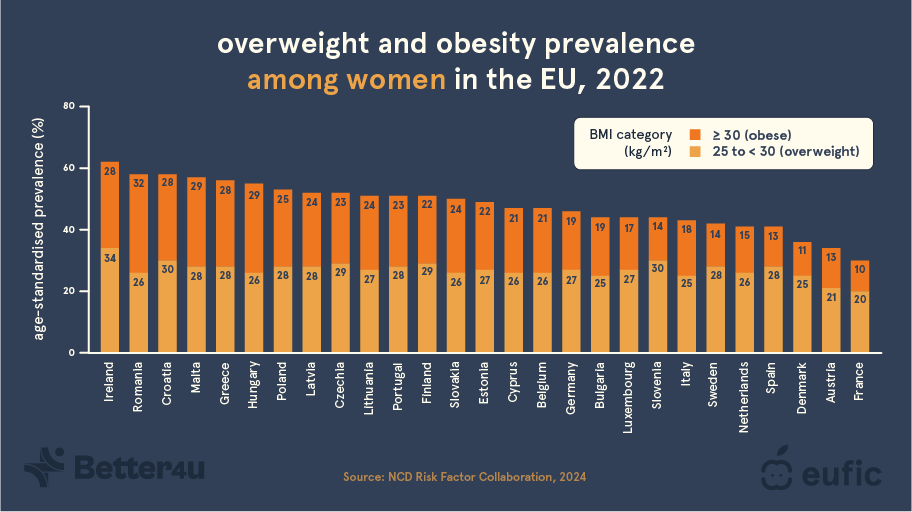
The rising tide of unhealthy body weight presents a significant challenge in Germany, where both youth and adults struggle with excessive weight gain. With almost 66% of men and 50% of women classified as overweight, the urgency for holistic strategies to combat this prevalent issue has never been greater. The call for innovative solutions and effective health initiatives reflects a broader public health crisis that encompasses various sectors of society. Addressing this issue goes beyond mere diet and exercise; it requires comprehensive programs that include early intervention during childhood, adjustments in health policies, and the promotion of effective therapeutic approaches. As we seek to reverse this trend, collaborative efforts across multiple disciplines are essential to foster a healthier future.
The Rising Challenge of Childhood Obesity in Germany
In recent years, childhood obesity has become a pressing health issue in Germany, with alarming statistics indicating that one in every six children is affected. This trend not only threatens the well-being of young individuals but also poses long-term health risks, setting the stage for chronic conditions in adulthood. The implications of this growing dilemma underscore the urgent need for comprehensive obesity prevention strategies tailored specifically for children.
Among the proposed preventive measures, educational programs in schools and kindergartens play a crucial role in promoting healthy eating habits and physical activity. These initiatives encourage children to develop a positive relationship with food and exercise from an early age, which is essential for curbing the obesity epidemic. By fostering an environment that prioritizes wellness, we can significantly reduce the prevalence of childhood obesity in the coming generations.
Understanding the Obesity Epidemic in Germany
The obesity epidemic in Germany is a multifaceted problem that affects a diverse demographic, with one-quarter of adults classified as severely overweight. The increasing rates of obesity not only lead to significant health complications, such as diabetes and cardiovascular diseases, but they also exert a profound economic burden on the healthcare system. The National Academy of Sciences has highlighted this pressing issue in their recent position paper, calling for immediate action and encouraging policymakers to implement effective health policies.
Despite previous efforts to tackle obesity through various initiatives, the results have been disappointing. The Academy emphasizes the necessity for a comprehensive approach that combines both preventative and therapeutic strategies. This includes early intervention during pregnancy and childhood, which is essential for instilling lifelong healthy habits. In addition, the implementation of measures such as sugar taxes and advertising bans on unhealthy foods is critical to fostering a healthier environment.
Effective Health Policies for Obesity Prevention
To effectively combat obesity, policymakers must prioritize the development and implementation of robust health policies. A successful approach involves several targeted strategies, including public health campaigns that educate both children and adults about the risks associated with obesity. Increasing consumer access to healthy foods and facilitating active lifestyles is equally important in this comprehensive fight against obesity.
Additionally, the introduction of fiscal measures such as a sugar tax could help reduce the consumption of unhealthy food options, particularly among young people. Coupled with these initiatives, governmental regulations to restrict advertising for unhealthy products can significantly decrease the exposure of children to temptations that drive obesity. A multi-faceted approach that engages various sectors is instrumental in shifting cultural norms around health and nutrition.
Therapeutic Approaches to Manage Obesity
As the obesity epidemic continues to challenge healthcare systems, there is a growing emphasis on therapeutic approaches to weight management. One promising avenue involves the use of medications, such as incretin mimetics, which have demonstrated efficacy in promoting weight loss and improving related health conditions. However, the accessibility of these treatments is currently limited by high costs and restrictive health policies.
Furthermore, lifestyle interventions remain a cornerstone of any therapeutic approach to obesity. Programs incorporating digital health technologies can provide support and resources for individuals trying to manage their weight effectively. For those severely affected by obesity or where conventional strategies fail, surgical options may be considered as a last resort, providing significant weight reduction and health benefits.
The Role of Education in Obesity Prevention
Education plays a pivotal role in preventing obesity, as it empowers individuals to make informed choices regarding their health. Comprehensive education programs should target both children and adults, focusing on the importance of balanced diets and regular physical activity. By integrating health education into school curriculums, children can learn the value of nutrition and exercise from an early age, setting the foundation for a healthier lifestyle.
Additionally, community-based programs that involve families and schools can further enhance understanding and adherence to healthy living. Workshops, cooking classes, and fitness challenges can engage participants actively, encouraging a collective commitment to reducing obesity rates. Education must be viewed as a continual process, with community involvement being essential for fostering lasting behavioral change.
Collaborative Efforts to Address Obesity
Addressing the obesity epidemic requires a coordinated effort among various stakeholders, including government bodies, health organizations, and communities. By fostering collaboration, diverse perspectives can be incorporated into the design of effective obesity prevention strategies. A multi-sectoral approach ensures that health policies are comprehensive and consider the social determinants of health.
Moreover, involving stakeholders from different sectors, such as education, agriculture, and urban planning, can lead to innovative solutions tailored to specific communities. This collaboration is essential for developing programs that not only promote healthy lifestyles but also address the environmental factors contributing to obesity. Together, these efforts can create a supportive framework to combat the rising rates of obesity across Germany.
The Economic Impact of Obesity
The economic burden of obesity is staggering, costing Germany approximately 113 billion euros annually. This figure represents a significant portion of the country’s gross domestic product, highlighting the urgency of addressing this public health crisis. The expenses associated with treating obesity-related conditions, alongside lost productivity and healthcare costs, underscore the need for effective intervention strategies.
Implementing obesity prevention strategies can result in substantial long-term savings for the healthcare system. By investing in health policies that focus on prevention, such as subsidizing healthy foods and promoting active living, Germany can mitigate the financial impact of obesity. This proactive approach not only benefits public health but also strengthens the economic stability of the nation.
Leveraging Technology for Obesity Management
The integration of technology into obesity management presents new opportunities for individuals seeking weight loss support. Digital platforms and telemedicine services have emerged as effective tools for making therapeutic interventions more accessible and relevant to daily life. People struggling with obesity can benefit from personalized programs that utilize smartphone applications, online resources, and virtual consultations to guide them in their weight loss journey.
In particular, these digital solutions can enhance the reach of lifestyle interventions, enabling individuals to connect with health professionals and other support networks. By advancing technology-driven resources, there is a potential to significantly improve the effectiveness of obesity management strategies and empower individuals to take control of their health.
Future Directions in Obesity Research
To effectively combat the obesity epidemic in Germany, it is crucial to invest in research that deepens our understanding of obesity causes and solutions. Future studies should focus not only on medical and therapeutic approaches but also on social and environmental factors influencing obesity rates. Interdisciplinary research spanning nutrition, psychology, and behavioral science can generate valuable insights into effective prevention and treatment strategies.
Furthermore, expanding research initiatives can aid in the development of comprehensive policies that are informed by data and evidence. A strong emphasis on scientific evaluation will provide the foundation necessary for sustainable obesity prevention efforts, benefiting both individuals and society as a whole in the fight against this ongoing public health challenge.
Frequently Asked Questions
What is the obesity epidemic in Germany and its implications?
The obesity epidemic in Germany is characterized by one-quarter of adults and one in every six children suffering from severe overweight. This crisis has significant healthcare implications, incurring economic costs of approximately 113 billion euros annually, which equates to about 2.6% of the country’s GDP.
What are the primary causes of childhood obesity in Germany?
Childhood obesity in Germany arises from various factors, including unhealthy eating habits, lack of physical activity, and socio-economic influences. Early prevention strategies that promote healthy nutrition and active lifestyles during pregnancy and childhood are crucial to combat this alarming trend.
What obesity prevention strategies are being proposed by the National Academy of Sciences in Germany?
To address the obesity epidemic in Germany, the National Academy of Sciences suggests multiple obesity prevention strategies, such as implementing a sugar tax, reducing VAT on healthy foods, and banning advertising of unhealthy products targeted at children. Emphasis is also placed on early intervention and education about health and nutrition.
How do health policies influence the obesity epidemic in Germany?
Health policies play a critical role in combating the obesity epidemic in Germany by shaping nutritional guidelines, promoting physical activity, and regulating the food industry. The National Academy of Sciences advocates for stronger health policies, including incentives for healthy eating and physical activity, to effectively address rising obesity rates.
What therapeutic approaches to obesity are suggested for Germany?
Suggested therapeutic approaches to obesity in Germany include lifestyle interventions, digital health solutions, and new medications like incretin mimetics. Additionally, surgical options are recommended for severely obese individuals or when conservative treatments fail. Legislative adjustments are necessary to support access to these treatments.
What role does society play in addressing the obesity epidemic in Germany?
Societal involvement is essential to addressing the obesity epidemic in Germany. The National Academy of Sciences emphasizes the need for cross-sectoral cooperation among government entities, healthcare providers, and communities. A collective effort is necessary to create an effective national obesity prevention initiative.
What current challenges exist in tackling obesity in Germany?
Current challenges in tackling the obesity epidemic in Germany include ineffective past prevention strategies, high costs of therapeutic options, and regulatory barriers that restrict access to medications. The National Academy of Sciences calls for legislative changes to improve the landscape for obesity treatment and prevention.
How can digital services enhance obesity prevention and management in Germany?
Digital services can enhance obesity prevention and management in Germany by providing accessible lifestyle interventions and telemedicine options. These technologies can help individuals make healthier lifestyle choices and receive necessary support, making obesity management more achievable in everyday life.
What measures are in place for overweight adults in Germany?
Measures for overweight adults in Germany include public health campaigns promoting physical activity and healthy eating, along with access to therapies and counseling programs. However, the effectiveness of these measures is under scrutiny, prompting calls for more comprehensive strategies to address the obesity epidemic.
How significant is the impact of the obesity epidemic on Germany’s economy?
The impact of the obesity epidemic on Germany’s economy is substantial, with associated costs estimated at 113 billion euros annually. This financial burden highlights the urgent need for effective obesity prevention and management strategies to alleviate both health and economic challenges.
| Key Points | Details |
|---|---|
| Obesity Rates | 25% of adults and 16% of children are severely overweight in Germany. |
| Economic Impact | Obesity costs Germany approximately 113 billion euros annually, about 2.6% of GDP. |
| Need for Action | The National Academy of Sciences urges policymakers for decisive political actions. |
| Proposed Measures | Includes a sugar tax, reduced VAT on healthy foods, advertising bans on unhealthy products. |
| Focus on Prevention | Early intervention starting in pregnancy and health programs in schools are emphasized. |
| Therapeutic Approaches | Includes medications and surgical options for weight reduction, with calls for legislative changes. |
| Cross-Sectoral Initiative | Calls for collaboration among federal and state governments and various stakeholders. |
| Research and Data Improvement | Emphasized need for better data to enable systematic evaluations and long-term studies. |
Summary
The obesity epidemic in Germany has reached alarming levels, prompting urgent calls for action from the National Academy of Sciences. With a significant percentage of adults and children facing severe overweight, the costs related to healthcare and productivity losses are staggering. The proposed measures aim to transform prevention and therapy using holistic and interdisciplinary approaches, including policy reforms and lifestyle interventions, to effectively combat this growing health crisis.

