
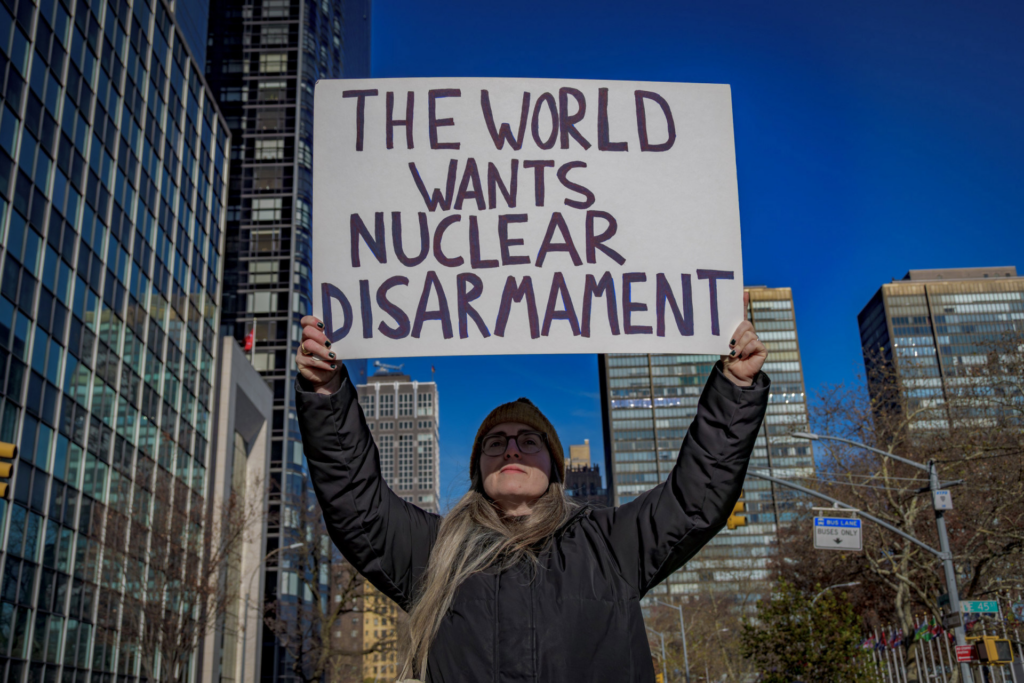
Nuclear disarmament has emerged as a pivotal topic in global politics, especially in the wake of discussions involving major powers like the United States, Russia, and China. President Trump surprisingly brought this issue to the forefront, revealing his engagement in dialogues aimed at denuclearization with both nations. His remarks highlight the urgency of US-China disarmament talks and the complexities surrounding the Russia nuclear treaty, particularly the New Start Treaty, which mandates arms reduction. Despite indications from Russia about the challenges of renegotiating this treaty before its 2026 deadline, Trump’s optimism suggests there may still be room for negotiation. As these denuclearization discussions unfold, they are set to shape future international relations and nuclear security policies profoundly.
The quest for eliminating nuclear arsenals, often framed as nuclear non-proliferation, remains a significant concern amid rising tensions among leading global powers. Recent developments highlight the complexity of negotiations about armament reduction, particularly involving the United States and its counterparts, Russia and China. President Trump’s pronouncements regarding upcoming denuclearization negotiations indicate a strategic pivot that could redefine the landscape of nuclear diplomacy. Discussions around the renewal of essential treaties such as New Start reflect a broader appeal for collaborative efforts to mitigate nuclear threats. As global leaders engage in these critical dialogues, the hope for a safer world free from the fear of nuclear conflict becomes a tantalizing possibility.
Trump’s Surprising Nuclear Disarmament Discussions
In a surprising move, former President Donald Trump openly discussed the complex and often contentious topic of nuclear disarmament with both Russia and China. This marked a departure from traditional geopolitical rhetoric, reflecting a potential pivot in the United States’ approach to managing its relationships with these nuclear powers. Trump revealed his intentions by stating, “I have talked to China about this. I have talked to Russia about this. And I think that would be something we would like to do.” This proactive communication suggests a newfound willingness to engage in dialogue, potentially paving the way for future negotiations.
However, Trump’s statements prompted mixed reactions in the context of ongoing global disarmament efforts. Many analysts noted that while discussing denuclearization might seem hopeful, the realities of international negotiations are far more intricate. The backdrop of existing treaties, such as the New Start Treaty—which plays a critical role in regulating U.S. and Russian nuclear arsenals—adds layers to these conversations. Additionally, the prevailing distrust between these nations raises questions about the viability and sincerity of such discussions.
Challenges to the New Start Treaty and Its Impact
The New Start Treaty, signed in 2010, is a pivotal agreement between the United States and Russia focused on limiting nuclear warheads and delivery systems. As the treaty is set to expire in February 2026, discussions surrounding its renegotiation have become a pressing concern. Trump’s remarks about engaging in talks about nuclear disarmament come at a time when Russia has expressed skepticism regarding the feasibility of renegotiating the treaty before its expiration. By asserting that he had received different intelligence on this issue, Trump seemed to challenge the currently understood limitations, which opens the floor to speculation about the U.S. strategy moving forward.
Furthermore, the complexities surrounding the New Start Treaty illustrate larger issues of trust and verification in nuclear disarmament discussions. The Russian government’s declaration that renegotiation is ‘impossible’ suggests a hardening of their stance amidst a backdrop of heightened military tensions and arms races. This situation presents a formidable challenge for future disarmament talks, particularly as global security dynamics continue to evolve. Effective denuclearization discussions will depend heavily on transparent dialogue and verification mechanisms that can assure all parties of compliance.
The Role of China in Global Denuclearization Discussions
With nuclear capabilities growing in nations such as China, Trump’s calls to incorporate China into disarmament discussions raises an interesting dialogue about the future of global nuclear policy. Historically, U.S.-led disarmament talks have primarily focused on bilateral agreements with Russia; however, the increasing military presence of China in international circles necessitates a broader approach. Trump’s assertion that “China should be included” acknowledges this shift and the need for comprehensive dialogue that encompasses all nuclear-armed states.
Integrating China into denuclearization discussions could lead to a more balanced and possibly effective framework for addressing nuclear risks globally. The involvement of multiple parties could foster resilience in agreements and encourage cooperation on security issues, paving the way for sustained dialogue. However, this invites challenges given China’s strategic priorities and past reluctance to engage in multilateral arms control negotiations. Ensuring genuine participation from China will require building trust and addressing significant geopolitical tensions that currently inhibit collaboration.
Future Implications for U.S.-Russia Relations
Trump’s recent declarations concerning nuclear disarmament signal an intriguing phase for U.S.-Russia relations, often marred by distrust and confrontation. His willingness to discuss nuclear policy with Russian leaders may reflect a desire to recalibrate previously strained ties. The prospects of renegotiating the New Start Treaty could lead to a promising new chapter; however, substantial hurdles remain due to the entrenched belief systems on both sides regarding security and military capabilities.
As the expiration of the New Start Treaty approaches, analysts suggest that Trump’s rhetoric will need to translate into concrete policy proposals that move beyond mere discussions. Building a cooperative framework that dampens nuclear tensions will be critical, especially given that the landscape of international relations is punctuated by competing interests. To navigate these challenges, the U.S. may need to adopt a more flexible diplomatic approach to reinforce its commitment to disarmament ambitions while addressing the concerns of Russia comprehensively.
The Impact of Global Security Dynamics on Disarmament Talks
Global security dynamics play a crucial role in shaping nuclear disarmament discussions. The rise of new security threats and the proliferation of nuclear capabilities among various nations have complicated the landscape of arms control. In this context, Trump’s comments about engaging with Russia and China about denuclearization highlight the complexity of international relations, influenced by national interests, regional conflicts, and shifting power balances. The entanglement of various diplomatic scenarios could significantly affect the potential for meaningful progress in disarmament.
Amidst these dynamics, successful disarmament initiatives will demand collaborative efforts across multiple fronts. Establishing mutual trust, promoting transparency in military capabilities, and addressing economic incentives for disarmament can foster an environment conducive to negotiations. Ultimately, the U.S.’s capacity to engage constructively with its counterparts will determine the effectiveness of denuclearization discussions in a multifaceted security landscape.
Analyzing the Resumption of Nuclear Testing
Amid ongoing discussions about nuclear disarmament, Trump’s announcement to resume nuclear weapons testing has raised critical questions about the U.S.’s strategic objectives. The decision reflects a complex strategy aimed at demonstrating robustness in military capabilities, yet simultaneously pursuing dialogue with adversarial nations. Analysts argue that such actions could potentially undermine trust in disarmament discussions, as they may be perceived as aggressive rather than conciliatory.
The resumption of testing serves not only as a show of strength but also as a bargaining tool in the larger context of international relations. It raises concerns among diplomatic circles regarding whether the U.S. is genuinely committed to denuclearization or if they are leveraging military capabilities to gain advantages in negotiations with Russia and China. This dual approach necessitates careful navigation to avoid disrupting the delicate balance needed for effective talks.
The Future of Arms Control Agreements
In contemplating the future of arms control agreements, the landscape is characterized by uncertainty. Trump’s dialogue about nuclear disarmament signals a willingness to explore new avenues of negotiation, but the effectiveness will largely depend on the existing geopolitical climate. As various treaties approach their expiration dates, including the New Start Treaty, the time for innovative strategies and clear communication has never been more pressing. What lies ahead in arms control will significantly shape international security for generations to come.
Additionally, the evolution of new technologies and military strategies will influence the arms control dialogue. As nations prioritize advancements in missile defense and other military technologies, establishing agreements that can accommodate these innovations will be crucial. Future disarmament talks must incorporate evolving security challenges while ensuring that key players remain committed to the principles of arms control. An inclusive approach that considers the priorities of all nuclear powers may ultimately be the key to achieving meaningful progress.
Integrating Multilateral Approaches in Nuclear Policy
The complexity of modern nuclear challenges necessitates a multilateral approach to policy discussions. Trump’s inclusion of China into dialogues about nuclear disarmament underscores the imperative of collective engagement across nations. By fostering a platform for all nuclear states to discuss their arsenals and strategies, policymakers can work towards more comprehensive agreements that truly reflect the current global landscape. Moving away from solely bilateral agreements could yield more sustainable solutions to disarmament issues.
Formulating a cohesive multilateral strategy will require addressing the diverse motivations and security concerns of participating nations. Crafting agreements that resonate with each country’s unique geopolitical situation could foster a stronger collective commitment to denuclearization. Despite the challenges inherent in gathering divergent parties to the table, the prospects for achieving lasting arms control rely heavily on engaging a diverse coalition of nations to champion the cause of global nuclear disarmament.
The Role of International Institutions in Disarmament
International institutions have historically played a pivotal role in fostering disarmament efforts. Organizations like the United Nations and the International Atomic Energy Agency serve as platforms for dialogue and frameworks for compliance verification, which are essential for successful disarmament negotiations. Trump’s recent conversations regarding nuclear policy with Russia and China can benefit from the credibility and legitimacy these institutions provide, encouraging nations to engage more seriously in discussions.
However, trust in these organizations has waned in recent years, complicating their role in the current geopolitical climate. The effectiveness of international institutions can be bolstered by promoting transparency and accountability among nuclear-armed states. Demonstrating that disarmament initiatives lead to enhanced global security could help to revitalize faith in multilateral discussions, fostering a more conducive environment for addressing nuclear threats.
Frequently Asked Questions
What is Trump’s stance on nuclear disarmament with Russia and China?
President Donald Trump has actively engaged in discussions about nuclear disarmament with both Russia and China. He indicated a desire to explore denuclearization talks, suggesting that cooperation with these nations could lead to meaningful progress in reducing nuclear arms.
How does the New Start Treaty impact US nuclear disarmament efforts?
The New Start Treaty, signed in 2010 by the US and Russia, plays a crucial role in nuclear disarmament efforts as it mandates reductions in nuclear warheads and delivery systems. With its current expiration in February 2026, discussions around renegotiating this treaty are vital for sustaining long-term nuclear disarmament strategies.
What does the current US-China disarmament talks entail?
The US-China disarmament talks involve negotiations aimed at including China in broader discussions on nuclear disarmament. President Trump has emphasized the importance of China’s participation, seeking to establish a multilateral approach to nuclear arms control.
What implications does Trump’s decision to resume nuclear weapons testing have on disarmament discussions?
Trump’s announcement to resume nuclear weapons testing has raised concerns about the future of nuclear disarmament talks. While he maintains that discussions with Russia about denuclearization will continue, this decision may complicate diplomatic relations and the overall disarmament framework.
How can the US engage Russia in denuclearization discussions despite treaty challenges?
Engaging Russia in denuclearization discussions requires addressing the complexities of existing treaties like the New Start Treaty. Despite Russia’s assertion that renegotiation is impossible before 2026, the US can pursue dialogue to explore potential agreements that extend the treaty’s provisions or introduce new frameworks for disarmament.
What role does the New Start Treaty play in future nuclear disarmament negotiations?
The New Start Treaty serves as a foundational element for future nuclear disarmament negotiations between the US and Russia. Its mechanisms for verification and compliance help ensure accountability in nuclear arms reduction, making it a crucial point of reference in ongoing and future denuclearization discussions.
| Key Point | Details |
|---|---|
| Trump’s Discussions on Nuclear Disarmament | Trump mentioned having talks about denuclearization with both Russia and China. |
| Comments on New Start Treaty | Despite Russia’s stance on the New Start treaty being unrenegotiable until 2026, Trump claims to have received different information. |
| Nuclear Weapons Testing Decision | Trump’s unexpected announcement to resume nuclear testing was met with mixed reactions but he emphasized future discussions with Russia. |
| Inclusion of China in Discussions | Trump stated that any talks on nuclear disarmament should also involve China. |
| Future Implications | These developments have raised questions about the future of US nuclear policy and its relations with Russia and China. |
Summary
Nuclear disarmament is a critical topic in international relations today, especially with the recent discussions involving President Trump. His surprising engagement with Russia and China regarding denuclearization indicates a potential shift in US nuclear policy. While challenges remain, including treaty negotiations and the decision to resume nuclear testing, the inclusion of multiple global powers such as China in these discussions could pave the way for meaningful progress in achieving nuclear disarmament.

