
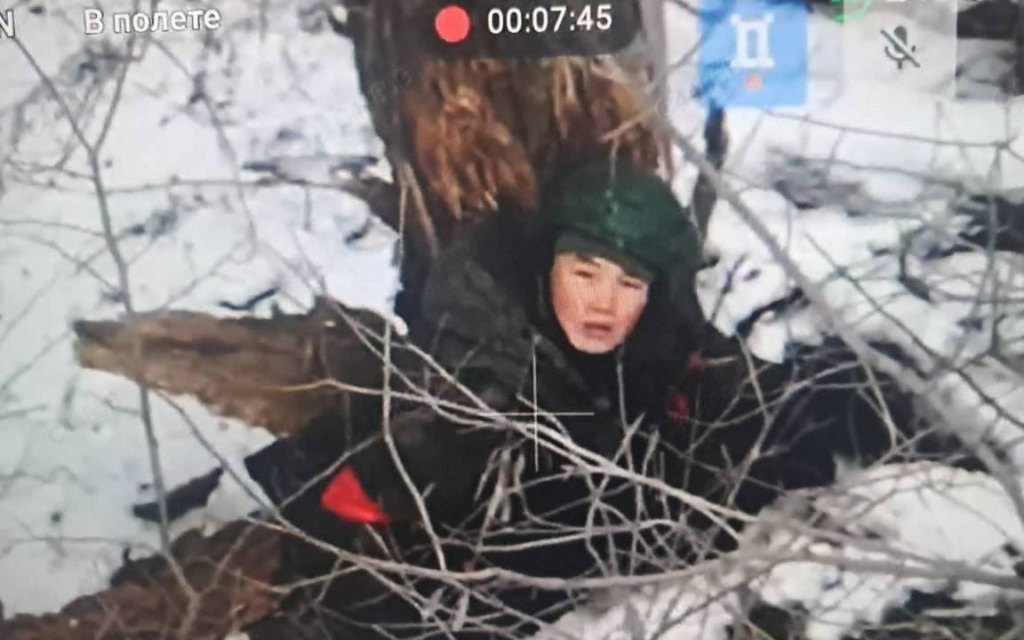
North Korea soldiers have been making headlines due to their involvement in the Ukraine war, a conflict that has stirred global tensions and alliances. Recently, Kim Jong-un celebrated the return of heroes from their deployment alongside Russian forces, highlighting their courageous contributions during a 120-day stint on the front lines. This grand ceremony in Pyongyang honored the bravery of the 528th Pioneer Regiment of the Korean People’s Army, who endured heavy losses, with Kim acknowledging a “heart-wrenching loss” of nine soldiers. The event underscored the close ties between North Korea and Russia, cemented by a defense pact that has led to significant military deployment in support of Russian efforts in Ukraine. As Kim emphasized the “mass heroism” of his soldiers, the growing involvement of North Korean forces raises questions about the implications for regional stability and the ongoing dynamics of the Ukraine war.
The recent engagement of North Korean troops in the ongoing conflict in Ukraine marks a significant chapter in international military alliances. Dubbed a show of strength by Kim Jong-un, the homecoming ceremony for veterans of this foreign deployment underscores the rising participation of Korean People’s Army soldiers in foreign military operations. During this event, Kim expressed profound respect and sorrow for those who fought valiantly alongside Russian forces, reinforcing the spirit of loyalty as outlined in the North Korea-Russia defense agreement. Alongside military officials and families, the parade of returning soldiers is a dramatic reminder of the intertwined fates of these nations amid a backdrop of global conflict. As the world watches, such military maneuvers could reshape geopolitical relations and raise alarms about the future of conflict in Eastern Europe.
Kim Jong-un’s Grand Ceremony for Returning Soldiers
In a highly publicized event, North Korean leader Kim Jong-un hosted a ceremonial welcome for the soldiers returning from their deployment alongside Russian forces in the Ukraine war. This event underscored the strong military ties between North Korea and Russia, particularly within the context of the ongoing conflict in Ukraine. The ceremony not only celebrated the return of the 528th Pioneer Regiment but also highlighted the sacrifices made, as nine soldiers were reported killed during their time on the battlefield.
Kim’s embrace of the veterans during the ceremony signifies his personal investment in military morale and recognition of their sacrifices. Citizens of Pyongyang, including high-ranking military officials and family members, filled the venue to pay homage to the soldiers’ heroics. The official media called this event a celebration of “mass heroism,” emphasizing the sacrifices made by these individuals on behalf of their nation and allied forces.
North Korea’s Military Deployment in Ukraine
The deployment of North Korean soldiers in Ukraine has raised eyebrows across the globe, with analysts noting the strategic implications of such a move. Approximately 14,000 troops were sent to Russia’s Kursk region, highlighting the significant military exchanges occurring under the North Korea-Russia defense pact. This deployment reflects the ongoing collaboration between the two nations as they confront Western opposition in the current geopolitical landscape.
Further complicating matters, reports indicate that over 6,000 North Korean soldiers have been lost in the conflict, raising questions about the human cost of this military alliance. As Kim Jong-un recognizes these fallen soldiers, the North Korean state portrays them as martyrs in a broader ideological battle. This narrative, heavily promoted by state media, seeks to reinforce national pride and solidarity among civilians and veterans of the Korean People’s Army.
The Role of the Korean People’s Army in the Ukraine Conflict
The Korean People’s Army has played a multifaceted role in the Ukraine conflict, primarily serving in support capacities under the auspices of Russian military operations. Engaged in combat and engineering tasks, these soldiers have contributed to efforts aimed at fortifying Russian defenses against Ukrainian advancements. Reports suggest that their involvement extends beyond mere support; they are integral to strategic operations such as mine clearance in contested regions.
With the historical backdrop of North Korea’s military traditions, this participation in the Ukraine conflict marks a significant expansion of its operational reach abroad. The involvement of the Korean People’s Army not only bolsters Russia’s military strength but also serves as a demonstration of North Korea’s willingness to step onto the global stage as an assertive military partner. Kim Jong-un’s repeated honors for these soldiers reinforce the narrative of national importance in this international conflict.
Commemoration of Fallen Soldiers in North Korea
The somber recognition of fallen soldiers returning from the Ukraine war is a pivotal aspect of North Korean military culture. Kim Jong-un’s public ceremonies honoring the deceased not only capture the attention of the nation but also serve to solidify the regime’s ideological stance on military sacrifice. The imagery of draping coffins with the national flag evokes a deep sense of patriotism and loyalty among the populace, portraying the regime as the protector of its warriors.
These commemorative events align with the larger narrative constructed by the state of perpetual struggle against external adversaries. By honoring these soldiers who fought in the Ukraine war, North Korea not only legitimizes its military endeavors but also galvanizes support for the ruling Workers’ Party. This dynamic reinforces the importance of remembering those who have served, ensuring that their sacrifices are never forgotten within the collective consciousness of the North Korean people.
Implications of the North Korea-Russia Defense Pact
The North Korea-Russia defense pact lays the groundwork for a strengthened military alliance between the two nations, particularly in light of their shared interests against Western influence. This partnership is exemplified by North Korea’s decision to deploy troops in support of the Russian military in Ukraine, showcasing a commitment to collaborative defense strategies. The implications of this pact suggest a more coordinated approach to military engagement in their respective regions.
As global tensions rise, North Korea’s military cooperation with Russia not only enhances its strategic capabilities but also poses challenges for surrounding countries and international relations. With the continued exchange of military personnel and resources, the pact may evolve into a more comprehensive alliance, potentially reshaping power dynamics in East Asia and beyond. These developments signal a new era of military cooperation that could influence the geopolitical landscape for years to come.
Heroic Deeds of North Korean Soldiers in Ukraine
The actions of North Korean soldiers engaged in the Ukraine war have been framed by state media as heroic deeds worthy of recognition and admiration. The portrayal of these soldiers, particularly during Kim Jong-un’s welcoming ceremonies, emphasizes their commitment to the defense of their allied forces and national integrity. Their reported bravery in combat operations is consistently highlighted, fostering a sense of national pride and reinforcing the military’s stature within society.
As narratives of heroism dominate state propaganda, it’s crucial to understand the underlying motives of such portrayals. By celebrating these deeds, Kim Jong-un aims to strengthen public support for the military while securing loyalty from the citizens. This deliberate emphasis on heroic actions acts as a powerful tool for rallying the population and maintaining the regime’s image of strength amid ongoing conflicts.
The Human Cost of Military Engagement
The human cost of North Korea’s military engagement, particularly in the context of the Ukraine war, is a vital concern that has drawn attention from analysts and human rights organizations alike. With thousands of soldiers reportedly sent to fight and many casualties suffered, including a high toll among North Korean troops, the implications of such military strategies are profound. These losses not only affect the families of the soldiers but also shape public perception regarding the regime’s military decisions.
Despite these grim statistics, the North Korean government continues to frame military engagement as a noble duty. This narrative serves to mask the tragic reality of loss, intertwining it with national pride and sacrifices made for the state. The continued emphasis on honoring fallen soldiers functions as both a coping mechanism for the populace and a tool for the regime to evoke loyalty and commitment amongst its citizens.
Reasserting Military Identity through Wartime Participation
North Korea’s wartime participation, particularly through the deployment of soldiers to aid Russian forces in Ukraine, serves as an essential aspect of reasserting its military identity on the global stage. This involvment not only demonstrates the nation’s military capabilities but also provides opportunities for fostering a united front against perceived adversaries. By sending troops to Russia, North Korea reinforces its image as a steadfast ally and a nation with the capacity to contribute to international military efforts.
This reassertion of military identity through engagement in foreign conflicts aligns with Kim Jong-un’s vision of a robust and influential North Korean military. It reinforces the narrative of the Korean People’s Army as not just a national force but as a player in international affairs, capable of addressing larger geopolitical challenges. Such involvement seeks to enhance domestic support and increase the regime’s authority over its military operations and strategic decisions.
North Korea’s Future Military Strategies Amidst Global Tensions
As global tensions escalate, North Korea’s military strategies are likely to evolve, emphasizing alliances with countries like Russia. The ongoing conflict in Ukraine presents an opportunity for North Korea to refine its military strategies while showcasing its effectiveness as a combatant. Future deployments may reflect broader ambitions to assert its influence within the international arena while maintaining its national security interests.
The partnership with Russia is expected to play a critical role in shaping North Korea’s military trajectory moving forward. With continued collaboration, both nations could seek to counterbalance the pressures exerted by Western powers. As they navigate this complex geopolitical landscape, North Korea’s focus on military readiness, strategic alliances, and operational effectiveness will undoubtedly remain a priority as future engagements unfold.
Frequently Asked Questions
What role did North Korea soldiers play in the Ukraine war?
North Korea soldiers, specifically from the 528th Pioneer Regiment of the Korean People’s Army, played a supporting role in the Ukraine war by assisting Russian military operations. They were deployed in combat and engineering tasks, helping Russia fend off Ukrainian incursions in the Kursk region.
What did Kim Jong-un say during the ceremony for soldiers returning from the Ukraine war?
During the ceremony, Kim Jong-un personally welcomed the returning soldiers and emphasized their ‘mass heroism’ and heroic behavior. He acknowledged the ‘heart-wrenching loss’ of nine soldiers who died during their 120-day deployment alongside Russian forces in the Ukraine war.
How many North Korean soldiers were deployed to support Russia in the Ukraine war?
North Korea reportedly sent around 14,000 soldiers to support Russia in the Ukraine war, with over 6,000 reported casualties. This deployment was part of the mutual defense pact between North Korea and Russia.
What acknowledgment did North Korea make regarding its soldiers who fought in the Ukraine war?
North Korea has publicly honored its soldiers who fought in the Ukraine war, with ceremonies praising their bravery. Kim Jong-un has been seen draping national flags over coffins, which were interpreted as honors for those fallen soldiers.
What is the significance of the mutual defense pact between North Korea and Russia in the context of the Ukraine war?
The mutual defense pact between North Korea and Russia underpins North Korea’s military deployment to the Ukraine war. This agreement facilitated the deployment of North Korean troops to assist Russian military efforts, specifically addressing combat and engineering operations against Ukraine.
How has the North Korean government communicated about its soldiers’ involvement in the Ukraine war?
The North Korean government, primarily through state-run media like the Korean Central News Agency (KCNA), has communicated about its soldiers’ involvement in the Ukraine war by celebrating their heroic actions, reporting on ceremonies honoring them, and emphasizing the sacrifices made by its troops.
| Event | Details |
|---|---|
| Ceremony in Pyongyang | Kim Jong-un welcomed the returning soldiers with a festive reception. |
| Recognition of Soldiers | Soldiers from the 528th Pioneer Regiment praised for their ‘mass heroism’ during their deployment. |
| Duration of Deployment | The soldiers were deployed for 120 days, performing combat and engineering tasks. |
| Casualties | Nine soldiers were reported killed, highlighting the risks involved. |
| Mutual Defense Pact | The deployment is based on a defense agreement between North Korea and Russia. |
| Total Soldiers Deployed | Approximately 14,000 North Korean soldiers were sent to fight alongside Russia. |
| Public Honors | North Korea has publicly honored its soldiers multiple times for their role in the conflict. |
Summary
North Korea soldiers’ involvement in the Ukraine war has been marked by significant military ceremony and public acknowledgment. Following their deployment alongside Russian forces, Kim Jong-un celebrated their return, commending their bravery and sacrifice. This engagement, part of a broader mutual defense agreement with Russia, reflects North Korea’s commitment to supporting its ally in the ongoing conflict. The loss of nine soldiers during this mission underscores the human cost of such military alliances. As public recognition for these troops continues, it raises questions about North Korea’s future military strategies and alliances in the context of global geopolitics.

