
In the rapidly evolving landscape of the music industry, **Musicians Earnings in the Digital Age** has become a pressing issue as artists grapple with the significantly diminished compensation structures imposed by music streaming platforms. Despite a boom in digital music revenue, reaching a notable 2.38 billion euros in Germany alone, the music streaming compensation many musicians receive remains painfully low. Renowned musician Herbert Grönemeyer has even expressed that the payment system from these platforms resembles the “greatest idiotic system in capitalism.” With only a fraction of the generated income making its way to the artists, the revenue distribution heavily favors chart-topping singles and major labels, often leaving emerging musicians at a disadvantage. As Culture State Minister Wolfram Weimer noted during a recent “Pop Summit,” this inequitable earnings landscape demands immediate action to secure a fairer future for all creatives in the industry.
As the digital revolution continues to reshape how we consume art, the concept of artist remuneration has evolved alongside it, posing significant challenges for creators in the current music landscape. In today’s environment, the reliance on digital platforms has created a disparity in earnings, where many musicians find themselves struggling to make a sustainable living from their work. This phenomenon, often referred to as the ‘streaming economy,’ highlights the urgent need for discussions around fair compensation and transparency in the distribution of earnings. Furthermore, the popularity of online music services highlights a stark divide, where a small fraction of artists dominate the revenue stream, leaving others with minimal gains. As this disconnect becomes more pronounced, it is crucial for stakeholders to address how the financial frameworks of these platforms are impacting the livelihood of musicians.
The State of Musicians Earnings in the Digital Age
In today’s digital era, the landscape of musicians’ earnings has drastically transformed due to the dominance of streaming platforms. Artists now face significant challenges as their compensation from music streaming remains dishearteningly low. With platforms like Spotify and Apple Music setting market precedent, artists often receive a mere fraction of the revenue generated from their music. Recent studies highlighted that an overwhelming 74% of musicians reported dissatisfaction with their earnings from streaming, illuminating the widening gap between top earners and emerging artists. The stark reality is that while total revenue from digital music continues to rise, the distribution remains heavily skewed, benefiting a select few.
Many prominent figures within the music industry, like Herbert Grönemeyer, have voiced strong opinions regarding these compensation structures. Grönemeyer labeled the current streaming compensation system as ‘the greatest idiotic system in capitalism’, pointing to the inequitable distribution that favors major artists at the expense of countless talented creators. According to him, when an artist streams their album, they may only receive two cents from the monthly subscription fees, with the majority flowing into a fund that disproportionately rewards those with the highest streaming numbers. This situation raises critical concerns about the sustainability of artistic livelihoods as the reliance on streaming payments becomes ever more pronounced.
The Impact of Streaming Platforms on Artist Revenue
Streaming platforms have irrevocably changed how artists generate revenue, shifting their primary income from traditional sales of physical media to digital streams. This change poses a dilemma for musicians, many of whom struggle to monetize their craft effectively. The transition has led to a multi-faceted crisis, as noted by Christopher Annen from AnnenMayKantereit. With declining concert revenues and reduced streaming payments, the survival of many artists hangs in the balance. Moreover, the introduction of AI-generated music aggravates this situation, leading to fears that human musicians might be further marginalized in favor of algorithmically produced content.
Despite the burgeoning revenue in the digital music market, where Germany alone saw growth of 2.38 billion euros in 2024, the earnings are concentrated within a minimal fraction of top performers. A disturbing statistic reveals that 0.1% of artists generated three-quarters of the total revenue, exacerbating an already significant fairness gap. This discrepancy has policy implications, leading Culture State Minister Wolfram Weimer to advocate for regulatory changes that would ensure fairer revenue sharing between streaming services and music creators. Calls for greater transparency in reporting and a more equitable system may serve as crucial steps toward restoring balance and promoting cultural diversity in the music industry.
Calls for Change: Advocating for Fair Compensation
The ongoing disparity in artist earnings from streaming and the resulting dissatisfaction have sparked a call to action among musicians and policymakers alike. The recent Pop Summit organized by Culture State Minister Weimer aims to address these issues head-on, urging for a re-evaluation of how streaming platforms compensate artists. By facilitating dialogue between musicians, industry stakeholders, and government representatives, Weimer’s initiative seeks to pave the way for legislative measures that mandate fairer revenue distribution practices. Such reforms are essential to protect the livelihoods of musicians and preserve the vibrancy of the local music scene.
Current discussions highlight the need for streaming platforms to assume greater responsibility in how they calculate and distribute payments to artists. Advocates stress that music creators deserve a significant share of the profits generated by their work, rather than being relegated to mere fractions. The coalition agreement’s emphasis on transparency and equitable revenue sharing signifies a positive shift towards restoring fairness in the digital music landscape. By taking concerted steps to empower creators, the music industry can not only sustain its artistic community but also nurture a diverse range of voices and talents.
The Future of Music Industry Regulations
As the digital music landscape continues to evolve, there is a growing need for comprehensive regulations that protect musicians’ rights and ensure fair compensation. Streaming platforms currently operate with considerable autonomy, leading to widespread concerns regarding how artist earnings are reported and allocated. The call for regulation stems from the recognition that many artists are unable to sustain their careers exclusively through streaming revenue. Regulatory changes could provide the framework required to balance the power dynamics between artists and these powerful digital platforms.
In order to cultivate a healthier music ecosystem, stakeholders are emphasizing the importance of accountability among streaming services. Future regulations could include implementing minimum payment thresholds for artists, ensuring that every stream contributes meaningfully to their earnings. As the cultural landscape shifts, it remains imperative that musicians have a voice in shaping the policies that govern their livelihood. Ensuring their contributions are appropriately valued will foster a thriving creative environment that benefits both artists and music enthusiasts alike.
Navigating the Challenges of Digital Music Distribution
Navigating the challenges of digital music distribution requires musicians to adapt to an ever-changing landscape dominated by streaming services. As traditional sales diminish, artists must leverage these platforms while advocating for their rights. Many musicians are turning to social media and direct-to-fan platforms to supplement their income and build closer relationships with their audiences. This approach not only enhances their reach but also offers alternative revenue streams that can aid in bridging the gap left by insufficient streaming compensation.
Moreover, emerging technologies and analytics are also playing critical roles in how artists promote and distribute their music. By utilizing data-driven insights, musicians can better understand their audience and optimize their strategies for engagement. This strategic use of digital tools can help to counterbalance the financial challenges posed by streaming platforms. While the current state of digital music distribution presents significant hurdles, creative approaches and proactive advocacy for fair compensation can empower artists to thrive despite the odds.
The Role of Live Performances in Music Revenue
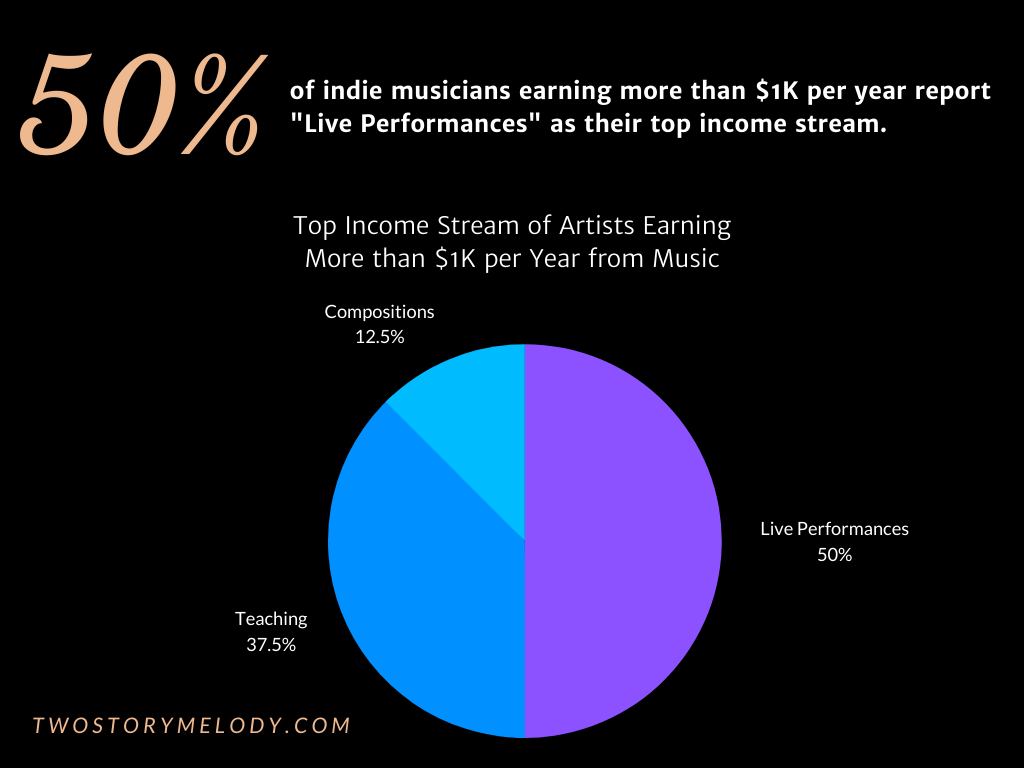
As streaming compensation continues to fall short, live performances have become a vital revenue source for many artists. Concerts and festivals not only provide a platform for musicians to showcase their talents but also offer an opportunity to connect personally with their audience. By capitalizing on live performances, artists can generate significant income, enabling them to sustain their careers and invest back into their music. Such engagements also help foster dedicated fanbases which are essential for long-term success in the industry.
However, the landscape of live performances has also been affected by external factors such as the pandemic, which has drastically altered how and when concerts take place. The increased focus on health and safety measures means that artists must be imaginative in how they present their music live, often leading to innovative concert experiences. By exploring virtual concerts and hybrid events, musicians can expand their reach to global audiences while still generating income. Ultimately, as streaming remains a primary source for music consumption, live performances will be essential in ensuring artists’ financial viability.
Consumer Behavior and Streaming Trends
Understanding consumer behavior is crucial for musicians seeking to navigate the digital music landscape effectively. Streaming platforms have significantly altered how listeners discover and enjoy music, with algorithm-driven playlists often determining which artists gain visibility. As consumers increasingly gravitate toward curated playlists and recommend-to-friend features, musicians must adapt their marketing strategies to align with these trends. That may involve generating buzz through social media, engaging with fans, and actively promoting upcoming releases to maximize streaming potential.
Moreover, staying informed about streaming trends and consumer preferences allows musicians to tailor their approaches when releasing music. By analyzing listening patterns and audience engagement metrics, artists can pinpoint the best times to release new content and how to market it effectively. Adapting to shifts in consumer behavior will be key for artists in overcoming the earnings challenges associated with streaming platforms. Embracing these insights can ultimately lead to greater visibility and, hopefully, a more equitable return on their creative investments.
Advocacy Groups and Their Impact
In light of the mounting concerns regarding artist compensation in the digital music realm, advocacy groups play an essential role in championing the rights of musicians. These organizations unite voices from diverse backgrounds to address systemic issues affecting artist earnings. By raising awareness and lobbying for necessary reforms, advocacy groups are working tirelessly to bring attention to the challenges artists face amid the digital transition. Through educational campaigns and strategic partnerships, they aim to influence policy changes that benefit the music community as a whole.
Furthermore, advocacy groups are instrumental in helping musicians understand and navigate their rights in an increasingly complex digital landscape. By providing resources and guidance on compensation structures and contract negotiation, these organizations empower artists to make informed decisions regarding their careers. The collective effort from advocacy groups not only enhances individual artist’s earnings potential but also raises crucial dialogues surrounding fair compensation practices, transparency, and ultimately the sustainability of the arts. A united front of artists, advocates, and policymakers could reshape the future of music, ensuring a thriving cultural landscape for generations to come.
The Changing Nature of Music Monetization
The changing nature of music monetization reflects the evolving dynamics of the industry, where traditional revenue streams increasingly give way to digital platforms. While physical media sales once dominated, the current landscape demands that artists explore new avenues for income generation. Streaming platforms, merchandise sales, and direct fan engagement are now integral aspects of an artist’s revenue model. By embracing a diverse range of income sources, musicians can create more resilient and sustainable careers in an ever-competitive market.
Moreover, innovative monetization strategies are emerging, allowing artists to directly engage with their audience and cultivate loyalty. From exclusive online content to ‘fan clubs’ offering unique experiences, musicians now have more tools at their disposal for building income streams while fostering deeper connections with their fans. As the music industry continues to adapt to virtual markets, those artists who can successfully navigate these changes will not only survive but thrive, carving out unique niches that reflect their artistry and resonate with listeners.
Frequently Asked Questions
How is digital music revenue affecting musicians earnings in the digital age?
Digital music revenue, primarily derived from streaming services like Spotify and Apple Music, significantly impacts musicians’ earnings. While total revenues from streaming continue to grow, many artists receive only two cents from each stream, resulting in a skewed earning model where a small percentage of top artists dominate profits, leaving the majority with minimal compensation.
What role do streaming platforms play in musicians earnings in the digital age?
Streaming platforms play a crucial role in musicians’ earnings in the digital age by determining how much artists are paid per stream. The model favors popular songs and well-known artists, often leaving emerging musicians struggling to earn a sustainable income from their music, which is a significant concern discussed in forums like the Weimer Pop Summit.
What are the main issues discussed at the Weimer Pop Summit regarding artist earnings from streaming?
At the Weimer Pop Summit, the main issues discussed included the unfair distribution of music streaming compensation, where a tiny percentage of artists earn the bulk of revenue, and ideas on how to improve transparency and fairness in the digital music revenue model to ensure that all creators receive adequate payment for their work.
How do musicians feel about streaming compensation in the digital age?
Many musicians feel frustrated with streaming compensation in the digital age. A survey revealed that over 74% of musicians are dissatisfied with their earnings from streaming, highlighting the growing concern over the fairness gap in the industry, as only a small fraction of artists reap significant financial rewards from the current model.
What changes are being proposed to improve digital music revenue for artists?
Proposed changes to improve digital music revenue for artists include mandating streaming platforms to share revenues more equitably with musicians and increasing transparency around how payments are calculated and distributed, aiming to ensure fair compensation for all creators, as discussed in meetings like the Weimer Pop Summit.
Why is the issue of artist earnings from streaming significant for cultural diversity?
The issue of artist earnings from streaming is significant for cultural diversity because the current compensation model discourages a wide range of artistic expression. When only a few artists can sustain themselves financially from their work, it stifles creativity and diversity in the music scene, threatening the rich tapestry of local and independent music culture.
What impact does AI-generated music have on musicians earnings in the digital age?
AI-generated music poses a unique challenge to musicians’ earnings in the digital age by potentially reducing demand for human-created music, thereby lowering the revenue for traditional artists. This decline, combined with already shrinking streaming payments and reduced concert revenues, contributes to a multi-crisis situation for musicians.
How can musicians advocate for better compensation in the digital music landscape?
Musicians can advocate for better compensation in the digital music landscape by participating in discussions like the Weimer Pop Summit, engaging with music rights organizations, and pushing for policy changes that mandate fair revenue sharing from streaming platforms, alongside fostering public awareness about the challenges they face.
| Key Point | Details |
|---|---|
| Streaming Revenue Growth | In Germany, streaming revenue reached 2.38 billion euros in 2024, marking six years of growth. |
| Inequitable Earnings Distribution | Musicians earn a small fraction, about two cents per stream, while the majority of revenue goes to streaming services. |
| Importance of Pop Summit | Culture State Minister Weimer invited artists to discuss fair compensation and the sustainability of the music industry. |
| Dissatisfaction Among Artists | 74% of surveyed musicians are unhappy with their streaming earnings, highlighting a crisis. |
| Superstar Focus | A small percentage (0.1%) of artists generate the majority of revenue, leading to a ‘fairness gap’. |
Summary
Musicians Earnings in the Digital Age have come under increasing scrutiny as many artists find it challenging to make a decent living from their music. Despite the rise in streaming services and record revenues, most musicians earn very little due to unfair compensation models favoring major stars. This issue has prompted discussions among industry leaders and politicians to seek solutions that promote a more equitable distribution of revenue. As the music landscape evolves, it is crucial for artists’ rights to be prioritized to ensure cultural diversity and sustainability in the industry.

