
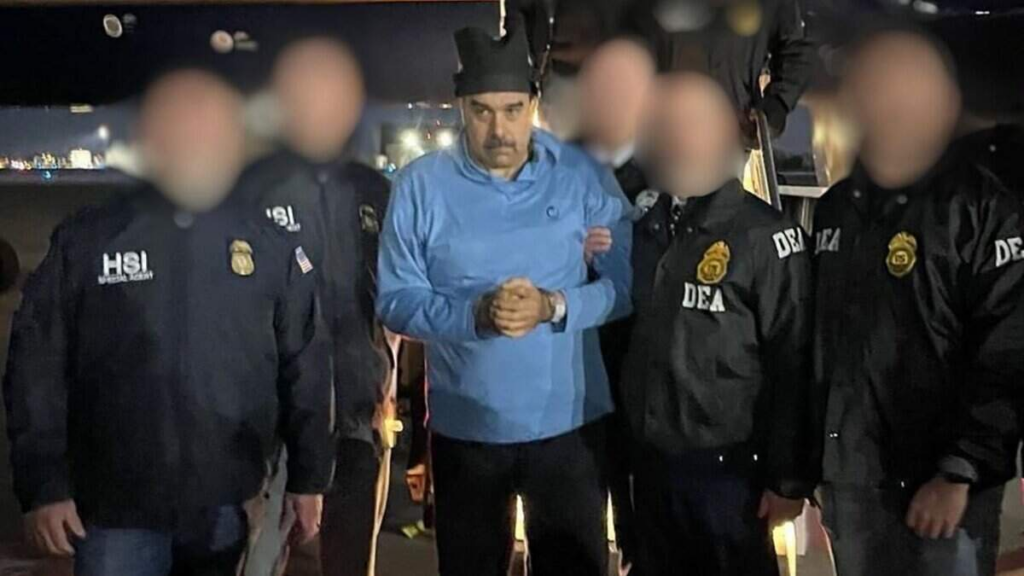
The Maduro trial is poised to become a landmark case, capturing global attention as the Venezuelan leader, Nicolás Maduro, faces federal charges of drug trafficking in a New York courtroom. His arrest marks a significant turning point in Venezuela-USA relations, as international scrutiny intensifies around the political implications of Maduro’s actions. With the US government playing a pivotal role in his capture, experts underline the broader consequences this trial may have on diplomatic ties between the two nations. As Maduro prepares to defend himself against serious allegations, the world watches closely, dissecting not only the legal proceedings but also the potential shifts in geopolitical dynamics. Understanding the nuances of Maduro’s predicament is essential, as it reflects a critical moment in the tumultuous relationship between the United States and Venezuela.
The trial of Nicolás Maduro, often referred to as the former Venezuelan president embroiled in corruption and illicit activities, has significant ramifications for international politics. His recent extradition to the United States has ignited concerns regarding drug policy and the effectiveness of international law enforcement. This legal battle, described by many as a drug trafficking trial, positions Maduro at the center of discussions about governance and accountability in Venezuela. Furthermore, the complexities surrounding the US government’s involvement reveal layers of strategic diplomacy and potential shifts in Venezuela’s future. As the upcoming hearings unfold, observers must consider the far-reaching impacts on both regional stability and global political alliances.
Nicolás Maduro’s Arrest: A Turning Point in Venezuela-USA Relations
The arrest of Nicolás Maduro marks a significant turning point in the tumultuous relations between Venezuela and the USA. The fact that the Venezuelan president was apprehended and extradited for trial in New York underscores the escalating legal and diplomatic tensions. As Maduro faces grave allegations of drug trafficking, this event is not merely a legal issue but a catalyst for changing the dynamics of bilateral relations. The stakes are high, as this unprecedented action by the U.S. government could set a precedent for future interactions with authoritarian regimes.
Moreover, the implications of Maduro’s arrest extend beyond the immediate legal ramifications. This can reshape the political landscape, not just in Venezuela but across Latin America. The USA’s approach to combating drug trafficking through high-profile arrests might send a warning to other despotic leaders in the region. The scenario raises several questions about the future of Venezuelan politics and the extent of U.S. influence in Latin American nations embroiled in similar crises.
Frequently Asked Questions
What are the charges against Nicolás Maduro in the drug trafficking trial?
Nicolás Maduro is currently facing serious drug trafficking charges in connection with alleged efforts to distribute narcotics to the United States. The trial will examine evidence linking Maduro to these activities, which the U.S. government claims is part of a broader pattern of drug-related crimes by his administration.
How does the Nicolás Maduro arrest affect Venezuela-US relations?
The arrest of Nicolás Maduro has significantly strained Venezuela-US relations, exacerbating existing diplomatic tensions. The trial is likely to further complicate interactions between the two countries, as the U.S. government takes a strong stance against Maduro’s alleged drug trafficking and human rights violations.
What are the political implications of the Maduro trial for Venezuela?
The political implications of the Maduro trial are vast, potentially affecting the stability of his regime. If convicted, it could embolden opposition groups within Venezuela and influence international responses to Maduro’s government, possibly shifting support towards alternative leadership.
What is the role of the US government in Nicolás Maduro’s trial?
The US government has played a critical role in the arrest and prosecution of Nicolás Maduro, portraying him as a key figure in drug trafficking operations. The U.S. is orchestrating the legal framework and ensuring that Maduro faces trial in New York, highlighting its broader strategy to hold foreign leaders accountable for narcotrafficking.
What security measures are in place for Nicolás Maduro during his trial?
Given the high-profile nature of the trial and diplomatic tensions, extensive security measures are in place for Nicolás Maduro, including armed escorts and heightened protocols at the New York courthouse to ensure his safety during the proceedings.
How is the international community reacting to the Maduro drug trafficking trial?
The international community’s reaction to the Maduro trial is mixed, with some countries supporting the U.S. stance, while others criticize it as a form of interventionism. Observers are closely monitoring the trial’s outcomes and how they may influence regional politics and alliances.
What are the potential outcomes of the Maduro trial?
Potential outcomes of the Maduro trial include conviction on drug trafficking charges, which could lead to a lengthy prison sentence, or acquittal, which might bolster Maduro’s claim of political persecution. Each scenario carries significant implications for Venezuela’s future and international relations.
| Key Points |
|---|
| Nicolás Maduro arrested by the USA |
| Flown to New York for trial |
| Awaiting trial on drug trafficking charges |
| Extreme security measures in place |
| Diplomatic tensions between USA and Venezuela |
| Legal challenges and political implications of the trial |
| US government’s role in the situation |
| Potential impact on US-Venezuela relations |
Summary
The Maduro trial marks a significant turning point in international relations, particularly between the United States and Venezuela. With Nicolás Maduro facing serious drug trafficking charges, the security and political ramifications of this event cannot be understated. As Maduro awaits his trial amid tight security, the implications of his arrest extend beyond the courtroom, influencing diplomatic relations and highlighting the complexities of U.S. foreign policy in the region.

