
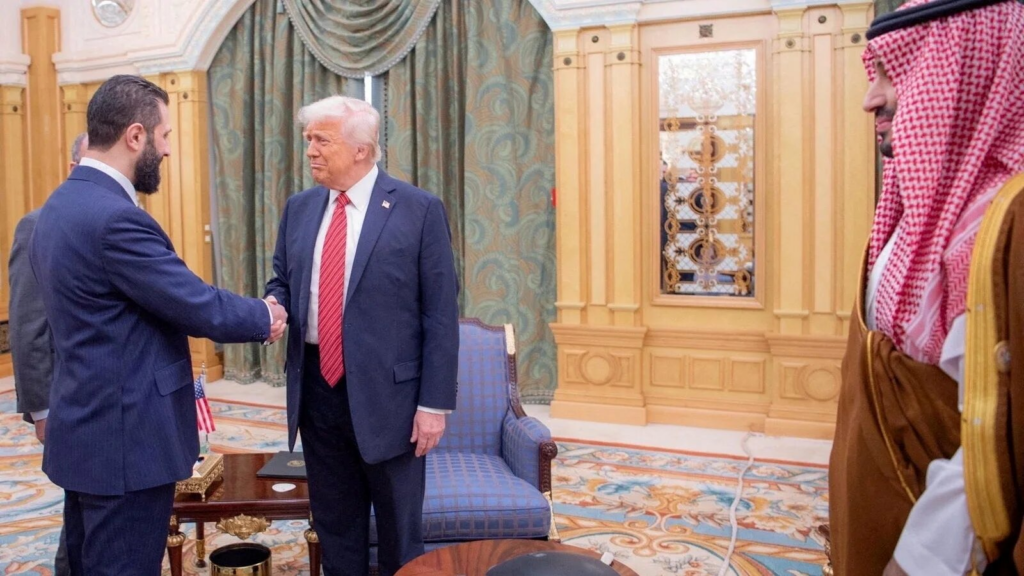
Lifting sanctions against Syria marks a pivotal moment in the nation’s journey towards recovery and stability. After years of enforced economic isolation under the Caesar Act, this decision by the United States signals a fresh start for the war-torn country. Interim president Ahmed al-Sharaa expressed hope that this move will pave the way for much-needed reconstruction in Syria, as it opens up new investment opportunities that have long been stifled. The alleviation of US economic sanctions is seen as crucial for attracting foreign capital and initiatives to revitalize essential sectors like infrastructure and healthcare. With a regained foothold in international relations, Syria now eyes a brighter economic future after an era of hardship and turmoil.
The recent decision to lift economic restrictions on Syria signifies a transformative shift for the country’s future. Under the previous sanctions, notably those imposed by the Caesar Act, Syria faced severe limitations that crippled its economy and stymied international engagement. Now, as the nation emerges from a prolonged period of conflict and adversity, leaders like Ahmed al-Sharaa are eager to initiate comprehensive reconstruction efforts. This strategic change seeks not only to revitalize the economy but also to open doors for foreign investments and partnerships that facilitate growth and stability. With the lifting of sanctions, Syria finally has a chance to restore its dignity and rebuild from the ashes of its past conflicts.
The Caesar Act: A Catalyst for Change in Syria
The Caesar Act, implemented in 2019, was intended to impose strict economic sanctions on Syria as a response to the brutal actions of Bashar al-Assad during the civil war. The legislation targeted not only the Assad regime but also foreign entities engaging with Syria, which severely limited the nation’s economic viability. However, with the recent political developments leading to the lifting of these sanctions, experts suggest that the Caesar Act served more as a catalyst for change than a permanent roadblock. The cessation of these sanctions marks a pivotal moment, allowing for renewed engagement with the international community.
As the sanctions began to lift, interim President Ahmed al-Sharaa expressed optimism about the future, highlighting that the time for rebuilding and reunification with global economic systems has arrived. The transition away from the punitive measures of the Caesar Act ushered in possibilities for foreign investment and infrastructure reconstruction, crucial for the nation’s stability. As investment opportunities emerge, Syria can finally focus on healing and rebuilding after years of despair.
Rebuilding a Nation: The Era of Reconstruction in Syria
With the lifting of US economic sanctions, the Era of Reconstruction has begun in Syria, setting the stage for revitalization and economic recovery. Transitional president Ahmed al-Sharaa emphasized the importance of this period, asserting that it is time to move beyond the pain inflicted by years of civil strife and isolation. Reconstruction efforts will need to address critical areas such as infrastructure, healthcare, and education systems, which have been severely affected by the conflict. International collaboration and foreign investment will be essential in this regard.
The optimism surrounding this new era is palpable, as both local and foreign stakeholders express their interest in participating in Syria’s recovery. Recent discussions on public-private partnerships are underway, signaling potential investment opportunities that could reinvigorate the Syrian economy. Support from regional partners, along with a cautious reintegration into the international market, can provide the necessary resources for reconstruction initiatives. Al-Sharaa’s leadership during this transition is viewed as crucial for steering the nation towards stability and growth.
Investment Opportunities: Revitalizing the Syrian Economy
The lifting of economic sanctions against Syria has opened a window of opportunity for investment, which is seen as vital for the country’s recovery. International investors are increasingly eyeing Syria as a potential hub for development, particularly in sectors such as energy, agriculture, and tourism. Reports indicate that foreign companies are already exploring ways to enter the market, driven by the promise of untapped resources and a desperate need for infrastructure improvement. This could potentially lead to significant job creation and economic growth.
Ahmed al-Sharaa, as the transitional president, is actively promoting Syria as an attractive investment destination. His administration is committed to implementing policies that ensure a stable investment climate, encouraging both local and foreign businesses to participate in the reconstruction efforts. With necessary legal frameworks being established, the government aims to ensure transparency and security for investors. The resultant economic activity is expected not only to enhance Syria’s global standing but also to improve the quality of life for its citizens.
The Role of International Relations in Syria’s Recovery
As Syria steps cautiously into the post-sanction era, the importance of international relations cannot be overstated. The lifting of sanctions following the Assad regime’s fall poses both opportunities and challenges. Strengthening ties with international organizations and countries is critical for Syria’s reintegration into the global community. Ahmed al-Sharaa’s administration aims to navigate the complexities of international diplomacy while attracting necessary aid and investment to facilitate recovery.
Moreover, fostering relationships with neighboring countries in the Middle East could significantly aid in Syria’s reconstruction efforts. Regional cooperation in sectors such as energy and trade can encourage economic stability and security. Collaborative efforts may also unlock broader regional integration, thereby enhancing Syria’s long-term resilience. The ongoing dialogues facilitated by al-Sharaa are indicative of a strategic approach to rebuilding not only Syria’s economy but also its diplomatic standing.
Challenges Ahead: Navigating Post-Sanction Syria
While the lifting of US economic sanctions heralds a new chapter for Syria, the journey toward recovery is fraught with challenges. Historical grievances, ongoing political instability, and regional tensions present significant obstacles to reconstruction efforts. It is critical for the transitional government under Ahmed al-Sharaa to address internal divisions and build a cohesive national identity that spans both political and social spectrums.
Moreover, the readiness of international investors to engage with Syria amid lingering conflicts and security concerns remains uncertain. Strategic planning and robust governance are required to instill confidence in potential investors. Al-Sharaa must ensure that the new policies aimed at attracting investment are rooted in principles of fair governance and accountability, which will be essential for establishing a sustainable economic environment.
The Future of Civil Society in a Rebuilt Syria
As Syria moves towards reconstruction, rebuilding civil society will be a paramount concern. The years of conflict have left deep scars, and the participation of citizens in the reconstruction process is critical. The transitional president Ahmed al-Sharaa supports initiatives that empower local communities to engage in decision-making processes surrounding reconstruction efforts. This grassroots involvement could facilitate a more inclusive recovery that addresses the needs of the population at large.
Furthermore, promoting civil society’s role can enhance transparency and accountability within the government as it embarks on extensive rebuilding projects. By fostering a culture of collaboration between the government and non-profit organizations, Syria can mobilize local resources and expertise to support recovery efforts. The strength of civil society will be fundamental to shaping a more resilient and democratic future for Syria.
Economic Resilience: Lessons from Syria’s Past
Syria’s rich history has provided valuable lessons in economic resilience, which are crucial in informing current reconstruction strategies. The nation’s experiences with past conflicts demonstrate the importance of diversifying the economy and investing in human capital. Ahmed al-Sharaa’s administration is dedicated to leveraging historical insights to develop a sustainable economic blueprint that aligns with the current realities and needs of the Syrian people.
Adapting lessons from Syria’s past challenges requires a focus on innovation and entrepreneurship. Encouraging a dynamic small business sector could play a significant role in economic recovery by fostering job creation and stimulating local markets. As investments begin to pour in, there will be a pressing need to nurture a culture of innovation that empowers the youth and restores hope within the community.
Building Infrastructure: The Key to Economic Growth in Syria
With the lifting of US economic sanctions, the urgent need for infrastructure development in Syria has come to the forefront of recovery efforts. This is not only vital for restoring basic services but also for facilitating economic growth and attracting foreign investment. Ahmed al-Sharaa’s government is prioritizing investment in critical infrastructure projects, including transport, energy, and telecommunications, which are essential to revitalize the economy.
Sustained investment in infrastructure will support job creation and improve living conditions for the Syrian people. Collaborative initiatives with international development agencies and foreign investors can enhance these efforts, enabling reconstruction projects to align with global standards. Building resilient infrastructure is a cornerstone for transforming Syria from a nation recovering from conflict to a thriving economy.
Syria’s Path to Stability: Governance and Economic Policies
Stability in post-sanction Syria depends largely on effective governance and sound economic policies. The transitional administration led by Ahmed al-Sharaa has recognized the need for transparency, anti-corruption measures, and citizen participation in rebuilding efforts. Formulating policies that prioritize the welfare of all Syrians will enhance public trust and create an environment conducive to investment.
Additionally, implementing economic reforms that promote sustainable growth is pivotal for Syria’s long-term stability. Al-Sharaa’s government is looking into regulatory frameworks that not only attract foreign investments but also protect local industries. Promoting economic diversification, creating a skilled workforce, and enhancing public services are critical components of a comprehensive strategy aimed at securing Syria’s future.
Frequently Asked Questions
What does the lifting of sanctions against Syria mean for the future of the country?
The lifting of sanctions against Syria marks a significant turning point for the nation, allowing for economic recovery and reconstruction opportunities. Transitional president Ahmed al-Sharaa emphasized that this development opens the door for foreign investments and revitalizes sectors critical for growth, such as infrastructure and healthcare.
How does the Caesar Act relate to the recent lifting of sanctions against Syria?
The Caesar Act was a key U.S. law that imposed stringent economic sanctions on Syria to weaken the Assad regime. With the complete lifting of these sanctions, we are now witnessing a transition from the pressures of the Caesar Act to a new focus on reconstruction and investment in Syria.
What investment opportunities are emerging in Syria following the lifting of sanctions?
Following the lifting of sanctions, Syria presents numerous investment opportunities across various sectors, including infrastructure, energy supply, and healthcare. This shift aims to restore economic stability and invite international businesses to participate in the country’s recovery.
Who is Ahmed al-Sharaa and what is his role in the post-sanction era in Syria?
Ahmed al-Sharaa is the transitional president of Syria and plays a crucial role in leading the country into a new phase following the lifting of sanctions. His leadership is pivotal in re-establishing Syria’s presence in the international community and fostering economic recovery.
What is the significance of the US economic sanctions lifting in relation to Syria’s future stability?
The lifting of US economic sanctions is vital for Syria’s future stability as it encourages foreign investments and broadens trade opportunities. With the lifting, Syria aims to build a stable economy that supports its citizens and strengthens its position on the global stage.
What was the impact of US economic sanctions on Syria before their lifting?
Prior to their lifting, US economic sanctions, particularly under the Caesar Act, severely restricted Syria’s ability to engage in trade and attract foreign investments. This led to economic challenges and humanitarian crises, greatly hindering the country’s recovery and growth.
How did international reactions shift with the lifting of sanctions against Syria?
The lifting of sanctions has changed international perspectives on Syria, fostering a more favorable view towards engagement and investment. Countries previously hesitant may now consider participating in reconstruction efforts, contributing to Syria’s overall economic revival.
What steps are being taken towards reconstruction in Syria after the sanctions have been lifted?
Following the lifting of sanctions, the Syrian government, under Ahmed al-Sharaa, is actively pursuing reconstruction initiatives, focusing on rebuilding infrastructure, enhancing healthcare systems, and creating job opportunities to stimulate economic growth and stability.
| Key Point | Details |
|---|---|
| Lifting of Sanctions | The US has completely lifted sanctions against Syria after the overthrow of Bashar al-Assad. |
| The Caesar Act | Imposed in 2019 to weaken the Assad government, focused on economic sanctions. |
| Economic Recovery | With sanctions lifted, Syria aims for investments and economic recovery initiatives. |
| International Relations | Ahmed al-Sharaa is working to reconnect Syria to the international community. |
| Future Prospects | Expectations of new jobs, food security, and infrastructure improvements. |
Summary
Lifting sanctions against Syria marks a pivotal moment in the country’s recovery process. With the support of the US government, the complete removal of economic restrictions signals a commitment to rebuilding and reintegrating Syria into the global economy. President Trump’s endorsement of interim president Ahmed al-Sharaa reinforces the hope for a prosperous future, ushering in an era focused on reconstruction and international collaboration.

