
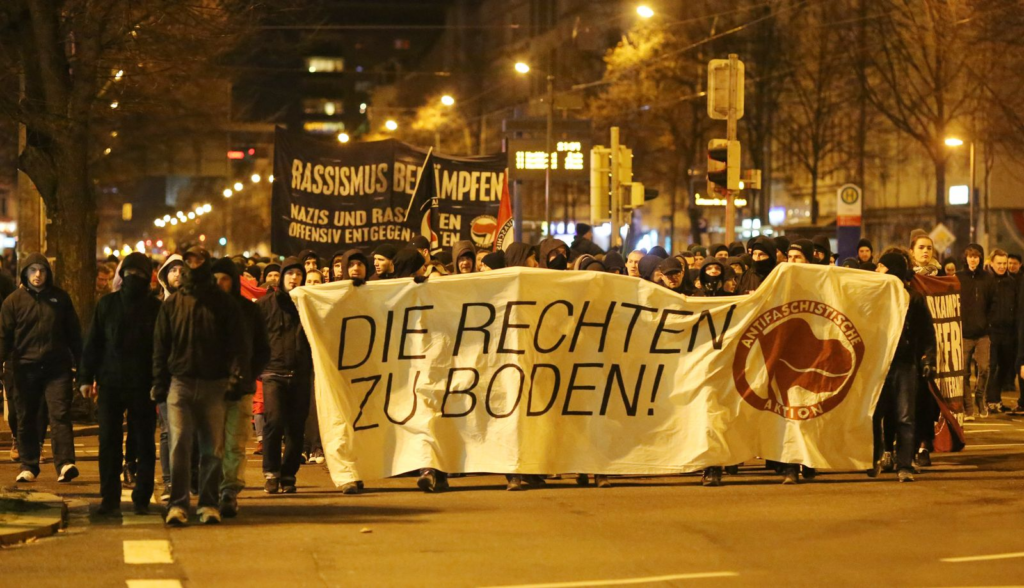
The Leipzig Connewitz demonstrations have ignited fervent debates, as competing leftist factions take to the streets to voice their contrasting views on the ongoing Middle East conflict. With a backdrop of tension, hundreds participated in a pro-Palestinian rally organized by the group Handala, chanting passionate slogans such as “Free Palestine.” Simultaneously, the emergence of pro-Israeli left protests has highlighted deep divisions within the leftist community, bringing forth a significant internal conflict in Leipzig. Authorities are on high alert, deploying a large police presence to maintain order amid concerns of escalating confrontations. As Leipzig witnesses this unprecedented clash of ideologies, the atmosphere remains charged with the weight of historical grievances and polarized beliefs in a city known for its vibrant yet contentious political activism.
Within the diverse landscape of Leipzig’s political activism, the recent gatherings in Connewitz represent a microcosm of broader ideological struggles. Demonstrations focused on advocating for Palestinian rights, juxtaposed with counter-protests supporting pro-Israeli sentiments, have ignited discussions about the future of leftist solidarity. These rival rallies reveal the complexities of contemporary leftist movements, as groups navigate their stances on foreign policy while grappling with internal dissent. The Handala demonstrations, amidst this backdrop, underscore a pivotal moment for activists as they confront the challenge of uniting under shared goals while addressing divergent perspectives within their ranks. Such events not only illuminate the local political scene but also resonate with global movements, marking Leipzig as a critical hub for activism and discourse.
The Tension of Leipzig Connewitz Demonstrations
In recent weeks, Leipzig Connewitz has become a focal point for heightened tensions among various leftist factions as they engage in conflicting demonstrations. The pro-Palestinian and pro-Israeli groups, particularly the demonstrations led by Handala, exemplify the internal left conflict that has been simmering for some time. These protests, deeply rooted in the broader context of leftist politics in Germany, highlight the complexities and divisions within these movements concerning the Middle East conflict. A strong police presence, complete with barricades and surveillance, is essential to manage the competing ideas and voices that saturate these protests.
The Leipzig Connewitz demonstrations have attracted attention not only for their political implications but also for the increasing fervor displayed by participants. As rival factions clash over their ideologies, the atmosphere remains charged with anticipation and fear of possible violence. While the pro-Palestinian group Handala chants slogans calling for the liberation of Palestine, the opposing groups voice their support for Israel. This internal struggle within the left has prompted significant discussions among participants and observers alike regarding their shared values and direction. Public figures, including local politicians, have voiced concerns, contributing to an already imbalanced atmosphere laden with both ideological passion and communal conflict.
Understanding the Internal Left Conflict in Leipzig
The ongoing internal left conflict in Leipzig is emblematic of broader challenges facing leftist movements worldwide. As various ideologies vie for prominence within the community, it becomes increasingly evident that divergent opinions on international issues, such as the Israeli-Palestinian conflict, can fracture alliances that once seemed strong. Within Leipzig’s Connewitz district, the presence of both pro-Palestinian and pro-Israeli left protests has illuminated these fractures, prompting discussions about what it means to be part of a unified leftist front in today’s world. Local leaders, including Left MP Juliane Nagel, emphasize the importance of finding a common ground, advocating for peaceful dialogue over division.
Additionally, this internal left conflict has raised questions about the identity and purpose of leftist activism in Leipzig. As the pro-Palestinian rally organized by Handala clashes against a pro-Israeli contingent, it’s important to understand the motivations behind such movements. Strikingly, many leftist activists express their commitment to social justice but are divided on how to approach international conflicts. The challenges they face are further complicated by accusations of anti-Semitism and extremism, which are prompting debates that extend beyond Leipzig and into the broader German political landscape.
Impact of Pro-Palestinian and Pro-Israeli Protests in Leipzig
The pro-Palestinian and pro-Israeli protests in Leipzig are not just local events; they play a significant role in the larger context of political activism in Germany. With both camps showcasing their beliefs through marches and rallies, the impact on the community is palpable. The notable gathering of several hundred participants at the Handala-organized event illustrates the mobilization ability of pro-Palestinian advocates, while simultaneously signaling the existence of a robust pro-Israeli left that feels equally passionate about its position. The back-and-forth between these factions raises awareness of their causes but also risks overshadowing the potential for constructive conversation and unification.
Moreover, incidents such as physical altercations and confrontations with the police during these demonstrations highlight the broader ramifications of these protests. With the involvement of various groups, the tensions can escalate, leading to increased scrutiny from authorities and media alike. The focus on Leipzig’s demonstrations underscores the need for leftist solidarity while paralleling the urgent need to address rising anti-Semitism amid political dialogues. As both sides continue to voice their stances, the potential for dialogue and collaboration remains a crucial consideration even in the face of sharp disagreements.
The Role of Law Enforcement During Protests
Law enforcement plays a critical role during the pro-Palestinian and pro-Israeli protests in Leipzig, particularly amid fears of violence escalating. With a significant police presence established around Connewitzer Kreuz, authorities are tasked with maintaining order between opposing factions of leftist demonstrations. The measures, including strict spatial separations and barricades, aim to minimize potential clashes—a reflection of the heightened sensitivity surrounding these events. As protests grow larger and more organized, police focus on ensuring the safety of all participants while navigating the complexity of activism that often includes contentious ideologies.
Instances of violence and confrontations have been reported, leading to a police emphasis on rapid response capabilities. The strategy employed by law enforcement emphasizes a balance between allowing freedom of expression while keeping potential conflicts at bay. With the backdrop of ongoing tensions in the Middle East, the handling of protests in Leipzig serves as a litmus test for how authorities can navigate domestic unrest around international issues. Their role extends beyond mere enforcement—policing in these circumstances requires wisdom, tact, and the ability to mediate between deeply felt emotional convictions.
The Significance of Handala Demonstrations
The Handala demonstrations in Leipzig stand as a significant touchpoint for understanding contemporary leftist activism. Advocating for a pro-Palestinian stance, Handala encompasses a growing faction within the left that is dedicated to issues related to Palestine. Their mobilization efforts highlight the importance of intersectional politics within leftist movements and how these particular demonstrations align with global trends observed in advocacy for social justice. The slogans chanted and banners displayed express a powerful call for solidarity, resonating with movements worldwide that strive for liberation and justice.
However, these demonstrations are not without their controversies. Criticism from within the left, including prominent figures like Julian Nagel, raises questions about the implications of aligning certain protests with calls that some perceive as anti-Semitic. This has sparked an ongoing debate about the ethics and responsibility of leftist groups in choosing their tactics and the language they use. As Handala’s events challenge the status quo in Leipzig, they compel activists to reassess their positions, recognize diverse perspectives, and aim for a more inclusive form of leftist solidarity that respects all identities and experiences.
Exploring Protests and Community Dynamics in Connewitz
The Leipzig Connewitz community has traditionally been a stronghold of leftist activism, making it a unique backdrop for these protests. The dynamics of local activism reflect a blending of various ideologies and affinity groups, creating a vibrant yet often contentious environment. Within this neighborhood, where demonstrations are frequent, the convergence of pro-Palestinian and pro-Israeli sentiments showcases the challenges of forging unity among like-minded activists. As tensions rise, community members often find themselves grappling with identifying their values amidst a cacophony of dissent.
Additionally, community dynamics in Connewitz are further complicated by the presence of autonomous left extremists who play active roles in protests. This complexity adds layers to the identity of the protests, as distinct factions with different methodologies clash both ideologically and physically. As activists navigate this environment, the impact of these tensions can lead to both fracturing and, paradoxically, newfound solidarity as groups confront and negotiate with the varying opinions surrounding them. Whether through peaceful rallies or confrontations, the experience of activism in Leipzig’s Connewitz is about more than just the demonstrations; it’s a study of community, identity, and the pursuit of justice.
Navigating the Future of Leftist Activism in Germany
As the tensions in Leipzig highlight the divisions within leftist politics, the future of leftist activism in Germany remains uncertain. With the rise of conflicting ideologies within groups like Handala and other pro-Palestinian or pro-Israeli factions, it prompts a reevaluation of goals, strategies, and the broader community’s solidarity. Activists face the challenge of addressing internal conflicts that threaten to fragment their efforts while also navigating ongoing discussions regarding the best approaches to international political issues. The task ahead involves reconciling differences and finding a unified direction that upholds the core values of social justice and solidarity.
In contemplating the future, it’s crucial for the left in Germany to engage in constructive dialogue that fosters an understanding of diverse perspectives. Inclusion and compassion can pave the way for a revitalized leftist movement capable of addressing both local and global issues effectively. Through internal discourse, groups can learn from each other and ultimately channel their collective energies toward meaningful change. The path forward for leftist groups in places like Leipzig hinges on unity while acknowledging and respecting differences, which is necessary to remain relevant in a world that is continuously evolving.
Media Coverage and Public Perception of Leipzig Protests
Media coverage of the Leipzig protests has played a vital role in shaping public perception of the events taking place in Connewitz. Journalists and news agencies covering the statements from both pro-Palestinian and pro-Israeli factions contribute to a broader understanding of leftist struggles experienced in Germany. Coverage of incidents, including physical altercations and police interventions, emphasizes the escalating tensions and creates narratives that influence how these movements are viewed by the public. The portrayal of these protests highlights both the passion of participants and the complexities of their messages.
Furthermore, as media outlets report on the demonstrations, the ensuing narratives can sometimes oversimplify nuanced positions within the leftist community. These representations run the risk of framing activists through a lens of extremism, limiting the potential for understanding the diversity of opinions present. Hence, it’s imperative for journalists to strive for balanced reporting that captures the multifaceted nature of the conflicts while giving voice to those who advocate for peace and justice. By doing so, media can contribute positively to the discussion surrounding leftist activism in Leipzig and encourage an informed public dialogue about the issues at hand.
Bridging Ideological Divides for Constructive Dialogues
To move forward from the current climate of conflict in Leipzig, it is crucial to establish frameworks for dialogue that promote understanding across ideological divides. Given the sharp disagreements evident in the protests, the emphasis should be on creating spaces where activists can engage meaningfully with differing viewpoints. Facilitating conversations that prioritize empathy and respect may foster cooperation among leftist groups, allowing them to work together toward common goals instead of becoming entrenched in opposition. This approach not only enhances community strength but also reinforces the leftist mission for social justice and mutual support.
Moreover, bridging these divides can also help dismantle prejudicial narratives that lead to further violence and misunderstanding. As advocated by leaders like Juliane Nagel, a genuine commitment to peaceful resolutions can shape the future of left activism in Leipzig. By fostering collaborative initiatives instead of confrontational protests, diverse factions will be better equipped to tackle challenges collectively. Building alliances that contain representatives from all sides is pivotal to ensuring that activism remains rooted in the principles of solidarity, compassion, and respect for differing ideologies.
Frequently Asked Questions
What are the main issues surrounding the Leipzig Connewitz demonstrations?
The Leipzig Connewitz demonstrations showcase conflicting views within leftist groups regarding the Middle East conflict, particularly the pro-Palestinian and pro-Israeli positions. The tensions are exacerbated by internal conflicts among leftist factions, with pro-Palestinian rallies organized by groups like Handala clashing with pro-Israeli left protests. This situation has raised concerns over public safety and potential violence amid the ongoing demonstrations.
How do the pro-Palestinian rallies in Leipzig relate to leftist protests?
The pro-Palestinian rallies in Leipzig, primarily organized by the group Handala under the slogan “Antifa means: Free Palestine,” are a prominent part of the ongoing leftist protests. These demonstrations reflect a significant faction within the leftist scene that supports Palestinian rights, leading to tensions with pro-Israeli left groups. The current internal left conflict in Leipzig emphasizes divergent views on foreign policy, especially regarding Israel and Palestine.
What measures are law enforcement taking during the Leipzig Connewitz demonstrations?
During the Leipzig Connewitz demonstrations, law enforcement is deploying a large police presence to maintain order and prevent violence. They are implementing strict spatial separations between opposing factions and have established barricades to minimize confrontations. Additionally, police are conducting surveillance and have addressed incidents of violence or harassment during the protests, aiming to ensure public safety amidst rising tensions.
What role does group Handala play in the Leipzig demonstrations?
Handala plays a significant role in the Leipzig demonstrations as they organize pro-Palestinian rallies that challenge the established leftist community in Connewitz. The group, which is viewed as extremist by domestic intelligence, calls for demonstrations advocating for Palestinian rights, often leading to clashes with pro-Israeli left protests amid an internal left conflict in Leipzig.
How has the rhetoric in the Leipzig Connewitz demonstrations evolved?
The rhetoric in the Leipzig Connewitz demonstrations has evolved to reflect heightened division within the leftist community. Keywords such as “Free Palestine” and critiques of anti-Israeli sentiments by some left-leaning figures indicate a deepening rift. Prominent leftist representatives have voiced their distress over the internal conflicts, highlighting a struggle within the left regarding solidarity with Palestine versus support for Israel.
What impact does the internal left conflict have on the Leipzig demonstrations?
The internal left conflict significantly impacts the Leipzig demonstrations by intensifying polarization among leftist groups. The contrasting positions on the Israeli-Palestinian conflict not only fuel tensions during rallies but also complicate the unity of the left in Leipzig. This conflict promotes divisions that can lead to outbreaks of violence and alter the narrative surrounding leftist activism in the region.
What are the expected outcomes of the Leipzig Connewitz demonstrations?
The expected outcomes of the Leipzig Connewitz demonstrations include heightened visibility of the conflicting ideologies within the leftist community, potential increases in public conflict, and a call for leaders within leftist factions to address these divisions. Ensuring peaceful resolutions and promoting constructive dialogue about the Israeli-Palestinian conflict could emerge as crucial goals amidst the turbulent atmosphere.
| Key Points |
|---|
| Leipzig Connewitz is witnessing rival demonstrations between pro-Palestinian and pro-Israeli leftist groups. |
| The atmosphere is tense, with clashes expected as police deployment increases in the area. |
| Several hundred participants from the pro-Palestinian protest chanted slogans in favor of Palestine. |
| The police anticipate mutual disruptions and have put strict distancing measures in place between the conflicting groups. |
| Reports indicate incidents of violence, including an attack on a camera crew by protestors. |
| Left MP Juliane Nagel criticized the pro-Palestinian demonstration, expressing concerns about internal conflicts within the left. |
| The upcoming rally will change its route to avoid direct conflict areas, aiming to maintain peace. |
Summary
The Leipzig Connewitz demonstrations underline the intense divisions within leftist groups, with pro-Palestinian factions clashing against supporters of Israel. These protests are marked by high tensions and police intervention, demonstrating the challenges of navigating political dissent in Leipzig’s complex landscape. As the day progresses, it remains crucial for authorities and participants alike to promote peaceful dialogue over conflict.

