
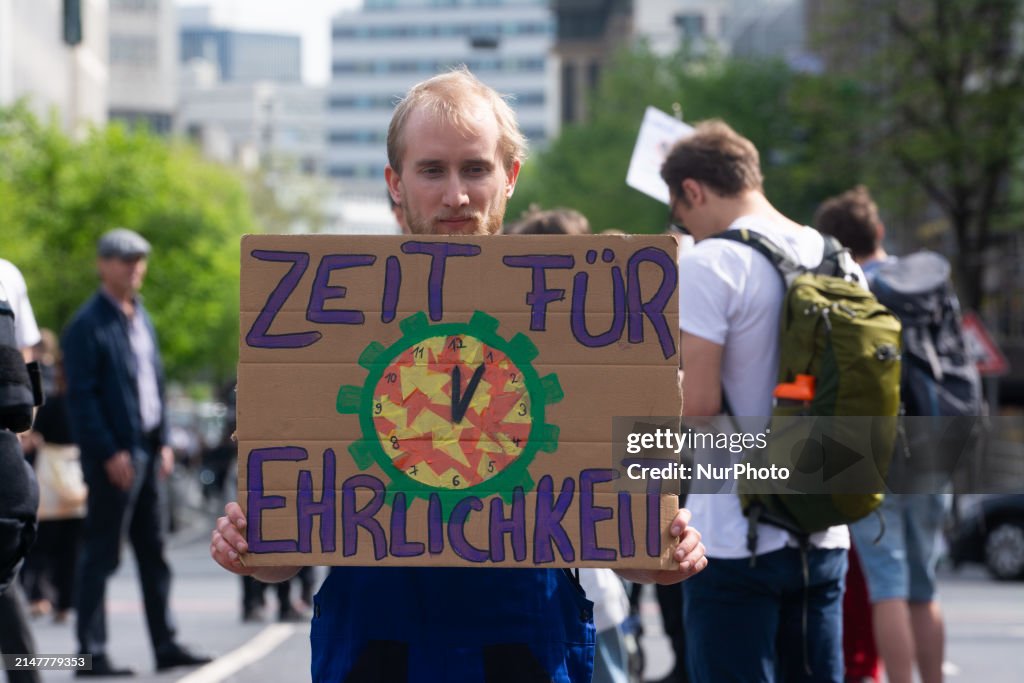
Last Generation climate activists have taken a bold stand to address the dire reality of climate change, recently making headlines for their controversial blockade of Hamburg Airport. This action was part of a broader climate protection movement aiming to raise awareness about environmental degradation and the urgent need for action. However, their actions have led to severe penalties, with activists facing fines exceeding 400,000 euros or potential imprisonment for up to two years. The case illustrates a significant intersection of civil vs criminal law, as public opinion remains divided on the harsh legal consequences of their protests. In recent discussions, the ruling has sparked a conversation about the legitimacy of climate activism and the need for more effective responses to climate change.
The recent verdict against members of Last Generation highlights a critical juncture in the ongoing battle for environmental justice. These climate activists, known for their disruptive tactics, including the noteworthy blockade at Hamburg Airport, have ignited a fiery debate within the climate activism community. As society grapples with the implications of climate change penalties, the distinction between civil disobedience and legal accountability surfaces prominently. Many view this case within the larger context of the climate protection movement, where the urgency for action often clashes with established laws. The mixed reactions to this ruling underscore a pivotal point in how we perceive and respond to activist protests aimed at securing a sustainable future.
The Last Generation Climate Activists: Impacts and Legal Consequences
The Last Generation climate activists have become a focal point in the discourse surrounding climate change and activism. Their blockade of Hamburg Airport not only brought attention to the pressing issue of climate change but also raised significant legal ramifications following their actions. The court’s decision to impose penalties exceeding 400,000 euros has sparked discussions on the boundaries between lawful protest and civil disobedience. As the climate protection movement continues to evolve, the implications of such rulings will likely resonate with future activism strategies and the public’s perception of climate advocates.
Moreover, the harsh penalties faced by the Last Generation activists illustrate the tensions that arise when activism meets the legal system. It’s essential to understand how civil law, which governs their obligations to compensate for damages, contrasts with criminal law, which could see them face incarceration. This distinction highlights an ongoing debate about how society chooses to manage protests that disrupt public life in the name of climate protection. The reactions vary widely, reflecting the mixed feelings within the community about the necessity and effectiveness of such dramatic measures.
Civil vs Criminal Law: The Framework of Climate Activism
The legal landscape surrounding climate activism, particularly in the case of the Last Generation, underscores the complexities of civil versus criminal law. Civil law tends to focus on compensating victims for damages, as seen with the airport blockade, whereas criminal law could impose fines and imprisonment for actions deemed unlawful. This dichotomy raises important questions about the appropriate consequences for activists who disrupt public order in their quest for climate justice. Should they be held liable for damages or punished through criminal charges? This ongoing debate is critical to understanding how society values civil disobedience.
Furthermore, the conversation surrounding civil and criminal ramifications also signals a need for clearer legal frameworks regarding climate activism. As the severity of penalties increases, it’s imperative for lawmakers to adapt to the growing urgency of climate action. Limiting activists’ capacity to protest may not only stifle important discourse but also undermine the climate protection movement’s effectiveness. Countries facing increasing environmental crises must find a balance between maintaining order and encouraging necessary activism to combat climate change.
Public Reactions to Legal Actions Against Climate Protesters
Public responses to the penalties faced by the Last Generation activists have varied greatly, reflecting the polarized views on climate activism. While some citizens support the idea that harsh penalties for such actions may deter future disruptive protests, others argue that these measures represent a failure of the political system to address climate issues adequately. This division prompts a broader examination of societal values regarding civil engagement in the face of climate catastrophe. Is punishing activists the right course of action, or does it highlight a fundamental disconnect between governmental policy and environmental needs?
Moreover, the mixed reactions illustrate differing perspectives on the effectiveness of climate activism in driving change. For instance, many believe that the visibility brought by protests like those of the Last Generation forces the public and politicians to pay attention to the climate crisis. Opponents, however, may view such actions as counterproductive, arguing they alienate potential allies and diminish the overall movement’s credibility. This complex dynamic will play a crucial role in shaping future climate actions and the strategies employed by advocates seeking to make a lasting impact.
The Role of Media in Shaping the Climate Activism Narrative
Media outlets play a significant role in shaping public perception of climate activism, especially in contentious cases such as that of the Last Generation activists. The coverage of their blockade at Hamburg Airport not only reports on the events but also influences the discussion around climate change and the justice system’s response to it. Articles, comment sections, and opinion pieces reflect varied viewpoints, from supporting the activists’ cause to condemning their methods. This media coverage serves as a powerful tool in forming the public narrative on climate issues.
Additionally, the reception of media narratives illuminates the challenges activists face in communicating their messages effectively. In an age where misinformation can spread rapidly, it’s vital for the climate protection movement to counteract negative portrayals by providing clear, factual information about their goals and strategies. Engaging with media in thoughtful ways can enhance empathy towards their cause and foster greater understanding among citizens about the urgent need for climate action, thereby helping to unite a divided public.
Future of Climate Activism Amidst Legal and Social Challenges
As climate activism faces rigorous scrutiny and legal challenges, the future of movements like the Last Generation is uncertain yet vital. The increasing legal repercussions that activists encounter may prompt a shift in tactics towards less disruptive forms of protest, as they evaluate the effectiveness of their methods in engaging the public and influencing change. This shift raises important questions about the sustainability of activism in light of rising legal penalties, as well as the strategies advocates may adopt moving forward.
Furthermore, the ongoing debate surrounding climate activism underscores a societal imperative for proactive discussions on climate policy and legislative reforms. As climate changes intensify, future activism must navigate the legal landscape while remaining a catalyst for necessary transformations. Continued engagement with the public, lawmakers, and media will be crucial in developing a framework where activists can effectively advocate for climate protection without facing severe legal consequences. The path ahead will demand a concerted effort to balance the need for urgency in climate action against the orderly conduct expected by society.
The Climate Protection Movement: A Collective Responsibility
The actions of the Last Generation activists highlight the broader responsibilities shared by society when it comes to climate protection. It’s crucial to recognize that climate change is not simply a policy issue but a collective challenge that requires engagement from all sectors of society. The climate protection movement encourages collaborative efforts, urging individuals, businesses, and governments to take responsibility for their environmental impact and work together towards a sustainable future. It emphasizes that change can be achieved not only through protests but also through dialogue and cooperation.
Moreover, it is important for all stakeholders to engage actively with the challenges posed by climate change. This means supporting legislation that fosters sustainability, creating awareness about the consequences of inaction, and cultivating a culture of accountability. The climate advocacy efforts represented by groups like the Last Generation are essential in sparking conversations and motivating individuals to act. However, they also need to be complemented by systemic change and support from both public and private entities committing to effective climate protection strategies.
The Impact of Legal Penalties on Future Climate Activists
The recent ruling against the Last Generation activists sets a precedent that may significantly impact future climate protest strategies. The fear of substantial legal penalties could deter potential activists from participating in similar movements, raising concerns about the freedoms of expression and assembly in the context of environmental activism. This potential chilling effect could undermine public trust in the ability of protest to create meaningful change, pushing individuals away from direct action tactics that have historically drawn attention to urgent issues.
Conversely, these legal challenges may also inspire a new wave of activism that embraces creativity and resilience in the face of adversity. Following the ruling’s public outcry, there may be increased calls for systemic reforms that address the root causes of climate change rather than penalizing those attempting to raise awareness. Climate activists may adapt by exploring alternative methods of engagement, such as digital campaigns or community-driven initiatives, reflecting a growing understanding of the need for both legal and cultural shifts in the climate protection movement.
Analyzing the Effectiveness of Protest Tactics in Climate Activism
Analyzing the effectiveness of various protest tactics is paramount for activists in the climate protection movement. The actions of the Last Generation at Hamburg Airport raised questions about whether disruptive protests truly lead to desired outcomes or if they alienate the very public they aim to educate. Assessing past initiatives could help future activists refine their strategies, deciding whether more confrontational methods or cooperative engagement would yield better results in promoting climate action.
Additionally, ongoing discussions on the value of different protest tactics emphasize the diversity within the climate activism community. Different groups may prioritize various methods based on their objectives, ranging from peaceful demonstrations to creative art installations aimed at sparking dialogue. Understanding the strengths and weaknesses of these diverse approaches allows activists to build a cohesive strategy that maximizes impact while being mindful of legal consequences. Enhanced collaboration within the movement can foster innovation and help drive climate advocacy forward.
The Intersection of Law and Activism in Climate Protection
The intersection of law and activism is a critical aspect of the climate protection movement. The legal actions taken against groups like the Last Generation provoke questions about the responsibilities of activists and the limits placed upon them by the legal system. Understanding how climate activists navigate these boundaries is essential for fostering an environment where advocacy can thrive. As legal disputes increase, so does the importance of establishing clear guidelines that uphold the rights of activists while also protecting public interests.
Ultimately, the tension between legal accountability and the need for climate action underscores a vital dialogue about the role of activists in driving societal change. The outcomes of these discussions may influence not only the future of activism but also the development of more supportive legal frameworks for climate-focused initiatives. If society wishes to support the climate protection movement, it must critically analyze the legal structures that govern activism and advocate for reforms that facilitate rather than hinder climate action.
Frequently Asked Questions
What are the main actions of the Last Generation climate activists?
The Last Generation climate activists are known for their direct actions aimed at raising awareness about climate change. One of their most notable actions was the blockade of Hamburg Airport, which significantly disrupted traffic and highlighted urgent calls for climate protection.
What penalties have the Last Generation climate activists faced for their actions?
Following their blockade of Hamburg Airport, the Last Generation climate activists were sentenced to severe penalties, including damages exceeding 400,000 euros or potential custody of up to two years. This ruling underscores the serious legal consequences of civil disobedience in the climate protection movement.
How does the ruling against the Last Generation climate activists illustrate the differences between civil and criminal law?
The ruling against the Last Generation climate activists highlights the complexities in distinguishing civil law from criminal law. Their actions, while aiming to promote climate protection, have led to legal repercussions that involve both civil penalties and potential criminal charges, sparking debate about how activists are treated under the law.
Why is there a mixed public reaction to the penalties imposed on Last Generation climate activists?
Public reaction to the penalties imposed on the Last Generation climate activists is mixed because while some view the punishment as justified for disrupting public order, others believe it only emphasizes the urgent need for political change and the extreme measures activists feel compelled to take in the face of climate change.
What is the significance of the Last Generation climate activists in the climate protection movement?
The Last Generation climate activists play a significant role in the climate protection movement by drawing attention to urgent climate issues through their direct actions. Their methods often spark necessary discussions on climate change, the effectiveness of activism, and the legal ramifications faced by those who advocate for environmental sustainability.
Where can I find more information about Last Generation climate activists and their legal challenges?
For more information about the Last Generation climate activists and their legal challenges, you can check various articles and commentary on platforms like WELT. These resources cover a range of perspectives regarding climate activism, the impact of their actions, and the ongoing debate about the legal handling of such protests.
| Key Points | Details |
|---|---|
| Penalties for Activists | Activists from ‘Last Generation’ must pay 400,000 euros or face two years in custody. |
| Disruption Caused | The blockade at Hamburg Airport significantly disrupted traffic. |
| Media Insights | Media coverage debates civil vs. criminal law distinctions in the context of the ruling. |
| Mixed Reactions | Opinions are divided; some support the penalties while others see them as excessive. |
| Public Debate | There is an ongoing discussion about how to enforce laws against climate activism. |
| Further Information | WELT provides various articles and commentaries on the legal implications of activism. |
Summary
Last Generation climate activists face severe penalties following their protest actions, underscoring the critical tensions surrounding climate advocacy and legal ramifications. Their blockade of Hamburg Airport, which resulted in a significant traffic disruption, has sparked a divided public reaction, highlighting the necessity for urgent climate action while grappling with the implications of civil disobedience. The discussions around this recent ruling reflect broader societal challenges regarding climate activism and legal accountability, signaling an ongoing need for dialogue and policy reform to support climate protection efforts.

