
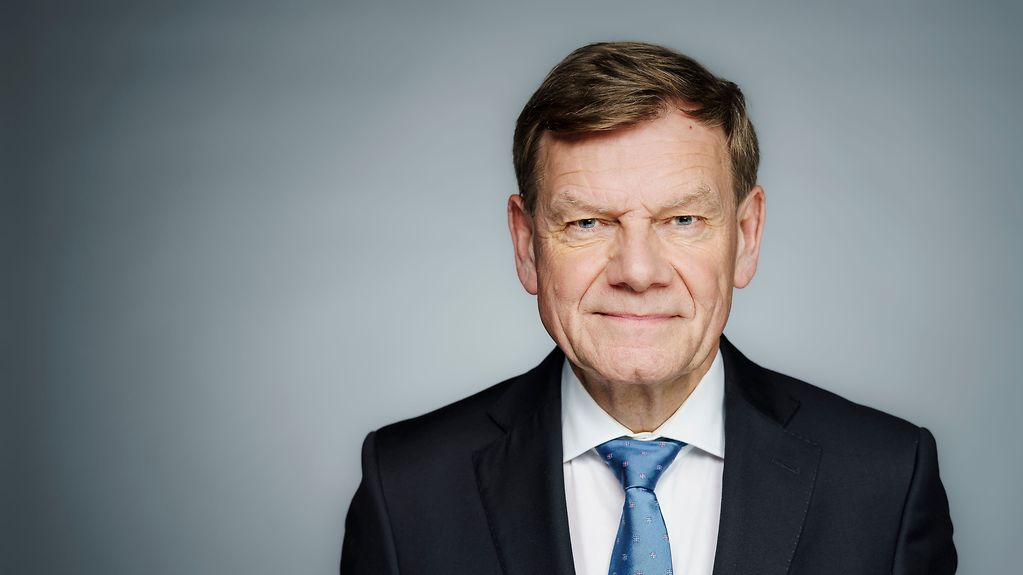
Foreign Minister Johann Wadephul’s visit to Addis Ababa Airport marks a significant moment in international diplomacy, particularly regarding Kenya and Ethiopia’s evolving relations. As he arrives, accompanied by German Ambassador Birgitt Ory, Wadephul emphasizes the importance of addressing multilateralism challenges amidst a world fixated on events like Davos. The German Foreign Minister’s presence in the Ethiopian capital underscores a commitment to strengthening ties with key middle powers in Africa, which play a crucial role in navigating contemporary geopolitical landscapes. While the discussions in Davos focus on economic policies, Wadephul’s agenda champions collaboration on issues ranging from renewable energy to security, highlighting mutual interests in defending a rules-based international order. This visit not only enhances Kenya-Ethiopia relations but also reflects Germany’s dedication to fostering meaningful partnerships in the region.
The recent diplomatic engagement by Johann Wadephul signals a pivotal shift in how nations are navigating their foreign relations, particularly within the context of East Africa. Known for his keen insight into international affairs, the German Foreign Minister’s involvement in talks with leaders from Kenya and Ethiopia reveals a broader strategy aimed at elevating the significance of middle powers in global governance. Addressing contemporary challenges in multilateralism and international cooperation, Wadephul aims to bolster economic and security alliances, effectively bridging gaps amidst global turmoil. By focusing on constructive dialogue and engagement, this visit not only aims to revitalize local economies but also reinforces the importance of a united stance against shared threats. Such proactive diplomatic measures are essential as countries seek to adapt and thrive within a rapidly changing geopolitical environment.
Johann Wadephul’s Strategic Visit to Addis Ababa Airport
Foreign Minister Johann Wadephul’s arrival at Addis Ababa Airport marks a significant moment in Germany’s diplomatic engagement with East Africa. Welcomed by German Ambassador Birgitt Ory, Wadephul’s visit is not just a courtesy call; it is a strategic move to strengthen ties with two crucial nations in the region, Kenya and Ethiopia. While the world is fixated on discussions at the World Economic Forum in Davos, Wadephul chooses to focus on the geopolitical intricacies of East Africa. His decision underscores a commitment to balancing global diplomacy with regional engagement, demonstrating Germany’s approach to international relations.
The reception at Addis Ababa Airport sets the tone for Wadephul’s discussions on international diplomacy and trade relations, signifying Germany’s willingness to foster collaboration with emerging economies. In a rapidly changing global landscape, where multilateralism faces numerous challenges, the German Foreign Minister seems determined to reinvigorate partnerships that address mutual concerns such as economic development and security threats posed by major powers like Russia and China.
Exploring Kenya-Ethiopia Relations with Wadephul
During his diplomatic tour, Johann Wadephul explores the layered relationships between Kenya and Ethiopia, two nations pivotal to stability in East Africa. Both countries, despite their geographical and cultural differences, share a common interest in fostering regional peace and economic prosperity. Wadephul highlights the importance of these bilateral ties, acknowledging Kenya’s role as a heavyweight in the regional political landscape and Ethiopia’s strategic position as well. The talks aim not just to enhance trade but also to navigate the complicating factors such as external influences from China and the ongoing dynamics of international diplomacy.
The need for collaboration is pressing as both nations grapple with the repercussions of global conflicts, notably the fallout from Russia’s aggression in Ukraine. Wadephul’s focus on Kenya and Ethiopia is a calculated move to address the complexities of international relations in light of such threats. By advocating for shared interests and stability in trade, he speaks to the essence of multilateralism in current affairs, a framework that both nations must navigate as they seek to enhance their global standing and economic wellbeing.
Revitalizing Economic Partnerships in East Africa
Wadephul’s visit to Kenya emphasizes the untapped economic potential between Germany and East African nations. With 120 German companies operating within Kenya, there is a wealth of opportunity that has yet to be fully realized. Wadephul stresses that sectors like renewable energies, health, and e-mobility present clear areas for collaboration, aligned with Germany’s expertise. His discussions with Kenyan leaders aim to strengthen these economic ties and explore new avenues of cooperation.
Moreover, Wadephul articulates a vision for fostering joint ventures that could benefit both nations economically. By highlighting the importance of German know-how in various fields, he explicitly links economic collaboration to broader security and diplomatic agendas, facilitating a win-win situation that could echo throughout the region. The economic links forged between Germany and Kenya could serve as a foundational pillar for a more resilient East African economy, positioning both countries to navigate global geopolitical challenges.
Challenges in Multilateralism and International Diplomacy
Wadephul does not shy away from addressing the challenges facing multilateralism and international institutions during his talks in Addis Ababa. He examines the worrying trend of deviation from collaborative governance and emphasizes the necessity for reform within established organizations like the United Nations. The urgency of these discussions cannot be overstated, especially as the world faces conflicts demanding coordinated responses. Wadephul’s recognition of the need for a robust international cooperation framework speaks to Germany’s desire to play an active role in shaping the future of global diplomacy.
In his meetings with the African Union, Wadephul also expresses concern over recent abstentions by Kenya and Ethiopia regarding UN resolutions on critical issues, further underscoring the complexities of maintaining a unified front on global matters. He highlights that navigating the international landscape requires not only diplomatic finesse but also an understanding of the economic dependencies that influence nations‘ decision-making processes.
Johann Wadephul and the Future of German-African Relations
Wadephul’s engagements in Ethiopia and Kenya highlight a pivotal juncture in the development of German-African relations. By prioritizing dialogue with African leaders, he signals Berlin’s intent to reinvigorate its diplomatic engagement across the continent. This approach not only enhances bilateral relations but also positions Germany as a vital partner for African nations in their development agendas.
The potential for mutually beneficial partnerships lies within sectors like technology, agriculture, and education, where German investment and expertise could significantly impact local economies. Wadephul envisions an Africa that partners with international allies to navigate challenges, building resilience against external pressures from dominant global powers while fostering sustainable growth. This perspective could redefine how Germany operates within the African continent, marking a shift towards long-term collaboration.
Security Concerns and Shared Interests in East Africa
In a world increasingly concerned with security, Wadephul’s address to shared interests resonates deeply within East Africa, where the impacts of global conflicts are felt locally. The German Foreign Minister’s remarks about how events in Ukraine affect daily life in Kenya and Ethiopia illustrate a vital understanding of interconnectedness in today’s geopolitical landscape. As both countries strive for stability, collaboration among international partners becomes essential.
Wadephul’s emphasis on a rules-based international order reflects a commitment to uphold democratic principles amid rising authoritarianism. By fostering dialogue on security concerns, he encourages Kenya and Ethiopia to strengthen their collective voice against external threats. His focus on partnership in addressing common challenges showcases a clear path forward for enhancing regional security collaboration in East Africa.
Innovations in Renewable Energy Collaboration
Wadephul’s visit underscores the critical importance of renewable energy initiatives in Kenya and Ethiopia, where both nations are seeking sustainable solutions to meet growing energy demands. By expressing interest in expanding German involvement in the renewable energy sector, Wadephul envisions partnerships that not only boost economic growth but also contribute to combating climate change.
The conversation surrounding renewable energy is particularly pertinent as global industries pivot towards sustainability. With advances in technology and resources, collaborations between German firms and East African companies can lead to innovative solutions that enhance energy efficiency and create job opportunities. Wadephul’s focus on this sector indicates recognition of its potential not just for energy independence but also for establishing pivotal economic ties between Germany and Africa.
Education and Skill Development Initiatives
Building human capital through education and skill development is a central theme of Wadephul’s diplomatic approach. His observation of Kenyan youth receiving training from German firms highlights a commitment to nurturing talent through international collaboration. Such initiatives empower local communities and foster skills that are essential to the future economic development of both nations.
By linking education with economic growth, Wadephul emphasizes the importance of knowledge transfer as a tool for development. The German Foreign Minister’s promotion of training programs in hospitality and other sectors reveals a strategic vision to address local labor needs while enhancing bilateral relations. Investing in human resources ensures a brighter future for the region while reinforcing strong ties with Germany.
The Path Forward for United Nations Reform
Wadephul’s discussions about the need for United Nations reform reflect a broader concern regarding the efficacy of international institutions. He advocates for a more responsive and democratic UN that can address the complexities of modern conflicts, particularly in regions like Africa where challenges are multifaceted.
The emphasis on reform as a path forward for international diplomacy illustrates Germany’s proactive stance in seeking solutions to global issues. By engaging in dialogues about the future of the UN, Wadephul champions a collective approach that prioritizes the voices of nations often marginalized in larger geopolitical discussions. This commitment to enhancing the framework of international cooperation serves as a cornerstone of Germany’s diplomatic mission.
Frequently Asked Questions
What was the purpose of Johann Wadephul’s visit to Addis Ababa Airport?
Johann Wadephul, the German Foreign Minister, visited Addis Ababa Airport to strengthen diplomatic ties and engage in discussions on international cooperation with leaders in Ethiopia and Kenya.
How does Johann Wadephul view Kenya’s role in international diplomacy?
Johann Wadephul considers Kenya a significant political and economic player not just in East Africa, but also in international diplomacy, highlighting its influence on addressing global security and economic issues.
What challenges in multilateralism did Johann Wadephul address during his visit?
During his visit, Johann Wadephul expressed concern over the global trend away from multilateralism and emphasized the need for reform in international institutions like the United Nations to effectively address conflicts.
What discussions took place between Johann Wadephul and leaders in Kenya regarding economic collaboration?
Johann Wadephul discussed potential collaboration between 120 German companies and Kenyan firms, particularly in sectors like renewable energy, health, and technology, emphasizing the need to enhance economic relations.
How does Johann Wadephul connect the issues in Africa with global security concerns?
Wadephul highlighted how conflicts, such as Russia’s aggression in Ukraine, affect countries like Kenya and Ethiopia, underscoring a shared interest in a rules-based international order during his discussions on international diplomacy.
What training program did Johann Wadephul promote during his visit to Kenya?
Johann Wadephul promoted a training program for Kenyan youth at the German packaging company Krones, aiming to enhance skills in the hospitality industry as part of broader economic collaboration.
What urgent international matters did Johann Wadephul address in his meeting with the African Union?
In his meeting with the African Union, Johann Wadephul addressed the need for effective international cooperation to tackle current crises, including the upcoming conference on the Sudan civil war set to take place in Berlin.
| Key Points |
|---|
| Foreign Minister Johann Wadephul visits Kenya and Ethiopia while the world focuses on Davos, highlighting global diplomatic presence. |
| Wadephul discusses the situation in Greenland, affirming the German government’s advocacy for a common security policy within NATO. |
| Meetings with Kenyan officials emphasize the importance of discussing economic cooperation beyond trade. |
| Wadephul notes the shared challenges faced by countries like Kenya regarding the impacts of Russia’s aggression in Ukraine. |
| He advocates for deeper economic ties, particularly through the collaboration of German companies in sectors such as renewable energy and health. |
| Wadephul calls for UN reform and highlights its role in conflict resolution rather than establishing new peace councils. |
| Emphasizes the need for strengthening international cooperation in response to current global conflicts. |
Summary
Johann Wadephul’s recent diplomatic visit to Kenya and Ethiopia showcases a significant commitment to international relations while the world is focused on the World Economic Forum in Davos. His discussions underscore the necessity for renewed partnerships, particularly in addressing global challenges such as security concerns and economic cooperation. By engaging with developing countries, Wadephul highlights the importance of multilateralism and reforming international institutions, thereby reinforcing Germany’s role in promoting stability and collaboration on the global stage.

