
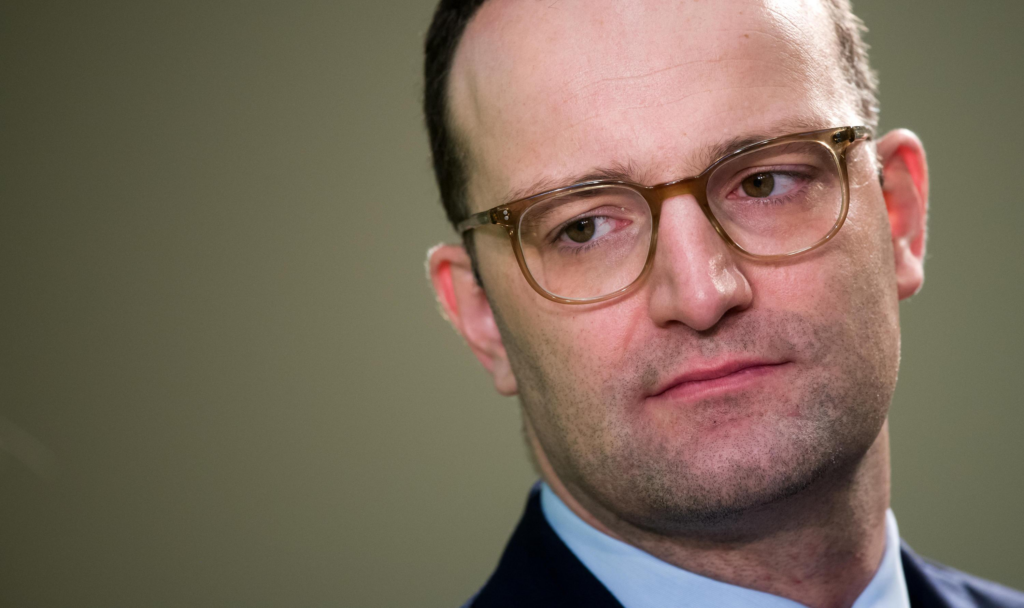
Jens Spahn has emerged as a significant figure in recent political discussions, drawing attention amid speculations of a potential cabinet reshuffle led by Chancellor Friedrich Merz. According to reports, the internal dynamics within the Union faction are under scrutiny, particularly focusing on Spahn’s role as faction leader. However, the Federal Government has swiftly denied claims of an imminent restructuring, emphasizing that the Chancellor is not contemplating a reshuffle at this time. Tensions between Spahn and Merz have been escalating, especially concerning contentious issues like pensions and the arms embargo for Israel. With political speculation swirling, some suggest that Spahn could even be in line to succeed the current Berlin mayor, albeit this scenario seems less likely as the party navigates through these challenges.
The current political landscape is rife with conjecture surrounding Jens Spahn and the possibility of a government reorganization. As discussions unfold, the relationship between Spahn and Chancellor Friedrich Merz appears to be increasingly strained, hinting at underlying conflicts within the leadership structure. The notion of a reshuffle in the ranks of the Union faction raises questions about the future of cabinet appointments and their implications for party unity. While some anticipate that Spahn could take on a prominent ministerial role, others speculate on his suitability to step into the shoes of the beleaguered Berlin mayor. As various factions within the CDU assess their strategies, the potential for shifts in leadership may become more pronounced as upcoming state elections approach.
Jens Spahn’s Role in Current Political Speculation
The political landscape in Germany is often fraught with uncertainty, and Jens Spahn has emerged as a central figure in recent speculation regarding potential cabinet reshuffles. As the leader of the Union faction, his influence within the government is significant. Recent reports suggest that Chancellor Friedrich Merz is contemplating a substantial reorganization, with Spahn’s position being closely scrutinized due to ongoing tensions between the two. Political insiders have noted that this strained relationship could have ramifications for the future, especially as debates about critical issues like pension reform heat up.
The dynamic between Jens Spahn and Friedrich Merz illustrates the complexities of coalition politics. Their clashes over key policy areas reflect a deeper rift that could impact the stability of the current government. While speculations swirl about Spahn possibly taking on a new role, such as succeeding Berlin’s mayor, the overriding sentiment among political analysts is that Merz is aware of Spahn’s potential to disrupt. Thus, any potential reshuffle involving Spahn would need to be navigated with caution, signaling the intricate balance of power in the German political arena.
Potential Cabinet Reshuffle and Its Implications
Political speculation surrounding a potential cabinet reshuffle has dominated discussions within Germany’s political circles. The Federal Government has dismissed these rumors, with spokespersons clarifying that Chancellor Merz is not currently considering any major personnel changes. However, the persistent mention of faction leader Jens Spahn suggests that even whispers of change can invoke considerable interest and concern within the Union faction. The complexities of such a reshuffle could reshape political alliances and influence parliamentary dynamics significantly.
Amid these unfolding scenarios, the impact of ongoing state elections cannot be overstated. The outcomes may dictate the timing and necessity of any reshuffle, potentially coinciding with the re-election of the faction chairperson. For Merz, aligning the cabinet with more politically favorable figures could be essential for maintaining a united front. The interplay between key players like Jens Spahn, who commands considerable support and skepticism, will be critical in determining the future trajectory of the CDU and its governance strategies.
Friedrich Merz and the Strained Relationship with Jens Spahn
Chancellor Friedrich Merz’s leadership style has come under scrutiny, particularly in relation to his interactions with key faction leaders like Jens Spahn. Their relationship, once deemed cooperative, has faced strain over various policy disagreements, notably concerning pension reform and military support for Israel. As these issues continue to polarize perspectives within the Union faction, observers are left questioning the durability of Merz’s approach. Understanding the dynamics at play is crucial, as it may influence Merz’s strategies in upcoming negotiations and plans for potential restructuring.
Additionally, the challenges Merz faces with Spahn reflect broader themes within German politics. The ability to effectively manage internal faction disputes could determine the success of the cabinet and the Union’s long-term viability. Political speculation suggests that addressing these tensions may require Merz to be more strategic in positioning Spahn, whether that means maintaining him in a position of influence or ensuring that any reshuffle does not alienate Spahn’s supporters within the party. The outcome will greatly depend on Merz’s next moves and the political landscape ahead.
Political Alliances and the Future of the CDU
The uncertainty surrounding Jens Spahn’s future in politics is tightly interwoven with the current state of the CDU and its relationships within the coalition. As debates over government policy intensify, the importance of maintaining strong political alliances becomes clear. Analysts suggest that any potential shake-ups within the cabinet could directly impact the CDU’s credibility and effectiveness in governance. Merz’s handling of Spahn’s position could set a precedent for how future internal conflicts are managed.
Furthermore, the CDU faces pressing challenges, particularly in light of recent electoral performances. The outcomes of the state elections will provide critical insight into the party’s standing among voters and may influence which direction any forthcoming reshuffle might take. Focusing on unity and collaboration within the Union faction will be essential for ensuring that the CDU remains relevant and competitive, especially as they navigate the complexities of coalition governance and public expectations.
The Role of Media in Political Speculation
Media reports play a crucial role in shaping public perception and political speculation, particularly regarding significant events like cabinet reshuffles. The recent discussions surrounding Jens Spahn’s potential shifts in position were largely fueled by reports from influential publications such as “Spiegel”. This underscores how media narratives can impact political discourse, creating a feedback loop that influences both public opinion and political strategy.
As news outlets continue to analyze the relationships between key politicians, including Spahn and Merz, the portrayal of these dynamics can affect how the public perceives government stability. Political leaders must navigate this landscape with care, as the speculation driven by media can alter their strategic decisions and influence their relationships within their party. Understanding the interplay between media narratives and political realities is essential for the CDU as it strategies for both immediate and long-term challenges.
Expectations from Upcoming State Elections
As Germany approaches its state elections, the political atmosphere is charged with expectations and anticipation. This pivotal moment will not only determine the electoral fate of various political parties, including the CDU, but also serve as a litmus test for incumbent officeholders like Jens Spahn. The results of these elections are expected to shape the direction of political discourse and potential government restructuring well into the future.
Political analysts predict that state election outcomes may trigger a wave of personnel changes within the Union faction, especially if results are not favorable for the CDU. Jens Spahn, with his contentious relationship with Chancellor Merz, may find himself at the center of any discussions regarding reshuffling. As factions reassess their strategies in response to public sentiment, the influence of Spahn’s actions and the public’s reaction to his policies will become increasingly significant. Such electoral repercussions could have lasting implications for the party and its leadership.
Implications of the Ongoing Arms Embargo Debate
The ongoing debate surrounding Germany’s arms embargo, particularly in relation to Israel, has heightened tensions within the government and brought Jens Spahn into the spotlight. His disagreements with Chancellor Merz over this sensitive issue are reflective of broader ideological divides within the Union faction. As policymakers grapple with international relations and security concerns, the handling of such controversies may impact both internal cohesion and public perception of the government’s effectiveness.
As Spahn and Merz continue to navigate this complex issue, the outcome could influence their standing among party members and the public. Clarity and decisiveness in addressing the arms embargo will demonstrate the government’s commitment to both domestic and foreign policy objectives. This, in turn, may affect the prospects of a cabinet reshuffle should tensions persist, as leadership must remain aligned to ensure stability and confidence in the coalition.
Public Sentiment and Its Impact on Political Action
Public sentiment plays a pivotal role in shaping the actions of political leaders, especially during periods of speculation regarding cabinet reshuffles. As voters express their preferences and concerns, leading figures like Jens Spahn and Friedrich Merz must pay close attention to these signals. The responses to issues such as the arms embargo and pension reforms will greatly influence party dynamics and leader popularity, affecting any potential restructuring efforts.
As Germany navigates these political waters, understanding public reactions becomes essential for maintaining electoral viability. Jens Spahn’s ability to connect with constituents on pressing issues may determine not only his future within the cabinet but also the CDU’s overall standing in the political arena. Leaders must leverage public sentiment to guide their decisions, ensuring that they remain responsive to the electorate’s needs while balancing their internal factional challenges.
Understanding the Pivotal Role of Coalition Politics in Germany
Coalition politics in Germany presents unique challenges and opportunities for political leaders like Jens Spahn and Chancellor Friedrich Merz. The necessity of maintaining a united front within the Union faction complicates relationships and requires strategic maneuvering for effective governance. As political speculation regarding cabinet reshuffles increases, the leaders must navigate not only their own party dynamics but also the broader coalition landscape.
In a coalition government, the interplay of different political interests means that the stakes are high for leaders when considering personnel changes. The dynamics at play could influence everything from policy decisions to public trust in the government. Jens Spahn’s potential moves within this landscape reflect the delicate balance of power that exists in coalition politics, emphasizing the importance of consensus-building and coalition management in pursuing effective governance for Germany.
Frequently Asked Questions
What does the speculation around Jens Spahn and a government reshuffle involve?
Speculation surrounding Jens Spahn indicates potential personnel restructuring within the government, particularly his role as faction leader. Reports suggested Chancellor Friedrich Merz is considering this, but the Federal Government denied any imminent reshuffle.
How has Jens Spahn’s relationship with Chancellor Friedrich Merz been characterized?
The trust relationship between Jens Spahn and Chancellor Friedrich Merz has reportedly been severely strained. Sources indicate they have had multiple disputes, particularly regarding pension policies and the arms embargo for Israel.
Could Jens Spahn be positioned for a cabinet role in a potential government reshuffle?
There is speculation that Jens Spahn could either replace the disgraced Berlin mayor or take on a ministerial position to help enforce cabinet discipline, particularly as Transport Minister Patrick Schnieder’s standing has also diminished.
What recent events fueled the speculation about Jens Spahn’s political future?
Recent clashes between Jens Spahn and Friedrich Merz over critical issues have fueled speculation about reshuffling within the Union faction. However, the Chancellor’s office has publicly negated claims of an impending personnel change.
What might influence a decision regarding Jens Spahn’s role in the government?
The outcome of the upcoming state elections is likely to influence decisions regarding Jens Spahn’s position, with speculation that a reshuffle could take place if the CDU does not see favorable results.
What role could Jens Spahn play in the event of a reshuffle according to the latest speculations?
Speculations suggest Jens Spahn may take on a ministerial role aimed at reinforcing cabinet discipline or might succeed the current Berlin mayor, although the latter is seen as unlikely.
What does the denial from the Federal Government imply for Jens Spahn’s future?
The Federal Government’s denial of rumors regarding a reshuffle suggests that Jens Spahn’s immediate future in leadership remains stable, but underlying tensions may affect future opportunities or roles.
How does the political climate impact Jens Spahn’s role in the Union faction?
The ongoing political speculation, along with his fraught relationship with Friedrich Merz, creates a volatile environment for Jens Spahn within the Union faction, with potential implications for both his influence and future roles.
| Key Point | Details |
|---|---|
| Chancellor’s Stance | The Chancellor, Friedrich Merz, is reportedly not considering a cabinet reshuffle. |
| Media Speculation | Reports from ‘Spiegel’ suggested Jens Spahn was the focus of potential cabinet changes. |
| Government Response | A government spokesperson denied the claims of an impending reshuffle. |
| Spahn’s Position | Spahn’s relationship with Merz is reportedly strained, affecting his position. |
| Potential Changes | Speculations include Spahn replacing the Berlin mayor or taking a ministerial role. |
Summary
Jens Spahn remains a significant figure amidst ongoing speculation about changes within the German political landscape. Despite rumors of potential cabinet reshuffles involving him, the Chancellor has asserted that no such plans are in motion. This highlights the complex dynamics at play, particularly in light of Spahn’s troubled relationship with Merz and ongoing political tensions. The outcome of upcoming elections may further influence decisions regarding Spahn’s role within the government.

