
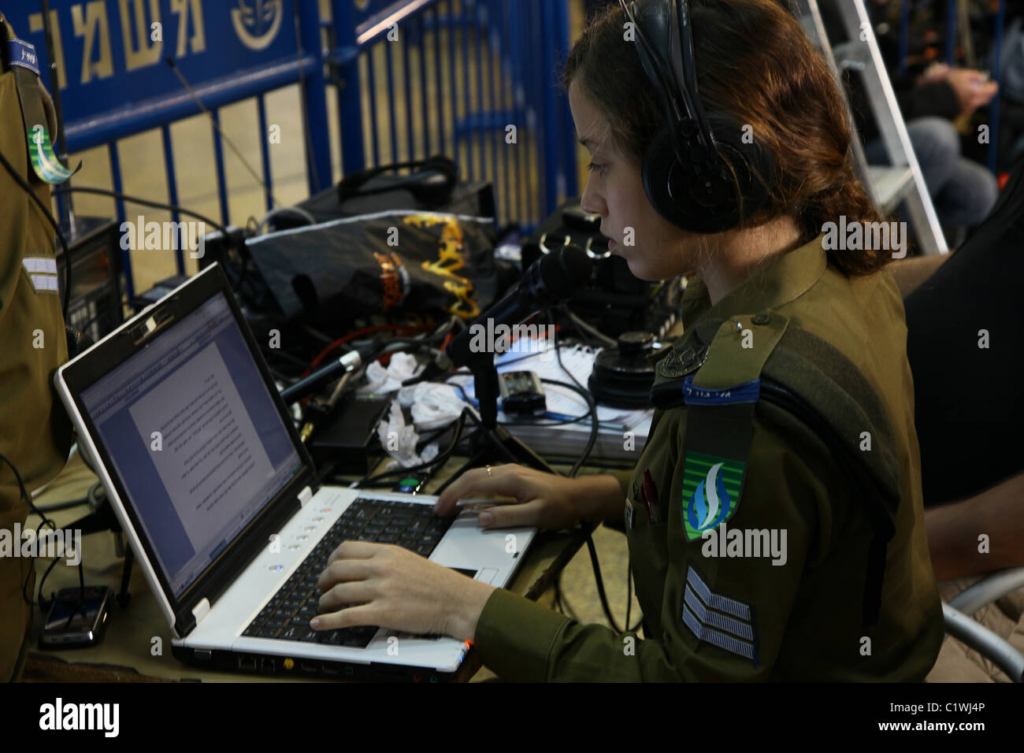
The impending closure of Israeli Army Radio Galatz marks a significant milestone in the battle for press freedom in Israel, raising concerns about media censorship and government control. As one of the country’s oldest and most trusted sources of news broadcasted by the Israel Defense Forces, Galatz has served as a pivotal voice for generations, greatly influencing the landscape of Israeli media. The Israeli government’s recent decision to shut down the Galatz radio station has ignited outrage among opposition leaders and journalists alike, who see it as an alarming step towards increasing media suppression. Critics argue that the closure is not just about a single radio station, but rather a broader strategy of Israeli government media control aimed at stifling dissent. Additionally, the move comes at a time of heightened political tension as upcoming elections loom, emphasizing the importance of media independence in democratic discourse.
The situation surrounding the closure of the Galatz station raises vital questions about the future of media in Israel, particularly regarding the military’s role in disseminating information. Known officially as Galei Tzahal, this military radio outlet has been instrumental in shaping public perceptions and informing the Israeli populace during critical times. The government’s proposal to dismantle this station is viewed as an encroachment on Israel media freedom, suggesting that the IDF’s voice is being silenced under the guise of maintaining the army’s integrity. As the battle for press freedom intensifies, observers are wary that the closure is part of a larger narrative aiming to consolidate the Israeli government’s grasp on media narratives. With elections on the horizon, the implications of this decision could resonate far beyond the airwaves, affecting the very fabric of democratic engagement in the country.
The Impending Closure of Israeli Army Radio Galatz
The proposed closure of Galatz, the beloved Israeli army radio station, marks a significant and controversial moment in the history of Israeli media. Established in 1950, Galatz has been an essential source of information, especially during conflicts, earning the trust of listeners across the nation. As the Israeli government pushes forward with plans to shut it down, critics are voicing their concerns about media control, fearing that this move could stifle critical perspectives in government and military coverage. With its longstanding legacy, the end of Galatz represents a broader struggle over media freedom in Israel.
Defense Minister Israel Katz argues that the station’s content has become too politically charged and divisive, claiming it undermines the values of the Israel Defense Forces (IDF). However, this rationale is met with skepticism by many, who view it as a blatant attempt to suppress dissenting voices in a pivotal election year. The potential closure raises urgent questions about the future of media freedom in Israel, with many seeing it as a first step towards greater government control over major news outlets.
Media Freedom and Control in Israel
The situation surrounding Galatz reflects broader concerns regarding media freedom in Israel, particularly in light of increasing government control. Critics argue that the government’s interference with Galatz symbolizes a troubling trend, where political agendas override journalistic independence. The fallout from this decision not only impacts Galatz but also heralds a chilling effect on other outlets, which may self-censor in fear of similar repercussions. This is evidenced by Dana Weiss from the Israeli Journalists’ Association, who notes a worrying pattern of increasing regulation affecting not just media but other judicial institutions as well.
As the Israeli elections approach, the implications of this proposed closure become even more pronounced. With the opposition labeling the move as an assault on freedom of speech, there is growing anxiety about the potential for a homogenized media landscape that aligns closely with government narratives. The criticisms raised by leading figures highlight the symbolic significance of Galatz, not just as a radio station but as a bastion of journalistic integrity and public discourse. The push for media control, particularly in an election year, suggests that the battle for press freedom in Israel is intensifying.
Public Reaction to Galatz’s Shutdown
The announcement of Galatz’s closure has sparked a significant backlash from various segments of society, including both media professionals and the general public. Many view this decision as a direct attack on press freedom, leading to widespread protests and calls for accountability from the government. The strong reactions from journalists and media organizations indicate a collective fear that the closure could pave the way for more extensive governmental oversight of the media, restricting the diversity of opinions and critical discussions that exist today.
Supporters of Galatz argue that the station represents a crucial platform for the voices of soldiers and citizens alike, fostering a dialogue about national issues and crises. The uproar against the closure highlights the importance of maintaining a free press as a cornerstone of democracy. Critics emphasize that shutting down such an influential medium not only silences dissent but also impoverishes public discourse, making it imperative for citizens to continue advocating for a robust and independent media landscape in Israel.
The Historical Importance of Galatz Radio
Galatz has played a pivotal role in shaping Israeli journalism and its approach to military reporting over the last 75 years. It has not only provided a voice for the military but has also served as a training ground for countless journalists who have gone on to serve in various media roles throughout the country. The station’s unique position enables it to bridge the gap between the military and civilian society, delivering news that is critical during times of war and crisis. This relationship has fostered trust among the populace, proving vital during periods of national unrest.
The historical significance of Galatz extends beyond its broadcasting reach, influencing the landscape of media freedom in Israel. It has been a platform for diverse perspectives and a space where both soldiers and civilians can share their stories. With proposed plans to eliminate the station, there are concerns that such a loss would carry not just the end of a radio frequency but a dilution of the journalistic rigor and ethical standards fostered over decades. As the debate rages on, it is crucial to acknowledge the deep roots Galatz has within Israeli societal fabric.
Government Justifications and Counterarguments
Defense Minister Israel Katz has publicly defended the closure of Galatz, arguing that the station’s political content undermines the military’s core values. He insists that the government must intervene to prevent any negative portrayals of the armed forces, particularly during sensitive periods, such as elections. However, many media analysts and critics are quick to point out that this reasoning reflects a dangerous precedent where government oversight could suppress critical journalism that holds power to account. The ideological clash over media narratives is emblematic of larger tensions within the Israeli political landscape.
Opponents of the closure argue that free and critical journalism is essential for any democracy, including the Israeli context. They highlight that Galatz has historically provided vital coverage of military actions and policies, often keeping the public informed about the realities of conflict. Critics maintain that shutting it down could lead to a more homogenized media environment where dissent is stifled, ultimately jeopardizing the integrity of democratic discourse within Israel. This ongoing debate illustrates the high stakes involved in the battle for press freedom and the role of state institutions versus independent media.
The Impact of Galatz on Future Journalists
Galatz has not only entertained and informed listeners, but it has also been instrumental in the training of future journalists who shape the narrative within the Israeli media landscape. The station serves as a unique educational platform where military personnel gain hands-on experience in reporting, producing, and broadcasting. This training is essential as it fosters a generation of journalists equipped to handle complex political and military situations, ensuring diverse perspectives reach the broader public. The potential closure raises significant concerns regarding the future of journalistic professionalism within Israel.
Beyond merely reporting on military matters, the educational influence of Galatz extends to cultivating critical thinking and ethical journalism among its trainees. Students gain insights into the balance between reporting on sensitive military issues while upholding the principles of free expression. The ramifications of Galatz’s closure could lead to a gap in practical training opportunities for young journalists, signaling a worrying trend for the future of media freedom and the robustness of democratic values in Israeli society. As debates continue, the importance of protecting platforms like Galatz becomes ever more vital.
Election Year Dynamics and Media Control
As Israeli elections approach, the issue of media control takes on heightened urgency. With opposition leaders like Yair Lapid expressing concerns over government attempts to suppress dissent, the potential closure of Galatz could have significant electoral implications. The relationship between media narratives and election outcomes cannot be understated; a well-informed electorate relies on diverse sources of news. If Galatz is silenced, it could severely narrow public discourse and enable a more coordinated governmental narrative leading to potential electoral manipulation.
Furthermore, the timing of this proposed closure raises suspicion about the motivations behind it. Observers worry that by dismantling a critical voice just before elections, the government seeks to limit access to alternative opinions and diminish debate within a fragmented social landscape. The ramifications of such media restrictions could reverberate beyond the immediate political landscape, signaling a shift toward greater authoritarianism in how information is controlled and disseminated in Israel. As the public responds to these developments, the interplay between politics and media will continue to be closely scrutinized.
Legal Challenges to Galatz’s Closure
In response to the government’s decision, Tal Lev-Ram, the commander of Galatz, has announced intentions to approach the Supreme Court, seeking judicial intervention against the closure. The legal battle will not only test the boundaries of media freedom within Israel but also scrutinize the extent of governmental power over media institutions. The potential involvement of the judicial system raises questions about the efficacy of legal recourse in protecting free expression, especially given the current political climate.
Observers speculate about the strength of Lev-Ram’s case, especially considering the trends of decreasing press freedom in Israel. While there may be avenues for legal challenges, many in the media fear that the closure of Galatz could proceed regardless, leading to a significant void in military and political journalism. The outcome of these legal challenges will be pivotal, potentially impacting how media institutions operate in relation to government oversight, and could establish crucial precedents for future battles over press freedom.
International Implications of Media Control in Israel
The potential closure of Galatz and the broader trends of media control in Israel carry international ramifications that could affect the country’s image abroad. As global attention turns towards issues of democracy and freedom, the stifling of a critical press could provoke responses from international organizations and foreign governments. This could lead to increased scrutiny of Israel’s commitment to human rights and democratic norms, particularly in light of its position as a key ally to many Western nations.
Moreover, such developments might incite parallels with media situations in other countries where governments have tightly controlled press narratives. The symbolic nature of Galatz’s closure resonates globally, highlighting an ongoing struggle for press freedom in various contexts. As observers around the world watch how Israel manages its media landscape, the potential implications for international relations and reputational standing are significant. The battle for media independence remains a fundamental pillar of democracy, and how Israel handles this crucial point could inspire movements worldwide.
Frequently Asked Questions
What is the reason behind the Israeli Army Radio Galatz closure?
The Israeli Army Radio Galatz is set to be closed due to a government proposal led by Defense Minister Israel Katz, who argues that the station’s often critical political content conflicts with the values of the Israeli army. This move is viewed by many as part of a broader trend of Israeli government media control.
How does the Israeli Army Radio Galatz closure impact media freedom in Israel?
The closure of Israeli Army Radio Galatz raises significant concerns regarding media freedom in Israel. Many critics, including opposition leaders, view this action as an attempt to suppress critical voices in the media, potentially restricting press freedom during a critical election period.
What has been the public response to the Israeli Army Radio Galatz closure?
Public response to the Israeli Army Radio Galatz closure has been overwhelmingly negative, with many journalists and media representatives expressing fears about an erosion of press freedom in Israel. There is a widespread belief that this decision could align the media more closely with government perspectives, undermining independent journalism.
Why is Israeli Army Radio Galatz considered significant in Israel?
Israeli Army Radio Galatz has been a crucial platform for news and information in Israel since its inception in 1950. It has served not only as a source of information but also as a training ground for generations of journalists, making its closure a pivotal moment for the future of media in Israel.
Are there legal challenges to the Israeli Army Radio Galatz closure?
There are plans for legal challenges against the Israeli Army Radio Galatz closure, with the station’s commander, Tal Lev-Ram, intending to approach the Supreme Court for a constitutional review of the cabinet’s decision. However, analysts suggest that the chances of success may be slim.
What are the implications of the Israeli Army Radio Galatz closure on IDF communication?
The closure of Israeli Army Radio Galatz may significantly impact IDF communication, as it has been a trusted source of information during times of war and crisis. The possible reassignment of radio soldiers could leave the IDF without crucial personnel needed to maintain independent media operations.
How might the Israeli Army Radio Galatz closure affect future elections in Israel?
The closure of Israeli Army Radio Galatz is likely to influence future elections in Israel by limiting the diversity of media voices. Critics argue that it could be seen as part of a government strategy to consolidate media control, impacting the political landscape as elections approach.
What role does Israeli Army Radio Galatz play in training journalists?
Israeli Army Radio Galatz has historically played a vital role in training journalists, providing them with hands-on experience in reporting and broadcasting during military service. Its closure could disrupt this training pipeline, potentially affecting the future of journalism in Israel.
What statements have been made by Israeli officials regarding the Galatz closure?
Israeli officials, particularly Defense Minister Israel Katz, have defended the closure of Galatz by citing the need to eliminate government-critical programming. Katz has expressed concerns that such content is divisive and does not align with IDF values.
Can the closure of Israeli Army Radio Galatz be reversed?
While there are legal avenues being pursued to challenge the closure of Israeli Army Radio Galatz, including potential Supreme Court involvement, the likelihood of reversing the closure remains uncertain amid current political dynamics.
| Key Points |
|---|
| Israeli Government plans to close ‘Galatz,’ a 75-year-old army radio station. |
| The closure is justified by concerns about government-critical and divisive content. |
| The station is considered vital for military journalists’ training and media diversity. |
| Opposition claims the closure is an attack on media freedom ahead of elections. |
| Concerns rise over the implications for press freedom in Israel generally. |
| The Supreme Court’s involvement is uncertain, with low chances of reversing the decision. |
Summary
The Israeli Army Radio Galatz closure marks a significant turning point in media freedom within the country. This decision, backed by the government, has sparked widespread criticism as it is perceived as an infringement on press liberty and an effort to control dissenting voices, especially in an election year. The implications of shutting down such a longstanding institution could resonate through Israeli society, as it historically served as a platform for credible journalism and military training. As debates intensify regarding the future of media in Israel, the potential for governmental overreach looms large.

