
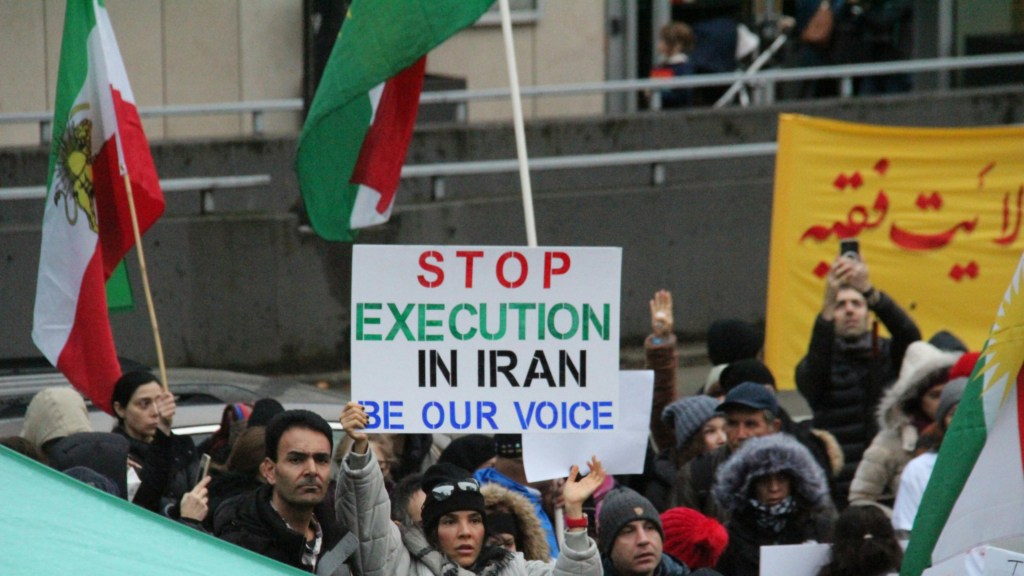
The ongoing Iran protests have sparked intense debate and scrutiny, especially regarding the media’s role in covering these pivotal events. Journalist Christoph Lemmer has pointed out that major German media outlets, like Tagesschau, have failed to report adequately on the situation, which he believes stems from ideological bias. He draws a thought-provoking comparison between the Iran protests of 2023 and the fall of the Berlin Wall, emphasizing the significant historical implications of these protests. As the world watches, the challenge of media bias in reporting becomes evident, raising questions about the narratives being shaped. Understanding the dimensions of this coverage is crucial for grasping the unfolding events and their global impact.
The civil unrest in Iran has ignited discussions about the dynamics of protest movements and their significance in shaping national identity and governance. Activists and observers compare these expressions of dissent to historical moments of change, such as the Berlin Wall’s collapse in 1989, showcasing the enduring spirit of resistance. As new waves of protest rise, it becomes increasingly vital to analyze how different media landscapes, including German coverage, approach these tumultuous times. Such evaluations reveal underlying biases and the selective nature of narratives that emerge, impacting public perception and understanding. This exploration of protest and its coverage not only highlights the bravery of demonstrators but also calls attention to the responsibilities of the press in informing the world.
The Silence of German Media on Iran Protests
The lack of coverage in German media regarding the ongoing protests in Iran has become a significant point of contention among journalists and observers alike. Christoph Lemmer, a prominent journalist, has vocally criticized the failure of platforms like Tagesschau to report adequately on these critical events. His assertion raises questions about media bias in reporting, as it seems that ideological stances may be influencing the narrative, leading to a distorted view of the situation in Iran. Lemmer’s commentary suggests a broad media reluctance to engage with the protests seriously, which he believes should have drawn similar attention as historical events like the fall of the Berlin Wall.
This absence of coverage has serious implications for public understanding and international response to the protests. By not reporting on what Lemmer terms the ‘Iran protests 2023’, German media outlets may be contributing to a narrative of neglect towards significant human rights issues. Such hesitance not only undermines the voices of those participating in the protests but also reflects a troubling pattern of media bias that can obscure critical global events, leaving the public uninformed and disconnected from the realities faced by Iranian citizens.
Comparing Iran Protests to the Fall of the Berlin Wall
The comparison of the Iran protests to the fall of the Berlin Wall is a compelling one that encapsulates the essence of a society yearning for change and freedom. Lemmer’s perspective hinges on the similarities between the grassroots movements in Iran and the impulse for liberation witnessed in East Germany during the late 1980s. Both situations reflect a populace rising against authoritative regimes, seeking to redefine their political landscapes and assert their rights. The historical resonance suggests that the shake-up occurring in Iran could potentially lead to significant geopolitical shifts, similar to those experienced in Europe after the Cold War.
Furthermore, understanding the dynamics of the Iran protests through the lens of historical events like the Berlin Wall’s collapse provides a nuanced perspective on the nature of authoritarianism and rebellion. While Lemmer draws parallels between these two moments, it is crucial that media outlets provide comprehensive coverage to help audiences grasp this important context. Effective reporting can illuminate the ongoing struggles for freedom and democracy, helping to foster global solidarity with the Iranian people’s cause in a way that resonates deeply with historical antecedents of change.
Media Bias in Reporting the Iran Protests
Media bias in reporting major events can lead to significant discrepancies in public perception. In the case of the Iran protests, Christoph Lemmer’s criticism of the German media highlights a concerning trend where selective coverage clouds crucial narratives. The decision to ignore or downplay such protests may stem from various ideological lenses through which media entities operate. The repercussions of this bias could mean that valuable information pertaining to the fight for freedom and human rights in Iran is systematically overlooked, creating a distorted view of international affairs.
Moreover, addressing media bias is essential for fostering a well-informed public. It is crucial that journalists critically evaluate their sources and the inherent biases that can shape their reporting. By acknowledging these biases, media can strive for more balanced coverage that reflects the realities on the ground. Reporting on the Iran protests, if approached with integrity and a commitment to truth, could not only inform audiences but also instigate necessary discussions about human rights and political oppression globally.
Histories of Protest: Lessons from the Berlin Wall
Studying the histories of protests, such as the one surrounding the fall of the Berlin Wall, presents valuable lessons that can be applied to the current climate in Iran. The fall of this barrier not only led to the reunification of Germany but also signaled a broader shift away from totalitarian regimes across Eastern Europe. Lemmer’s argument that the Iran protests hold similar potential for transformative change calls for a reflection on the historical context of activism and the geopolitical landscape. Understanding the motivations behind past uprisings can provide essential insights into the aspirations of the Iranian protestors today.
As more citizens across the globe become aware of the atrocities faced by Iranian citizens, parallels with the Berlin Wall’s fall invite a broader dialogue about the nature of protest and its effectiveness in achieving systemic change. By engaging with these historical precedents, media can offer richer narratives that highlight the courage of those fighting against oppression. This comparative analysis educates audiences not only on Iranian issues but also on the universal quest for rights and freedoms shared by people worldwide.
International Response to Iran Protests
International response to events such as the Iran protests is often a reflection of the complexities of global politics. While protests in Iran have garnered attention, the responses from various governments and media alike can vary widely, influenced by geopolitical interests. Christoph Lemmer’s frustration with the lack of coverage reflects a broader sentiment that calls for not just awareness but action. An active international response could help amplify the voices of the Iranian people and pressure the government towards reform, drawing parallels with how the world reacted during the significant political shifts in Eastern Europe.
The media plays a crucial role in shaping the narrative of international response. As Lemmer highlights, the critical omissions in reporting can contribute to a sense of disengagement from global audiences. If the media were to highlight the humanitarian aspects of the Iran protests more prominently, it could encourage governments and organizations worldwide to adopt a more proactive stance. Therefore, the combination of accurate reporting and international solidarity is vital in supporting the aspirations of those fighting for their rights in Iran.
The Role of German Media in International Discourse
The role of German media in shaping international discourse cannot be underestimated, particularly in the context of significant events like the Iran protests. As a major Western country with a significant media presence, Germany’s outlets have the capacity to influence narratives and perceptions across Europe and beyond. However, Lemmer’s critique reveals that when media coverage is lacking or biased, it undermines the potential for generating awareness and solidarity with causes requiring international attention. The failure to report on crucial issues reflects not only on the media itself but also on the societal responsibility to engage with global human rights challenges.
To fulfill this role effectively, German media must strive for more comprehensive and objective reporting. An obligation exists not only to inform national audiences but also to participate actively in international dialogue. By addressing the human rights violations within Iran thoroughly, media outlets can foster understanding and mobilization among the public, which can lead to a greater demand for action from policymakers. Ultimately, engaging with global issues, such as the Iran protests, reinforces the importance of ethical journalism as a pillar of democratic discourse.
Protest Dynamics: Understanding the Movement
Understanding the dynamics of the Iran protests requires a close examination of the various factors driving the movement. From economic hardship to demands for greater freedoms and rights, the motivations behind the protests are multifaceted and deeply rooted in the daily struggles of the Iranian people. Lemmer’s insights suggest that these protests are not merely spontaneous reactions, but rather the culmination of years of political oppression and societal yearning for change. Exploring these dynamics through thorough reporting can provide much-needed insight into the multifaceted nature of citizen activism.
Additionally, analyzing the strategies utilized by protestors can illustrate the evolution of modern movements, similar to those witnessed in past historical contexts. By comparing current events to previous uprisings, such as those that led to the Berlin Wall’s fall, media and scholars alike can glean insights about effective methods of mobilization and resistance. Understanding these dynamics enrichens the broader narrative surrounding the Iran protests and creates comprehensive coverage that resonates with both the local population and global audiences.
Leveraging Social Media for Iran Awareness
In today’s digital age, social media has emerged as a powerful tool for activism and awareness-raising, especially in the context of the Iran protests. Platforms such as Twitter, Instagram, and Facebook have been instrumental in documenting the unfolding events, providing real-time updates and fostering global solidarity. Activists within Iran leverage social media to circumvent state censorship, share their experiences, and mobilize support from individuals and organizations worldwide. This digital landscape not only amplifies voices often ignored by traditional media outlets but also serves as a catalyst for international engagement.
However, the reliance on social media also presents challenges, including misinformation and varying narratives. It’s crucial for journalists and consumers of news to critically analyze the content being shared, ensuring that it aligns with factual reporting. As the Germany media landscape continues to grapple with the portrayal of events like the Iran protests, it must also recognize the significance of social media in shaping public perception and understanding. By integrating social media developments into traditional reporting, media outlets can provide a well-rounded narrative that reflects the realities faced by those engaged in the struggle for freedom.
Moving Forward: The Future of Protests in Iran
The future of protests in Iran remains uncertain, yet the resilience demonstrated by participants offers a glimmer of hope for substantive change. As Christoph Lemmer points out, drawing historical parallels with events such as the fall of the Berlin Wall emphasizes the potential for transformative movements to reshape society. The evolution of the protests indicates a growing dissatisfaction with the status quo, as Iranians increasingly demand accountability and justice from their leaders. Moving forward, the international community’s role in supporting these movements will be critical in determining their outcome.
Balanced, comprehensive media coverage will be fundamental in keeping the momentum alive and ensuring that global attention remains on Iran’s struggles. Engaging with the narratives of those directly affected by the protests empowers citizens and garners international support, potentially leading to tangible changes. By building bridges between the Iranian populace and the global audience, there is an opportunity to create a groundswell of support that not only echoes the calls for freedom in Iran but also reinforces the universal quest for human rights.
Frequently Asked Questions
What are the key points regarding German media coverage of the Iran protests in 2023?
In 2023, German media coverage of the Iran protests has faced criticism for its lack of attention and depth. Journalist Christoph Lemmer pointed out that major outlets, like Tagesschau, have not reported on these significant events, highlighting a perceived media bias in reporting. This coverage gap stands in stark contrast to historical events, such as the fall of the Berlin Wall, which Lemmer argues is a more relevant comparison to the current situation in Iran.
How does Christoph Lemmer’s view on the Iran protests compare to historical events like the Berlin Wall?
Christoph Lemmer views the Iran protests as a pivotal moment in history, similar to the fall of the Berlin Wall in 1989. He believes that the resistance and demands for change in Iran are reminiscent of the yearning for freedom that characterized the East German protests, suggesting that both events represent significant struggles against oppressive regimes.
What is media bias in reporting the Iran protests, according to recent critiques?
Recent critiques, including those from Christoph Lemmer, suggest that media bias in reporting the Iran protests manifests as selective coverage or a lack of acknowledgment of the protests’ significance. This bias might stem from ideological positions within certain media outlets, leading to a failure to adequately inform the public about the ongoing struggles faced by protestors in Iran.
Why are the Iran protests in 2023 significant in the context of global freedom movements?
The Iran protests in 2023 are significant because they symbolize a broader fight for human rights and democratic freedoms. As observed by Christoph Lemmer, the protests reflect the sentiments of populations yearning for liberation, echoing movements like the fall of the Berlin Wall. This connection is vital not only historically but also in demonstrating the global relevance of civic activism.
How can the comparisons drawn between the Iran protests and the fall of the Berlin Wall inform public understanding?
Comparing the Iran protests to the fall of the Berlin Wall can enhance public understanding by framing the protests as part of a larger narrative of resistance against oppression. It highlights the similarities in the pursuit of freedom and reform, thereby encouraging a more empathetic and engaged response from the international community and reminding observers that such movements can lead to profound societal change.
| Key Point | Details |
|---|---|
| Criticism of German Reporting | Journalist Christoph Lemmer highlights the absence of coverage regarding the Iran protests, suggesting that ideological reasons affect media reticence. |
| Comparison to Historical Events | Lemmer draws a parallel between the current protests in Iran and the fall of the Berlin Wall in 1989, emphasizing the significance of the protests. |
| Duration of Report | The segment discussing these issues lasts for approximately four minutes, indicating a brief yet critical exploration of the topic. |
Summary
The Iran protests have gathered significant attention due to their historical importance and the lack of coverage from major outlets. These protests are being compared to pivotal events such as the fall of the Berlin Wall, highlighting their potential impact on society and politics. It’s crucial to acknowledge the ideological factors that may influence media representation and public perception surrounding the protests in Iran.

