
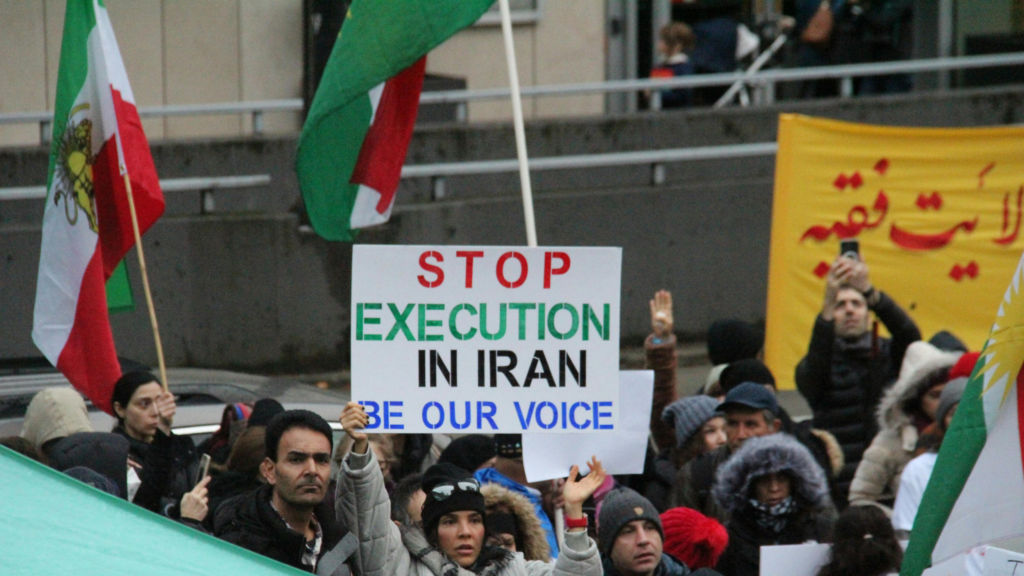
The Iran protests have escalated dramatically, igniting mass protests across various cities for the second consecutive evening. Reports indicate that citizens from Tehran to Mashhad are taking to the streets, rallying against the government in what has turned into a significant display of dissent. While the full scope of the unrest remains hard to gauge due to a widespread internet blackout, footage circulating on social media highlights the intensity of the demonstrations. Eyewitness accounts suggest that protesters are not only voicing their discontent but are also facing severe backlash, with alarming reports of violence and casualties surfacing from hospitals in major urban centers. As the protests against the Iranian regime continue to unfold, the eyes of the world are on these demonstrations, drawing attention to the dire situation and the courage of those standing against oppression.
In recent days, widespread demonstrations have erupted throughout Iran, illustrating a powerful wave of civil unrest that resonates deeply within the fabric of society. The Iranian populace is actively opposing the current administration, marking a critical moment in the ongoing struggle for reform and change. Following key events in Tehran and beyond, the situation has captured global headlines, intensifying media scrutiny on government actions and human rights conditions. With the use of social platforms hastening the dissemination of information, demonstrators are sharing their experiences and mobilizing support, highlighting a significant turning point in public sentiment. This shift underscores a growing desire for accountability and transparency, as citizens confront an increasingly authoritarian regime.
The Escalation of Mass Protests in Iran
The mass protests in Iran have erupted with unprecedented intensity, drawing thousands to the streets night after night. Demonstrations have surged not only in Tehran but also in significant cities such as Mashhad and Karaj. The Iranian populace is expressing their discontent against the government, further fueled by the oppressive actions of the regime. Social media has played a critical role in broadcasting these protests, despite the challenges posed by internet blackouts aimed at suppressing news coverage. Clips of protests have circulated, revealing scenes that depict the unrest: chants of ‘Death to the dictator’ resonate through central squares as demonstrators voice their demand for drastic change.
Eyewitness accounts from the ground provide a harrowing picture of the situation, as protesters face violent crackdowns by the authorities. Reports from various activists highlight the use of live ammunition against civilians, with hospitals overwhelmed by the influx of injured. This alarming trend underlines the intensity of the protests against the Iranian regime, showcasing the depths of public frustration and anger. As the demonstrations grow larger and more fervent, the government’s attempts to quell dissent become increasingly stringent, resulting in heightened tensions across the nation.
The Role of Social Media in Iran Protests
In recent years, social media has become a crucial platform for mobilizing the masses during protests in Iran. During the current demonstrations, despite the government deploying a significant internet blackout, many individuals find ways to share updates, rally support, and raise awareness of the dire situations at hand. Videos shared on platforms like Twitter and Instagram document the realities of protests, revealing brutal confrontations between demonstrators and state forces. These channels allow for real-time communication that transcends government control, providing a voice to those risking their lives in the streets.
Moreover, social media serves as an alternative news source amid state propaganda aimed at downplaying unrest. Activists utilize these platforms to post firsthand accounts and footage, which create a narrative that contrasts starkly with the official government stance. As international attention expands, platforms like social media enable networks of solidarity that extend beyond Iran’s borders. The Iranian youth, in particular, have harnessed these tools effectively, using social media not just to report but also to organize and sustain the momentum necessary for the ongoing protests.
International Responses to Iran Government Demonstrations
The international community has increasingly taken notice of the demonstrations unfolding in Iran, with European leaders publicly urging the Iranian government to exercise restraint. The situation has become precarious as the violent responses from the regime escalate. Countries such as France and Germany have condemned human rights violations and expressed solidarity with the Iranian people. This calls into question the effectiveness of diplomatic measures previously adopted towards Iran, as the global implications of unrest prompt a reconsideration of foreign relations.
Additionally, there is a growing discourse among human rights organizations highlighting the need for investigations into state violence and accountability for actions that harm innocent protesters. The time has come for the international community to hold the Iranian regime responsible for its brutal crackdown on dissent. As reports of casualties mount and the situation increasingly resembles a humanitarian crisis, the global response may shift from mere condemnation to more proactive measures aimed at safeguarding human rights in Iran.
Understanding the Dynamics of Tehran Protests News
Tehran has emerged as the epicenter of the ongoing protests against the Iranian regime, with developments changing rapidly. News from the ground paints a vivid picture of a city engulfed in turmoil, with protesters articulating their frustrations over economic hardships and government oppression. The recent protests in Tehran are characterized by the organization and determination of demonstrators, who work in unity to challenge state authority. News outlets struggle to cover the events due to the barriers imposed by state authorities, making it crucial for journalists and analysts to rely on underground networks. This situation creates a multifaceted narrative that goes beyond surface-level reporting.
Reporting on the protests reveals not only the physical confrontations but an intricate tapestry of social, economic, and political factors that fuel public dissatisfaction. Tehran’s protests represent a poignant chapter in the broader saga of Iranian unrest, showcasing a populace that refuses to remain silent. As news trickles in from various sources, it highlights the resilience and courage of everyday citizens fighting for their rights and freedoms, inviting the world to bear witness to their struggles.
The Human Rights Crisis Amid Iranian Regime Unrest
As protests spread like wildfire across Iran, the human rights crisis has sharply come into focus. Eyewitness reports and accounts from medical professionals in Tehran have indicated that hospitals are inundated with injured protesters, raising alarms about the state of human rights in the country. Human Rights organizations convey the urgent need for independent investigations into the use of excessive force by authorities against civilians. The numbers suggest a profoundly disturbing trend: significant casualties stemming from confrontations with security forces.
In this climate of unrest, the regime’s repression leads to a pervasive atmosphere of fear among the population. Protests are met with violent crackdowns, creating an urgent call to action for the international community. A collective reaction against these violations could pave the way for significant pressure on the Iranian government to engage in dialogue and reform. Acknowledging and addressing the human rights crises intertwined with the protests can be essential not only for the present moment but for the long-term stability of Iranian society.
The Impact of Government Crackdowns on Iranian Society
Government crackdowns during protests in Iran have far-reaching effects on society as a whole. The response from authorities often involves not only brutal violence against protesters but also a chilling effect that permeates various sectors of civilian life. Increased surveillance and intimidation tactics exacerbate the atmosphere of fear, discouraging public participation in demonstrations and engagement in civic discourse. As individuals witness the severe consequences of protesting, many may choose to retreat into silence, fearing repercussions.
Beyond the immediate aftermath of the protests, these crackdowns can result in long-lasting scars on the collective psyche of the society. Trust in institutions may wane, and social cohesion could suffer, leading to further discontent. Families of victims of state violence experience trauma that ripples through communities, while those actively involved in the demonstrations may face legal repercussions. The impact of such repression not only stifles dissent in the short term but may also breed future generations that are profoundly skeptical about governmental authority and democratic processes, potentially pushing them towards more radical expressions of dissent.
The Future of Protests in Iran: A Call for Reform
The ongoing mass protests in Iran could be a pivotal moment in the country’s trajectory, signaling a burgeoning desire for reform that echoes the calls of countless demonstrators. Activists argue that sustained pressure on the government is essential for initiating meaningful change. As dissidents across the country rally for basic freedoms and rights, their persistent calls for justice echo the collective dream of an inclusive society, free from oppression. The necessity for reform looms large as Iranians demand accountability from their leaders.
Looking ahead, the potential future of protests in Iran will depend largely on how the government responds to the outcry of its citizens. Increased repression could fuel further unrest, whereas a willingness to engage in dialogue may pave the way for gradual reform. International observers emphasize the importance of supporting grassroots movements that advocate for democracy, as they can bridge divisions and inspire broader participation among the populace. Ultimately, the prospects of profound change hinge on the unwavering determination of the Iranian people to stand in solidarity for their rights.
Key Lessons from Mass Protests in Iran
The mass protests in Iran present valuable lessons about the power of civil engagement in the face of authoritarian governance. History reveals that movements driven by grassroots initiatives often have the potential to enact change, provided a supportive network is established. The current protests showcase not just the voices of dissent but also the strength found in collective action. As communities unite, they challenge the status quo, inspiring others to join the movement and amplifying their demands for change.
Additionally, these protests underscore the critical importance of international solidarity and the role of global citizens in advocating for human rights. The global visibility that such events can garner has the power to exert pressure on governments that deny their citizens fundamental freedoms. In this context, the lessons from the Iranian protests transcend national boundaries, reminding the world of the ongoing struggle for justice and the potential for collective action to catalyze transformative reforms.
Iranian Regime’s Countermeasures against Protesters
The Iranian regime’s countermeasures against protesters highlight the lengths that authoritarian governments will go to maintain power and suppress dissent. In recent events, tactics ranging from digital censorship and internet blackouts to severe physical violence against demonstrators have emerged. The regime aims to stifle communication and erase the narratives of resistance by employing these aggressive methods. Such responses create a dangerous environment for those actively participating in protests, who risk their lives to voice discontent.
The implications of these countermeasures are dire; as the regime employs more severe tactics, the motivation among citizens to resist can either diminish or amplify the cycle of unrest. As witnessed in recent months, brutal responses often provoke greater outrage, potentially leading to further mobilization. For observers, understanding these dynamics is crucial in predicting the future landscape of protests and the regime’s viability amidst growing unrest.
Frequently Asked Questions
What are the main causes of the mass protests in Iran?
The mass protests in Iran stem from widespread dissatisfaction with the Iranian regime, economic hardships, and calls for political freedom. Demonstrators are demanding change and expressing their grievances against the government’s policies, leading to significant unrest in major cities.
How have social media played a role in the Iranian government demonstrations?
Social media has been a crucial platform for sharing information and updates about the Iranian government demonstrations. Despite recent internet blackouts, activists have used platforms to disseminate videos and organize protests, helping to raise awareness internationally about the ongoing unrest in Iran.
What is the current situation regarding Tehran protests news?
Recent Tehran protests news highlights ongoing demonstrations where large crowds have gathered in defiance of government authority. Reports indicate that protests have escalated over the past days, with significant unrest and clashes between demonstrators and state security forces.
What is the impact of the Iranian regime’s crackdown on protests?
The Iranian regime’s crackdown on protests has led to increased violence and casualties, with reports of civilians being harmed by live ammunition. This heavy-handed response has also drawn international criticism and calls for restraint from foreign governments, further complicating the situation in Iran.
How are eyewitness accounts documenting the violence during the Iran protests?
Eyewitness accounts from hospitals and social media document severe violence during the Iran protests, with reports of hundreds of injuries and deaths among protesters. Medical personnel have described overwhelming conditions in hospitals, highlighting the urgent humanitarian crisis amid the unrest.
What do the chants during mass protests in Iran signify?
Chants such as “Death to the dictator” during the mass protests in Iran signify deep-seated anger towards the ruling regime. These slogans express the demonstrators’ desire for political change and reflect widespread frustration with the government’s policies and lack of freedoms.
What international response has there been to the protests in Iran?
The international response to the protests in Iran includes appeals from European leaders for the government to exercise restraint against demonstrators. Human rights organizations are also voicing concerns regarding the state violence surrounding the protests, urging for accountability.
Why is there an internet blackout during the Iran protests?
The Iranian government has implemented an internet blackout during the protests to control the flow of information and limit the ability of demonstrators to coordinate and communicate. This tactic aims to suppress dissent and minimize the impact of the protests on the international stage.
What are the predictions for the future of protests in Iran?
The future of protests in Iran remains uncertain, but given the ongoing grievances against the Iranian regime and the scale of recent demonstrations, it is likely that unrest will continue. The government’s response and the international community’s engagement will be crucial factors influencing the trajectory of the protests.
How do mass protests reflect the citizens’ demands in Iran?
Mass protests in Iran reflect citizens’ demands for political freedoms, economic reforms, and an end to oppressive measures by the government. The demonstrations are a manifestation of the public’s desire for change and accountability from the Iranian regime.
| Key Point | Details |
|---|---|
| Continuation of Protests | Mass protests in Iran have been ongoing for two consecutive evenings. |
| Extent of Protests | Exact numbers of protesters are hard to assess due to an internet blackout. |
| Locations of Protests | Protests have occurred in major cities like Tehran and Mashhad. |
| Reports from Activists | Videos show large crowds and chaotic scenes; some report of a mosque being set on fire. |
| Human Rights Concerns | The Center for Human Rights in Iran reports 200 deaths among protesters, many from live ammunition. |
| International Response | European leaders are urging the Iranian government to show restraint amid escalating violence. |
Summary
Iran protests have surged dramatically as citizens express their dissent against the government amid increasing violence. Over the past two nights, significant demonstrations have unfolded in numerous cities, highlighting a growing frustration with the regime. Despite the challenges of an internet blackout restricting communication, the grievances of the Iranian people are becoming increasingly visible. Eyewitness accounts and unofficial reports of casualties underscore the severity of the situation, marking a critical moment in Iran’s ongoing struggle for freedom and human rights.

