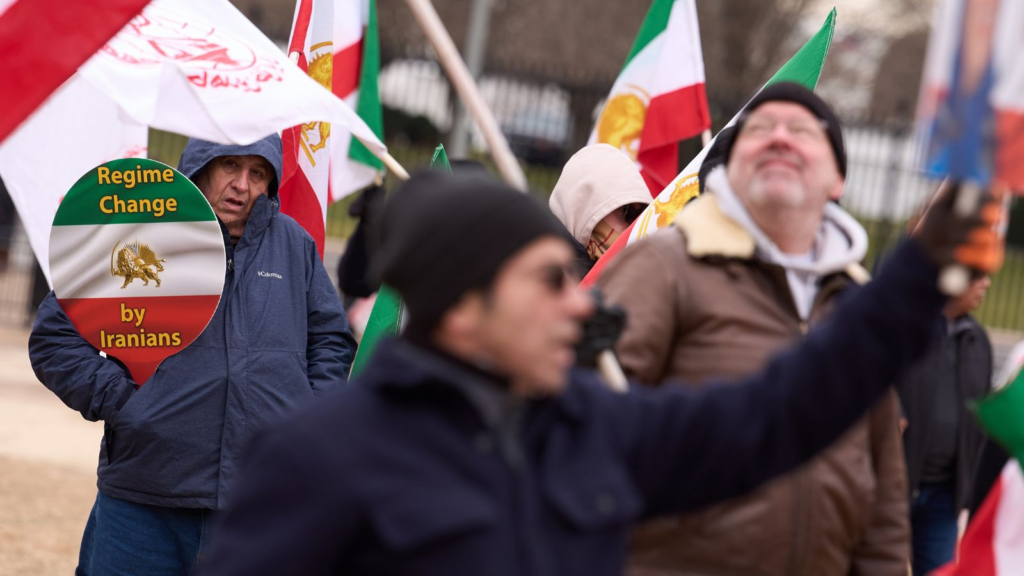
In recent weeks, Iran protests have erupted nationwide, fueled by political discontent and economic turmoil. Citizens of Tehran and other cities are taking to the streets, voicing their anger against the authoritarian regime that has ruled for decades. U.S. President Trump has interjected into this volatile situation, threatening to intervene in the Iranian government’s internal matters if peaceful demonstrators are harmed. This declaration has sparked a fierce response from Iranian officials, who warn that foreign intervention would destabilize the entire region. With tensions rising, the implications of U.S. foreign policy in the face of these protests could have far-reaching consequences for both Iran and the larger international community, particularly amid the ongoing Tehran riots.
The civil unrest in Iran represents a significant moment in the nation’s struggle against dictatorial governance and economic hardships. With mounting frustration among citizens, the demonstrations mark a critical point for the Iranian populace, demanding change amidst a backdrop of collapsed currency and financial instability. As international observers and foreign leaders weigh in, the involvement of U.S. political figures adds a complex layer to the dynamics of these protests. Responses from the Iranian leadership reflect a steadfast resolve against perceived foreign meddling, further complicating the already tense U.S.-Iran relationship. The unfolding events are a poignant reminder of the delicate balance between sovereignty and international advocacy for human rights.
The Escalating Iran Protests and U.S. Intervention
The Iran protests have reached a boiling point as citizens voice their dissent against the authoritarian regime. The recent outcry was fueled by economic hardships, particularly the steep fall in foreign exchange rates, provoking spontaneous demonstrations in Tehran and beyond. The brutal suppression of dissent has led to a tragic loss of lives, with at least seven protesters reportedly killed during confrontations with security forces. This wave of unrest highlights the urgent appeal for systemic change within Iran and a yearning for a freer society.
As the U.S. considers its stance, President Trump’s interventionist threats have sparked heated discussions on U.S. foreign policy regarding Iran. While Trump expresses solidarity with protestors, promising potential aid against state-sponsored violence, the Iranian leadership has swiftly rebuffed these claims. Officials assert that any U.S. intervention would not only aggravate the current situation but also threaten to destabilize the entire Middle East. This complicated geopolitical landscape poses a critical question: how far should foreign powers go in addressing internal conflicts of sovereign states?
Implications of Trump’s Statements on Iranian Uprisings
Trump’s declarations regarding support for the Iranian protestors raise concerns about the specter of U.S. intervention in internal affairs. In a long history marked by U.S.-Iran animosity post-1979, Trump’s remarks could exacerbate tensions, particularly as Iranian leaders label the U.S. as a longstanding adversary. The stakes are high, and observers are keenly aware of the potential for escalated conflict. The authoritarian regime is on high alert, preparing to suppress the protests while also asserting its sovereignty against perceived foreign meddling.
The implications of Trump’s support for the protestors might resonate beyond Iran’s borders and influence other authoritarian regimes in the region. U.S. foreign policy has often oscillated between promoting democracy and ensuring regional stability, complicating the message sent to governments and activists alike. Iran has made it clear that any intervention in its internal matters would be met with significant resistance, revealing the deep-rooted nationalistic sentiments that safeguard the regime’s narrative.
Trump Threatens to Aid Protesters Against Iran’s Government
Iran Government’s Response to U.S. Threats of Intervention
In response to Trump’s threats, officials from the Iranian government have issued stern warnings about the consequences of U.S. intervention. The Secretary General of the Iranian Security Council, Ali Larijani, articulated the dangers of foreign involvement, staunchly defending Iran’s sovereignty and predicting that such actions would lead to regional instability. This assertion underlines the precarious balance of power in the Middle East and highlights how U.S. foreign policy is perceived as a destabilizing force.
Furthermore, Ali Shamkhani, a senior advisor to the Iranian government, reinforced the notion that foreign intervention would be met with fierce resistance. A statement on social media emphasized that any aiding hand from abroad would face a decisive rebuff. This rhetoric serves to unify national sentiment and reinforce the government’s control amid increasing domestic unrest, suggesting an attempt to quell dissent while simultaneously rallying support around national sovereignty.
The Role of Tehran Riots in Shaping International Perception
The Tehran riots, ignited by economic discontent and exacerbated by government repression, play a critical role in shaping international perception of Iran. Various global actors are observing closely as protests evolve, with some advocating for humanitarian support for the demonstrators while others maintain a cautious distance to avoid further entanglement in Iranian affairs. This international scrutiny may affect how Iran’s authoritarian regime manages the crisis, both internally and in terms of its foreign relations.
As protests gain global media attention, the narrative around the Iranian people’s struggle against the government is unfolding. Critics of the regime argue that the Iranian authorities have mishandled significant economic issues, driving citizens to the streets. The international community remains divided on how best to respond, with voices supporting condemnation of Iran’s human rights abuses while others warn against the repercussions of U.S. interventionist policies that historically have led to deeper conflict.
Examining U.S. Foreign Policy Towards Iran
A thorough examination of U.S. foreign policy towards Iran reveals a complex web of interactions shaped by decades of mutual distrust. Following the Islamic Revolution, the U.S. adopted a stance of strategic opposition against the Iranian government, consistently designating it an adversary. Trump’s recent remarks highlight a pivotal shift, where the humanitarian support for Iranian protestors clashes with the traditional skepticism of foreign intervention, underscoring a need for a nuanced strategy that respects Iran’s sovereignty while promoting human rights.
Moreover, the rise of protests against authoritarian regimes globally raises essential questions about the role of foreign nations in supporting democracy abroad. The delicate balance between intervention and respect for self-determination is critical, especially in a context where the U.S. has often been perceived as an imperialist force in the Middle East. This duality in U.S. foreign policy prompts ongoing debates about the efficacy and morality of interventionist tactics in complex geopolitical landscapes.
Impact of Economic Factors on Iran Protests
The recent protests in Iran have been predominantly fueled by economic grievances, particularly the precarious situation regarding foreign exchange rates. The sudden collapse in these rates has led to widespread discontent among citizens, particularly among traders in Tehran, who feel the brunt of the economic crisis. Such economic instability inevitably translates into social unrest, as the populace demands such essential reforms to alleviate the financial strains they endure.
In addition to immediate economic pressures, the protests reflect a deeper frustration towards the authoritarian regime’s inability to address these issues effectively. As demonstrators call for change, the Iranian government faces increasing pressure to justify its legitimacy. The discontent surrounding economic conditions, combined with a backdrop of political repression, creates a volatile situation that could lead to either significant reform or an intensified crackdown by authorities.
Historical Context: Iran’s Protests since 1979
Understanding the context of Iran’s protests since 1979 provides critical insights into the current unrest. The Islamic Revolution brought about a fundamental shift in governance that many citizens now recognize as hierarchical and authoritarian. Since then, various protests have emerged in response to the government’s policies, economic mismanagement, and restrictive social norms. The cyclical nature of these protests serves as a reminder of the Iranian people’s persistent struggle against oppressive governance and their aspiration for a more democratic society.
The historical narrative shapes how both the Iranian people and the international community view current unrest. The protests, now intensified, echo sentiments from previous waves of dissent, where the population found themselves demanding change amidst growing disenfranchisement. The layered complexities of the Iranian socio-political landscape illustrate a deep-seated desire for reform while highlighting the regime’s stronghold over dissent, crafting a compelling story that resonates on both domestic and global stages.
Future Implications for Iran amidst Ongoing Protests
As the protests in Iran continue to unfold, the future implications for both the Iranian regime and its citizens are far-reaching. The government’s response to the unrest will likely set a precedent for how dissent is handled moving forward. If the regime opts for further repression, it risks escalating tensions and possibly igniting even larger protests. Conversely, a willingness to engage with reform could signal a fundamental shift in Iran’s governance, albeit potentially at the cost of the ruling party’s authority.
The geopolitical ramifications of ongoing protests also cannot be ignored. With the international community’s keen interest in Iran’s internal matters, the potential for U.S. intervention creates uncertainty in the region. Future policy directions from the U.S. will depend not only on the developments within Iran but will also reflect a broader strategy towards authoritarian regimes facing internal dissent. The ongoing unrest poses significant challenges that will ripple through both domestic and international political landscapes.
Frequently Asked Questions
What are the main causes of the Iran protests in 2023?
The Iran protests in 2023 were primarily triggered by a sudden collapse in foreign exchange rates, which caused widespread economic frustration among the population. This economic instability led to spontaneous protests, initially in Tehran and spreading across other regions, highlighting the dissatisfaction with the authoritarian regime.
How has Trump responded to the Iran protests?
In response to the Iran protests, U.S. President Donald Trump has publicly pledged his support for the demonstrators. He threatened intervention in Iranian government affairs, stating that if peaceful protesters were harmed, the U.S. would help them. This interventionist stance reflects ongoing U.S. foreign policy concerns regarding authoritarian regimes.
What is the Iranian government’s stance on Trump’s threats regarding the protests?
The Iranian government has firmly rejected President Trump’s threats of intervention regarding the protests. Officials, including Ali Larijani and Ali Shamkhani, have warned that U.S. involvement in Iran’s internal matters would destabilize the region and indicated that any attempt to interfere would be met with resistance.
How do the Iran protests relate to U.S. foreign policy?
The Iran protests are intricately linked to U.S. foreign policy, particularly in terms of American criticisms of the Iranian government and their support for democratic movements. Trump’s threats to intervene underscore a longstanding U.S. strategy of opposing authoritarian regimes, particularly since the Islamic Revolution of 1979.
What impact have the Tehran riots had on international perceptions of the Iran protests?
The Tehran riots, part of the broader Iran protests, have heightened international concern about human rights abuses and the Iranian government’s response to dissent. This has led to increased scrutiny from foreign governments and organizations, impacting how the U.S. and the international community view the ongoing unrest as a potential call for broader change against authoritarianism.
What social dynamics are highlighted by the Iran protests?
The Iran protests highlight significant social dynamics, including widespread discontent with economic conditions and the authoritarian regime’s policies. The involvement of diverse demographics across regions indicates a collective yearning for change, often triggered by economic hardship and the desire for more freedoms amid government repression.
What are the implications of U.S. intervention in the Iran protests?
U.S. intervention in the Iran protests could have far-reaching implications, potentially exacerbating tensions between the two nations and further destabilizing the region. Historically, foreign intervention in Iran has led to complex repercussions, and any military or diplomatic efforts may complicate the path toward genuine reform and stability.
How have the protesters in Iran reacted to the government’s response to the protests?
The protesters in Iran have largely reacted with defiance to the government’s harsh responses, including the use of security forces during the protests. The commitment to continue demonstrations despite risks underscores the deep-seated frustrations against the authoritarian regime and a desire for political reform and justice.
| Key Point | Details |
|---|---|
| Protests Intensified | Iran protests have intensified due to a sudden collapse in foreign exchange rates. |
| Trump’s Support | U.S. President Trump has pledged support for the Iranian protesters against the authoritarian regime. |
| Iran’s Response | Iranian officials have responded strongly, warning against U.S. intervention in their internal matters. |
| Historic U.S.-Iran Relations | The U.S. has been seen as an enemy by the Iranian government since the Islamic Revolution of 1979. |
| Casualties | At least seven people have died in the protests and confrontations with security forces. |
Summary
The Iran protests have captured global attention as tensions within the country escalate amid financial turmoil. The recent demonstrations, ignited by a sharp drop in currency value, have prompted international reactions, notably from U.S. President Trump, who has threatened to intervene if the Iranian government harms peaceful protesters. This situation highlights the long-standing enmity between the U.S. and Iran, dating back to the 1979 Islamic Revolution, and raises critical questions about the future stability of Iran and the broader region.