
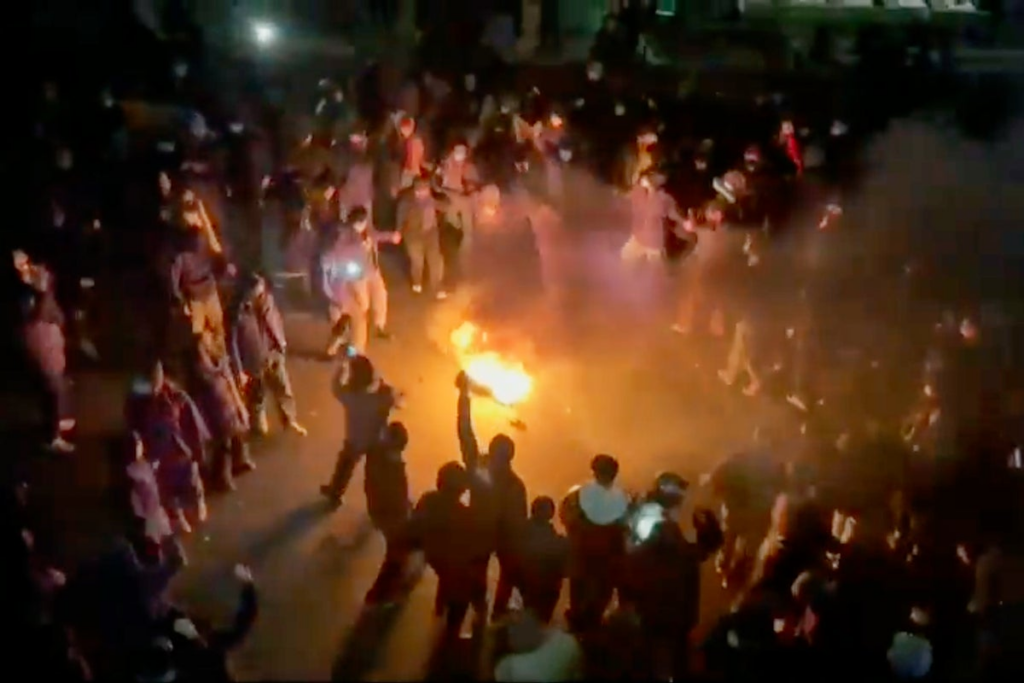
The Iran protests have captured global attention as citizens rise against an increasingly oppressive regime. In the shadows of turmoil, figures like Ahmad Mansour are urging international support for the brave Iranians who are risking their lives for freedom. Amidst calls for solidarity, critics argue that the silence of German politics on this crucial issue is deafening and irresponsible. The need for an international response is not only a humanitarian call but also a strategic opportunity to challenge the Iran regime at a time when it is perceived as weakened. As the world watches, the courage demonstrated by protesters ignites hope for change and prompts an urgent dialogue about the future of Iran.
Recent upheavals in Iran reflect a critical moment for its citizens, many of whom are standing against governmental oppression in pursuit of their rights. Ahmad Mansour highlights the necessity for global backing as Iranians demonstrate resilience and bravery daily. The current climate amplifies calls for engagement from political leaders, especially in contexts like German politics, where silence could mean complicity. As these protests unfold, it becomes increasingly vital for the international community to respond actively, recognizing the historic significance of these movements. The struggle for freedom within Iranian society poses an ethical imperative for support and solidarity.
Understanding the Current Landscape of Iran Protests
The recent protests in Iran signal a significant shift in the political landscape, characterized by a populace that has grown increasingly disillusioned with the current regime. The Iranian people have demonstrated remarkable fortitude, risking their safety to express their discontent over oppressive governance and restrictions on freedom. This radical shift reflects a broader desire for change—a call to action that resonates not only within Iran but also throughout the international community.
As the protests gain momentum, it’s crucial to analyze the underlying factors contributing to this unrest. Citizens are mobilizing against a regime perceived as increasingly fragile, prompting discussions about the potential for an overhaul in governance. Such dynamics call for a global response, particularly from countries like Germany, which have historically maintained relations with Iran. International observers must recognize the critical juncture at which Iran stands and respond accordingly.
The Role of Ahmad Mansour in Highlighting Iranian Struggles
Ahmad Mansour, a prominent commentator, has emerged as a significant voice in advocating for the Iranian people’s struggles. His criticisms of the Iranian regime focus on the urgent need for political accountability and the necessity for international support. Mansour has emphasized that the bravery shown by Iranians in these protests should not go unnoticed, urging German politics to take a firm stance against oppression.
Through his analyses, Mansour has positioned himself as a bridge between the Iranian quest for freedom and the global political arena. His call for action highlights the importance of solidarity with those fighting for their rights, reinforcing that the struggle of the Iranian people is not isolated; it is part of a larger narrative of resistance against tyranny worldwide.
The Impact of German Politics on Iranian Freedom Movements
The actions—or inactions—of German politics can significantly affect the course of the Iranian protests. With Germany’s historical ties to the Iranian regime, there is a growing responsibility to shift this narrative and actively support those advocating for democracy and human rights in Iran. Ahmad Mansour argues that silence from German officials not only undermines the Iranian people’s efforts but also sends a message of indifference to oppressive regimes.
Engagement from Germany could help unify international response efforts, offering moral and logistical support to Iranian activists. It is crucial for policymakers to recognize the current protests not just as a local issue but as part of a global struggle for human rights and freedom. By lending their support, German leaders can help foster a more robust movement towards political reform in Iran.
International Response: A Call to Action for Support
The international response to the ongoing protests in Iran should not be limited to mere observations; it must evolve into actionable support that aligns with the aspirations of the Iranian people. Many governments around the world must consider their diplomatic relationships with the Iranian regime and the implications these have on supporting freedom movements. Ahmad Mansour stresses that the international community has a historic opportunity to back those resisting tyranny.
This support can come in various forms—sanctions against oppressive leaders, humanitarian aid for the Iranian people, and platforms for their voices to be heard globally. By empowering protests through moral and material backing, the international community can help strengthen the resolve of those risking their lives for a better future.
The Iranian Regime’s Response to Protests and Resistance
As protests escalate, the Iranian regime’s tactics of repression have been put on full display. Harsh crackdowns on demonstrators reflect the regime’s fear of losing control amid growing dissent. The government’s response includes detaining activists, censoring media coverage, and employing violent measures to quell unrest. Such actions not only reveal the regime’s fragility but also illustrate the dire need for a unified global response to support oppressed citizens.
The Iranian people’s resilience in the face of such brutality highlights their demand for change and justice. Global powers, especially those with strong economic ties to Iran, must now reconsider their positions and act decisively. Protests against the regime’s repressive actions serve as a reminder of the importance of solidarity with those advocating for democracy.
Mobilizing Support: The Importance of Advocacy for Iranians
In times of crisis, the need for advocacy becomes paramount. As Ahmad Mansour emphasizes, the courage displayed by protesters in Iran must be met with equal support from the international community. Mobilizing support through public campaigns, diplomatic efforts, and grassroots movements can amplify the voices of those fighting for their rights. This advocacy not only raises awareness but also creates avenues for tangible assistance to be directed toward those in need.
It’s essential for individuals and organizations to unite in their efforts to highlight the struggles of Iranians. By doing so, they can pressure governments to adopt policies that favor human rights and democracy over oppressive status quo. Building this global coalition can transform the narrative and encourage positive change in Iran.
Social Media’s Role in Shaping the Narrative Around Iranian Protests
In the digital age, social media plays a critical role in shaping public opinion and spreading awareness about global issues. The current protests in Iran have gained significant traction largely due to the effective use of social media platforms. Activists and ordinary citizens alike are harnessing these tools to document their experiences, share updates, and mobilize international support against the regime. This decentralized flow of information enables a more authentic narrative to emerge.
Social media not only informs the global community about the events unfolding in Iran but also fosters a sense of solidarity among activists worldwide. Ahmad Mansour highlights how these platforms can galvanize support and encourage people to take action from afar. The ability to reach a global audience underscores the shifting dynamics of political activism, showing how technology can empower and unify movements.
Economic Pressure as a Tactic Against the Iranian Regime
Exploring economic pressure as a tactic against the Iranian regime reveals a complex interplay between international relations and domestic policies. Sanctions imposed by various nations have aimed to weaken the regime’s financial stability, potentially compelling it to reconsider its repressive tactics. Ahmad Mansour advocates for a reevaluation of these strategies to ensure they effectively support the Iranian people’s plight rather than exacerbate their struggles.
By aligning economic measures with humanitarian goals, countries can send a strong message to the Iranian government while providing needed support to its citizens. The international community must develop a cohesive strategy that leverages economic influence to advocate for human rights and foster a favorable environment for reform.
The Future of Iran: A Possibility for Change Amidst Protests
As protests continue to unfold in Iran, the future remains uncertain but brimming with potential for change. The collective actions of Iranians against the regime underline a significant desire for transformation and a departure from oppression. Ahmad Mansour emphasizes that the window of opportunity for change is now, urging international stakeholders to act in solidarity with the Iranian aspirations.
A thriving future for Iran hinges on the ability of the populace to maintain pressure on the regime while receiving substantial support from abroad. This symbiotic relationship is essential for fostering a political landscape conducive to reform, where the voices of the people are not only heard but celebrated.
Frequently Asked Questions
What are the recent Iran protests about and why are they significant?
The recent Iran protests are driven by widespread discontent with the Iranian regime, fueled by demands for freedom and human rights. These protests are significant as they showcase the courage of the Iranian people, who are risking their lives to stand against oppression and are seen as a potential turning point in Iranian politics.
How is the Iranian regime responding to the ongoing protests?
The Iranian regime is responding to the ongoing protests with a mixture of repression and attempts at reform. As protests intensify, authorities have increased crackdowns on dissent, yet the regime is also under pressure to address the grievances raised by the public, making this a critical moment in Iran’s political landscape.
What role does Ahmad Mansour play in discussing support for Iranians during the protests?
Ahmad Mansour is a WELT columnist and a prominent voice advocating for support for Iranians amid ongoing protests. He emphasizes the need for international solidarity and calls on German politics to actively engage and provide help to those courageously fighting against the Iranian regime.
How can the international community respond to the Iran protests?
The international community can respond to the Iran protests by offering vocal support for the demonstrators, imposing sanctions on the Iranian regime, and providing humanitarian aid. Increased awareness and pressure from foreign nations could empower the protesters and help catalyze change within Iran.
What has been the reaction of German politics to the Iran protests?
German politics has faced criticism for its perceived silence regarding the Iran protests. Figures like Ahmad Mansour have urged German leaders to pay more attention and provide tangible support for the brave individuals protesting against the Iranian regime, highlighting the need for a more proactive stance.
Is there a historical context to the current protests in Iran?
Yes, the current protests in Iran have historical roots, stemming from decades of opposition to the regime’s authoritarian practices and human rights abuses. This long history of resistance signifies that the protests are not just a fleeting event but part of a broader struggle for freedom and justice in Iran.
What are some examples of international responses to the Iranian regime’s actions during the protests?
International responses to the Iranian regime’s actions during the protests have included diplomatic condemnation, sanctions targeting officials responsible for human rights abuses, and statements of support for the Iranian people’s right to protest. These responses reflect a growing global awareness of the situation in Iran.
Why is it important to support Iranians during the protests?
Supporting Iranians during the protests is crucial as it helps to amplify their voices and strengthens their fight against oppression. With international backing, protesters may gain the courage and resources needed to challenge the Iranian regime more effectively and advocate for their rights.
| Key Point | Description |
|---|---|
| Weakened Regime | The Iranian regime is viewed as significantly weakened, creating a rare chance for change. |
| Call for Support | Mansour emphasizes the need for international support for the brave Iranians protesting for their freedom. |
| Silence of German Politics | Criticism is directed at the indifference of German officials regarding the Iranian protests. |
| International Attention | Mansour urges the necessity for the global community to actively respond to the events in Iran. |
Summary
The Iran protests represent a pivotal moment for change, as the regime’s significant vulnerability creates a unique opportunity for the people of Iran to seek freedom and justice. Ahmad Mansour’s remarks highlight not only the courage of Iranian citizens but also the urgent need for international support and attention. With the spotlight on these protests, global political leaders, especially in countries like Germany, must respond proactively to the cries for help from the Iranian people.

