
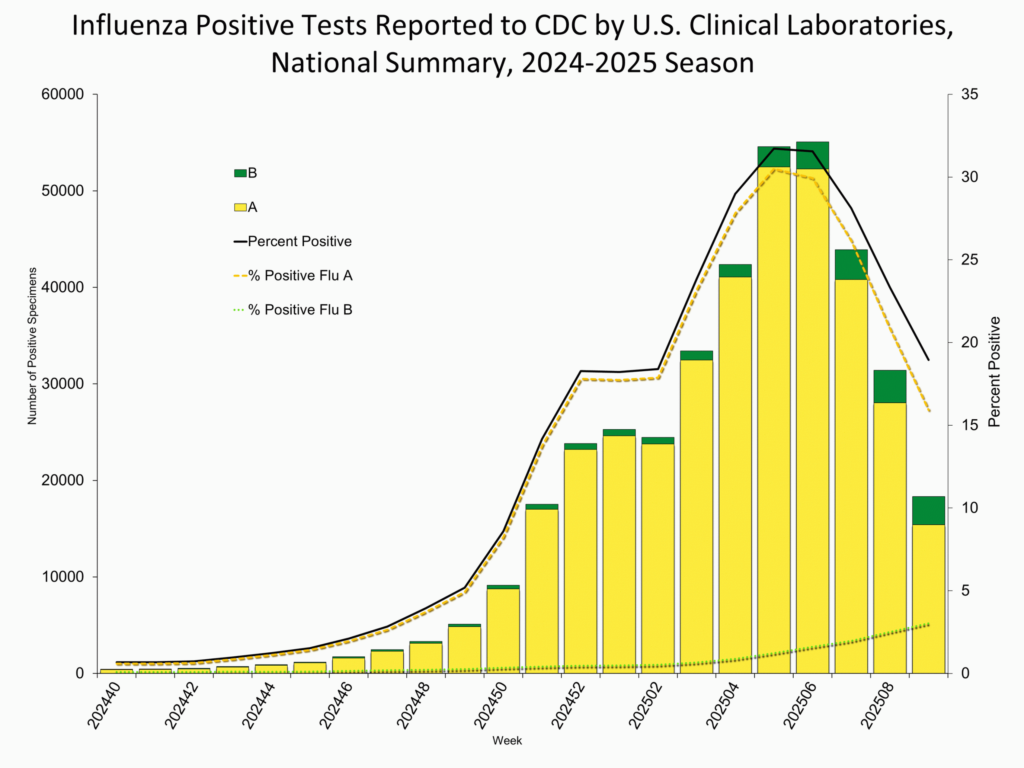
The latest influenza update reveals an alarming rise in flu cases, as indicated by data from the Robert Koch Institute (RKI). This flu season, reports indicate over 80,000 confirmed cases, with fatalities primarily among high-risk groups, particularly those aged 60 and older. The prevalence of the H3N2 virus, particularly the newly emerged subclade K, is raising concerns among health experts about contagiousness and overall flu symptoms and treatment effectiveness. As the flu season progresses, many are wondering about the flu vaccination effectiveness in combating this year’s aggressive strains. Understanding the nuances of this flu season report is critical for anyone looking to safeguard themselves and their loved ones from the spreading influenza.
Recent developments in the flu outbreak signal a noteworthy increase in infection rates, necessitating attention to flu prevention strategies. This rise in incidents aligns with previous seasonal trends but is complicated by the circulation of a new variant of the H3N2 virus. Health authorities emphasize the importance of flu vaccinations this year, especially for vulnerable populations and high-risk groups. Insights into flu symptoms and treatment options are essential for managing this season’s health challenges effectively. As the flu landscape evolves, staying informed about the efficacy of vaccines and the specific virus variants will be key to navigating this health crisis.
Current Influenza Update: Rising Cases and New Viruses
The latest report from the Robert Koch Institute indicates a significant uptick in influenza cases, with over 20,000 reported in just the past week. This marks an increase from just under 15,000 the previous week, suggesting a concerning trend as flu season progresses. Importantly, this year’s flu season also sees the emergence of a new subclade of the H3N2 virus, highlighting the ever-changing landscape of influenza viruses and the ongoing need for public vigilance.
In conjunction with traditional flu viruses, other respiratory illnesses, including COVID-19 and rhinovirus infections, remain prevalent. However, the current data indicates a decrease in overall respiratory infections, allowing health officials to better track flu season trends. The increase in flu cases is particularly alarming given that 225 fatalities have been reported primarily among individuals over 60, emphasizing the importance of vaccinations for vulnerable populations.
Understanding H3N2 Virus Details This Flu Season
H3N2, a subtype of influenza A virus, is currently the most prevalent strain circulating this flu season. With the emergence of the H3N2 subclade K, there are concerns regarding its transmissibility and potential impact on public health. This particular variant shows significant genetic mutations, allowing it to evade immune responses more effectively than previous strains—leading to higher infection rates among unvaccinated individuals.
Health authorities are monitoring this subtype closely, as studies suggest that while these changes can result in increased spread, they do not necessarily correlate with increased morbidity. As stated by health experts, most mutations lead to more contagion rather than heightened severity, though older adults remain at greater risk for severe consequences of influenza. It’s crucial that health campaigns raise awareness about symptoms to ensure timely treatment and management.
Flu Symptoms and Treatment: What to Look For
Flu symptoms commonly include a sudden onset of fever, chills, muscle aches, and cough, making it crucial for individuals to recognize these signs early. Unlike traditional colds, the flu often leads to heightened fatigue and a general sense of malaise, making it difficult to carry out daily activities. Early recognition and treatment can significantly improve recovery times and prevent complications, particularly in high-risk groups.
Treatment options primarily focus on symptomatic relief and antiviral medications for those at high risk of severe illness. Experts recommend rest, hydration, and over-the-counter pain relievers to alleviate discomfort. For individuals with underlying health conditions or severe symptoms, seeking medical attention is critical for appropriate intervention, including the potential use of prescription antiviral medications to shorten the duration of the illness.
Flu Vaccination Effectiveness: What to Expect
The effectiveness of this year’s flu vaccine has been a subject of analysis, particularly given the rapid mutation of influenza viruses. Preliminary data from the National Reference Center for Influenza indicates that the vaccine offers protection against the currently circulating H3N2 subclade K. However, it’s essential for the public to understand that while the vaccine may not prevent all infections, its primary goal is to reduce the incidence of severe illnesses requiring hospitalization.
Recent estimates suggest the vaccination effectiveness ranges from 52 to 57%, aligning well within typical annual efficacy. Experts emphasize that even if the vaccine’s ability to stop milder cases is limited, its role in preventing hospitalizations and deaths remains paramount, particularly for high-risk populations, including the elderly and those with chronic health conditions.
High-Risk Groups for Flu: Who Needs Vaccination Most?
Certain groups are identified by health authorities as particularly vulnerable to severe effects of influenza, necessitating yearly vaccinations. Individuals over 60, pregnant women in their second trimester, and those with chronic health issues are prioritized to ensure community health stability. Vaccination for these high-risk groups is crucial as they are the most likely to experience severe complications from the flu.
Moreover, healthcare professionals who frequently encounter these populations must encourage flu immunizations to protect both themselves and those in their care. In light of this year’s emergence of new flu strains, public health experts are advocating for broader vaccinations to cover even those typically deemed low-risk, such as children, especially those with preexisting conditions.
The Importance of Getting Vaccinated against Influenza
Despite the optimal vaccination window being from October to mid-December, health professionals underscore that it’s never too late to receive the flu shot. Given the flu season often extends into April, the inclusion of those who missed the early vaccination window remains critical. Current recommendations still support immunizing against influenza due to the constant threat posed by circulating viruses.
Healthcare providers are enhancing outreach efforts to inform the public about the benefits of vaccination, especially considering the potential for early flu waves. Emphasis is placed on community awareness that vaccination can significantly reduce the severity of flu symptoms, and therefore, lower hospital admission rates, leading to improved health outcomes for vulnerable populations.
Monitoring Flu Season Trends: What Lies Ahead?
As influenza activity isn’t consistently predictable, monitoring current trends and forecasting future patterns is vital for public health preparedness. The Robert Koch Institute notes that despite the numbers suggesting a comparable flu season to previous years, various factors, including the emergence of new virus strains, mean that public health responses must remain adaptable to unforeseen changes.
The variability of flu cases from year to year underscores the necessity of continual surveillance and analysis. Data indicating the early onset of this season’s flu wave due to subclade K suggests that proactive measures, including vaccination campaigns, should be sustained throughout the season to ensure public health safety. Continuous education about flu prevention is paramount to enhance community resilience against severe outbreaks.
COVID-19 and Influenza: Managing Concurrent Risks
The overlap of COVID-19 and influenza presents unique challenges in managing public health. With both viruses leading to similar respiratory symptoms, distinguishing between them remains critical, and the potential for co-infection raises further concerns. Health authorities have identified the need for continued vigilance as respiratory viruses are expected to co-circulate during colder months, leading to an increased burden on the healthcare system.
Public health messaging aims to clarify that while the flu and COVID-19 share some symptoms, differing treatments and preventive measures are necessary for each. This underscores the importance of vaccination campaigns, not only for influenza but also for COVID-19 boosters, as a combined strategy to mitigate risks, especially among high-risk populations.
Future Outlook: Preparing for the Next Flu Season
Looking ahead, health experts stress the importance of preparing for upcoming flu seasons through adaptable vaccination strategies. As influenza viruses continuously evolve, the World Health Organization plays a pivotal role in determining suitable vaccine formulations each year, which should be tailored to the anticipated circulating strains. Ongoing research into influenza mutations will enhance development and timely distribution of effective vaccines.
Moreover, community engagement and education will be focal points in strengthening public health strategies. Ensuring that individuals understand their risk levels and the importance of vaccination will help foster greater participation in upcoming vaccine initiatives. This is especially critical as populations recover from the dual impacts of COVID-19 and influenza outbreaks.
Frequently Asked Questions
What are the latest updates on the flu season report for this year?
The flu season report indicates a significant rise in influenza cases, with over 20,000 reportable cases in just the past week and more than 80,000 reported this season. The rise in cases reflects a typical cold season where other viruses are also present.
How effective is the flu vaccination against the current viruses this season?
Current flu vaccinations have shown effectiveness against the circulating influenza A viruses, including the recently identified subclade K of the H3N2 virus. Preliminary data suggest an effectiveness of 52 to 57 percent, with a focus on preventing severe illness rather than complete immunity.
What are the symptoms and treatment options for influenza this season?
Flu symptoms often start suddenly and include high fever, muscle and joint aches, and cough. Treatment typically involves rest, hydration, and over-the-counter medications to alleviate symptoms. Antiviral medications may be prescribed for severe cases.
What details are known about the H3N2 virus variant this season?
The H3N2 virus variant, specifically subclade K, is the most prevalent this flu season. It features significant mutations that may contribute to increased contagiousness, though not necessarily more severe illness.
Which groups are considered high-risk for flu complications this season?
High-risk groups for influenza this season include individuals over 60 years of age, pregnant women, and people with chronic diseases. It is especially crucial for these groups to receive the flu vaccination to prevent severe illness.
What can we expect from the flu vaccination effectiveness this year?
Vaccination effectiveness can vary based on the circulating influenza strains. This year, the vaccine showed effectiveness against the circulating viruses, including the H3N2 subclade, with projections suggesting it can significantly reduce the risk of severe illness.
How is the flu vaccine adjusted annually?
The flu vaccine is adjusted each year based on evaluations by the World Health Organization, which decides on the virus subtypes to include based on circulating viruses from the previous season and global flu activity.
Is it still beneficial to get a flu vaccination if it’s late in the season?
Yes, getting vaccinated later in the flu season can still provide protection, especially as the influenza season may extend into April. The vaccine protects against multiple virus types, making it worthwhile for individuals in high-risk groups.
Why are children particularly affected by influenza during this flu season?
Children are more frequently affected by influenza as their immune systems are still developing. This season, flu cases in children are notable, emphasizing the importance of vaccination, especially for those with preexisting conditions.
What is the main goal of the flu vaccination?
The primary goal of the flu vaccination is to prevent severe illness, hospitalizations, and fatalities associated with influenza, rather than to completely eliminate the risk of infection.
| Key Points | Details |
|---|---|
| Rising Flu Cases | Flu cases have increased to over 20,000 reported cases in the last week, totaling over 80,000 this season, with 225 fatalities mainly among individuals over 60. |
| Infection Types | Multiple respiratory infections are circulating, including COVID-19 and RSV, with approx. 3.9 million experiencing acute respiratory infections. |
| Virus Variants | Influenza A is the most widespread, particularly the H3N2 subtype, with a new subclade K affecting transmission rates. |
| Impact on Children | Children are often more affected due to less developed immunity, but severe cases are more common in older adults who should prioritize vaccination. |
| Vaccination Effectiveness | Current vaccines show 52-57% effectiveness against severe illness, but may provide shorter protection against the new subclade K. |
| Recommendations for Vaccination | Vaccination is recommended for those over 60 and high-risk groups, with January still a beneficial time for vaccination. |
Summary
The influenza update indicates a concerning rise in flu cases this season, with over 20,000 new infections in the past week. Experts strongly emphasize the importance of vaccination, particularly for those at higher risk, to avoid severe illness and complications. The emergence of new viral variants necessitates ongoing monitoring and adjustment of vaccines to ensure effective protection as the season progresses.

