
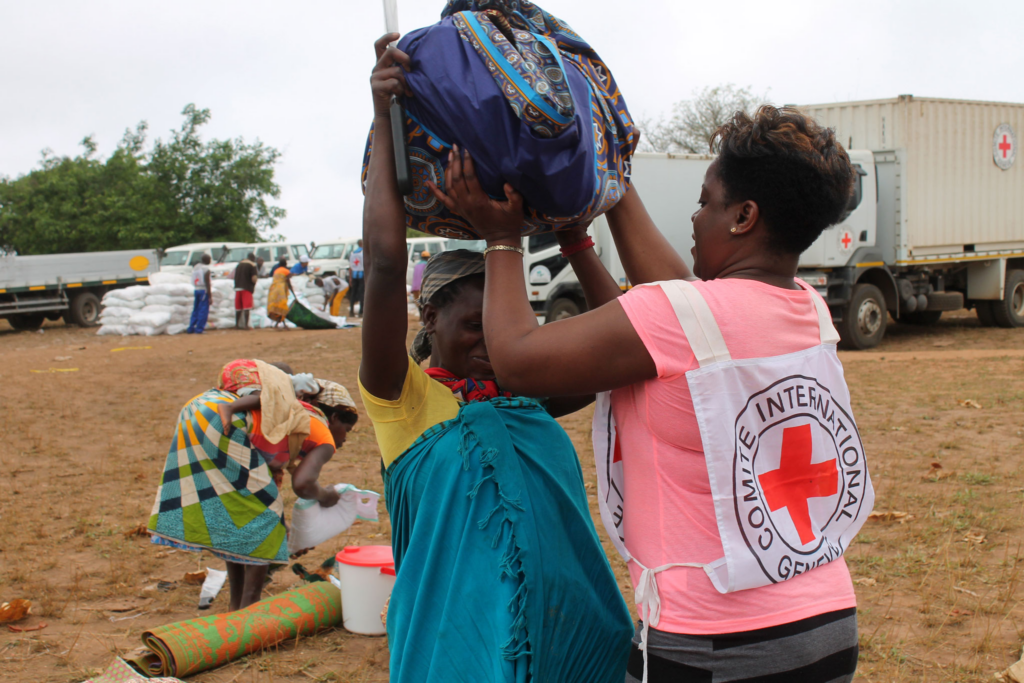
Humanitarian aid plays a critical role in alleviating suffering and saving lives, especially in times of crisis. Hermann Gröhe, the newly appointed president of the German Red Cross, has recently expressed his concern over significant cuts to humanitarian aid funding, reduced from two billion euros to just one billion. He argues that these budgetary constraints are profoundly short-sighted and could jeopardize the well-being of countless vulnerable individuals, particularly in regions like Sudan. Such funding cuts not only hinder immediate assistance but also exacerbate conflicts and contribute to painful refugee movements. By advocating for increased support for humanitarian efforts, Gröhe underscores the urgent need for comprehensive civil service initiatives and crisis preparation courses to ensure that volunteers and professionals can effectively respond to emerging emergencies.
The provision of relief and support in times of need is essential for building resilient communities and ensuring social stability. Hermann Gröhe, the president of the German Red Cross, highlights the dire consequences of reducing financial resources allocated for aid efforts, warning that funding cuts can lead to increased suffering and displacement. He emphasizes the vital role that civil services and trained volunteers play in delivering essential support during crises, as well as the significance of developing educational programs to better prepare individuals for emergencies. With an eye on the future, Gröhe advocates for stronger collaboration between professional agencies and volunteers to enhance the overall effectiveness of humanitarian response initiatives. Thus, the discussion around support systems in civil service and crisis management not only speaks to immediate humanitarian needs but also to a proactive strategy to safeguard against future challenges.
The Critical Role of Humanitarian Aid in Crisis Management
Humanitarian aid plays a pivotal role in alleviating suffering during crises, particularly in regions like Sudan, where ongoing violence and instability threaten the lives of millions. Hermann Gröhe, the president of the German Red Cross, has raised concerns about recent funding cuts that have halved the federal budget for humanitarian assistance from two billion euros to one billion. Such reductions in resources risk exacerbating humanitarian disasters, leaving vulnerable populations without the necessary support they desperately need. The consequences of insufficient aid can be dire, pushing more individuals to flee their homes and leading to widespread refugee crises, further complicating regional stability.
Moreover, adequate funding for humanitarian efforts not only addresses immediate needs but also contributes to long-term recovery and community resilience. Gröhe emphasizes that these budget cuts are not merely financial adjustments; they are decisions with serious ramifications for people in distress. The importance of sustaining robust humanitarian aid cannot be overstated. It serves as a foundation for preventing larger conflicts and supporting nations in turmoil, ultimately promoting peace and stability in the affected areas.
Hermann Gröhe’s Vision for Strengthening Civil Services
In his influential role, Hermann Gröhe underscores the necessity of reinforcing civil service frameworks to enhance response strategies during emergencies. He advocates for integrating experiences gained during civil service into the social professions, highlighting that young individuals who engage in these roles acquire vital skills that are transferrable to the aid sector. This infusion of trained personnel into social professions not only uplifts community support systems but also ensures that a well-prepared workforce is ready to act in times of crisis.
Furthermore, Gröhe’s initiative to develop specialized courses that combine first aid and crisis management skills signals a proactive approach to emergency preparedness. These courses could empower individuals and organizations to respond more effectively in crises, reducing reliance on traditional emergency services. By highlighting the significance of civil service, Gröhe promotes a culture of care and readiness, essential for robust community support systems.
The Impact of Funding Cuts on Humanitarian Operations
Recent funding cuts to humanitarian operations pose a critical challenge in delivering timely and effective assistance to communities in need. Hermann Gröhe has been vocal about the implications of reducing the budget for the German Red Cross, fearing that such decisions undermine operational capabilities amid growing global crises. With the federal government’s allocation slashed, humanitarian organizations may struggle to maintain their essential services, impacting their ability to respond to disasters effectively.
The reduction in available resources not only curtails the operational reach of humanitarian aid but also places additional pressure on volunteers and civil service personnel who often form the backbone of these initiatives. As Gröhe points out, volunteers account for 90% of the assistance provided in disaster scenarios, which means any decrease in funding directly affects their preparedness and effectiveness. Training and support for these individuals are crucial; without adequate financial backing, the system risks becoming overburdened, compromising the quality of aid offered.
Empowering Volunteers: The Backbone of Aid Efforts
Volunteers play an indispensable role in disaster response and humanitarian aid efforts, yet their contributions often go unrecognized. Hermann Gröhe’s emphasis on the importance of volunteer work underscores how individuals who step forward to help in emergencies are essential to the overall effectiveness of humanitarian initiatives. Training programs aimed at equipping volunteers with skills in first aid, crisis management, and self-defense are not just valuable but necessary for building a resilient community capable of responding to emergencies.
Gröhe suggests that fostering a collaborative environment between professional staff and volunteers enhances civil protection efforts. By doing so, organizations can leverage the unique skills of both groups, ensuring that aid is delivered efficiently and effectively. Strengthening the volunteers’ capacity through training and support can optimize the response to crises and maintain a safety net for those most in need.
Integrating First Aid and Crisis Preparedness in Education
The introduction of programs that merge first aid with crisis preparedness in educational settings represents a significant step towards fostering a well-prepared future generation. Hermann Gröhe advocates for such integration, believing that teaching young people skills in both first aid and self-defense will better equip society for unpredictable emergencies. This approach not only cultivates a sense of responsibility and awareness but also empowers youth to act decisively when crises arise.
Implementing these educational initiatives could have lasting effects on community resilience and readiness for disasters. By training young individuals in essential skills, society can create a vast network of informed citizens, ready to mobilize when assistance is needed. Gröhe’s emphasis on education highlights the proactive measures necessary for effective crisis management and the importance of equipping individuals with the tools needed to make a real difference in their communities.
The Importance of Collaboration in Humanitarian Aid
Effective humanitarian aid relies heavily on collaboration among various stakeholders, including government agencies, non-profits, and volunteers. Hermann Gröhe’s perspective on the necessity of close cooperation reflects a broader understanding of how comprehensive civil protection must engage multiple facets of society. Pooling resources and expertise is crucial in streamlining response efforts and ensuring that help reaches those who need it most.
Inter-organizational collaboration can lead to innovative solutions and better resource management, enhancing the overall effectiveness of humanitarian initiatives. Gröhe’s advocacy for stronger alliances between professional staff and volunteers not only fosters a spirit of teamwork but also amplifies the impact of humanitarian aid efforts. By creating policies that facilitate cooperation, organizations can better navigate the challenges posed by crises and ensure that communities receive timely assistance.
Refocusing Funding for Sustainable Humanitarian Efforts
To maintain robust humanitarian initiatives, refocusing funding strategies is imperative. Hermann Gröhe warns against the adverse effects of budget cuts, suggesting that reallocating resources towards sustainable programs could help counteract the detrimental impact of funding reductions. Investing in long-term solutions allows humanitarian agencies to better prepare for future crises and adapt to changing needs.
Sustainable funding ensures that organizations can continue to provide essential services without interruption, ultimately enhancing community resilience. By advocating for thoughtful financial strategies, Gröhe aims to safeguard the essential functions of humanitarian aid, which are crucial for supporting communities through difficult times. It’s essential that stakeholders recognize the importance of maintaining consistent funding to uphold the rights and dignity of those affected by crises.
Training Care Support Staff for Crisis Situations
Training care support staff is vital to ensure that communities are equipped to handle humanitarian crises effectively. Hermann Gröhe emphasizes the importance of specialized training that prepares these individuals to provide assistance when it is most needed. With the growing complexity of global crises, having trained personnel on hand to respond to emergencies is critical for any humanitarian effort.
The focus on developing a skilled workforce in care sectors directly influences the effectiveness of humanitarian aid delivery. By investing in training programs, organizations can build a cadre of capable professionals ready to mobilize at a moment’s notice. Gröhe’s call for enhanced training not only improves immediate responses but also strengthens the overall capacity of societies to handle future challenges.
The Future of Humanitarian Aid in Germany
As Hermann Gröhe assumes leadership of the German Red Cross, the future direction of humanitarian aid in Germany faces significant challenges but also opportunities for growth. The emphasis on community-based strategies, volunteer empowerment, and enhanced training programs suggests a shift towards a more prepared and resilient society. Gröhe’s advocacy for maintaining adequate funding levels remains at the forefront of discussions regarding the sustainability of humanitarian efforts.
The future of aid will depend on the ability to adapt to funding realities while promoting effective training and collaboration among grassroots organizations, government bodies, and volunteers. By cultivating a strong culture of humanitarian service, Germany can position itself as a leader in responding to crises both domestically and abroad. The path forward lies in recognizing the integral role of humanitarian aid in safeguarding community welfare and promoting social justice.
Frequently Asked Questions
What are the implications of funding cuts on humanitarian aid programs?
Funding cuts, such as the reduction from two billion euros to one billion euros in humanitarian aid by the German government, can severely hinder the ability of organizations like the German Red Cross to provide essential assistance. Hermann Gröhe warns that such short-sighted decisions could endanger vulnerable populations, particularly in crisis regions like Sudan, where inadequate support can exacerbate conflicts and lead to increased displacement.
Why is civil service important in the context of humanitarian aid?
Civil service plays a crucial role in humanitarian aid by preparing individuals for careers in social professions. Hermann Gröhe highlights that the experiences gained by young men in civil service can greatly benefit the social sector, enhancing the effectiveness of humanitarian assistance. This interaction cultivates a strong volunteer base essential for disaster response.
How do crisis preparation courses contribute to humanitarian aid efforts?
Crisis preparation courses are vital in equipping individuals with the necessary skills for effective humanitarian aid delivery. Hermann Gröhe advocates for integrating first aid with self-defense training, allowing volunteers and professionals to respond better during crises. Well-prepared individuals are essential in providing timely assistance in disaster situations.
What role do volunteers play in delivering humanitarian aid?
Volunteers are the backbone of humanitarian aid efforts, contributing significantly to disaster response. As noted by Hermann Gröhe, they provide approximately 90 percent of the aid in critical situations, underscoring their importance in effective humanitarian operations and civil protection.
How can the collaboration between professional staff and volunteers improve humanitarian aid?
Close collaboration between professional staff and volunteers is essential for comprehensive humanitarian aid delivery. Hermann Gröhe emphasizes that such teamwork enhances the effectiveness of operations, ensuring that both trained professionals and passionate volunteers work together to address the needs of those affected in crisis situations.
| Key Point | Details |
|---|---|
| Budget Cuts in Humanitarian Aid | The German Red Cross’ funding has been cut from 2 billion euros to 1 billion euros. |
| Consequences of Reduced Aid | Such cuts endanger people in need, with specific reference to the worsening situation in Sudan. |
| Role of Civil Service | Emphasis on the experiences young men gain that are beneficial in social professions. |
| Preparedness for Crises | Advocacy for courses that blend first aid with self-defense training. |
| Importance of Volunteers | 90 percent of aid during disasters is provided by volunteers. |
| Collaboration in Civil Protection | Close cooperation between professional staff and volunteers is crucial for effective civil protection. |
| Training Needs | Focus on training care support staff for assistance in crisis situations. |
Summary
Humanitarian aid plays a crucial role in providing necessary support to those in dire situations, especially in areas like Sudan. Hermann Gröhe, the newly appointed president of the German Red Cross, underlines the grave implications of budget cuts that have slashed funding for humanitarian initiatives. He warns that such financial decisions could jeopardize the well-being of countless individuals in need. Emergency aid relies heavily on both volunteers and professional teams working hand in hand. As the need for effective humanitarian assistance grows, it is imperative to prioritize funding and training to ensure we are adequately prepared to help those facing crises.

