
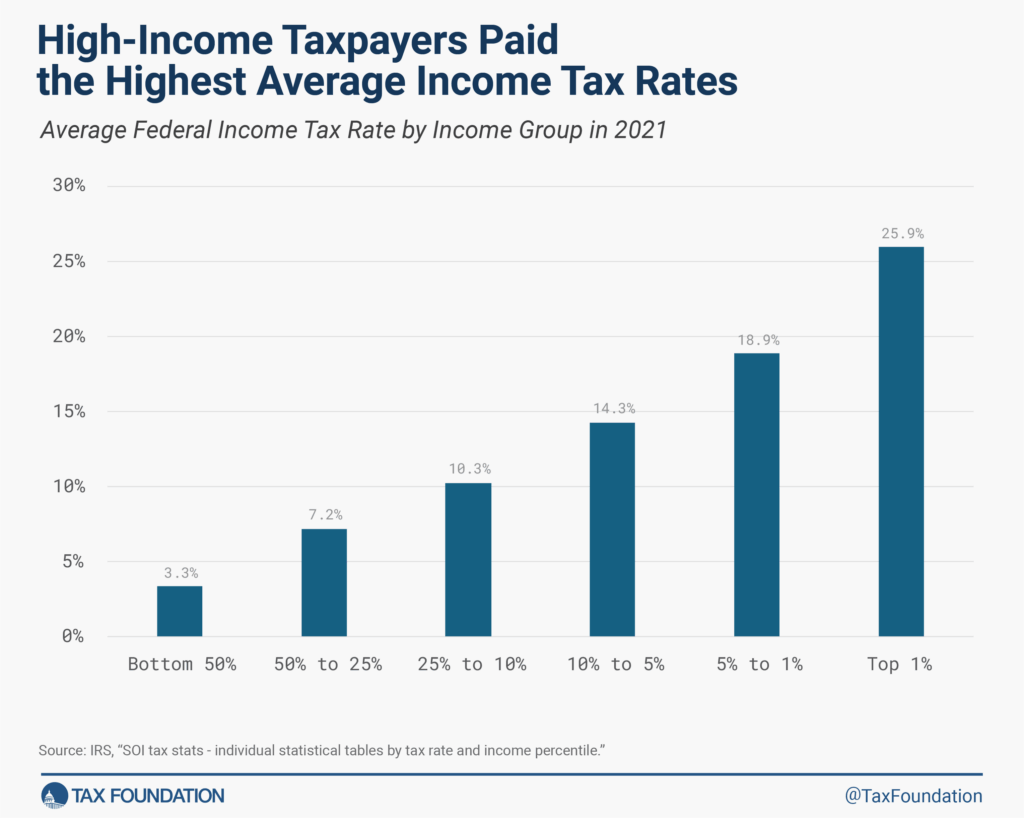
Higher taxes on high earners have become a contentious topic in Germany’s political landscape, with the SPD parliamentary group advocating for such reforms to address income inequality. This proposal, also addressing inheritance tax policies, aims to shift the burden of taxation more towards those who can afford it—specifically, high-income earners. In the ongoing discussions surrounding tax reform Germany, contrasting political opinions on taxes have emerged, particularly between the SPD and the Union parties. The debate has sparked significant public interest, as citizens evaluate the implications of these potential tax changes on the economy and social services. With experts weighing in, the push for higher taxation on wealth is expected to remain at the forefront of policy discussions in the coming months.
The concept of elevated taxation for affluent individuals is increasingly gaining traction among policymakers, with a focus on equity and fiscal responsibility. As discussions unfold regarding how to effectively implement these tax strategies, particularly through inheritance tax adjustments, the SPD parliamentary group is at the helm of advocacy. This movement highlights the broader economic strategy to ensure that those with greater financial resources contribute fairly to society’s welfare. Within the framework of tax reform initiatives in Germany, the inclusion of high-income earners in this fiscal structure aims to address pressing social challenges. While opinions vary widely, the conversation around higher taxes for the wealthy is expected to shape Germany’s economic policy for years to come.
Understanding Inheritance Tax Policies in Germany
Inheritance tax policies in Germany have long been a topic of heated debate, particularly in the context of increasing income inequality. The Social Democratic Party (SPD) parliamentary group is advocating for higher taxes on inheritances, which they argue will help bridge the wealth gap. These policies aim to redistribute wealth more equitably, allowing for greater investment in public services and infrastructure that benefit the entire population. Critics, however, argue that such policies could disincentivize savings and investments, creating a divide between the rich and the middle class.
Moreover, the discussion around inheritance tax overlaps significantly with the wider conversation on tax reform in Germany. As the SPD pushes for changes to these tax policies, economic experts stress the importance of balancing efficient revenue generation with the need for promoting economic growth. Adjusting inheritance taxes can play a critical role in tapping into untapped revenue, particularly from high-income earners who have accrued significant wealth over generations. This approach could provide the necessary funds for social welfare programs, education, and healthcare systems.
The Impact of Higher Taxes on High Earners
Higher taxes on high earners have been proposed as a strategy to generate additional revenues for government initiatives that aim to support the welfare state. The SPD parliamentary group strongly believes that taxing wealthier individuals at a higher rate can counterbalance the current reliance on consumption taxes that disproportionately affect lower-income households. Implementing such a measure is expected to not only diversify revenue sources but also curb excessive wealth accumulation by the richest segments of society, thereby promoting a fairer economic landscape.
However, this notion is met with resistance from certain political factions, particularly those aligned with the Union party, where differing opinions on taxation collide. Some factions claim that increasing taxes on high-income earners can lead to capital flight, where wealthy individuals move their assets elsewhere to avoid taxation. This debate highlights the complexity of tax reform in Germany, as balancing the need for increased taxes against the potential risks to economic growth remains a contentious issue.
Political Opinions on Taxes and Income Redistribution
Political opinions on taxes in Germany vary widely across party lines, reflecting deeply held beliefs about equity, responsibility, and economic growth. The SPD’s push for higher taxes, particularly on high-income earners and inheritances, signifies a shift towards a more progressive tax framework. Supporters argue that it’s a necessary measure to ensure that those who have benefited the most from the country’s economic system contribute fairly to the society they thrive in. This perspective aligns with global trends advocating for equity in taxation, as seen in varying approaches by countries worldwide.
On the other hand, other political parties emphasize the importance of maintaining low tax rates to foster entrepreneurship and stimulate economic growth. They contend that excessive taxation could hinder investment and discourage high earners from contributing to the economy. This divergence in political opinions illustrates the ongoing struggle within German politics regarding the optimal path forward for tax policy, especially in light of rising concerns over inequality and the sustainability of public finances.
The Role of the SPD Parliamentary Group in Tax Reform
The SPD parliamentary group’s call for tax reform demonstrates its commitment to addressing long-standing economic inequalities in Germany. By advocating for higher taxes on inheritances and high earners, the group seeks to implement policies that promote equitable wealth distribution. This reflects a broader agenda focused on enhancing social justice by ensuring that wealth generated through labor and inheritance contributes to the public good. The SPD’s proposals are not just about increasing revenue; they symbolize a fundamental shift in how the party views economic power and societal responsibility.
Additionally, the SPD’s strategic approach to tax reform is part of a larger political narrative aimed at aligning with younger voters who prioritize issues of social equity and environmental sustainability. As such, the SPD’s policies are likely to shape future political debates, where the balancing act between fiscal responsibility and social equity becomes increasingly pivotal. This divergence of views on taxation will likely catalyze meaningful discussions within the German parliament, as competing parties negotiate the way forward.
Challenges in Implementing New Tax Policies
Implementing new tax policies, particularly those proposed by the SPD parliamentary group, is fraught with challenges. Legislative changes require extensive negotiation and compromise among political parties, especially given the strong opposition from the Union party. The differing economic philosophies—conservative versus progressive—often create obstacles to achieving a consensus on tax reforms. Opponents of higher taxes fear pushback from constituents who may oppose changes that affect their livelihoods, creating a tense political climate.
Moreover, public opinion plays a significant role in shaping tax policy implementation. The SPD must navigate the prevailing attitudes towards taxation and ensure that any reforms are communicated effectively to the electorate. Misunderstandings about the nature of inheritance taxes or the implications for high-income earners can lead to political backlash. Hence, successful implementation hinges on building a robust coalition within the parliament and fostering public support for the reforms aimed at creating a fairer tax system.
The Future of Tax Reform in Germany
The future of tax reform in Germany looks increasingly dynamic, especially as discussions around higher taxes on high earners gain traction. As economic conditions change and social disparities become more pronounced, the SPD parliamentary group is positioning itself to be at the forefront of this discourse. The proposed measures may pave the way for larger structural changes in the tax system, prioritizing equity and sustainability as core principles driving future policies.
In anticipation of potential reforms, other political parties will likely reassess their positions, possibly leading to a reevaluation of tax strategies across the political spectrum. As debates unfold, the emphasis on comprehensive tax reform will not only address current inequalities but will also seek to establish a framework that can adapt to changing economic landscapes, making it crucial for policymakers to engage with all stakeholders to create effective and cohesive tax initiatives.
Examining the Economic Impact of Inheritance Taxes
Inheritance taxes will profoundly affect the German economy, influencing both wealth distribution and consumption patterns. The SPD parliamentary group’s willingness to push for higher rates on inheritances aims to utilize these funds for societal benefits, such as healthcare and education systems. By targeting high-income earners and their inherited wealth, there is a potential for significant shifts in how resources are allocated within the economy, leading to a more balanced approach to wealth equity.
However, economic analysts caution that implementing higher inheritance taxes could deter savings and investment behaviors among wealthy individuals. Understanding this nuanced relationship is critical for the SPD and broader policymakers who must consider how changes in tax policy can ripple through the economy, affecting everything from entrepreneurs to middle-class families. Addressing these concerns is essential for crafting policies that genuinely promote fairness without stifling economic dynamism.
Public Sentiment Around Tax Reforms in Germany
Public sentiment plays a crucial role in the feasibility and success of tax reforms in Germany. Many citizens express concern about fairness in the tax system, particularly regarding how high-income earners contribute to public initiatives. Support for higher taxes on inheritances and wealthy individuals is rising among the populace, who view these measures as necessary for ensuring that wealth is shared more equitably. This shift in public opinion could provide critical momentum for the SPD’s legislative agenda.
Despite the growing support for progressive tax policies, there remains a notable segment of the population wary of government overreach and high taxation. These individuals argue that lower taxes create a more favorable environment for entrepreneurship and job creation. Navigating these contrasting viewpoints will be essential for the SPD and other political factions as they seek to align their tax policies with public expectations while ensuring economic growth remains robust.
Taxation and Economic Equity: A Path Forward
The relationship between taxation and economic equity is a central theme in current discussions within Germany’s political landscape. Advocating for higher taxes on high earners and inheritances is part of a larger commitment to redefining economic fairness. The SPD parliamentary group’s initiatives reflect an acknowledgment of growing wealth disparities and a desire to implement strategies that promote social welfare and equity.
As discussions progress, it’s essential for policymakers to remain mindful of how tax reforms impact the broader economy. Creating a framework that encourages investment while ensuring that affluent individuals pay their fair share will be essential for achieving the SPD’s goals. This balance will help reinforce public trust in the government’s ability to manage taxes responsibly while promoting fairness and economic opportunity for all.
Frequently Asked Questions
What is the SPD parliamentary group proposing regarding higher taxes on high earners?
The SPD parliamentary group is advocating for higher taxes on high earners and reconsideration of inheritance tax policies to address income inequality and fund public services.
How could tax reform in Germany impact high-income earners?
Tax reform in Germany, particularly proposals for higher taxes on high earners, could result in increased tax rates for those with higher incomes, redistributing wealth and potentially funding social programs.
What are the political opinions on taxes for high-income earners in Germany?
Political opinions on taxes for high-income earners in Germany vary, with the SPD favoring higher taxes, while the Union parties oppose such measures, leading to significant legislative discourse.
Why are higher taxes on high earners a contentious issue in German politics?
Higher taxes on high earners spark conflict in German politics as they reflect differing ideologies on wealth distribution; the SPD pushes for equity through taxation, while the Union focuses on economic growth and low tax rates.
How do inheritance tax policies relate to higher taxes on high earners?
Inheritance tax policies are closely linked to discussions on higher taxes on high earners, as both aim to address wealth accumulation and promote a fairer tax system that reduces inequality.
| Key Point | Details |
|---|---|
| Proposal by SPD | Call for higher taxes on high earners and inheritances. |
| Reactions from Union | Peter Tiede states it is infeasible due to conflicting viewpoints with the Union. |
Summary
Higher taxes on high earners has become a heated topic in political discussions, particularly with the recent proposals from the SPD parliamentary group. The idea focuses on increasing tax rates for wealthier individuals and taxation on inheritances, aiming to address economic inequalities. However, this proposal faces significant opposition, particularly from the Union, who view it as a mismatch with their economic strategies. The dichotomy in perspectives presents a challenge in reaching a consensus on tax reforms.

