
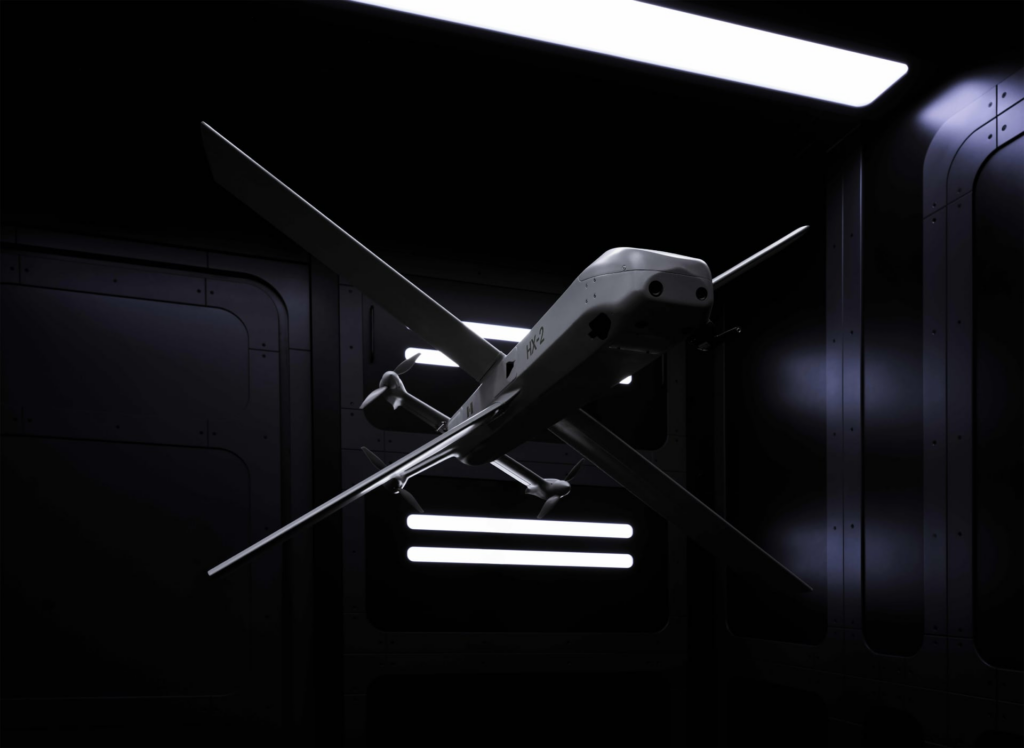
Helsing drones, developed by the innovative German company Helsing, have emerged as prominent players in the landscape of modern military technology. With a valuation soaring into the billion-dollar range, Helsing aims to revolutionize drone operational capabilities for military applications, particularly within the active combat zones of Ukraine. However, reports from the frontlines reveal a stark contrast to the company’s self-proclaimed prowess, highlighting significant shortcomings in their performance. While Ukrainian forces had high hopes for these military drones, operational challenges have left them grappling with realities that don’t align with the hype around German drone technology. As the situation unfolds, the effectiveness of Helsing’s offerings remains under rigorous scrutiny, prompting questions about their impact on military strategies and cooperative efforts in the region.
In the evolving field of aerospace technology, particularly concerning unmanned aerial vehicles, the Helsing Corporation is striving to establish itself as a European frontrunner. The company’s drones, touted for their military significance, were expected to provide substantial advantages to Ukrainian forces during the ongoing conflict. Nevertheless, insights from on-ground experiences indicate that the realities of these aerial solutions may not meet the anticipated outcomes, raising concerns about their reliability and operational efficacy. With the continued integration of such innovations into combat operations, understanding the intricacies and challenges of these aerial systems is crucial. As military operations rely increasingly on drone technology, the performance of these UAVs becomes a pivotal factor in shaping the future of warfare and international partnerships.
Helsing Drones: Promises vs. Performance
Helsing drones have been heralded as the forefront of German drone technology, with the company boasting a billion-dollar valuation. Despite their strong financial backing and ambitious marketing strategies, real-world applications in Ukraine reveal a disconnect between expectation and performance. Reports from the field have highlighted operational challenges that have hindered their effectiveness, leading to frustration among troops reliant on these military applications of drones. While Helsing positions itself as a leader in advanced drone technology, the conflicting reports on their actual performance suggest a need for a reevaluation of their operational capabilities.
The gap between Helsing’s self-representation and the experiences of the Ukrainian military presents significant questions about the reliability of these drones on the battlefield. Interviews with military representatives have shown a growing skepticism regarding the suitability of Helsing’s offerings to meet the urgent needs of soldiers. As Ukrainian forces seek to bolster their tactical capabilities, the limitations of these German drones could undermine their strategic advantages, calling into question the overall performance of Helsing in a critical military context.
The Role of Drones in the Ukraine Conflict
In the current conflict in Ukraine, military drones have emerged as a pivotal tool for tactical advantage. The integration of drone technology into warfare has transformed how military operations are conducted, with drones playing a crucial role in reconnaissance, target acquisition, and armament delivery. However, as the Ukrainian military has turned to advanced technologies, the shortcomings of specific drones, particularly those developed by companies like Helsing, have raised concerns. The high stakes of modern warfare amplify the operational challenges faced by these technologies, as soldiers in the field require highly dependable equipment that can adapt to the fast-paced nature of conflict.
Despite the promise of improved military applications through sophisticated drones, the reality is often fraught with technical difficulties. The operational challenges identified in the Ukrainian theater of war highlight the necessity for companies like Helsing to reassess their product relevance and reliability. Real-time intelligence and effective strike capabilities are paramount in such a volatile environment, and any delay or malfunction can lead to dire consequences. As the conflict continues, Ukraine’s military must navigate these challenges and consider alternative drone solutions if Helsing fails to address its operational shortcomings.
Challenges Faced by Helsing’s Drone Technology
Helsing’s drones, although promoted as cutting-edge advancements in German drone technology, confront a myriad of operational challenges that impact their effectiveness. Reports indicate that the technology may not deliver on the promised capabilities, raising questions about the design and functionality of these military assets. The initial excitement surrounding Helsing’s products is now marred by concerns about reliability and operational efficiency, especially in the high-stakes arena of military engagements in Ukraine.
Furthermore, the company’s leadership appears to be aware of these failures, as internal documents suggest a tendency to downplay the issues as mere technical difficulties rather than fundamental flaws. This approach could jeopardize the trust between Ukraine’s military and its Western suppliers. The challenges faced by Helsing’s drones not only affect immediate operational needs but could also impact future contracts and collaborations in defense, making it critical for the company to hone its focus on functionality and reliability.
Helsing’s Response to Criticism and Future Implications
As criticism mounts regarding the performance and reliability of Helsing’s drones, the company faces increasing pressure to respond effectively to the concerns raised by the Ukrainian military. Acknowledging the operational challenges and taking swift action to address them may help to restore faith in their products. However, the path forward is complicated as the stakes continue to rise with ongoing military demands. The ability to innovate based on user feedback will be crucial for Helsing’s reputation and future in the drone technology sector.
The implications of Helsing’s response to criticism extend beyond just one company’s reputation; they could impact the broader landscape of military partnerships between Ukraine and Western suppliers. If Helsing can successfully rectify its product deficiencies and address the operational challenges faced by its drones, it might rebuild trust and solidify its position within the European drone market. Alternatively, continued failures could lead Ukraine to seek alternatives, potentially stalling Helsing’s growth ambitions in the highly competitive arena of military applications of drones.
The Importance of Trust Between Military Partners
Trust is a vital component in the relationships between military partners, especially during conflicts where technology plays a crucial role. For the Ukrainian forces, reliance on advanced technologies such as drones supports strategic initiatives on the battlefield. However, lapses in quality and operational reliability from suppliers like Helsing can quickly erode this trust. Military decisions often hinge on the confidence that the equipment provided will perform as promised, and any disillusionment can lead to both operational setbacks and a reevaluation of partnership dynamics.
Building and maintaining trust requires transparency about the capabilities and limitations of military technologies. Helsing’s internal communications, which reportedly acknowledge existing drone deficiencies while minimizing their impact, highlight the complexities of managing expectations. A transparent approach to addressing operational challenges could potentially strengthen ties by demonstrating a commitment to resolving issues collaboratively. Conversely, failure to establish open dialogue about these challenges may result in long-term implications for the trust and cooperation between the Ukrainian military and its Western allies.
Evaluating the Performance of German Drone Technology
As the conflict in Ukraine unfolds, a critical evaluation of German drone technology, particularly that of Helsing, becomes essential for both military effectiveness and strategic planning. Reports of underwhelming performance underline the importance of rigorous testing and real-world assessments in the development process. Understanding how these drones perform in actual combat scenarios can inform military strategy and procurement decisions moving forward.
An in-depth analysis of the operational capabilities of Helsing drones reveals the need for ongoing innovation in drone technology tailored to meet the unique demands of contemporary warfare. German drone technology must not only focus on advanced capabilities but also prioritize reliability and adaptability in the field. Without addressing these fundamental aspects, suppliers risk diminishing their strategic value and support in military applications, leading to a potential decline in investment interest and operational collaborations.
Drones in Modern Warfare and Their Operational Challenges
Modern warfare has seen a revolutionary change with the introduction of drones, fundamentally altering strategic operations. These aircraft provide unprecedented surveillance, targeting, and logistical support, yet the complexities of their deployment in a fast-paced combat environment present several operational challenges. For Helsing drones, the lessons learned from battlefield inadequacies could inform future developments in drone technology, ensuring that they meet the rigorous demands of military engagements.
Despite their potential advantages, operational challenges often hinder the effectiveness of drones in military applications. Factors such as communication breakdowns, technical failures, and adaptability to rapidly changing scenarios can significantly limit their impact. Addressing these challenges through improved design, real-time data integration, and robust support systems will be crucial for the successful implementation of drones in modern military strategies, particularly for companies like Helsing that wish to maintain relevance in the competitive drone technology market.
The Future of Drone Technology in Military Applications
The future of drone technology in military applications holds immense potential, especially as countries continue to innovate and integrate these tools into their defense strategies. For Helsing, establishing a clear advantage in this field requires not only addressing the operational challenges currently faced but also adapting to the evolving nature of warfare. Developing drones that can perform consistently under various conditions will be key to remaining competitive and relevant.
As the landscape of military technology evolves, companies like Helsing must anticipate future technological trends and invest in research and development that aligns with emerging needs. This proactive approach will not only enhance the performance of their drones but also ensure that they continue to meet the high expectations of military partners. Looking ahead, the focus should remain on creating reliable, robust, and cutting-edge drone solutions that can effectively support the operational success of military forces on the ground.
Frequently Asked Questions
What are Helsing drones and how are they utilized in military applications?
Helsing drones, developed by the German company Helsing, are advanced unmanned aerial vehicles designed primarily for military applications. Since their deployment in Ukraine in 2025, they have been integrated into various military strategies, aiming to enhance operational capabilities on the battlefield.
What challenges are associated with the operational effectiveness of Helsing drones in Ukraine?
Despite their innovative design, Helsing drones have faced several operational challenges in Ukraine. Reports highlight that they fall short of expected performance levels, leading to frustration among Ukrainian military forces that had high hopes for this German drone technology.
How does the performance of Helsing drones compare with other military drone technologies?
While Helsing positions itself as a leader in drone technology, feedback from Ukraine indicates significant performance gaps compared to other military drone technologies. Issues such as reliability and operational efficacy have raised concerns about the effectiveness of these German drones in realistic combat scenarios.
What implications does the performance of Helsing drones have for the company’s reputation?
The ongoing criticism regarding the performance of Helsing drones could have severe implications for the company’s reputation. As internal communications reveal an awareness of these shortcomings, the disparity between the promoted image and actual performance may affect trust levels among potential clients and partners.
How is the Ukrainian military responding to the challenges posed by Helsing drones?
Given the operational challenges faced by Helsing drones in Ukraine, the military is now exploring alternative solutions. The disappointment with the capabilities of these German drones may drive the Ukrainian forces to seek more reliable and effective drone technology to support their operations.
What are the expected advancements in Helsing drone technology to regain trust from military clients?
To regain trust among military clients, Helsing must address the operational challenges faced by its drones. Significant advancements in reliability, performance, and support could be essential for enhancing the effectiveness of their products and rebuilding the confidence of partners like the Ukrainian military.
What financial implications might Helsing face due to criticism of its drones?
Helsing’s billion-dollar valuation could be at risk if the company fails to adequately address the criticism regarding the performance of its drones. Lack of trust from military clients may not only impact current contracts but could also reduce future investment opportunities, hindering growth.
How does internal communication at Helsing impact the perception of its drones?
Internal communication at Helsing indicates that leadership is aware of the operational issues affecting their drones. However, often dismissing these as mere technical challenges can undermine the company’s credibility and confidence in its products among military stakeholders.
| Key Points |
|---|
| Helsing is a German drone company with a billion-dollar valuation, branding itself as a European drone giant. |
| The company’s drones began operations in Ukraine in 2025, but internal documents reveal discrepancies in their effectiveness. |
| Helsing claims leadership in drone technology for military applications, while reports indicate performance does not meet expectations in Ukraine. |
| The Ukrainian military has high hopes for drones, but operational challenges persist with German drones failing to deliver as promised. |
| Concerns over the quality and reliability of the drones have been raised by Ukrainian military representatives and internal company communications. |
| Company leadership is aware of the shortcomings but tends to downplay them to maintain economic success and image. |
| Disappointment in drone performance could affect trust between Ukrainian forces and their Western partners, necessitating exploration of alternative solutions. |
Summary
Helsing drones have drawn significant attention as a prominent player in military drone technology; however, ongoing scrutiny highlights concerns regarding their effectiveness in real-world operations. The discrepancy between expectations and actual performance in Ukraine serves as a reminder that even leading companies must continually validate their capabilities. With trust at stake, it is crucial for Helsing to address these operational challenges swiftly to maintain its reputation and support in defense applications.

