
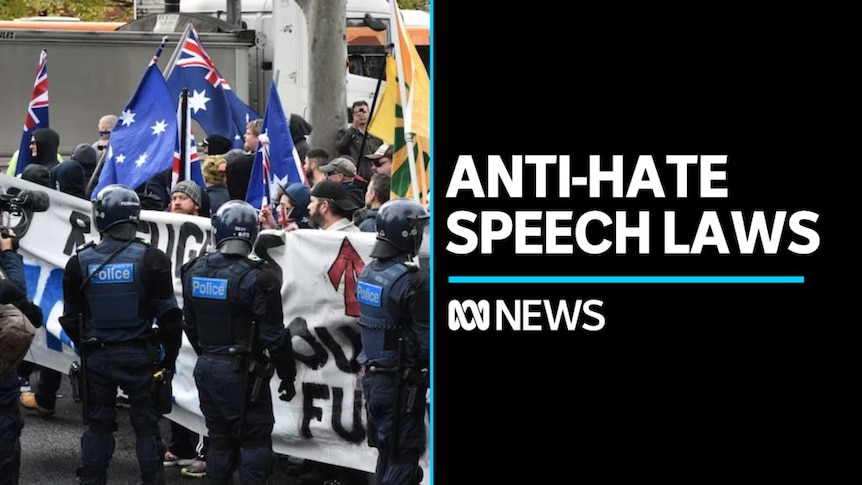
Hate speech laws in Australia are undergoing significant scrutiny in light of rising extremist sentiments and the threat they pose to social cohesion. Following a tragic terrorist attack at Bondi Beach, Australian authorities have moved to tighten regulations on harmful speech, recognizing the internet as a key channel for extremist propaganda. Security expert Hans-Jakob Schindler highlights the urgency of this response, arguing that proactive internet security measures and social media regulation are essential to combat hate speech and prevent further violence. He advocates for increased investments in online deradicalization strategies, emphasizing that merely reacting to incidents is insufficient. As Australia enhances its terrorism response, these laws aim to create a safer environment, addressing the influence of hate speech in a digital landscape that is continually evolving.
In an era where digital communication shapes public opinion and social discourse, laws aimed at curbing abusive rhetoric in Australia are more relevant than ever. The tragic events at Bondi Beach have ignited a national conversation about how to regulate online hate speech effectively. Experts are calling for a more robust approach to address extremist ideologies proliferating through social media platforms and the internet at large. By strategizing on internet safety and maintaining a comprehensive framework for dialogue, authorities can strive to dismantle the propagation of extremist propaganda while fostering a healthier online community. As Australia navigates these challenges, the importance of legislative measures against harmful speech becomes paramount in safeguarding societal values.
The Importance of Hate Speech Laws in Australia
In the aftermath of the Bondi Beach terrorist attack, Australia is taking significant steps to tighten hate speech laws. Such legislation is crucial in addressing the rise of extremist ideologies that can lead to violence and terrorism. By clearly defining hate speech and imposing penalties for its propagation, Australia aims to create a safer digital environment where extremist propaganda can be curtailed. This legal framework serves as a deterrent to hate-driven actions and paves the way for a more inclusive society.
Hate speech laws in Australia not only focus on punishing offenders but also on educating the public about the dangers of such content. It is essential for communities to understand how hate speech can fuel radicalization and lead to viewing marginalized groups as threats. By promoting awareness around these laws, Australia hopes to foster dialogue that can counter extremist narratives. Furthermore, these laws support international commitments to human rights, aligning Australia with global standards in combating terrorism and hate.
Australia’s Comprehensive Terrorism Response Strategy
Following the Bondi Beach attack, Australia’s terrorism response strategy has become more comprehensive and multifaceted. This approach includes enhancing internet security measures that can detect and prevent the spread of extremist content online. The government recognizes that the digital landscape has become a breeding ground for radicalization, necessitating stronger oversight and proactive responses against threats. With these measures, Australia aims to mitigate the risks posed by homegrown terrorism.
Moreover, effective terrorism response is dependent on collaboration between various sectors, including law enforcement, cybersecurity experts, and social media platforms. By working together, these entities can implement advanced algorithms and monitoring systems that filter extremist propaganda from online spaces. This collaborative strategy also encourages the adoption of best practices in online deradicalization, ensuring that vulnerable individuals receive appropriate support and guidance away from extremist influences.
Online Deradicalization Efforts in Australia
Online deradicalization is emerging as a critical component of Australia’s counter-terrorism initiatives. Experts like Hans-Jakob Schindler advocate for investment in programs specifically designed to counteract extremist narratives online. These programs aim not only to deradicalize individuals but also to prevent the recruitment of new followers by fostering critical thinking and resilience against extremist ideology. By leveraging technology and social media, Australia can reach individuals before they become entrenched in radical beliefs.
Furthermore, online deradicalization involves creating positive content that counters extremist messages. Initiatives that promote inclusivity and community engagement can effectively diminish the appeal of extremist propaganda. This shift in focus from reactive to proactive measures is vital for not only addressing current threats but also for prevention. By acknowledging the influential role of social media, Australia can implement strategic communication efforts that unite communities and discredit hateful messages.
Combating Extremist Propaganda on Social Media
The proliferation of extremist propaganda on social media platforms poses significant challenges to public safety in Australia. As highlighted by security experts, the internet acts as a megaphone for terrorists, amplifying hateful ideologies and misinformation. In response, Australia is exploring regulations that hold social media companies accountable for the content shared on their platforms. By enforcing stricter guidelines, platforms can be incentivized to monitor and remove extremist content diligently.
Additionally, educating users about the signs of extremist propaganda is essential for building resilience against radicalization. Social media literacy programs can empower individuals to critically assess the information they encounter online and reject extremist narratives. As these educational efforts take shape, collaboration between governments and social media companies can facilitate the creation of safer online environments, ultimately reducing the incidence of violence rooted in hate.
The Role of Internet Security Measures Against Terrorism
Internet security measures are integral to Australia’s strategy against terrorism, particularly in light of the Bondi Beach attack. By strengthening cybersecurity protocols, government agencies can better protect critical infrastructure and online platforms from being exploited by extremist groups. Enhanced security measures, including advanced encryption technologies and threat detection systems, can identify and neutralize online risks associated with terrorism before they escalate.
Moreover, incorporating cyber hygiene practices into everyday online interactions can equip citizens against potential threats. By raising awareness about secure browsing habits and suspicious activities, Australians can play an active role in fortifying the digital landscape. The collective effort to implement robust internet security measures not only safeguards individuals but also contributes to the broader goal of eradicating extremist influences from social channels.
Social Media Regulation as a Counter-Terrorism Tool
Social media regulation has become a controversial yet necessary tool in Australia’s fight against terrorism. By imposing standards on how platforms manage and remove extremist content, the government can ensure that these companies actively participate in counter-terrorism efforts. This regulatory framework aims to prevent social media from becoming a breeding ground for violent ideologies while allowing healthy discourse to flourish.
As part of the social media regulation process, Australia is considering penalties for non-compliance by platforms that fail to act against hate speech and extremist propaganda effectively. Such regulatory measures may encourage innovative approaches within the tech industry to develop tools capable of identifying and mitigating the spread of harmful content. As a result, these efforts not only aim to protect the public but also to bolster the responsibility of social media organizations in maintaining a secure digital ecosystem.
Building Community Resilience Against Radicalization
Community resilience plays a fundamental role in combating radicalization in Australia. Following the recent terrorist incidents, initiatives that promote social cohesion and understanding among diverse groups can diminish the influence of extremist narratives. Community programs that foster dialogue, promote shared values, and celebrate cultural diversity can serve as powerful buffers against radicalization, encouraging individuals to reject divisive ideologies.
Additionally, equipping communities with resources to identify signs of radicalization is vital. Training community leaders and local organizations to recognize and respond to early warning signs can facilitate early intervention measures. By empowering grassroots efforts, Australia can build a robust front against extremist infiltration, relying on collective strength to combat hate and terrorism at the source.
The Global Perspective on Hate Speech and Terrorism
Hate speech and terrorism are issues that transcend borders, prompting Australia to align its legal frameworks with international standards to combat these global threats. By adopting best practices from other nations, Australia can enhance its approach to dealing with hate and extremism. The global perspective enriches the dialogue around effective counter-terrorism strategies, particularly concerning the balance between freedom of speech and public safety.
International collaboration in intelligence-sharing and joint counter-radicalization initiatives can significantly bolster Australia’s efforts in this domain. By learning from the experiences of other countries, Australia can improve its online deradicalization programs and strengthen social media regulation efforts. This global network of cooperation fosters a shared responsibility in tackling hate speech and dismantling the radicalization pathways that lead to terrorism.
The Future of Anti-Terrorism Laws in Australia
As Australia confronts new threats in the digital age, the future of anti-terrorism laws will likely evolve to address emerging challenges. The integration of technology in law enforcement, particularly around monitoring online platforms for hate speech and extremist content, will play a key role in shaping future legislation. Flexibility and adaptability in legal frameworks will be essential to keep pace with the dynamic nature of terrorism and the methods used by extremists.
Moreover, the balance between civil liberties and national security will remain a contentious issue as Australia forges ahead. Debates surrounding police powers and the treatment of free speech will influence the development of anti-terrorism laws. Stakeholder engagement—including community advocacy groups, legal experts, and civil rights organizations—will be crucial in crafting policies that are effective while respecting fundamental rights.
Frequently Asked Questions
What are hate speech laws in Australia and how do they relate to online deradicalization?
Hate speech laws in Australia are legal frameworks designed to prohibit speech that incites violence or hatred against particular groups based on attributes such as race, religion, or sexual orientation. These laws are increasingly relevant in the context of online deradicalization, as they address extremist propaganda that may proliferate on the internet and social media platforms. By implementing stricter regulations on hate speech, Australia aims to combat online extremism and promote a safer, more inclusive digital environment.
How has Australia tightened hate speech laws in response to recent terrorism incidents?
In response to recent terrorism incidents, including attacks at Bondi Beach, Australia has intensified its approach to hate speech laws. This includes potential new legislation that targets online hate speech more rigorously and encourages social media regulation to limit the spread of extremist propaganda. The goal is to enhance internet security measures by holding platforms accountable for the content hosted on their sites, thereby reducing the risk of inciting further violence.
What role do social media regulations play in preventing hate speech and extremist propaganda in Australia?
Social media regulations play a crucial role in preventing hate speech and extremist propaganda in Australia. By enforcing stricter content guidelines and requiring platforms to monitor and remove harmful material, the government aims to mitigate the impact of such speech on vulnerable populations. These measures are part of a broader strategy that includes online deradicalization efforts, where social media can serve both as a platform for radicalization and a space for counter-narratives.
Can hate speech laws in Australia curb extremist propaganda effectively?
Hate speech laws in Australia, when combined with proactive enforcement and educational initiatives, can effectively curb extremist propaganda. By defining and penalizing hate speech, the laws help to create a deterrent effect on individuals who may wish to spread harmful ideologies. Additionally, the push for online deradicalization highlights the importance of countering extremist narratives with positive messaging, further strengthening the impact of these laws.
What measures are being taken to enhance internet security against hate speech in Australia?
To enhance internet security against hate speech, Australia is implementing a multi-faceted approach that includes stricter hate speech laws, increased surveillance of online platforms, and promoting online deradicalization programs. This comprehensive strategy ensures that social media companies are held responsible for the content they host, while also investing in initiatives that aim to rehabilitate potential extremists and challenge extremist propaganda effectively.
| Key Points | |
|---|---|
| Australia’s Response | Tightening of hate speech laws following the Bondi Beach terrorist attack. |
| Expert Opinion | Security expert Hans-Jakob Schindler emphasizes the role of the internet as a main propaganda tool for terrorists. |
| Call to Action | Schindler calls for more proactive measures from social platforms to combat hate speech online. |
| Investment in Online Safety | There is a need for significant investment in online deradicalization initiatives. |
| Need for Faster Actions | The internet is too vast for reactive measures alone; quick and effective actions are required to reduce extremist content. |
Summary
Hate speech laws Australia are becoming increasingly stringent as a response to terrorist threats, exemplified by actions following the Bondi Beach attack. This move highlights the urgency in addressing the role of the internet as a catalyst for extremist propaganda. Security experts like Hans-Jakob Schindler advocate for more than just legal measures; they call for a broader approach involving social platforms and investments in proactive deradicalization efforts. The need for comprehensive strategies that address online hate speech is imperative to ensure community safety and mitigate the influence of radical ideologies.

