
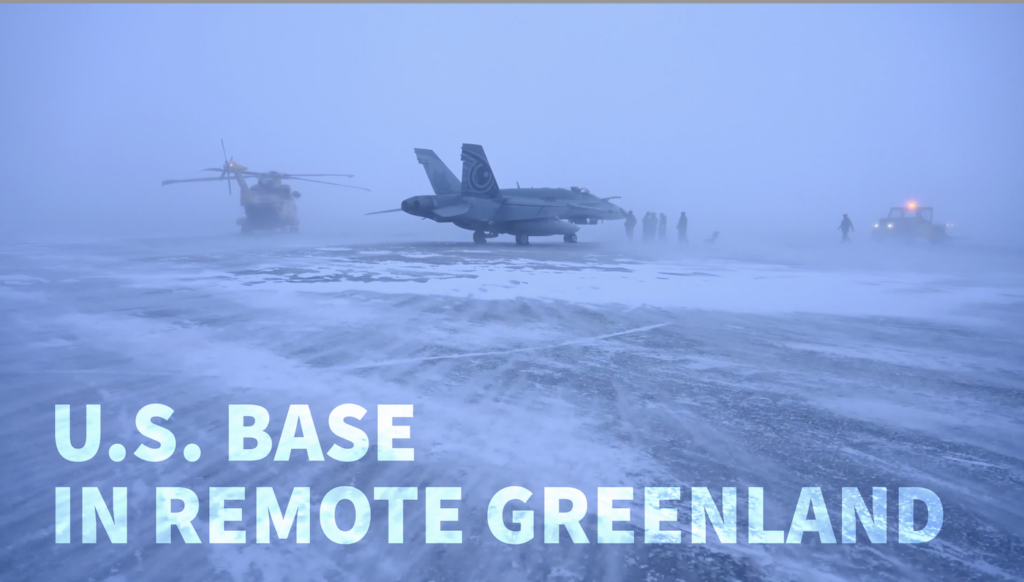
Tensions between the US and Greenland have escalated recently, sparked by a controversial social media post from the wife of a Trump advisor that featured a map of Greenland adorned in the colors of the American flag. This incident has raised eyebrows in both Greenland and Denmark, leading to widespread confusion and discontent. The geopolitical dynamics are shifting as discussions about Greenland’s autonomy and the island’s abundant resources come to the forefront, especially following the US attack on Venezuela. Relationships between Denmark and the US have also been strained, given the implications of such territorial claims and the potential for military overreach. The unfolding situation encapsulates a complex interplay between national pride, international diplomacy, and the ever-volatile landscape of Arctic relations.
The evolving relationship between the United States and Greenland has been marked by increasing unease, particularly in light of recent provocative narratives surrounding the island’s status. As the Trump administration’s rhetoric about Greenland has reignited discussions regarding Denmark’s influence and the island’s sovereignty, the implications for Greenland’s governance and resources are immense. In the context of Arctic geopolitics, the notion of a potential annexation or control raises critical questions about local autonomy and international alliances. This rising friction comes amid broader trends in US-Latin American relations and, more specifically, geopolitical tensions that have implications for all Arctic stakeholders. Such developments underscore the delicate balance of power and respect for territorial integrity in a region increasingly coveted for its strategic resources.
Tensions Between the US and Greenland: Understanding the Outrage
The recent post by Katie Miller, showcasing a map of Greenland styled like the US flag, has ignited serious tensions not only in Greenland but also within Denmark. The post came shortly after a controversial military action by the US against Venezuela, leading to immediate concerns about American expansionist tendencies. Greenland’s Prime Minister, Jens-Frederik Nielsen, expressed his outrage over the perceived disrespect and emphasized that Greenland is not for sale. This incident reflects ongoing tensions surrounding Greenland’s autonomy and its relationship with Denmark, particularly how the US perceives its strategic importance in the Arctic.
In response to the social media uproar, Danish officials reiterated their commitment to protecting Greenland’s territorial integrity. The US has had a long-standing military interest in Greenland, particularly through its association with NATO, but this incident highlights the delicate balance that Greenland must navigate between maintaining its autonomy and managing foreign interests. The tensions surrounding the US involvement in Greenland emphasize the need for mutual respect between allies and the importance of recognizing local governance.
The Role of Greenland in US Foreign Policy
Greenland’s role in US foreign policy has evolved significantly, especially in light of President Trump’s repeated interest in the territory. His comments about acquiring Greenland, including references to its strategic military and resource potentials, reflect a broader narrative of American assertiveness in global affairs. The apprehension regarding Trump’s intentions raises questions about the nature of Denmark-US relations, particularly as Denmark values its sovereignty over its territories and the autonomy granted to Greenland.
Amidst these discussions, Greenland’s abundant natural resources, including rare minerals and potential oil reserves, present immense interest for both the US and other global powers like China and Russia. Understanding the geopolitical implications of such resources is crucial; however, it also intensifies concerns about the exploitation of Greenland without proper negotiation or acknowledgment of its self-governance. As sentiments about autonomy rise, Greenland’s leaders will need to navigate the pressures from larger nations while striving to protect their land and people.
Denmark’s Diplomatic Maneuvering in Response to Tensions
The diplomatic relationship between Denmark and the United States is currently under scrutiny, especially with the recent developments related to Greenland. Denmark’s swift response, summoning the US ambassador and asserting its position on territorial integrity, indicates the seriousness with which they view potential threats to their autonomy. This diplomatic strain reflects the complex realities Denmark faces in maintaining a robust alliance with the US while asserting its sovereignty over Greenland.
Denmark’s diplomatic maneuvering also highlights its role as a mediator in the Arctic region, where global interests are intensifying. Ensuring the preservation of Greenland’s autonomy and addressing the concerns surrounding US military presence are crucial for Denmark. As geopolitics evolve, Denmark will need to ensure that its commitment to safeguarding Greenland’s interests remains strong, all while balancing its relationships with superpowers vying for strategic advantages in the Arctic.
Greenland’s Autonomy and its Implications
Greenland operates under a unique status within the Kingdom of Denmark, exhibiting a degree of autonomy while still being subject to Danish governance. This status has allowed Greenland to manage its internal affairs more effectively and focus on cultural and economic development. However, as recent events demonstrate, external pressures, particularly from the US, can threaten this delicate balance. The discussions surrounding Greenland’s autonomy are crucial as they shape the island’s future in the face of foreign interests.
The desire for greater autonomy from Denmark is rooted in historical grievances and a push for self-determination. Greenland’s movements towards self-governance and independence would allow for better control over its vast resources. However, with global powers zeroing in on Greenland’s strategic location and resources, moving towards increased autonomy will require careful navigation of international politics. Enhancing local governance structures while managing foreign interests is vital for Greenland’s long-term stability.
The Impact of Climate Change on Greenland’s Geopolitical Importance
Climate change is reshaping the Arctic regions fundamentally, revealing new shipping routes and access to previously unreachable resources in Greenland. As the ice melts, valuable resources become accessible, invigorating interest from global powers seeking to exploit these resources for their benefit. Consequently, Greenland’s geopolitical significance is poised to increase in the coming years. Understanding this transformation is vital for both local officials and international stakeholders who might be involved in Greenland’s future.
Moreover, the implications of climate-induced changes extend beyond resource extraction. The changing landscape is also prompting discussions about environmental stewardship and the responsibilities of both Greenlandic and foreign entities. Balancing resource development while ensuring environmental protection is essential for Greenland as it navigates its relationships with the US and other nations. Increasing global scrutiny of Arctic policies combined with the call for sustainable practices will add complexity to Greenland’s geopolitical landscape.
Greenland’s Resources: A Global Focus
Greenland is abundant in untapped resources, including minerals, oil, and gas, all of which are becoming more attractive to foreign nations, particularly as technology advances and demand increases. The US has shown a keen interest in these resources, reinforcing the necessity for Greenland to carefully manage its natural wealth while considering international partnerships. As countries like China and Russia also eye these resources, Greenland must navigate a challenging landscape of competing interests.
With the international spotlight on Greenland’s geological potential, it is crucial for local leaders to emphasize sustainable development practices. Extracting natural resources should align with the aspirations of Greenland’s people, ensuring that economic opportunities arise from these activities. Implementing frameworks that prioritize both local benefits and environmental sustainability will be key as Greenland negotiates its place in the global economy.
Exploring Trump’s Legacy and Its Effects on Greenland
President Trump’s administration has left a lasting impact on US foreign policy, particularly concerning Greenland. His open advocacy for the potential purchase of Greenland raised eyebrows globally and shifted discussions about American interests in the Arctic. Trump’s unpredictable approach has also heightened tensions in international relations, making it crucial for Denmark and Greenland to reassess their positions within the context of US policies.
Reflecting on Trump’s actions and rhetoric, Greenland has been compelled to articulate its voice more assertively on the global stage. This includes reinforcing their rights to self-governance and independence. The legacy of Trump’s interest in Greenland may ultimately push the island’s leaders to define what autonomy means in practice and how they will negotiate their future amidst external pressures.
A Historical Perspective on Greenland and US Relations
The relationship between Greenland and the United States has deep historical roots, dating back to World War II when the US established military bases on the island to counter potential threats from the Axis powers. This historical backdrop has laid the framework for ongoing military and economic interests in Greenland, central to the US’s strategic considerations in the Arctic region. Understanding this history is essential in contextualizing current discussions about Greenland’s sovereignty and the modern implications of foreign interest.
As global dynamics shift, the historical ties between Greenland and the US can serve as both a foundation and a point of contention. The legacy of military alliances alongside growing calls for autonomy reflects a complex narrative that is not merely about resources but about identity and governance. Looking ahead, enhancing historical understanding will be crucial for ensuring respectful and equitable relations between the US and Greenland.
Navigating Future Challenges: Greenland’s Path Forward
As Greenland faces an uncertain geopolitical future, it must navigate a complex web of relations with both Denmark and the United States. The challenges posed by foreign interests seeking to exploit its resources compel Greenlandic leaders to prioritize their people’s rights and their environment in decision-making processes. Striking a balance between economic development and preservation of cultural identity will be vital as outsiders look toward the island for resources.
To forge a sustainable path forward, Greenland can look to strengthen international partnerships based on mutual respect and support. Engaging in dialogues that prioritize local governance, environmental sustainability, and cultural preservation will help solidify Greenland’s position on the world stage. As the global focus on the Arctic intensifies, Greenland’s leaders must advocate for frameworks that prioritize their autonomy while addressing international concerns.
Frequently Asked Questions
What sparked the recent tensions between the US and Greenland?
The recent tensions between the US and Greenland were sparked by a social media post from Katie Miller, wife of Trump advisor Stephen Miller, which featured a map of Greenland in US flag colors with the caption “SOON”. This was perceived as a disrespectful indication of US intentions towards Greenland amidst the backdrop of US military actions in Venezuela.
How did Greenland’s government respond to the US social media post?
Greenland’s Prime Minister Jens-Frederik Nielsen described the map shared by the Trump advisor’s wife as disrespectful and reiterated that Greenland is not for sale, emphasizing the island’s autonomy and that its future will not be determined by social media provocations.
What role does Greenland’s autonomy play in US-Denmark relations?
Greenland’s autonomy is a significant aspect of US-Denmark relations as the island is part of the Kingdom of Denmark but operates largely independently. Any moves by the US regarding Greenland must be carefully navigated to respect its autonomy and Denmark’s territorial integrity.
Why did President Trump show interest in Greenland?
President Trump’s interest in Greenland is primarily driven by the island’s strategic geolocation and its rich untapped natural resources, coupled with security concerns about regional powers like Russia and China, who are also increasing their influence in the Arctic.
What implications does the current US geopolitical strategy have on Greenland?
The US’s geopolitical strategy, especially following tensions related to the attack on Venezuela, could have implications on Greenland as the US seeks to assert its interests in the Arctic. This raises concerns about respect for Greenland’s autonomy and the potential for increased military presence in the area.
How does Denmark view the US’s interest in Greenland?
Denmark views the US’s interest in Greenland with caution, emphasizing the need for respect towards the nation’s territorial integrity. The Danish ambassador to the US has reaffirmed the close alliance between the two nations while insisting on the autonomy of Greenland.
What resources in Greenland are of interest to the United States?
Greenland is home to valuable resources, such as rare earth minerals and other minerals, which have become increasingly attractive as global demand grows. As climate change opens new shipping routes, these resources have garnered increased attention from the US, China, and Russia.
What are the consequences of Trump’s repeated takeover threats regarding Greenland?
Trump’s repeated threats to take over Greenland have escalated tensions with both Greenland and Denmark, leading to political outrage and a diplomatic response. Such rhetoric undermines the long-standing alliances and may prompt Greenland to seek stronger assurances of its autonomy and respect from its allies.
| Key Points | Details |
|---|---|
| US Social Media Post | Katie Miller’s post featuring Greenland in US flag colors sparked outrage in Greenland and Denmark. |
| Reactions from Greenland and Denmark | Prime Minister Jens-Frederik Nielsen called the post disrespectful, affirming Greenland’s autonomy and territorial integrity. |
| Danish Ambassador’s Statement | Ambassador Jesper Møller Sørensen emphasized respect for Denmark’s territorial integrity and reinforced the US-Denmark alliance. |
| Trump’s Takeover Threats | Repeated threats to take over Greenland, citing security concerns and strategic interests in the Arctic. |
| Geostrategic Interests | Valuable resources and new shipping routes due to climate change have increased global interest in Greenland. |
Summary
Greenland US tensions have significantly escalated following a controversial social media post by a senior advisor’s wife that depicted Greenland in US colors, igniting responses from Greenlandic and Danish officials. With repeated threats from President Trump regarding potential US control over Greenland, underscored by claims of national security interests, the relationship between these nations is becoming increasingly strained. The underlying geopolitical factors involving valuable resources and changing Arctic dynamics only deepen this complex situation.

