
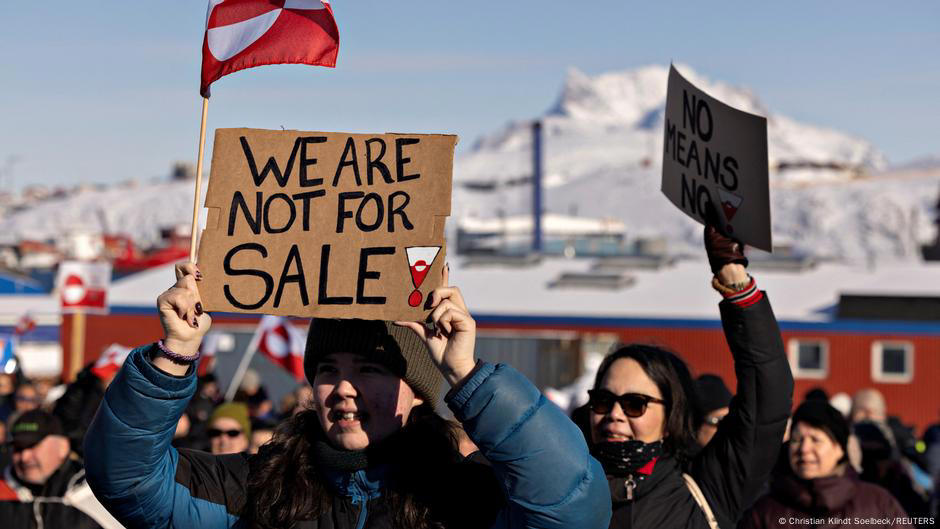
The prospect of a Greenland Trump takeover has been a contentious topic that has stirred strong sentiments among Greenland’s leaders. With escalating discussions about U.S. military strategy in the Arctic, President Trump’s infamous interest in acquiring the resource-rich island has caught the attention of both local and global audiences. Greenland’s political leaders have firmly opposed these takeover plans, asserting their desire for independence and self-determination. They emphasize that the future of their land lies solely in the hands of its people, resisting any form of external control, particularly from the United States. Amidst these tensions, the assertive claims have served to heighten the complexities in U.S.-Greenland relations, highlighting the island’s strategic importance in the geopolitical landscape of the Arctic region.
The recent discussions surrounding Trump’s ambitions regarding Greenland have tapped into deeper narratives of autonomy and nationalism. As the discourse of ownership and territorial claims unfolds, the reactions from Greenland’s political spectrum reveal a united front against losing cultural identity or sovereignty. The leaders of various Greenlandic political parties have articulated a desire for the island to remain self-governing, free of external pressures from powerful nations like the U.S. or Denmark. With the Arctic becoming a focal point for military and economic interests, this situation underscores Greenland’s crucial role in global affairs, making the response to Trump’s plans a pivotal moment in the island’s quest for complete self-determination.
Greenland’s Leaders Firmly Reject Trump’s Plans for Takeover
The recent joint declaration from the leaders of Greenland’s five governing parties marks a significant moment in the ongoing dialogue about Greenland’s future. This unified response to US President Donald Trump’s repeated takeover proposals underscores the fervent desire among Greenlanders to retain their autonomy and identity. Party leaders emphasized their aspiration to remain as Greenlanders rather than fall under the influence of the US or Denmark. This sentiment is rooted deeply in the growing movement for Greenlandic independence, which seeks to assert the rights and voices of its people in determining their own political and economic fate.
As geopolitical tensions rise, especially concerning Arctic military strategy, the need for Denmark and the international community to respect Greenland’s stance becomes increasingly crucial. Greenland’s leaders have articulated their rejection of outside interference, which is paramount for maintaining both their sovereignty and their cultural identity. Their demand for the US to halt its dismissive attitude reflects a broader frustration with how larger nations handle the aspirations of smaller territories in geopolitics. This rejection is a clarion call for a more nuanced approach to US-Greenland relations that prioritizes dialogue and mutual respect.
The Geopolitical Significance of Greenland in US-China Relations
Trump’s assertions about Greenland are deeply intertwined with the broader context of US-China relations, particularly concerning Arctic sovereignty. The US President has framed Greenland’s strategic location as a bulwark against growing Chinese and Russian military presence in the Arctic. As these nations ramp up their activities in the region, the United States perceives a direct threat to its interests, leading to Trump’s expressed willingness to explore aggressive measures to secure Greenland’s future. However, this approach could easily escalate tensions rather than lead to productive partnerships as experts warn against the potential fallout of militarizing Arctic affairs.
This growing interest in Arctic resources and trade routes emphasizes the need for clarity and cooperation in international relations involving Greenland. The fear of competitor nations, such as China and Russia, influencing the region calls for a robust diplomatic strategy rather than unilateral actions like those proposed by the Trump administration. The need for transparency and the involvement of Greenlandic leaders in discussions relating to the future of their territory highlights the importance of local governance in global geopolitical strategies. This diplomatic engagement could pave the way for a more stable and peaceful Arctic region.
Greenland’s Desire for Independence Amidst Economic Interests
While the topic of Trump’s Greenland takeover continues to spark controversy, it also sheds light on Greenland’s aspirations for independence. As the island grapples with its rich natural resources, there’s an ever-growing discourse about what independence truly means for the people of Greenland. With numerous mineral deposits and other untapped resources, Greenland stands at a crossroads: Should it leverage these for economic independence, or does remaining affiliated with Denmark provide more security and stability? This fundamental question looms over the current conversation about foreign intervention and local governance.
Furthermore, Greenland’s leaders are not merely rejecting a takeover plan; they are advocating for agency over their economic destiny. The dependence on semi-autonomous governance under Danish oversight has historically suppressed Greenland’s full potential on the global stage. The increasing interest from foreign powers only amplifies the need for clear self-determination. If Greenland is to thrive economically, it must assert its rights to its land and resources while engaging in international diplomacy that prioritizes the needs and aspirations of the Greenlandic people.
The Role of Arctic Military Strategy in Greenland’s Future
The strategic implications of Arctic military strategy are at the forefront as Trump’s takeover plans introduce severe tensions in the region. The United States views Greenland as a vital asset for maintaining a foothold in the Arctic, especially as Russia and China intensify their military activities on the perimeter. These actions highlight the increasing militarization of the Arctic, which could pose existential threats to the Inuit peoples and the delicate ecosystems of Greenland. This underscores the need for a two-pronged approach: robust defense strategies while fostering cooperative international relations.
Greenland’s leadership has made it clear that military strategies centered around Greenland must involve Greenlanders at the helm of decision-making. As the Arctic becomes a focal point for international diplomatic and military consideration, there is a pressing need for balance between security needs and protecting the interests of indigenous populations. Greenland’s strategic importance should not overshadow the voice of its people; rather, it should bring about an era of empowerment where the Greenlandic people are seen as equal partners in discussions about their land’s future.
Implications of Greenland’s Rejection for US Diplomacy
The definitive rejection of President Trump’s plans by Greenland’s leaders poses unique challenges for US diplomacy in the region. This dissent signals to the US that unilateral decisions regarding Greenland will not be tolerated, further complicating America’s Arctic strategy. By vocalizing their desire for autonomy, Greenland’s leaders have created a ripple effect that may encourage other territories to assert their rights against external pressure. The future of US-Greenland relations hinges on the ability of American diplomats to navigate a landscape that increasingly recognizes the importance of local governance.
As the US grapples with its Arctic strategy, it must recalibrate its approach towards Greenland by fostering a genuine partnership built on mutual respect and understanding. This will not only address the immediate diplomatic tensions but also pave the way for cooperative initiatives aimed at resolving shared concerns like climate change and resource management. A renewed focus on collaboration could strengthen ties, ensuring that Greenland’s strategic importance is acknowledged without compromising its autonomy.
International Community’s Role in Greenland’s Sovereignty
The international community plays a critical role in supporting Greenland’s quest for self-determination amidst the pressures from larger geopolitical forces. As Greenland’s party leaders have rejected Trump’s takeover plans, the need for global support for their desire for independence and autonomy becomes evident. The backing of foreign nations could reinforce Greenland’s claims to sovereignty, encouraging broader discussions about the rights of indigenous people in international law.
Furthermore, a united international front could act as a deterrent against militaristic approaches in Greenland. By advocating for a peaceful resolution and promoting cooperative governance, countries can help maintain stability in the region. This collective engagement can contribute to a more comprehensive understanding of the implications of Arctic geopolitical dynamics while ensuring that the voices of Greenland’s leadership are amplified in global forums.
Challenges and Opportunities in Greenland’s Political Landscape
Navigating the political landscape in Greenland presents both challenges and opportunities as the island grapples with its identity in the geopolitically hot Arctic. One of the primary challenges includes managing relations with countries like the United States while asserting its desire for autonomy. Greenland’s leadership must balance these pressures while keeping a keen focus on their people’s needs and aspirations. The desire for independence may also lead to domestic challenges as different factions within Greenland grapple with what autonomy truly means for the future.
However, these challenges also present opportunities for the island to redefine its place on the global stage. Embracing a narrative of independence allows Greenland to position itself as a key player in Arctic dialogues, inviting new partnerships that can lead to sustainable development tailored to the needs of its populace. Engaging in international discourse beyond military strategy and resource acquisition can foster a greater understanding of Greenland’s rich culture and history, paving the way for more inclusive policies that reflect the desires of its people.
The Economic Future of Greenland: An Independence Debate
As discussions surrounding Greenland’s independence evolve, the intersection with economic interests becomes increasingly prominent. Many argue that a fully independent Greenland could fully harness its extensive natural resources, potentially leading to an economic boom. However, there are legitimate concerns regarding the management of these resources and ensuring they benefit all Greenlanders rather than a select few. This debate over economic entitlement and resource control forms a crucial part of the ongoing discussions around independence.
One potential pathway for Greenland’s future involves creating sustainable economic practices that respect the land and its traditions. By prioritizing environmentally-friendly practices, Greenland can distinguish itself in a globalized economy, attracting investments that align with their values. These practices may also serve as a model for other regions facing similar predicaments, showcasing how autonomy can drive sustainable economic development while maintaining cultural integrity.
Greenland’s Cultural Identity in the Face of External Pressures
The external pressures from powerful nations seeking influence in Greenland can often overshadow the island’s rich cultural history. Greenland’s leaders have made it clear that safeguarding their cultural identity is just as important as resisting political takeover. By fostering a strong sense of nationhood, Greenlandic leaders emphasize the need to cultivate national pride and awareness among their citizens. The resistance to Trump’s takeover proposals is interwoven with a desire to preserve the values and heritage of the Greenlandic people.
Maintaining a unique cultural identity not only fortifies Greenland’s internal cohesion but can also provide a foundation for international recognition. As globalization continues to impose external influences, Greenland’s focus on cultural self-identity becomes crucial in promoting tourism and authentic cultural exchange. This focus on heritage ensures that Greenland’s development aligns with the desires of its people, showcasing how cultural identity can inform a successful path toward autonomy and recognition on the world stage.
Frequently Asked Questions
What is the current stance of Greenlandic leaders on the Greenland Trump takeover?
The leaders of the five governing parties in Greenland have strongly rejected US President Donald Trump’s takeover plans for Greenland. In a unified statement, they asserted their desire to remain Greenlanders and maintain their autonomy, demanding that the future of Greenland be determined by its own people, free from external interference.
How do Trump Greenland plans impact US Greenland relations?
Trump’s Greenland takeover plans have created tension in US Greenland relations. The firm rejection by Greenlandic leaders highlights an urgent need for diplomatic engagement, as they emphasize their autonomy and desire for self-determination. The US’s aggressive military rhetoric may further strain these relations.
What do Greenlandic leaders say about Greenland independence in light of Trump’s takeover intentions?
Greenlandic leaders have expressed a clear call for independence and self-governance in their response to Trump’s takeover intentions. They emphasize that their identity and future should be dictated by the Greenlandic people rather than external powers like the US, reaffirming their commitment to national sovereignty.
What are some of the geopolitical implications of the Greenland Trump takeover?
The Greenland Trump takeover raises significant geopolitical implications, especially concerning Arctic military strategy. Trump’s comments about military actions to prevent Chinese or Russian influence in Greenland may escalate tensions in the Arctic region, prompting concerns about military involvement and sovereignty disputes.
How has Europe responded to the Greenland Trump takeover plans?
Europe has taken a diplomatic approach to the Greenland Trump takeover plans, urging for respectful dialogue while expressing concern over Trump’s threats. Experts suggest that a stronger unified European response might be needed to support Greenland’s autonomy and address the broader geopolitical implications.
What resources and strategic importance does Greenland hold in relation to Trump’s takeover plans?
Greenland is resource-rich and plays a vital role in Arctic military strategy due to its geostrategic location. Trump’s takeover plans have drawn attention to these resources, as he has claimed that ensuring US presence in Greenland is necessary to prevent military advances from China and Russia in the Arctic.
| Date | Event | Response | Key Quotes |
|---|---|---|---|
| January 10, 2026 | Trump’s takeover plan for Greenland | Greenlandic party leaders reject takeover | “We do not want to be Americans… we want to be Greenlanders.” |
| “The future of Greenland must be decided by the Greenlandic people.” | |||
| “We will do something about Greenland, whether they like it or not.” | |||
| “We will not allow Russia or China to occupy Greenland.” |
Summary
The Greenland Trump takeover refers to the recent declaration by Greenland’s party leaders against US President Trump’s ongoing plans to acquire Greenland. In a show of solidarity, they asserted their desire for autonomy and self-determination, emphasizing that Greenland should be governed by its own people. The party leaders’ firm stance against external interference highlights their commitment to maintaining Greenland’s identity and political independence, regardless of Trump’s threats or intentions. As tensions in the Arctic rise with increased military activity from global powers, Greenland continues to assert its rights and identity.

