
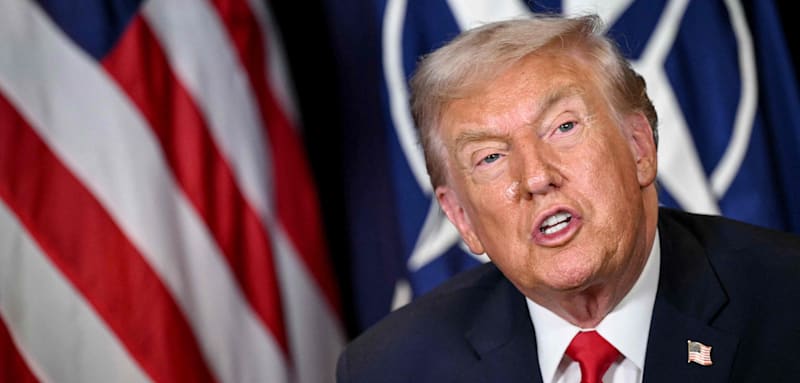
The Greenland dispute has taken center stage in recent international relations, spotlighting the fragile state of US-Denmark relations and igniting transatlantic tensions. Following President Trump’s controversial comments about acquiring Greenland, discussions surrounding the island’s geopolitical significance have intensified. Trump’s remarks have hinted at a vision where US control over Greenland would strengthen NATO and bolster American security interests in the North Atlantic. As diplomatic dialogues unfold, the reactions from Denmark and Greenland’s government highlight the complexities intertwined with this potential acquisition talk. This situation is not just about territory; it’s about asserting influence and power in a region of strategic importance.
The ongoing tensions over Greenland, an Arctic territory steeped in historical and strategic significance, reflect broader issues affecting international diplomacy. Often framed as a potential acquisition, the conversation surrounding this Nordic island is deeply intertwined with the dynamics of NATO alliances and the shifting landscape of global power. President Trump’s audacious comments regarding Greenland have sparked a renewed discourse on territorial sovereignty and the implications for American military strategy. These discussions resonate far beyond the surface, revealing underlying anxieties about US commitments to its allies and the preservation of transatlantic partnerships. As countries navigate these choppy diplomatic waters, the fate of Greenland stands as a focal point in the evolving narrative between the US and Europe.
The Shift in US-Denmark Relations
The recent comments made by President Trump regarding the acquisition of Greenland have stirred significant controversy and raised concerns about US-Denmark relations. Historically, the relationship between these two nations has been strong, largely due to their mutual interests in security and trade. However, Trump’s insistence on negotiating for Greenland marks a dramatic shift, suggesting a transactional nature to alliances that could undermine trust. As the US seeks to assert greater influence in the Arctic region, Denmark might perceive these demands as encroachments on its sovereignty, leading to tensions that could affect broader transatlantic relations.
Furthermore, Trump’s comments come at a time when NATO is navigating complex challenges, and the alliance’s commitment is being questioned. The call for immediate negotiations over Greenland could alienate Denmark and other European partners, highlighting a potential fracture in the solidarity required for strong transatlantic ties. If Trump continues to frame his discussions around acquisition and territorial control rather than partnership and diplomacy, it could set off a chain reaction of distrust. This dynamic raises pressing questions about the future of cooperation within NATO and how such territorial assertiveness could reshape the alliance.
Impact of Trump’s Greenland Acquisition Talks
Trump’s remarks regarding Greenland are not only a matter of geographical interest; they resonate deeply with the narrative of national security that drives US foreign policy. By framing the acquisition of Greenland as essential to America’s safety and the strength of NATO, Trump places the focus on geopolitical strategy amidst growing global tensions. The underlying message asserts that control over Greenland would fortify the US position in the Arctic, heightening the stakes for Denmark and other NATO allies who may feel overlooked in these calculations. The implication that Greenland could become a strategic military asset reinforces the perception of an America that prioritizes dominance over collaboration.
This conversation surrounding the Greenland dispute also evokes historical context, especially considering the post-World War II era when territories were relinquished for peace and collaboration. Trump’s comments, however, suggest a reversion to a mindset where territorial acquisition is viewed as a solution to security dilemmas. This perspective could escalate transatlantic tensions, as it invites skepticism from European nations that have adapted to the cooperative spirit of NATO. The insistence on acquiring Greenland could also lead to increased military posturing in the region, further complicating US-Denmark relations and dampening the collaborative spirit necessary for effective NATO operations.
Transatlantic Tensions and Greenland
The discussions around the Greenland acquisition are indirectly reflective of broader transatlantic tensions that have surfaced during Trump’s presidency. The rhetoric surrounding NATO funding and alliances has often painted a picture of division rather than unity, and Trump’s statements at the Davos forum are a continuation of this pattern. By demanding concessions from Denmark, Trump not only puts strain on bilateral relations but also challenges the foundational principles of mutual support within NATO. This push for Greenland illustrates a transactional view of alliances that could alienate European partners and complicate the collaborative efforts that have defined the alliance for decades.
Such tensions are exacerbated when coupled with the ongoing debates regarding military expenditure and shared responsibilities among NATO members. Trump’s discourse often casts the US as a reluctant benefactor to its allies, a sentiment that can foster resentment and lead to calls for renewed assessments of security partnerships. If the dialogue continues along these lines, it could trigger a reevaluation of Denmark’s commitments to the alliance and rock the foundation on which the transatlantic relationship is built. Furthermore, the focus on Greenland might deflect attention from critical global security challenges that require cooperation rather than competition among NATO members.
NATO’s Role in Greenland Dispute
The presence of NATO in discussions about Greenland highlights the alliance’s evolving role in global power dynamics, particularly as the Arctic becomes an area of strategic interest. Trump’s assertions that the US must secure Greenland for the sake of national defense resonate with concerns about Russian activity in the region. However, such claims may also create an unnecessary divide among NATO allies if the discourse shifts from collaborative security efforts to one of possession and competition. The potential militarization of Greenland may invite scrutiny from both allies and adversaries, raising questions about NATO’s effectiveness in managing regional stability.
Additionally, the notion that Greenland’s acquisition is integral to NATO’s success could lead to increased military presence in the Arctic, thereby escalating tensions with Russia, which also has vested interests in the region. Such actions have the potential to compromise the cooperative frameworks that NATO aims to promote, undermining its core mission of collective defense. The path forward requires a careful balance between defending shared interests while maintaining strong relations with allies like Denmark, fostering an environment conducive to diplomacy rather than coercion, which can ultimately benefit the alliance as a whole.
Historical Context of Greenland’s Sovereignty
Understanding the historical context of Greenland’s sovereignty is crucial to navigating the contemporary discussions surrounding its potential acquisition by the United States. Greenland has been an autonomous territory of Denmark since World War II, with significant geographical and strategic value due to its location and natural resources. The post-war period saw a great deal of cooperation between Denmark and the US, exemplified by the Thule Air Base’s establishment, which remains operational today. Trump’s perspective that the US should reclaim Greenland reflects a misunderstanding of historical developments and the agreements that have shaped modern geopolitics.
Moreover, Greenland’s rich culture and distinct identity cannot be disregarded in these discussions. The desire for control over the territory by external powers can evoke historical sentiments of colonialism that many indigenous Greenlanders wish to move beyond. Thus, any conversations about acquisition must include the voices of Greenlanders themselves, as they are the true stakeholders in the future of their territory. As the discussions evolve, it’s vital for the US to recognize that Greenland’s sovereignty is not just a strategic asset but also a matter of respect for the rights and aspirations of its people.
US Economic Interests in Greenland
In addition to security implications, the economic interests tied to Greenland’s natural resources play a significant role in the ongoing conversations about its future. The island is rich in minerals, including rare earth elements that are critical for modern technologies. As the United States grapples with supply chain vulnerabilities, especially in relation to China, the prospect of controlling these resources is increasingly appealing. Trump’s push for acquisition, framed as a necessity for national security, also underscores the economic motivations that could drive US foreign policy.
However, the economic discourse surrounding Greenland must also consider the sustainability of such practices and the impact on local communities. Exploiting natural resources without regard for environmental implications could pose serious risks not only to Greenland’s delicate ecosystems but also to the indigenous population’s way of life. Therefore, while the US may view Greenland as a potential economic asset, it is critical to approach these discussions with a lens of responsibility and ethical considerations, ensuring that any developments benefit the Greenlandic people and respect their land.
The Future of Danish-American Cooperation
As the discussions surrounding Greenland continue to unfold, the future of Danish-American cooperation hangs in the balance. Historically, both countries have enjoyed a strong partnership characterized by mutual interests in defense, trade, and environmental issues. However, Trump’s unilateral approach and insistence on acquiring Greenland could disrupt this partnership, leading to potential rifts that may prove difficult to mend. If Denmark perceives the US as seeking to undermine its sovereignty, it could prompt a shift in the dynamics of their cooperation, impacting various sectors including security and trade.
Forecasting how Denmark will respond to Trump’s acquisition talks is crucial for anticipating the future of transatlantic relations. If diplomatic negotiations fail and tensions escalate, Denmark could reconsider its reliance on the US for defense, prompting a recalibration of its commitments within NATO. The implications of such a shift could reverberate across Europe, affecting security strategies and coalition building not only between the US and Denmark but among other NATO allies as well. Ultimately, the approach taken by both nations will determine whether they can navigate this dispute while preserving the essential fabric of their long-standing cooperative relationship.
Greenland’s Response to US Proposals
In response to Trump’s assertive comments regarding Greenland, the government of Greenland has taken proactive measures to ensure the interests of its citizens are safeguarded. One notable action was the publication of a crisis brochure intended to prepare the population for any potential upheaval stemming from the US’s acquisition talks. This response highlights the gravity of the situation and the determination of the Greenlandic government to assert its authority. The emphasis on self-sufficiency demonstrates a commitment to maintaining independence and ensuring that the voice of the Greenlandic people is heard amid external pressures.
Moreover, Greenland’s government is tasked with balancing the interests of its people with the realities of global geopolitics, showcasing an aptitude for diplomacy that may play a critical role in the outcome of these discussions. As the island navigates its future amidst the ambitions of larger powers, it underscores the importance of establishing clear channels for dialogue and negotiation. Greenland’s stance may very well influence the tone and direction of future talks, especially if it unifies its political strategy with broader support from the international community advocating for their sovereignty and rights.
Navigating Geopolitical Shifts in the Arctic
As the Arctic region gains prominence on the global stage, the geopolitical significance of Greenland becomes even more pronounced. Trump’s commentary on acquiring Greenland is not occurring in isolation; it signals a broader struggle for influence as nations vie for resources, access, and strategic positioning in a rapidly changing environment due to climate change. The melting ice caps are altering shipping routes and revealing previously inaccessible resources, making Greenland an area of significant interest not only for the US but also for other nations, including Russia and China.
Navigating these geopolitical shifts requires a concerted effort among Arctic nations to ensure that territorial claims and resource extraction activities are handled through diplomatic channels. The US must recognize that cultivating alliances and fostering cooperative relationships is paramount, especially in a region where unpredictable environmental changes pose threats. The future of Greenland and its interactions with both the US and Denmark will critically impact how the Arctic landscape plays out in the coming years, demanding a departure from competitive narratives towards collaborative strategies that promote stability and sustainable development.
Frequently Asked Questions
What sparked the Greenland dispute involving Trump and Denmark?
The Greenland dispute was ignited by President Trump’s comments about acquiring Greenland from Denmark, suggesting that immediate negotiations should take place. His remarks have raised concerns about US-Denmark relations and are a focal point of transatlantic tensions.
How do Trump’s Greenland acquisition talks impact US-Denmark relations?
Trump’s Greenland acquisition talks have strained US-Denmark relations by implying that Denmark is not fulfilling its NATO obligations regarding Greenland’s security. This has prompted backlash from Danish officials and heightened tensions in transatlantic partnerships.
What are the implications of the Greenland dispute on NATO?
The implications of the Greenland dispute on NATO are significant, as Trump views the acquisition of Greenland as vital for US national security and NATO’s collective defense. His threats regarding military engagement levels if the acquisition doesn’t happen underline the potential for broader transatlantic tensions.
How has the Greenlandic government responded to Trump’s comments?
In response to Trump’s comments about Greenland, the Greenlandic government issued a brochure advising citizens on crisis management, indicating their concern over potential conflicts arising from the dispute and reflecting a proactive approach to safeguard their interests.
What is the historical context of the Greenland acquisition discussion?
The historical context of the Greenland acquisition discussion dates back to post-World War II, when the US returned Greenland to Denmark. Trump’s remarks suggest a belief that retaining Greenland could have benefitted US security, and he questions the decision to return the territory.
What role do transatlantic tensions play in the Greenland dispute?
Transatlantic tensions play a crucial role in the Greenland dispute, as Trump’s approach to acquiring the territory has revealed underlying frustrations with NATO allies regarding defense commitments. His comments have not only aggressive relationship dynamics but also raise concerns about collective security in Europe.
Will there be military actions related to the Greenland dispute?
Trump has assured that there will be no military actions related to the Greenland dispute, stating that he does not intend to use force. However, his insistence on negotiations places the matter at the forefront of US international diplomacy and military strategy.
What are the potential outcomes of the Greenland dispute for Europe?
The potential outcomes of the Greenland dispute for Europe could include a reevaluation of US military commitments under NATO, strengthened collaboration among European nations in response to US demands, and an increased geopolitical significance for Greenland as a strategic location.
How does the Greenland dispute reflect Trump’s broader foreign policy?
The Greenland dispute reflects Trump’s broader foreign policy approach of prioritizing American interests and pressure on allies to meet US expectations. Trump’s statements demonstrate a transactional view of international relations, emphasizing negotiations and national security.
What was the impact of Trump’s speech at Davos regarding the Greenland dispute?
Trump’s speech at Davos, where he brought up the Greenland dispute, further escalated the conversation around US acquisition talks and highlighted his resolve to engage with allies. This has consequences for diplomatic relations with Denmark and the broader NATO alliance.
| Key Point | Description |
|---|---|
| Trump’s Position | Trump insists on negotiating the acquisition of Greenland, emphasizing that military force will not be used. |
| NATO and Greenland | Trump argues that Denmark has failed to secure Greenland and pressures them for a concession related to NATO commitments. |
| Historical Claims | Trump believes the U.S. could have kept Greenland post-World War II, suggesting Denmark’s ownership is ungrateful. |
| Greenlandic Response | The Greenland government issues a crisis brochure for its citizens, signaling concerns over Trump’s interest. |
| Global Reactions | Various nations, including France and Germany, express concerns and non-participations in Trump’s initiatives, showcasing escalating tensions. |
Summary
The Greenland dispute has escalated following President Trump’s statement that he seeks immediate negotiations for the acquisition of the island. The U.S. President’s rhetoric has stirred diplomatic concerns while emphasizing that military force will not be applied. Trump’s views on Greenland reflect ongoing tensions within NATO and the varying responses from European allies, demonstrating a pivotal moment in transatlantic relations. The situation remains fluid as the Greenland government actively prepares for potential repercussions, indicating the high stakes involved.

