
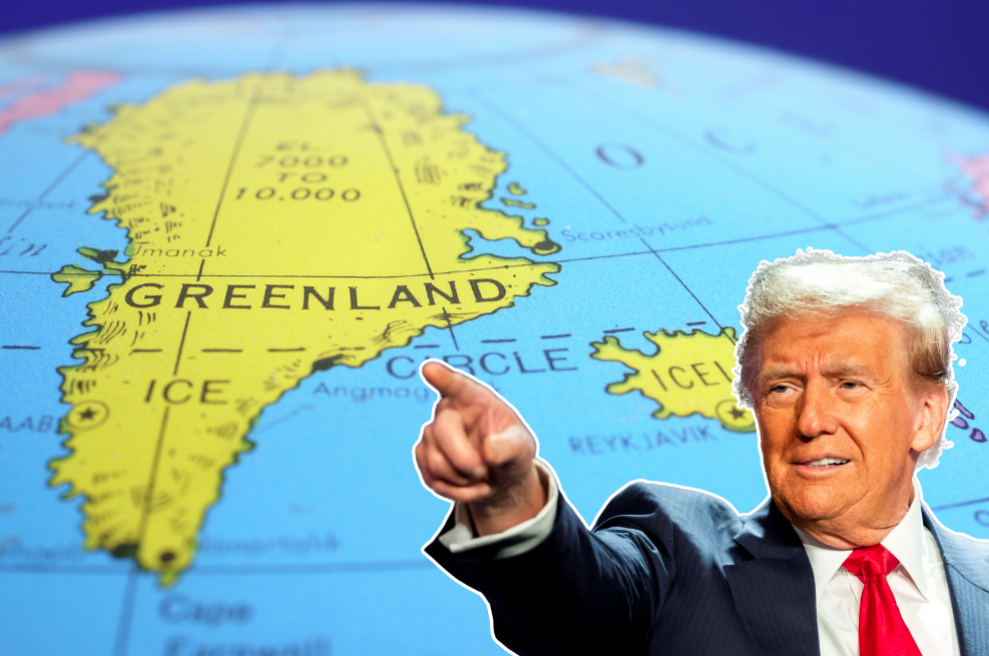
The ongoing Greenland dispute has sparked significant tensions, particularly following US President Trump’s recent threats aimed at asserting control over the island. Chancellor Friedrich Merz calls for urgent discussions with Trump to mitigate the fallout, emphasizing that threats of new tariffs could undermine transatlantic relations. This situation finds various European leaders, including Germany’s CDU, expressing a unified front against what they perceive as extortionate tactics from the United States. The spat not only raises questions about international law but also reveals the complexities of diplomacy in light of America’s shifting military presence in Greenland. As the EU prepares for a summit addressing potential countermeasures, the urgency to preserve cooperative ties cannot be overstated amidst fears of a looming trade war.
The conflict surrounding Greenland, particularly intensified by the provocative actions of US President Trump, highlights the intricate dynamics of international negotiations. With rising tensions characterized by the imposition of tariffs and demands for control over Greenland, European leaders, notably from the CDU, are navigating a delicate path in maintaining diplomatic relations with the US. Moreover, the geopolitical implications of this situation extend beyond mere economic discussions; they touch upon the principles of international law and the importance of a cohesive response from the EU. As various parties, including the Greens, call for a more decisive governmental strategy, it becomes evident that the need for productive dialogue is critical in averting a potential crisis. Furthermore, the ongoing deliberations may redefine transatlantic relations amid the changing military landscape in Greenland and the pressures exerted by the current US administration.
Understanding the Greenland Dispute and Its Implications
The Greenland dispute is more than just a territorial contention; it encapsulates the intricate dynamics of international relations and national security. Chancellor Friedrich Merz’s concerns regarding US President Trump’s aggressive posturing signify a moment where geopolitics intersect with trade policies. Trump’s declaration of intent to take control over Greenland, which he deems essential for national security, raises alarms about respect for international law and the potential for escalating tensions.
As tensions rise, the repercussions of the Greenland dispute reverberate across the Atlantic. Merz’s warning that threats of tariffs would only weaken transatlantic relations speaks to a broader desire for diplomatic solutions. The effectiveness of these communications with European partners hinges on a unified stance against unilateral threats, particularly those perceived as extortionate by Trump. Without a strategic response from the EU, the path ahead may lead to further nationalistic posturing that threatens the stability of international cooperation.
Trump’s Greenland Threats: An Evaluation of Consequences
Trump’s threats regarding Greenland have catalyzed not only political discourse within Germany but also raised critical questions about the nature of international diplomacy. As Federal Finance Minister Lars Klingbeil asserted, the notion of extortion from the US is firm, yet the fear of escalating a tariff war adds layers of complexity to the situation. This highlights a pivotal moment for transatlantic relations, where negotiating avenues must be explored to prevent an all-out trade confrontation.
The implications of such threats are profound, particularly with Trump now targeting multiple European nations with proposed tariffs. Germany, as a key player in the EU, faces significant pressure to craft an effective counter-response that aligns with the collective interests of its partners. The suggestions from politicians within Germany, including the call from the Greens for a decisive response, reflect the urgent need for the EU to establish a coherent stance against unilateral actions that challenge international norms.
EU Response to US Tariffs: Navigating International Relations
The European Union’s response to proposed US tariffs delineates a crucial crossroads in international law and trade relations. With Trump’s administration threatening additional tariffs, EU officials, including Chancellor Merz, are under pressure to formulate a calibrated counterstrategy that emphasizes negotiation over conflict. The overarching goal remains to de-escalate the tension without appearing weak, which can be interpreted as a sign of capitulation to US demands.
To navigate the complexities posed by these tariffs, the EU must capitalize on its diplomatic relationships. A well-coordinated response among European nations can reinforce solidarity and signal that the threats will not be taken lightly. Therefore, engaging in meaningful dialogue while formulating a collective countermeasure plan reflects an adherence to international law, exemplifying the EU’s commitment to equitable trade practices amidst global power plays.
Impact of Tariffs on Transatlantic Relations
The threat of tariffs as a weapon in international trade disputes primarily impacts transatlantic relations, marked by historical bonds and mutual economic interests. Chancellor Merz’s assertion that escalating tariffs under Trump’s threats could weaken these ties reveals an understanding of the delicate balance required in international diplomacy. As both Germany and the US reconsider their strategies, the emphasis should be on maintaining dialogue to preclude a regression into protectionist approaches.
Furthermore, the ongoing strain induced by tariffs foreshadows severe implications for bilateral investments and trade flows. Maintaining healthy transatlantic relations is not just beneficial for the EU and the US; it is vital for global economic stability. A robust dialogue between European leaders and Trump could pave the way for resolving these conflicts, reaffirming the principle of collaboration over confrontation in the face of economic policy disagreements.
Germany’s CDU and Navigating Global Trade
Within Germany, the Christian Democratic Union (CDU), led by Chancellor Merz, faces internal and external pressures as it navigates the turbulent waters of global trade and political sentiment. The CDU’s response to Trump’s threats illustrates the balance between national interest and the need for collective European action. Merz’s emphasis on unity can serve as a beacon for other nations facing similar challenges, underlining the necessity to address shared global issues collaboratively.
Additionally, the CDU’s strategic positioning amidst these tariffs reflects a deep acknowledgment of the need for economic resilience. As the opposition critiques the government’s course, it becomes paramount for the CDU to showcase leadership that prioritizes both German stability and European unity. Engaging in proactive diplomacy with both EU partners and the US can reinforce the CDU’s commitment to supporting a sustainable economic framework that respects international law while fostering beneficial trade relations.
The Role of International Law in Trade Disputes
International law serves as an essential framework for navigating the complexities of trade disputes, particularly when powerful nations make unilateral demands. The specifics of Trump’s approach to Greenland and the imposition of tariffs underscore a troubling deviation from established norms. The criticism from German opposition leaders, including the Greens, highlights an urgent call for adherence to international regulations that govern trade relations, emphasizing the importance of legal principles in diplomatic negotiations.
As nations contend with the potential ramifications of these threats, reinforcing the principles of international law becomes increasingly critical. Germany’s response to the ongoing situation requires not only a legal perspective but also a commitment to uphold collaborative efforts within major international forums. A robust and principled stance anchored in international law can help mitigate the risks associated with economic coercion, ensuring that trade relations remain secure and beneficial for all parties involved.
Resolving the Greenland Dispute through Dialogue
Amidst the escalating tensions regarding Greenland, the path to resolution lies firmly in dialogue and diplomatic engagement. Chancellor Merz’s anticipated discussions with President Trump provide a pivotal opportunity to address misunderstandings and foster goodwill. Engaging openly can lay the groundwork for a peaceful solution that acknowledges the complex geopolitical realities surrounding Greenland and alleviates the threats of tariffs.
The significance of engaging in multilateral discussions cannot be overstated. By convening meetings with EU partners, Germany can present a cohesive strategy that addresses both the Greenland dispute and the broader tariff threats. This collaborative approach not only fortifies transatlantic relations but also showcases Europe’s commitment to resolving disputes through dialogue rather than ultimatums, reinforcing the ideals of diplomacy and mutual respect in international affairs.
The Response from Germany’s Political Landscape
Germany’s political landscape is currently in a state of flux as parties respond to the existential threat posed by Trump’s tariffs and Greenland claims. The CDU’s cautious navigation through these politically charged waters reflects their effort to maintain visibility and leadership on international issues. As criticisms from the opposition mount, including those from the Greens regarding the perceived lack of direction, the pressure is on for a cohesive and robust strategy.
The dynamic within the political sphere calls for a unifying response that not only involves agreement within Germany but also a concerted action from the EU as a whole. The divergence of opinions illustrates the complexity of responding to external pressures while maintaining internal unity, placing a spotlight on the necessity of strong, visionary leadership in times of uncertainty in global relations.
Future Directions for Transatlantic Trade Relations
Looking forward, the future of transatlantic trade relations will depend significantly on how both Europe and the US manage the current climate of threats and tariffs. The ongoing dialogue initiated by Chancellor Merz may set a precedent for how such disputes are handled in the future, possibly leading to frameworks that prioritize avoidance of such aggressive tactics. The relationship between the EU and the US stands at a critical juncture, and how both sides respond could shape a new chapter in their economic partnerships.
Establishing clearer parameters and guidelines for trade and diplomatic engagements can lead to more stable international relations. Fostering an environment where dialogue is favored over economic warfare is paramount for the future functionality of transatlantic relations. As both the EU and the US confront these challenges, a visionary approach could result in renewed trust and collaboration that benefits both sides.
Frequently Asked Questions
What are Trump’s threats regarding Greenland and how do they impact international relations?
Trump’s threats concerning Greenland, framed as national security concerns, have sparked significant discourse on international relations. Chancellor Friedrich Merz warned that further tariff threats could weaken transatlantic relations, underscoring a consensus among European leaders that such actions might escalate tensions rather than resolve the Greenland dispute.
How is the German government responding to Trump’s Greenland demands?
The German government, led by Chancellor Merz, emphasizes a diplomatic approach to the Greenland dispute, expressing the need to avoid escalation. The government is engaged in discussions with European partners and aims to address potential tariffs proposed by Trump, which include 10% to 25% hikes against Germany and other nations.
What is the significance of international law in the Greenland dispute?
International law plays a crucial role in the Greenland dispute, especially as officials like Green parliamentary leader Katharina Dröge have criticized Trump’s dismissal of such laws. She argues that the EU and the German federal government must respond to statements suggesting no regard for international law, reaffirming its importance in global sovereignty and relations.
How do EU tariff responses relate to the Greenland dispute and transatlantic relations?
The EU’s response to Trump’s tariff threats, including potential countermeasures discussed at special summits, illustrates the intricate link between the Greenland dispute and transatlantic relations. German officials, including Vice Chancellor Lars Klingbeil, recognize the risks of escalating trade tensions that could harm both sides of the Atlantic.
What role do political parties in Germany play regarding the Greenland dispute?
Political parties in Germany, particularly the CDU and the Greens, have differing responses to the Greenland dispute. While the CDU, led by Chancellor Merz, seeks constructive dialogue with the US, the Greens criticize the government’s lack of direction in addressing Trump’s threats in accordance with international law, pushing for a more assertive stance.
What actions are being taken at the World Economic Forum regarding the Greenland dispute?
At the World Economic Forum in Davos, Chancellor Merz is expected to discuss the Greenland dispute and engage directly with President Trump. This meeting aims to clarify positions and potentially de-escalate tensions surrounding the tariff threats and geopolitical concerns related to Greenland.
What are the implications of America’s military presence in Greenland amidst the dispute?
Chancellor Merz pointed out a significant decrease in US military personnel in Greenland, which contrasts with Trump’s seemingly heightened threats about national security. This decrease suggests that the actual threat level perceived by the US government may not be as severe as articulated, raising questions about the motivations behind the Greenland dispute.
How has the German opposition responded to Trump’s Greenland-related tariffs?
The German opposition, particularly the Greens and AfD, has voiced strong criticism against Trump’s tariffs linked to the Greenland dispute. They argue for negotiations with Washington to prevent a trade war and find a peaceful resolution, highlighting the importance of diplomatic engagement over confrontational tactics.
| Key Points |
|---|
| Chancellor Merz seeks a meeting with Trump regarding Greenland dispute. |
| Deputy Klingbeil criticizes Trump’s threats as extortion, emphasizing no interest in escalating the situation. |
| Merz warns that threats of tariffs will harm transatlantic relations and emphasizes the importance of communication with European partners. |
| Trump demands US control over Greenland citing national security; new tariffs imposed on eight European nations, including Germany. |
| Dröge of the Greens criticizes the government’s response, demands a clear strategy from the CDU. |
| AfD’s Weidel calls for negotiations to avert a trade war over the Greenland dispute. |
Summary
The Greenland dispute highlights the escalating tensions between the US and European nations, particularly regarding President Trump’s aggressive stance towards Greenland and potential tariffs. As Chancellor Merz prepares for a possible meeting with Trump, concerns over the impact of these actions on transatlantic relations are mounting. European leaders are urging for a unified response to Trump’s threats, emphasizing the need for diplomacy over confrontation. The situation remains fluid as nations assess their strategies amid potential trade wars.

