
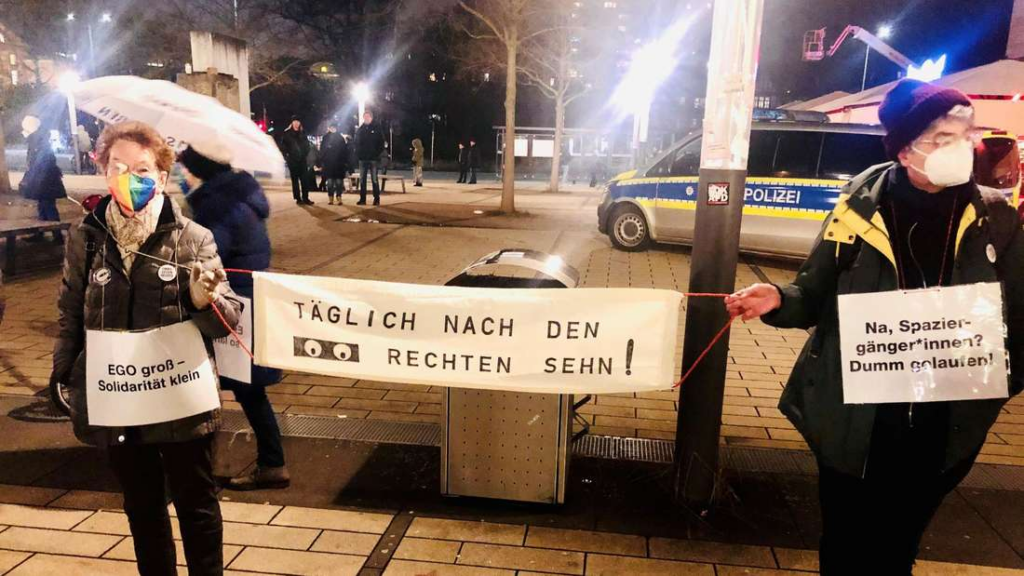
The Gießen protests on Saturday marked a significant clash between civil society and political ideologies, especially amid rising tensions surrounding a congress held by the AfD youth organization. As thousands rallied against what many perceived as a “left-extremist takeover,” the events quickly escalated into violent confrontations that drew attention to the ongoing struggle in the Bundestag. Uwe Schulz, an AfD representative, lamented the day’s events as one of unrestrained chaos instigated by groups like Antifa, branding them as a threat to democratic values. While some declared their support for the right to protest, others voiced concerns about the methods employed, highlighting the fine line between protest and extremism. With over 25,000 participants, the Gießen protests not only highlighted societal divisions but also raised crucial questions about the role of demonstrations in modern Germany’s political landscape.
The recent civil unrest in Gießen has become a focal point for discussions surrounding the role of radical political factions and public demonstrations in Germany. This ‘Day of Left-Extremist Takeover,’ as described by critics, encapsulates the broader conflict between organized leftist groups and right-wing establishments, particularly the AfD’s youth wing. As clashes erupted during an anti-AfD gathering, debates within the Bundestag intensified, reflecting the polarized sentiments in civil society. Observers noted that despite the violence, the protests brought together a diverse coalition of activists advocating for democratic norms against the rightist tide. The discourse around these demonstrations underscores the intricate dynamics at play in contemporary German politics, revealing deeper societal rifts and the challenges of maintaining civic order.
Overview of the Gießen Protests Against the AfD
The recent protests in Gießen have drawn significant attention across Germany, particularly in the Bundestag where the events were deemed pivotal. On Saturday, approximately 25,000 demonstrators took to the streets to voice their opposition to the congress held by the AfD youth organization. This overwhelming turnout reflects a broader civil society movement that seeks to resist what many perceive as a rise in extremist ideologies. The magnitude of the protests underscores the willingness of citizens to engage actively in democratic discourse, especially in response to movements they believe threaten democratic values.
Despite the largely peaceful nature of the protests, tensions escalated, leading to confrontations between protesters and police. Reports indicated that over 50 police officers sustained injuries, which has ignited a debate on law enforcement tactics during civil demonstrations. The incident has prompted various party leaders within the Bundestag to address the protests, highlighting differing perspectives on the motivations behind these demonstrations, thus enriching the ongoing dialogue about the role of civil society in countering extremism.
Political Reactions in the Bundestag
The parliamentary discussions regarding the Gießen protests revealed a stark divide in the perceptions and responses from various political factions. Representatives of the AfD characterized the protests as an example of ‘left-extremist takeover,’ accusing groups like Antifa of resorting to violence and intimidation. These allegations have sparked a heated exchange in the Bundestag, where members voiced concerns over the tensions between civil rights and maintaining order during such large-scale demonstrations. The AfD’s rhetoric has faced scrutiny from other parties, emphasizing the need for a balanced approach towards safeguarding democracy.
Contrastingly, members from parties such as the Green Party and CDU acknowledged the legitimacy of the protesters’ concerns while condemning the violent outbreaks. Irene Mihalic from the Green Party emphasized shifting the focus of the debate, suggesting that the true threats to democracy may lie not outside the Bundestag, but within its own proceedings. This outlook points to a critical examination of political extremism on both ends of the spectrum, highlighting the complexity of ensuring both civil liberties and public safety.
The Role of Antifa in Recent Clashes
Antifa’s involvement in the Gießen protests has become a focal point for criticism from the AfD and other right-leaning factions. The AfD has labeled Antifa members as a ‘lawless thug group,’ suggesting that their presence at the protests incites violence rather than fosters constructive dialogue. This narrative has resonated with certain constituents who view Antifa as emblematic of a broader trend of anarchism that undermines democratic processes. Such characterizations are crucial in framing the public’s perception of these protests and the responses of law enforcement.
In light of these accusations, it is vital to recognize the diverse motivations behind individual participation in Antifa-led protests. Many individuals engage with Antifa not out of a desire for violence but from a commitment to opposing racism and xenophobia associated with far-right movements like the AfD. The challenge remains for protesters to navigate the fine line between advocating for social justice and inadvertently becoming embroiled in violent clashes that detract from their core message. This dilemma has heightened discussions around the tactics employed by both protesters and the police during civil unrest.
The Aftermath of Protests: Injuries and Public Safety
The aftermath of the Gießen protests has raised important questions regarding public safety and law enforcement strategies during civil demonstrations. With reports indicating that over 50 police officers were injured during the clashes, there is a pressing need to analyze the effectiveness and appropriateness of police tactics employed during such escalations. Critics have pointed out that the heavy-handed approach by law enforcement can exacerbate tensions rather than mitigate them, leading to further violence and civil discord.
The alliance known as ‘Widersetzen’ has voiced concerns about police violence, arguing that excessive force can undermine the legitimacy of the protesters’ voices. This contention highlights the crucial balance that must be struck between maintaining order and respecting the rights of citizens to express their dissent peacefully. As discussions unfold within the Bundestag, these themes are likely to continue shaping policy debates on law enforcement’s role in public demonstrations moving forward.
The Impact of the AfD Youth Organization’s Congress
The congress of the AfD youth organization was envisioned as a platform to invigorate the party’s base among younger voters, but it quickly became a flashpoint for societal divisions. Opponents of the AfD view the establishment of this youth group as an attempt to legitimize and mainstream far-right ideologies. Protests against this congress in Gießen have illustrated the considerable resistance from various factions of civil society who feel alarmed by the party’s rhetoric and policies.
This backlash suggests not only a broader mobilization against the AfD but also highlights a critical moment for political engagement among youth across Germany. As many individuals are drawn into grassroots activism, the significance of civil society demonstrations becomes apparent in shaping political narratives and responses, especially against an backdrop of perceived extremist agendas. The outcomes of such mobilization efforts could prove pivotal in influencing future elections and public policy across the nation.
Civil Society Demonstrations: A Response to Extremism
The protests in Gießen serve as a powerful reminder of how civil society can mobilize in response to perceived threats from extremist political groups. With thousands taking to the streets, the event underscores the vital role of public demonstrations in advocating for democratic principles and diversity. Such grassroots movements showcase the capacity of citizens to collectively assert their opposition to ideologies that they find intolerable, thereby enriching the democratic dialogue in the country.
Moreover, the ability of civil society to galvanize support against the AfD demonstrates that opposition to extremism can take many forms, ranging from peaceful protests to more organized civil actions. This dynamic engagement is essential in counteracting the narratives being pushed by extremist factions, thereby fostering a more inclusive political environment. As these demonstrations unfold, they may also inspire similar movements in other regions, influencing the national discourse on extremism and demonstrating the strength of civic engagement.
Understanding Left-Extremist Narratives in German Politics
The characterization of the Gießen protests as a ‘Day of Left-Extremist Takeover’ reflects deeply ingrained narratives within German politics surrounding leftist movements. This label, often weaponized by right-wing parties like the AfD, seeks to delegitimize a wide range of civil dissent by framing it solely as radical extremism. However, such simplifications overlook the complex motivations and ideologies that propel individuals to participate in protests aimed at combating far-right politics.
It is essential to understand these narratives within a broader context of political discourse in Germany, as they can shape public perceptions and influence policy decisions. Debates in the Bundestag about these protests help to reveal the various political calculations at play, as parties vie for dominance in framing the discussion around extremism. As society continues grapples with polarization, these discussions will be critical in deciding how to foster dialogue without limiting civil liberties.
Parliamentary Responsibility in Addressing Extremism
As the Bundestag engages in discussions over the recent Gießen protests, there is a growing recognition of the Parliament’s responsibility in addressing issues of extremism. Lawmakers must navigate the sensitive terrain of condemning violent acts without alienating constituents who are genuinely concerned about rising far-right sentiment in Germany. Striking this balance is vital for maintaining public trust and fostering an environment where multiple viewpoints can coexist without resorting to confrontation.
Moreover, parliamentary action against extremism must extend beyond rhetoric; it requires tangible policy proposals that can mitigate the spread of radical ideologies and support civil society initiatives. By endorsing policies that promote inclusion and democratic engagement, the Bundestag can play an instrumental role in quelling polarization in society. Such initiatives will be essential in reinforcing the foundations of democracy and ensuring that civil protests remain a respected and safe method of political expression.
Future Implications for German Democracy
The events in Gießen and the surrounding discourse within the Bundestag hold vital implications for the future of Germany’s democratic landscape. The increasing visibility of civil society protests against extremism suggests that citizens are willing to take action against what they perceive as threats to their democratic ideals. This collective engagement could signal a resurgence of democratic activism, emphasizing the importance of civic participation in shaping the nation’s political future.
However, the conversations sparked by the Gießen protests also highlight the delicate balance between ensuring public safety and protecting civil liberties. As Germany moves forward, it remains imperative for all political factions to engage in constructive dialogue about the complexities of democracy, extremism, and public dissent. Should lawmakers heed these lessons, it may strengthen the democratic fabric of the nation, fostering an environment where diversity of thought and opinion can thrive without fear of violence or retribution.
Frequently Asked Questions
What were the reasons behind the Gießen protests against the AfD youth organization?
The Gießen protests were organized to oppose the congress of the AfD youth organization, reflecting widespread discontent with far-right ideologies. Approximately 25,000 demonstrators participated, primarily motivated by a desire to promote democratic values and protest against what many perceive as a rise in extremist politics.
How did the Bundestag respond to the events of the Gießen protests?
The Bundestag addressed the Gießen protests during a Current Hour session, where the AfD condemned the protests and labeled Antifa as a ‘lawless thug group’. In response, members from other parties acknowledged the legitimacy of civil society demonstrations while distancing themselves from the violence that occurred.
What impact did the Gießen protests have on public safety?
The Gießen protests resulted in clashes between demonstrators and police, leading to injuries among over 50 officers. While many protests remained peaceful, the violent encounters raised concerns about public safety and the response of law enforcement.
What was the criticism aimed at the Antifa during the Gießen protests?
During the Gießen protests, the AfD criticized Antifa as a ‘lawless thug group’, accusing them of justifying violent tactics against dissenting opinions. This rhetoric reflects the tensions between far-right and leftist groups in Germany during public demonstrations.
How did the protests in Gießen reflect the broader civil society movements?
The protests in Gießen indicate a significant mobilization of civil society against rising far-right extremism, as many participants sought to assert democratic values against the backdrop of what was termed a ‘Day of Left-Extremist Takeover’ by some political representatives.
What were the consequences for participants in the Gießen protests?
Participants in the Gießen protests faced a complex aftermath, including potential legal repercussions for violence and clashes with police, while also contributing to a larger dialogue about the role of civil disobedience and protests in safeguarding democracy.
How did the Gießen protests influence political discourse in Germany?
The Gießen protests have stirred significant political discourse regarding extremism in Germany, prompting debates in the Bundestag about the balance between protest rights and public safety, as well as the implications of rising tensions between extremist factions.
| Key Point | Details |
|---|---|
| Protests in Gießen | Thousands demonstrated against the new AfD youth organization. |
| Violence during protests | Clashes between protesters and police led to over 50 police injuries. |
| Political Debate | The protests sparked a heated debate in the Bundestag regarding left-wing extremism. |
| Statements by AfD representatives | Criticism of Antifa as a ‘lawless thug group’; calls the protests a ‘witch hunt’. |
| Other political responses | Some parties recognized the protests but condemned the violence. |
Summary
The Gießen protests highlight ongoing tensions surrounding the rise of right-wing extremism in Germany. With thousands rallying against the new AfD youth organization, the protests escalated into violence, drawing significant attention in the Bundestag. The varied political responses to the events underline the complexity of addressing extremism and civil liberties in contemporary German society.

