
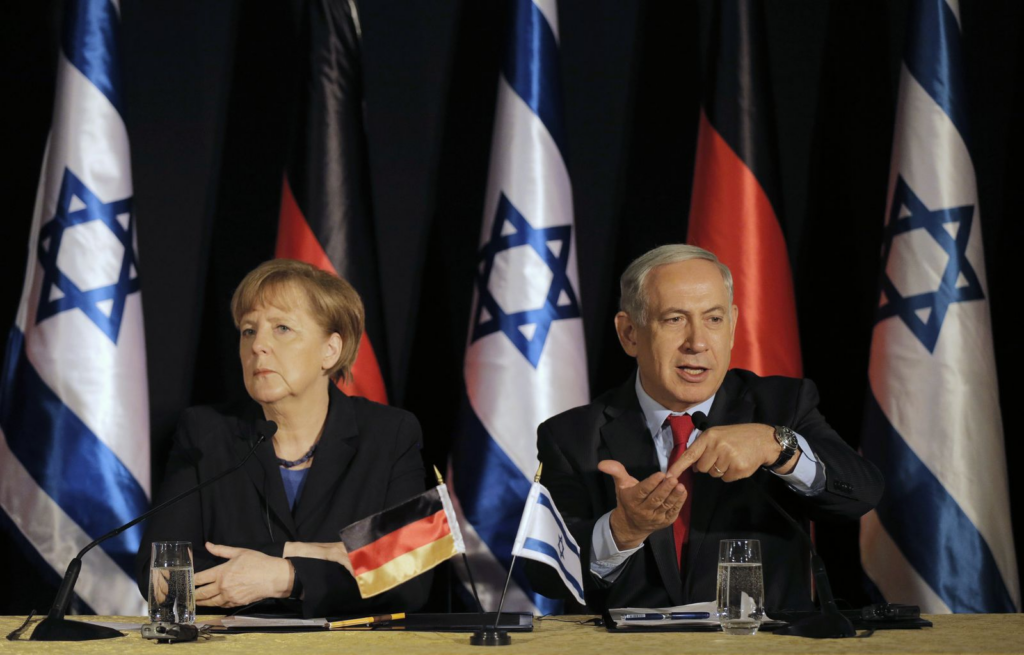
Germany-Israel relations have long been characterized by a complex web of history, responsibility, and cooperation. During Chancellor Friedrich Merz’s recent inaugural visit, he underscored Germany’s unwavering commitment to Israeli security, reinforcing the notion that this partnership is “part of the unchanging essence of our relations.” The Chancellor’s discussions with Prime Minister Netanyahu not only acknowledged the historical ties but also navigated modern issues, including German arms exports to Israel, which have been a point of contention. The Merz-Netanyahu press conference reflected a mutual understanding as they addressed both nations’ enduring friendship amidst rising anti-Semitism and the humanitarian challenges faced in the region. As they pledged continued Israeli defense cooperation, both leaders highlighted the importance of standing united against forces that threaten their respective nations.
The diplomatic interaction between Germany and Israel showcases a nuanced relationship marked by historical obligations and strategic collaboration. Following his first official engagement as Chancellor, Friedrich Merz highlighted the profound bond shared between the countries, a sentiment echoed by Israeli Prime Minister Benjamin Netanyahu. Recent discussions have traveled from arms export debates to shared concerns over rising anti-Semitic sentiments globally, an echo of their historical complexities. At the heart of these exchanges lies a commitment to defense cooperation that resonates with the foundational values of both nations. As they navigate the intricacies of their alliance, the dialogue reflects not just political ambitions but a shared understanding of their intertwined destinies.
Understanding the Significance of Chancellor Merz’s Visit to Israel
Chancellor Friedrich Merz’s inaugural visit to Israel marked a pivotal moment in German-Israeli relations, reinforcing the deep-rooted ties between the two nations. By stating, “This is part of the unchanging essence of our relations,” Merz acknowledged Germany’s historical responsibility towards Israel, particularly in light of the Holocaust. This visit was not merely a diplomatic formality; it underscored Germany’s commitment to Israel’s right to exist and thrive amid ongoing geopolitical tensions. The visit also symbolizes a renewed commitment to Israeli defense cooperation, which both leaders highlighted as a cornerstone of their partnership.
During the visit, Merz and Netanyahu glanced over past disagreements, notably concerning German arms exports to Israel, to reaffirm their countries’ special partnership. This moment of unity is significant as it suggests that despite political upheavals—like the controversy surrounding Netanyahu’s pending legal issues—both nations remain steadfast in their alliance. The ongoing Israeli defense cooperation could even pave the way for revitalized arms deals that benefit both countries, showcasing the mutual trust that remains essential in this relationship.
The Role of German Arms Exports in Strengthening Israel’s Defense
The topic of German arms exports to Israel has always been a sensitive subject, heavily influenced by historical context and ethical considerations. Merz’s visit revived discussions on this issue, especially in light of recent tensions. By emphasizing a collaborative approach towards defense, both Merz and Netanyahu showcased their desire to focus on the pragmatic aspects of their relationship, which includes military cooperation that is vital for Israel’s national security.
Furthermore, Israeli defense cooperation, bolstered by German technology and arms, plays a strategic role in Israel’s ability to defend itself against external threats. The Chancellor’s reassurances about Germany’s commitment to aid in Israel’s defense are crucial, especially as regional dynamics continue to evolve. This collaboration not only strengthens Israel’s defense capabilities but also promotes diplomatic ties between the two countries, fostering a sense of shared security in an unpredictable geopolitical landscape.
Exploring Netanyahu’s Perspectives on Anti-Semitism and International Crimes
During the press conference with Chancellor Merz, Prime Minister Netanyahu made a compelling statement regarding the resurgence of anti-Semitism, linking it directly to criticisms against the Israeli government. He asserted that while it is permissible to critique the government, such discussions should not descend into anti-Semitic rhetoric. This statement reflects a larger concern among Jewish communities worldwide, prompting leaders to address instances where legitimate criticism of Israel is conflated with hatred towards Jewish people.
Moreover, amidst the backdrop of a warrant issued by the International Criminal Court (ICC) against Netanyahu, his comments highlight the fraught tensions that accompany leadership in Israel today. The rejection of these charges not only underscores his position in the international community but also illustrates the difficult balancing act that he and his government must navigate when addressing allegations of war crimes during ongoing conflicts. In doing so, Netanyahu aims to reinforce the legitimacy of Israel’s actions while simultaneously calling attention to the dangers posed by both anti-Semitism and politicized accusations.
Chancellor Merz’s Message of Solidarity: A Commitment to Remember
Chancellor Merz’s visit included a significant moment at Yad Vashem, the Holocaust memorial, where he articulated Germany’s unwavering commitment to remembering the atrocities of the past. He emphasized that the memory of Holocaust victims must remain alive, serving as a moral compass in guiding Germany’s relations with Israel. This tribute not only reflects the historical accountability that Germany acknowledges but also affirms its dedication to ensuring a safe and secure future for the Jewish state.
The act of commemorating such significant history reinforces the emotional aspects of German-Israeli relations. By weaving remembrance into the fabric of diplomatic discussions, Merz implicitly recognizes that the past plays a continuous role in shaping current policies and attitudes. Therefore, his pledge amplifies the idea that there can be no genuine partnership without fully acknowledging historical responsibilities, particularly as it relates to Germany’s role during the Holocaust.
Navigating Future Challenges and Opportunities in German-Israeli Relations
As Germany and Israel navigate a complex relationship characterized by mutual support and occasional discord, future visits and discussions will likely revolve around pressing issues like arms exports and regional security. Merz’s initial visit laid an important groundwork, yet the persistent challenges—especially concerning the ongoing conflict with Hamas and the question of Palestinian statehood—will continue to shape bilateral dialogue. Leaders in both countries must confront these multifaceted concerns while maintaining the integrity of their partnership.
Additionally, the collaboration between Germany and Israel in fields such as technology, defense, and trade presents significant opportunities for deeper integration. These avenues not only enhance economic growth but also support broader security objectives. As both nations consider strategic partnerships and trade agreements, they must remain vigilant in addressing emerging anti-Semitic sentiments that could threaten this special relationship. Clear communication and consistent cooperation will be essential to overcoming these challenges and fortifying the partnership in the long term.
Implications of the Merz Visit for International Relations
Chancellor Merz’s visit to Israel has broader implications for international relations, particularly within the context of European support for Israel amid ongoing Middle Eastern conflicts. The visit sends a strong message that Germany remains a key ally for Israel, reinforcing the notion that European partnerships are vital for Israel’s security. This dynamic positions Germany as a crucial player in facilitating dialogue between Israel and its neighbors, especially while tensions are high.
Furthermore, Merz’s emphasis on solidarity with Israel could influence other EU member states to reaffirm their positions on Israeli rights and security. As discussions around anti-Semitism gain urgency, the German Chancellor’s assertions about the dangers of conflating criticism with hate might prompt EU leaders to adopt similar stances. Ultimately, these interactions could lead to a more cohesive European approach toward Middle Eastern policies, potentially influencing how regional issues are addressed on the global stage.
The Future of German-Israeli Arms Cooperation
The future of arms cooperation between Germany and Israel holds significant potential for strengthening both nations’ defense strategies. Despite past controversies, the partnership has shown resilience, especially during Chancellor Merz’s visit, where both leaders committed to exploring avenues to enhance military collaboration. This cooperation is essential not only for Israel’s defense strategy but also for positioning Germany as a reliable arms supplier in a challenging geopolitical landscape.
Moreover, the conversation around arms exports must also reflect a commitment to human rights and ethical considerations. As both nations continue to engage in dialogue, it is crucial for Germany to balance its historical responsibilities with the need to support Israel’s right to defend itself. The dialogue on arms cooperation can lead to innovative military solutions while ensuring compliance with international laws and standards, thus paving the way for a more responsible partnership.
Addressing Concerns over Anti-Semitism in Global Politics
The meeting between Merz and Netanyahu highlighted urgent concerns over rising anti-Semitism, a topic of significant importance to Jewish communities globally. Netanyahu’s call for a clear distinction between legitimate criticism of Israeli policies and anti-Semitic rhetoric suggests a broader need for nations to engage in dialogues that condemn hate speech while allowing for political discourse. The recognition of this issue opens pathways for collaborative efforts against anti-Semitism, which could transcend domestic politics and become an international priority.
Germany’s historical context places it in a unique position to take a firm stand against anti-Semitism, making Chancellor Merz’s remarks particularly resonant. As states grapple with the resurgence of hateful ideologies, proactive policies that address both the roots and expressions of anti-Semitism are critical. Germany can lead by example, emphasizing the importance of combating hatred while fostering constructive political debate regarding the Israeli government—a delicate balance that must be maintained in public discourse.
The Importance of Communication in German-Israeli Relations
Effective communication is a cornerstone of the evolving German-Israeli relationship, particularly as leaders navigate sensitive issues like arms exports and international legal challenges. Chancellor Merz’s open dialogue with Prime Minister Netanyahu reflects a commitment to transparency, an essential element in building trust between two nations with complex pasts. Regular high-level meetings and press conferences can help bridge gaps and align strategies amidst varying political landscapes.
Moreover, public communication regarding these relationships is crucial in shaping perceptions both at home and abroad. By actively engaging in discussions about their partnership, Germany and Israel can counteract misinformation and reinforce positive narratives around their cooperation. This commitment to transparency will serve as a foundation for a resilient alliance, ensuring that the historical responsibility of Germany continues to inform future policies and collaborations.
Frequently Asked Questions
What are the key points of Chancellor Merz’s visit to Israel regarding Germany Israel relations?
During his inaugural visit, Chancellor Friedrich Merz reinforced Germany’s commitment to Israel, emphasizing the enduring friendship and special responsibility Germany holds towards Israel’s security. He acknowledged the importance of cooperation in defense, despite recent turbulence in Germany Israel relations.
How has the discussion on German arms exports to Israel evolved during Chancellor Merz’s administration?
Chancellor Merz’s administration has faced challenges regarding German arms exports to Israel, particularly with disputes arising in recent months. However, during his visit, Merz set aside these issues, reaffirming the importance of defense cooperation and the longstanding partnership between Germany and Israel.
What did Prime Minister Netanyahu say during the Merz press conference regarding Germany and Israel relations?
In the press conference with Chancellor Merz, Prime Minister Netanyahu highlighted a ‘historical change’ in Germany Israel relations, emphasizing Israel’s active role in its defense collaboration with Germany, which he framed as a reversal of historical roles after the Holocaust.
How does Chancellor Merz view anti-Semitism and its relation to criticism of Israel?
Chancellor Merz underscored the necessity of differentiating between legitimate criticism of Israeli policies and anti-Semitism. During discussions, he acknowledged the rising global anti-Semitism and stressed that such sentiments must not undermine the legitimate discourse around Israel’s government.
What are the implications of the ongoing conflict in Gaza for Germany Israel relations?
The recent ceasefire in Gaza has prompted both Germany and Israel to support potential US-led solutions for peace. Chancellor Merz’s commitment to Israel’s security remains strong, even as Israel, under Netanyahu, resists calls for a Palestinian state, reflecting complex dynamics in Germany Israel relations.
How does the legacy of the Holocaust impact Germany Israel relations today?
Chancellor Merz reiterated Germany’s historical responsibility towards Israel during his visit, stating that the memory of the Holocaust and its victims is vital. This commitment reinforces the special relationship and informs Germany’s policies and actions in support of Israel.
What future actions might be taken regarding the German-Israeli relationship following Chancellor Merz’s visit?
While Chancellor Merz did not extend an invitation to Netanyahu for a visit to Germany, he indicated a willingness to foster further dialogue when appropriate, reflecting an intention to strengthen Germany Israel relations amid ongoing challenges.
Why is the relationship between Germany and Israel considered uniquely important?
The relationship is deeply rooted in historical context, particularly due to Germany’s role during the Holocaust. This weighs heavily on policies today, with an emphasis on Germany’s responsibility for Israel’s security and the mutual cooperation that has evolved since.
What is Germany’s stance on the Israeli-Palestinian conflict as discussed during the Merz visit?
Germany supports efforts to achieve peace, as indicated by Chancellor Merz, while also standing firmly with Israel’s right to defend itself. The German government remains cautious about proposals for Palestinian statehood, reflecting ongoing complexities in the German Israel relations.
| Key Points | Details |
|---|---|
| Chancellor Merz’s Visit | Merz’s inaugural visit emphasizes Germany’s responsibility towards Israel. |
| Emphasis on Friendship | Both leaders stressed the enduring friendship between Germany and Israel amidst challenges. |
| Arms Export Disputes | The dispute over German arms exports is set aside during the discussions. |
| Support for Israel’s Right to Exist | Merz reaffirmed Germany’s commitment to Israel’s security without using the term ‘Staatsräson’. |
| International Criminal Court Controversy | Netanyahu faces an arrest warrant from the ICC, which he rejects. |
| Anti-Semitism Warning | Netanyahu warns against rising anti-Semitism and distinguishes it from criticism of Israel. |
| Ceasefire in Gaza | A ceasefire is ongoing, with both leaders supporting a US-led conflict resolution plan. |
| Commitment to Memory | Merz emphasized the importance of remembering Holocaust victims and Germany’s historical responsibility. |
Summary
Germany Israel relations remain significant as highlighted during Chancellor Merz’s recent visit, where he reaffirmed Germany’s ongoing commitment to the security and existence of Israel. The emphasis on friendship and support between the two nations underscores the necessity of maintaining strong ties in the face of global challenges, including rising anti-Semitism and complex political disputes. Both leaders acknowledge the significance of their partnership while navigating sensitive issues, indicating a commitment to collaboration moving forward.

