
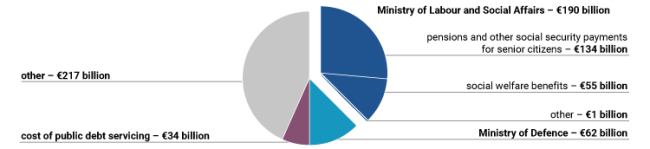
Germany federal budget reforms are poised to take center stage as Union politician Mathias Middelberg calls for extensive structural changes ahead of the 2027 budget. In a bold statement to the “Bild” newspaper, he emphasizes that superficial adjustments will not suffice to tackle the fiscal challenges ahead. Echoing this sentiment, fellow CDU member Andreas Mattfeldt insists on necessary budget cuts across various sectors, including social spending, development aid, and the climate fund, to achieve substantial financial savings. With the prospect of citizen income reforms, potential savings could reach billions, further emphasizing the urgent need for comprehensive reform. As the CDU budget committee gears up for a critical strategy meeting, the direction of Germany’s fiscal future remains in the balance.
As discussions around the federal budget in Germany heat up, the focus shifts to potential reforms aimed at overhauling financial allocations for the nation. Key political figures, including Mathias Middelberg and Andreas Mattfeldt, advocate for significant cuts and strategic adjustments to ensure fiscal responsibility and sustainability. The anticipated meeting of the CDU budget committee will be vital in determining how the upcoming budget for 2027 can be optimized, potentially affecting areas such as social welfare and climate initiatives. Stakeholders are concerned about the implications of proposed budget cuts on essential services and development, making a robust dialogue necessary. Overall, the urgency for a reformed budget strategy that balances financial constraints with social equity is clearer than ever.
Mathias Middelberg Advocates for Germany Federal Budget Reforms
Union politician Mathias Middelberg has made a significant impact in the Bundestag by raising a strong call for comprehensive structural reforms in the federal budget for 2027. His stance is clear: he believes that superficial adjustments will not suffice in addressing the substantial financial challenges facing Germany. In an interview with the ‘Bild’ newspaper, he stated, “For the 2027 budget, mere individual measures and minor cosmetic changes are not enough.” This perspective underscores the urgent need for a thorough overhaul of the budgetary framework to ensure fiscal responsibility and long-term sustainability.
Middelberg’s proposals align with broader objectives aimed at revamping Germany’s fiscal policies, particularly within the context of the CDU budget committee’s upcoming strategy discussions. By advocating for a clear reform agenda, he seeks to address concerns regarding the effectiveness of past budgeting practices, which have been critiqued for their lack of substantial impact. The CDU’s commitment to a more robust budgetary strategy not only reflects the urgency of financial stability but also responds to the public’s demand for a government that prioritizes effective resource allocation.
The Role of CDU Budget Committee in Fiscal Strategy
In light of current challenges, the CDU budget committee is planning a critical strategy meeting that will explore various avenues for budget cuts and fiscal reforms. With members like Mathias Middelberg and Andreas Mattfeldt leading the charge, the focus is expected to be on social spending cuts, which have become a contentious topic. Experts suggest that a thorough examination of development aid and funds allocated for climate initiatives is necessary to identify potential savings. Such discussions are crucial, especially as the German government navigates an increasingly complex economic landscape.
The CDU budget committee’s efforts will incorporate feedback and strategies that have emerged from previous fiscal evaluations. By emphasizing a strategy that centers around effective budget allocation, the committee aims to mitigate the impact of proposed cuts on vulnerable populations while still achieving significant savings. The upcoming talks are poised to not only influence the 2027 budget strategy but also set a precedent for how future fiscal policies might be shaped.
Implications of Social Spending Cuts in Germany
Andreas Mattfeldt, another prominent figure within the CDU, has publicly supported the idea of cutting social spending as a means to liberate fiscal resources. Such proposals raise profound questions about the balance between economic austerity and the ethical implications of reducing support for society’s most vulnerable members. The projected savings from reforms in citizen income alone could amount to several billion euros, indicating the significant fiscal implications of these cuts.
However, the contemplation of social spending cuts brings with it a host of potential ramifications. Critics warn that reducing support for social programs may exacerbate issues related to poverty and inequality within the German population. Therefore, any proposed reforms must be approached with careful consideration of their long-term effects on social cohesion and stability, ensuring that fiscal strategies do not come at the expense of the societal fabric.
Evaluating the 2027 Budget Strategy
As the CDU sets its sights on the 2027 budget strategy, an evaluation of past fiscal decisions and their outcomes becomes imperative. The landscape of budget management in Germany has shifted, largely influenced by both economic factors and shifting political priorities. The CDU’s approach, characterized by potential cuts and restructurings, must not only address immediate financial concerns but also incorporate long-term goals for national growth and stability.
Engaging various stakeholders, including political leaders, economists, and the public, in discussions about budget reforms can enhance the legitimacy and acceptance of proposed changes. It’s crucial that the budget strategy is not only about reducing numbers but also about fostering a collaborative environment where all voices are heard, contributing to a more sustainable economic future for Germany.
Future Directions for Fiscal Responsibility
The call for budget reforms by Mathias Middelberg and other CDU members highlights a trend towards prioritizing fiscal responsibility in Germany. As government expenditures continue to rise, finding a balance between necessary social support and financial sustainability has become increasingly crucial. The importance of forward-thinking fiscal strategies cannot be overstated as the CDU budget committee seeks solutions that resonate with both economic imperatives and public welfare.
Moving forward, it will be essential for the CDU to not only implement immediate budget cuts but also to envision reforms that promote financial resilience. By exploring innovative financial solutions and fostering a deeper understanding of economic policies among citizens, the CDU can pave the way for a more stable fiscal future. Engaging in comprehensive budget reforms today may serve as the foundation for a thriving economy tomorrow.
Frequently Asked Questions
What are the proposed Germany federal budget reforms for 2027?
The proposed Germany federal budget reforms for 2027 include comprehensive structural changes, as emphasized by Union politician Mathias Middelberg. He argues that superficial adjustments will not suffice and calls for substantial reforms to address the nation’s fiscal challenges.
How does Mathias Middelberg view the current plans for the Germany federal budget?
Mathias Middelberg criticizes the current plans for the Germany federal budget, stating that they rely too heavily on minor cosmetic changes instead of necessary comprehensive reforms for 2027. His call for robust structural reforms indicates a shift in approach to manage financial stability.
What specific areas are targeted for cuts in the Germany federal budget reforms?
Specific areas targeted for cuts in the Germany federal budget reforms include social spending, development aid, and funding for the climate fund. CDU politician Andreas Mattfeldt highlights that these cuts could save millions, particularly emphasizing the reforms related to citizen income.
What role does the CDU budget committee play in Germany’s federal budget reforms?
The CDU budget committee plays a critical role in shaping the Germany federal budget reforms. They are currently planning a strategy meeting to discuss potential savings and structural changes necessary to address financial concerns for the upcoming 2027 budget.
Why are social spending cuts being considered in the Germany federal budget?
Social spending cuts are being considered in the Germany federal budget as part of a broader strategy to achieve fiscal savings and create a more sustainable budget framework. Andreas Mattfeldt suggests that these cuts, particularly in areas like citizen income, could lead to savings of several billion euros.
How will the Germany federal budget reforms affect future government spending?
The Germany federal budget reforms are expected to significantly impact future government spending by shifting funds away from areas like development aid and the climate fund, focusing instead on essential reforms to ensure financial stability and sustainability in the long term.
What are the implications of the 2027 budget strategy for German citizens?
The implications of the 2027 budget strategy for German citizens could include adjustments to social welfare programs, as proposed cuts may directly affect citizen income and related services. These changes are part of the broader reforms advocated by Mathias Middelberg and the CDU budget committee.
| Key Point | Details |
|---|---|
| Call for Reform | Mathias Middelberg demands comprehensive structural reforms for the 2027 federal budget. |
| Criticism of Current Measures | Middelberg states that individual measures and minor changes are insufficient. |
| Colleague’s Input | Andreas Mattfeldt advocates for cuts in social spending, development aid, and the climate fund. |
| Potential Savings | Reforms for citizen income could save billions, according to Mattfeldt. |
| CDU Strategy Meeting | CDU budget committee to convene for a strategy meeting to discuss savings. |
Summary
Germany federal budget reforms are essential as highlighted by Union politician Mathias Middelberg’s call for structural changes for the upcoming budget in 2027. The focus is on addressing the inadequacy of merely superficial changes to manage public funds efficiently. Key recommendations include significant cuts in social spending, development aid, and the climate fund proposed by fellow politician Andreas Mattfeldt. With potential savings in citizen income reforms estimated in billions, the CDU committee’s forthcoming strategy meeting signals a proactive approach to addressing these financial challenges.

