
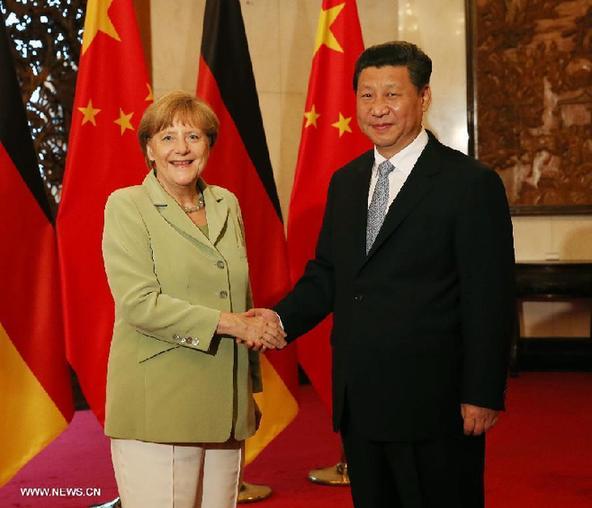
Germany China relations signify a crucial axis in the evolving landscape of international power dynamics. As economic interdependence deepens, the recent visit of Foreign Minister Johann Wadephul underscores Germany’s increasingly reactive stance in this partnership. While Germany emphasizes the importance of open markets and free trade, it grapples with the reality of China’s growing geopolitical influence, particularly amid rising Taiwan Strait tensions. This shift is evident in discussions on critical issues like trade barriers and human rights, where Germany seeks to assert its interests but finds itself constrained. The unfolding dynamics of German foreign policy reveal a delicate balancing act as Berlin navigates the complexities of Chinese diplomacy.
The interactions between Germany and China represent a pivotal relationship shaped by mutual dependencies and strategic considerations. As these two nations engage, Germany’s approach to foreign relations becomes increasingly influenced by China’s assertiveness in international affairs. With trade and economic cooperation at the forefront, the implications of their dialogue extend beyond mere commerce, delving into areas such as diplomatic protocol and regional stability. The Taiwan issue remains a contentious topic, intertwining with historical narratives that complicate their diplomatic discourse. Thus, the interplay of German-Chinese relations continues to evolve, reflecting broader trends in global geopolitics.
The Shift in Germany-China Relations: A New Power Dynamic
The recent visit of Foreign Minister Johann Wadephul to Beijing showcases a significant shift in the power dynamics between Germany and China. Historically, Germany has approached its relationship with China on an equal footing, emphasizing mutual interests and dialogues. However, current circumstances reveal that China is increasingly positioning itself as the dominant player, dictating the terms of engagement. Wadephul’s trip, which came on the heels of a previously canceled visit, illustrates a reactive stance from Germany, suggesting a discomforting dependency that has developed over the years.
As Germany navigates this complex landscape, the implications become clearer. Wadephul’s statements reflecting the ‘irreplaceability’ of China in terms of European stability highlight the fact that Germany’s foreign policy may be dictated by its economic ties to China. This dependency raises questions about Germany’s ability to assert its values and priorities, particularly in areas such as human rights and geopolitical stability, where its positions may conflict with those of China.
Key Issues in Germany-China Diplomacy
During the discussions in Beijing, trade, and economic relations were at the forefront, particularly focusing on China’s export restrictions and overcapacity issues. Wadephul’s call for ‘open markets and free trade’ reflects not only economic concerns but also underscores the tension embedded in the relationship. As China continues to exercise control over critical resources, such as rare earth metals, Germany finds itself at a disadvantage, emphasizing the need for a balanced approach in trade negotiations.
Furthermore, the backdrop of Taiwan Strait tensions looms large in diplomatic conversations. Wadephul reiterated the German government’s stance on the peaceful resolution of disputes in the Taiwan Strait, emphasizing the importance of regional stability. This highlights a crucial aspect of Chinese diplomacy: the assertion of territorial claims over Taiwan directly influences international relations, complicating Germany’s diplomatic efforts as it wishes to maintain its values while engaging with China’s growing assertiveness.
Trade Relations: The Economic Foundation of Germany-China Ties
The economic relationship between Germany and China is multifaceted, embodying both collaboration and tension. In 2023, direct investments from Germany to China reached a staggering peak of 11.9 billion euros, with significant commitments from leading German corporations such as Volkswagen, BASF, and BMW. This influx of investment symbolizes a strong economic reliance on China, raising concerns about the implications for German foreign policy and autonomy.
Despite the desire for a balanced economic partnership, underlying tensions exist. The German government’s push for de-risking its economy while its companies simultaneously deepen ties with China creates a paradox that the Chinese government is keen to exploit. China’s ability to leverage economic dependency means that any critique from Germany regarding trade practices or human rights can be easily downplayed, illustrating the imbalance in their bilateral relations.
Political Values vs. Economic Interests in Germany-China Relations
Germany’s foreign policy is increasingly challenged by the tension between its political values and economic interests in its relationship with China. While Germany seeks to uphold principles like human rights, these ideals often come into conflict with Beijing’s authoritative stance on issues such as Hong Kong and Xinjiang. The need to maintain favorable trade relations complicates Germany’s ability to address these concerns without jeopardizing its economic stakes.
The balancing act necessitates careful navigation of diplomatic discourse. Wadephul’s attempts to discuss human rights during his Beijing visit were met with ambivalence from Chinese counterparts, reflecting a growing frustration within Germany regarding the apparent disregard for ethical discussions in pursuit of economic gain. This highlights the challenge that democratic nations face when engaging with authoritarian regimes, forcing them to reassess the foundations of their international diplomacy.
The Role of the Taiwan Strait in Germany-China Dynamics
The Taiwan Strait remains a critical focal point in Germany’s engagement with China, underscoring the complexities of international power dynamics. Wadephul’s warnings against any unilateral changes to the status quo highlight Germany’s commitment to supporting a peaceful resolution, yet it simultaneously reveals its limitations in influencing Chinese policy. The increasingly aggressive stance of China in the Taiwan Strait presents a challenge not only for regional stability but also for Germany’s broader foreign policy objectives.
Germany’s position is further complicated by the implications of the One-China principle as posited by China. While formally recognizing the People’s Republic, Germany stops short of aligning itself fully with Chinese claims over Taiwan. This delicate stance illustrates the ongoing tension in the relationship, where Germany must articulate its commitment to peaceful resolutions while grappling with the realities of China’s assertive regional policies.
Germany’s Response to Chinese Geopolitical Moves
In light of China’s increasing assertiveness, Germany’s foreign policy has begun adjusting to reflect new geopolitical realities. Wadephul’s remarks on the necessity of predictability in trade are telling of Germany’s recognition of its vulnerabilities within this context. As China utilizes its economic influence to advance its geopolitical agenda, Germany finds itself compelled to alter its diplomatic strategies to maintain relevance in an evolving international order.
This push for a recalibrated foreign policy is particularly relevant in the face of Taiwan Strait tensions and China’s influence on global trade practices. The juxtaposition of Germany’s economic interests with the growing need to assert its sovereignty in international relations highlights the difficulties inherent in navigating modern diplomacy. As Germany attempts to redefine its stance, it must balance national interests with ethical principles, especially concerning human rights and regional security.
Human Rights Issues: A Sticking Point for Germany
Human rights remain a critical point of contention in Germany’s relations with China, illuminating the challenges inherent in balancing pragmatism and morality. Wadephul’s calls for China to address the situation in Xinjiang and Tibet, as well as political repression in Hong Kong, indicate Germany’s intention to assert its values within the dialogue. However, the efficacy of these discussions is often diminished by China’s dismissive posture toward criticisms, highlighting a significant asymmetry in their diplomatic exchanges.
The divergence in human rights philosophies between the two nations suggests that while economic ties may deepen, the ideological divide will persist. For Germany, the challenge lies in crafting a foreign policy that effectively advocates for human rights without undermining critical economic relationships. This balancing act will be a defining feature of future engagements, as Germany attempts to uphold its principles while facing the pragmatic realities of its dependency on China.
The Future of Germany-China Relations: Navigating Complexities Ahead
As Germany looks ahead in its relationship with China, the challenges and complexities embedded in their diplomacy will require innovative approaches. With increasing evidence of China’s willingness to assert dominance, Germany must contend with the reality that its traditional treatment of China as an equal partner may no longer be viable. Future interactions are likely to be shaped by a recalibration of expectations and a better understanding of the emerging geopolitical landscape.
In navigating these complexities, Germany will need to reassess its strategies in foreign policy, recognizing the importance of fostering resilience in its dealings with China. This may include diversifying trade relationships and partners, ensuring that economic dependencies do not compromise its political integrity or influence. As the dynamics of international relations continue to evolve, Germany’s ability to adapt will determine the trajectory of its diplomacy with China.
Germany’s Strategic Partnerships in the China Context
In response to the shifting dynamics of its relationship with China, Germany is increasingly looking to bolster its strategic partnerships with other nations. By fostering closer ties with allies and engaging in multi-lateral discussions, Germany aims to mitigate the risks associated with its heavy reliance on China. This strategy reflects a broader trend among democracies seeking to create a united front against rising authoritarianism by emphasizing shared values and cooperative security.
Germany understands that strong alliances can enhance its negotiating power with China. By leveraging collective strengths and unified positions on key issues—ranging from trade practices to human rights—it may be possible to exert pressure on China to adhere to international norms. This approach not only exemplifies Germany’s adaptability but also emphasizes the need for collaborative solutions in addressing the complex challenges posed by an increasingly assertive China.
Economic Dependencies and the Impacts on Foreign Policy
The economic dependencies that have built up between Germany and China have significant implications for Germany’s foreign policy. As German corporations deepen their investments, the government finds itself in a precarious position, torn between the need to advocate for ethical standards and the desire to maintain favorable economic conditions. This dependency can limit Germany’s ability to exert meaningful influence within the realm of international relations, as it risks alienating a major trading partner by imposing too many conditions.
As a result, Germany must find ways to redefine its economic engagements to ensure they align with its broader values and goals. One potential pathway is to develop trade agreements that incorporate provisions for human rights and environmental standards, thereby aligning economic interests with ethical imperatives. This could help Germany strengthen its diplomatic voice while maintaining critical economic ties with China.
Frequently Asked Questions
What is the current state of Germany China relations as reflected in recent diplomatic visits?
The current state of Germany China relations is characterized by a significant power imbalance, with China increasingly dictating terms. A recent visit by German Foreign Minister Johann Wadephul highlighted this shift, as discussions were heavily influenced by China, especially regarding trade barriers and geopolitical tensions.
How does German foreign policy address the power dynamics in Germany China relations?
German foreign policy acknowledges the shifting power dynamics in Germany China relations, where economic dependencies are pronounced. Officials like Foreign Minister Wadephul emphasize the need for open markets, yet must navigate China’s dominance in discussions on trade, security, and human rights.
What role does trade play in Germany China relations?
Trade plays a critical role in Germany China relations, with significant investments flowing from Germany to China, reaching record levels. Discussions often focus on issues like market access, export restrictions, and fair competition, as highlighted by Wadephul’s recent emphasis on ‘open markets and free trade’.
How are Taiwan Strait tensions impacting Germany China relations?
Taiwan Strait tensions have a significant impact on Germany China relations, as Germany seeks to maintain a neutral stance while reinforcing its commitment to peaceful dispute resolutions. Wadephul’s statements reflect concerns over stability in the region, which China portrays as an essential issue for diplomatic relations.
In what ways does Chinese diplomacy influence Germany’s approach to international power dynamics?
Chinese diplomacy significantly influences Germany’s approach to international power dynamics by asserting its claims on Taiwan and leveraging its economic power to shape negotiations. This has caused Germany to adapt its foreign policy strategies in acknowledgment of China’s growing assertiveness in global affairs.
What are Germany’s concerns regarding human rights in the context of Germany China relations?
Human rights concerns are a crucial aspect of Germany China relations, particularly regarding issues in Tibet, Xinjiang, and Hong Kong. German officials, like Foreign Minister Wadephul, have publicly addressed these issues during diplomatic engagements, although China tends to respond dismissively to such criticisms.
What implications do the recent diplomatic meetings have for the future of Germany China trade?
The recent diplomatic meetings suggest that while Germany is keen to strengthen trade ties with China, it faces challenges due to China’s market-dominating practices and the need for predictability in trade relations. The ongoing exchange indicates a willingness to collaborate but highlights an urgent need for Germany to redefine its position to enhance its negotiating power.
How does the German public perceive the relationship with China amid ongoing tensions?
The German public’s perception of the relationship with China is increasingly cautious, driven by awareness of the human rights issues and geopolitical tensions in the Taiwan Strait. There is a notable concern about the implications of Germany’s economic dependence on China and its influence on foreign policy decisions.
What future visits by German officials to China could reshape Germany China relations?
Future visits by key German officials, including Chancellor Friedrich Merz, are expected to aim at addressing diplomatic strains and exploring collaborative frameworks. Such high-level engagements could potentially reshape Germany China relations by emphasizing mutual economic interests while navigating complex geopolitical issues.
How does Germany’s investment in China contrast with its foreign policy goals?
Germany’s investment in China significantly contrasts its foreign policy goals of becoming more independent from Chinese influence. While the German government promotes ‘de-risking’ strategies, businesses continue to deepen their ties with China, reflecting a disconnect between political objectives and economic realities.
| Key Topic | Details |
|---|---|
| Power Dynamics | The visit of German Foreign Minister Johann Wadephul to Beijing highlights how the power dynamics are now tilted in favor of China. |
| China’s Reception | China sets the terms of engagements, often dismissing Germany’s requests for urgency in their discussions. |
| Economic Dialogue | Though trade barriers were discussed, underlying tensions show China’s dominance in determining the key issues. |
| Human Rights Topics | Wadephul raised concerns regarding human rights abuses in China but received little regard from Chinese officials. |
| Investment Trends | Despite political strains, German companies continue to invest heavily in China, heightening their dependency. |
| Taiwan Stance | Germany continues to avoid a clear stance on Taiwan’s status, causing tensions in German-Chinese relations. |
Summary
Germany China relations are currently characterized by an asymmetry in power dynamics, where China is effectively setting the agenda and Germany’s responses appear reactive. The recent visit by Foreign Minister Johann Wadephul underscores the reality of this shift, emphasizing that while Germany aims for equitable dialogue, it is increasingly influenced by China’s assertive posture. This relationship is important not only for bilateral trade but for addressing broader global issues such as human rights and geopolitical tensions, particularly concerning Taiwan and the Russian-Ukrainian conflict. As the German economy continues to increase its investments in China, the dependence on China’s market grows, reflecting a complex interplay of diplomacy and economic necessity.

